Bambu Lab R1: Bringing Automation to a 55W CO2 Laser Cutter

Bambu Lab brings its automation philosophy from 3D printing to a 55W CO2 laser cutter with the R1.
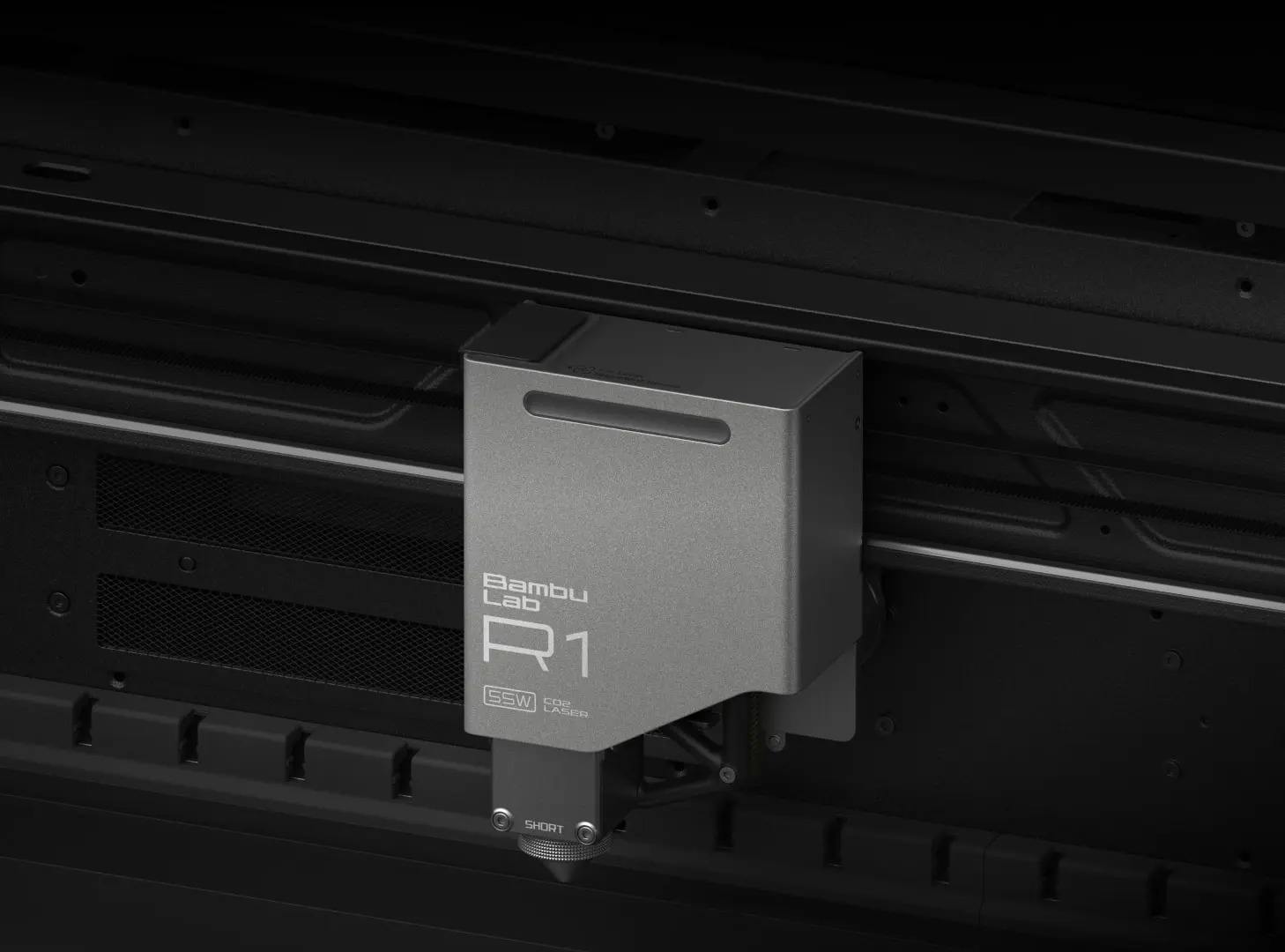
The Bambu Lab R1 is a 55W CO2 laser cutter that applies the brand's signature automation philosophy to a traditionally hands-on tool category. It automatically handles optical alignment, material positioning, and surface height tracking — steps that typically require manual calibration. With a 600×300mm work area, explicit support for clear acrylic, and an optional conveyor module for up to 3 meters of continuous processing, it targets makers, small studios, and designers. The R1 earned 96 upvotes on Product Hunt and represents a clear push toward simpler, more accessible consumer-grade manufacturing tools.
A Natural Extension from 3D Printing to Laser Cutting
Bambu Lab built its reputation in desktop 3D printing on the strength of its automated, seamless user experience — and now it's bringing that same philosophy to the comparatively traditional world of laser cutting. The R1 is a 55W CO2 laser cutter that quickly made its mark after launching on Product Hunt, landing in the Hardware and Maker Tools categories with 96 upvotes and a 6th-place finish for the day.
The machine's core appeal isn't its power specs — it's the way it tackles one of laser cutting's most persistent pain points: tedious manual setup. For makers who've grown accustomed to the out-of-the-box experience of Bambu's printers, this is a compelling direction.
Automation Is the Key Differentiator
Traditional laser cutters typically require users to manually complete a series of calibration steps before any cutting can begin — optical alignment, material positioning, and surface height tracking. These steps are time-consuming, unfriendly to beginners, and any small error can compromise cut quality or waste material.
The R1 hands all three of these tasks off to the machine itself:
- Optical alignment: Automatically calibrates the laser path, eliminating manual adjustments
- Material positioning: Detects and aligns the placed material
- Surface tracking: Dynamically senses the material surface to maintain a stable focal distance
This automation stack is a direct continuation of Bambu Lab's design philosophy from its 3D printers — hiding complex mechanical calibration behind software and sensors so users can focus on creating rather than configuring.
Work Area and Expandability
The R1 offers a 600 × 300 mm work area, a practical size for a desktop-class laser cutter that covers most common use cases: signage, model parts, custom gifts, and more.
Notably, Bambu explicitly calls out support for clear acrylic. Transparent materials are notoriously tricky in laser cutting — sensors struggle to accurately detect edges and focal distance on see-through surfaces. The fact that Bambu name-drops this material suggests the R1's sensing system has been specifically optimized for it.
Another noteworthy capability is optional conveyor processing, supporting material runs up to 3 meters long. This means the R1 isn't limited to fixed-size cuts — it can handle long strips or continuous batch material, pushing the boundaries of a desktop device toward lightweight small-batch production.
The challenges of cutting clear acrylic with a laser come from two directions: the material's partial transmission of laser light makes reflective edge-detection unreliable, and even minor focal distance deviations produce more visible whitening or bubbling on transparent cuts. Traditional machines typically rely on users to manually measure and input material thickness. Edge detection on transparent parts usually depends on camera-based contrast algorithms that can fail in low-contrast scenarios. Bambu's explicit support for clear acrylic suggests the R1's surface tracking likely uses non-contact displacement sensing — such as capacitive or structured light approaches — rather than pure image recognition. For a consumer-grade desktop device, that's a technically noteworthy detail.
The Case for CO2
The R1's choice of a 55W CO2 laser over fiber or diode alternatives defines its intended use. CO2 lasers excel at cutting non-metallic materials like acrylic, wood, leather, and paper — exactly what makers, small studios, and designers work with day to day.
55W sits in the upper-middle range for desktop CO2 machines. Paired with the automated system, it delivers solid cut quality while keeping the barrier to entry low. For users who've been interested in laser processing but put off by the complexity of traditional machines, this positioning is clear and well-targeted.
The fundamental difference between CO2, fiber, and diode lasers comes down to wavelength. CO2 lasers operate at around 10.6 micrometers (far infrared) — a wavelength that's efficiently absorbed by organic materials like wood, acrylic, leather, and fabric, producing clean cuts with a small heat-affected zone. Fiber lasers operate around 1 micrometer, making them ideal for metal cutting and marking, but they tend to pass through transparent acrylic rather than being absorbed — far less effective than CO2. Diode lasers are cheaper and more compact but typically can't match CO2 in power or beam quality for thick-material cutting. The main long-term cost consideration for desktop CO2 machines is laser tube maintenance: glass CO2 tubes typically last 1,000 to 3,000 hours and represent the primary consumable expense — a key factor to include in any total cost of ownership calculation.
What It Means for the Maker Ecosystem
Bambu Lab's consistent playbook is to lower the barrier to professional tools through integration and automation. The R1 follows that script. If it can deliver the same tight hardware-software-consumables ecosystem as its printers, laser cutting — a relatively niche category — could attract a meaningful wave of new users.
Of course, 96 upvotes and 4 comments on Product Hunt is still a small sample size, and the real test will come from long-term user feedback. But as a product statement, the R1 is a clear example of consumer-grade manufacturing tools evolving toward "simpler and more automatic."
Summary
Bambu Lab's R1 transplants the brand's signature automation capabilities into the CO2 laser cutting space. Through automatic optical alignment, material positioning, and surface tracking, it aims to remove the traditional friction points of laser cutting. A 600 × 300 mm work area, explicit support for clear acrylic, and an optional 3-meter conveyor extension together form a practical tool for makers and small studios. Its value isn't in stacking specs — it's in making a complex category of professional equipment meaningfully simpler.
Related articles

DeepCell: One-Click AI Generation of Documents, Spreadsheets, and Slides
DeepCell tops Product Hunt with one-click generation of documents, spreadsheets, and slides, using the .deepcell format for linked updates, designed for System 2 tasks like modeling and sales reviews.

Doneas: 15-Minute Daily Accountability Calls That Keep Indie Developers From Procrastinating
Doneas is a daily accountability tool for indie developers: plan tasks on Monday, join a 15-minute call with five builders each day, and log deliveries on a public progress page. This article analyzes its core mechanics, effectiveness, and potential issues around retention and matching.

Fastlane 2.0: Fully Automated AI Ad Campaigns, From Creative to Optimization
Fastlane 2.0 is an AI ad automation tool: enter your website and it learns your brand, generates video and image ads, and runs and optimizes them on Meta, TikTok, Instagram, and YouTube.