Beware the 'Free GPT-6 Install' Scam: The Truth Behind These So-Called Tutorials

So-called 'free GPT-6' tutorials are scams spreading malware and harvesting engagement — always use official channels.
A wave of viral video tutorials claiming to offer 'free GPT-6 Astra' access are in fact a combination of malware distribution, API key theft, and engagement farming. GPT-6 doesn't exist, third-party 'Codex Desktop' and 'localization patch' tools are common malware vectors, 'bypassing login' likely means using stolen API keys, and 'follow for $100 credits' is a traffic-farming scheme. Users should access AI services through official platforms, refuse to run unverified third-party tools, and stay alert to fake scarcity tactics.
A Suspicious 'Free GPT-6 Install' Tutorial
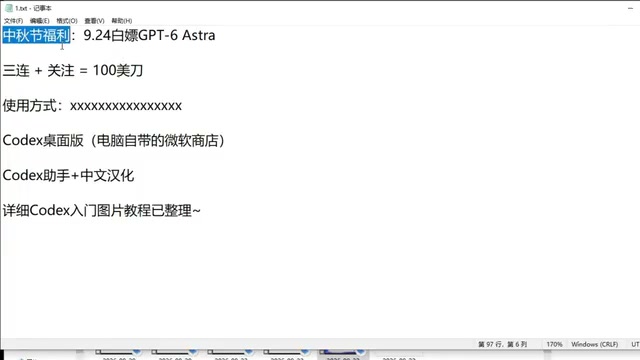
Recently, video platforms have been circulating tutorials claiming to offer a "free GPT-6 Astra" or "$100 in free credits." These posts typically use "like, coin, and follow to get a redemption code" as bait, guiding users to download installation packages, configuration tools, and "localization patches" from unknown sources — all supposedly needed to connect to a so-called "GPT-6 Ultra" or even a "talk to God" model in just a few steps.
Examined from a technical and factual standpoint, these tutorials are riddled with red flags. This article breaks down their claims rationally to help readers identify the risks and avoid falling into the trap.
A Huge Gap Between Claims and Reality
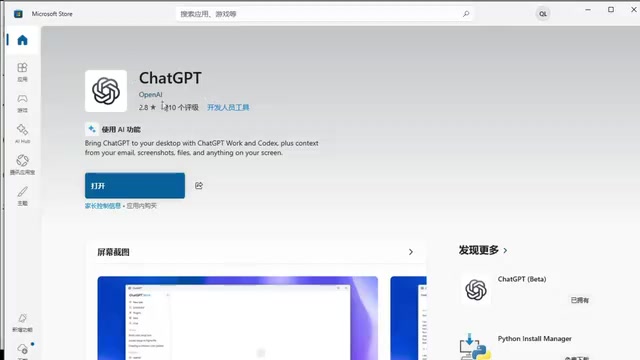
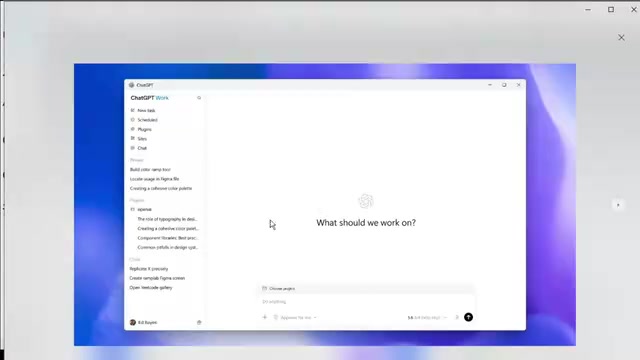
The core flow of these tutorials goes roughly like this: receive a redemption code → install something called "Codex Desktop" from the Microsoft Store as a "host application" → use a "Codex Assistant" to bypass OpenAI account login → run a "localization tool" to translate the interface → and finally "connect to GPT-6 Ultra."
The problem is that several key claims contradict publicly known facts. As of now, OpenAI has not released any product called "GPT-6" or "GPT-6 Ultra/Astra." Phrases like "talk to God" are marketing buzzwords, not real model tiers. The self-contradictory claim that "$100 in credits is actually only worth about $1.30" exposes the real motive: affiliate commissions.
Three High-Risk Warning Signs
1. You're Asked to Run Executables from Unknown Sources
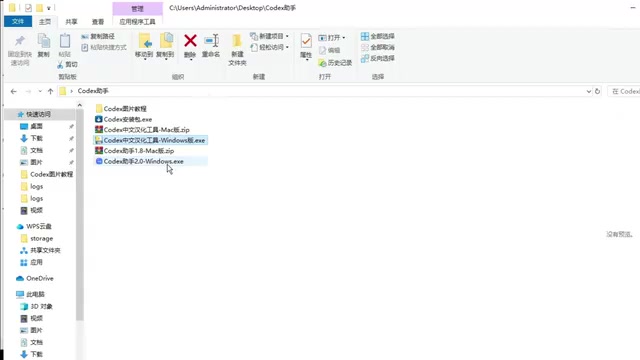
These tutorials repeatedly instruct users to double-click and run installation packages, a "Codex Assistant," and "localization tools" that the content creator has "prepared" — with separate Windows and Mac versions. Third-party-packaged .exe files and configuration scripts are common carriers for malware, credential-stealing trojans, and cryptomining programs. Running them can lead to stolen accounts or a backdoor being planted on your system.
From a technical perspective, the dangers of such third-party packages go far beyond what's visible on the surface. Common attack techniques include: writing persistent backdoors to the system registry via the "localization patch," using tools like the "Codex Assistant" to steal browser-stored cookies and session tokens (allowing attackers to hijack logged-in accounts without needing a password), and silently running cryptocurrency miners in the background to consume your CPU/GPU resources. Particularly dangerous is that some malicious installers spoof legitimate digital signatures to evade antivirus detection. Users have almost no way to tell from appearance alone whether a file is safe — and once executed, the damage often occurs without the user ever noticing.
2. Users Are Taught to "Bypass Official Login Verification"
The so-called "no-login required" or "bypass overseas phone number verification" approach essentially modifies client-side configuration to circumvent official identity checks. Legitimate AI services do not work this way. In practice, this method typically involves using stolen API keys or sharing compromised accounts — a practice that violates terms of service and may cross into illegal territory.
An API key is the core credential used by platforms like OpenAI to identify callers, handle billing, and control access. If it's leaked, the key holder bears full responsibility for all usage charges and legal consequences. "Shared API keys" or "stolen keys" are a common pattern in gray markets: content creators bulk-collect or purchase others' keys and distribute them to users. On the surface, users appear to be accessing the service "for free," but in reality they're consuming the credits of whoever's account was compromised. This violates OpenAI's Terms of Service, accounts can be banned at any time, and all user requests (including any sensitive content entered) pass through third-party relay servers, creating serious privacy risks. The correct way to access the API is to register on the official platform, generate your own dedicated key, keep it secure, and never enter or share it through any third-party client.
3. "Free Credits" Are Used to Create Urgency and Drive Engagement
"Like, coin, and follow to get $100" is a classic traffic-farming tactic. Users complete likes, coins, shares, and follows in hopes of "free credits," helping the creator rapidly accumulate reach and commercial value — while the promised "credits" either can't be redeemed at all, or are simply the first step in a funnel leading to paid or phishing content.
The "engagement for credits" scheme is backed by a well-developed monetization pipeline. Under video platform algorithms, high engagement rates (likes, favorites, shares) significantly boost a video's recommendation weight, helping creators quickly build follower counts and commercial value. As for the "redemption codes," they typically end in one of three ways: first, the code is invalid or expired, and users get nothing after engaging; second, the code leads to a third-party paid group or bulk-purchase arrangement, pushing users toward further payment for a "stable version"; third, the code triggers a phishing page that solicits phone numbers, identity information, or even payment credentials. This technique — using scarcity and immediate rewards to drive impulsive decisions — is known in social engineering as "scarcity bias" and is a classic application of psychological manipulation in online fraud.
The Right Way to Access Advanced AI Models
If you genuinely want to use state-of-the-art AI models, go through official channels:
- OpenAI Official: Visit openai.com to register an account, then access real, existing model versions through the official API or a ChatGPT subscription.
- Official Codex / Developer Tools: OpenAI's Codex is a code-focused model service for developers. Get access instructions from the official documentation — not from third-party "desktop" packages.
- Compliant Domestic Platforms: Several Chinese companies offer compliant large model APIs and applications. Register with real-name verification and use them according to official pricing.
What to Do When You Come Across These Tutorials
To judge whether a "free AI" tutorial is trustworthy, keep a few principles in mind:
- Verify that the product actually exists. Search for official announcements. A model name that doesn't appear anywhere official (like "GPT-6 Astra") is almost certainly a gimmick.
- Refuse to run any third-party packaged tools. Official software should be downloaded from the official website or an official app store — not via someone's personal cloud storage link.
- Be wary of "bypass verification" and "free credits" language. There's no such thing as a free lunch. The harder something pushes the idea of getting something for nothing, the more likely it's a funnel into something harmful.
- Protect your accounts and devices. Never enter your real credentials into an unverified client. Enable two-factor authentication where possible.
Staying enthusiastic about new AI technology is great — but that enthusiasm shouldn't become a vulnerability to be exploited. When it comes to the endless stream of "free LLM" tutorials online, a little verification and skepticism goes a long way toward keeping you safe.
Related articles

Felix Rieseberg Personal Homepage
Felix Rieseberg's personal homepage sparks attention on Hacker News. This article covers the Slack engineer's technical background, the rise and fall of nativefier, and the value of a developer homepage as a tech calling card.

@ai-sdk/vue 3.0.306 Patch Release Syncs with [email protected] Update
@ai-sdk/vue 3.0.306 released, synced with [email protected]. A routine patch release for the Vercel AI SDK ecosystem with no public API changes; the Vue adapter layer stays version-aligned with the core package.

Gemini 4 Argon API Launches: The Era of Million-Token Output Begins
Google launches Gemini 4 Argon with sparse MoE architecture, up to 1M output tokens, and a 68.90% Vals Index score, available across API, AI Studio, and the Gemini app.