Beware the 'Free GPT-6' Scam: Breaking Down the 'Follow for $100' Scheme

The 'free GPT-6 Astra + $100 credit' videos are engagement-farming scams with real malware risks.
Videos circulating on Bilibili claiming 'GPT-6 Astra has officially launched' and offering '$100 free credit' are a carefully constructed mix of engagement farming and potential cybercrime. They invent a nonexistent product to manufacture urgency, gate the 'reward' behind a triple follow, then push users to download third-party installers claiming to 'bypass OpenAI account verification' — files that could carry trojans or steal credentials. Critical steps are deliberately moved to external links to evade platform moderation. This article examines the red flags across product legitimacy, economic logic, and technical operation, urging users to rely on official channels and never install unverified executables.
A Suspicious 'GPT-6 Astra' Release Tutorial
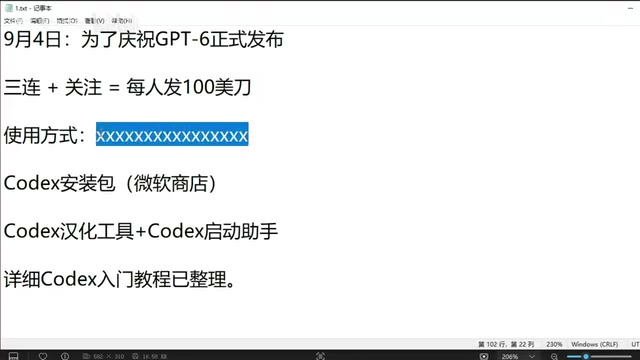
A wave of videos has been circulating on Bilibili and other platforms claiming that "GPT-6 ASTRA has officially launched," luring viewers with promises of "free GPT-6 access" and "$100 credit for everyone." The core steps in these videos boil down to: give the creator a "triple follow" (like, coin, and favorite), then DM them to receive a so-called "$100 conversation code," and finally download a pre-packaged "Codex installer," "Codex Assistant," and "localization tool" — supposedly unlocking access to the latest model for free.
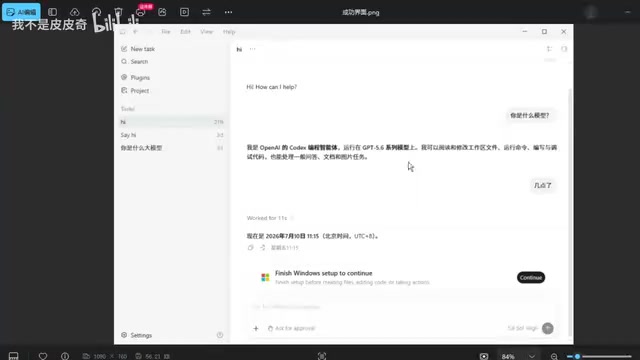
There are glaring red flags throughout. OpenAI has never officially released a product called "GPT-6 Astra," and "Codex" is the name of an existing OpenAI tool focused on code-related tasks — it has nothing to do with any "latest flagship model." Framing a nonexistent release as "just dropped" to manufacture urgency is a textbook tactic in this kind of engagement-bait content.
Breaking Down the '$100 Giveaway' Playbook
Triple Follow + DM for Code: A Classic Engagement Hook
Viewers are asked to "triple follow" the creator before DMing to claim a redemption code. This is a tactic that hard-links a supposed free reward to engagement actions. Legitimate official promotions never require you to "triple follow a creator" as a prerequisite, and they certainly don't distribute "conversation codes" through personal DMs.
Getting You to Install Sketchy 'Assistant' Software
The most alarming part of the video is its push to get users to download a custom-packaged installer from the creator, which includes a "Codex Assistant" and a "localization tool." The video specifically highlights that this "assistant" is meant to "help us bypass OpenAI's account system."
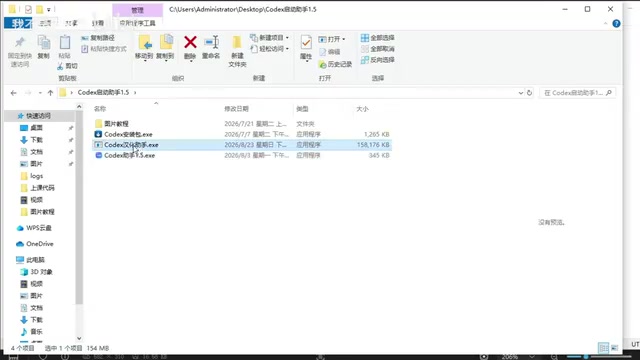
Anything described as "bypassing official account verification" typically implies circumventing normal authorization — and could involve stealing others' API credits, cracking software, or deploying malware. When the video also mentions that if "the assistant won't open" you need to separately install a ".NET" runtime, it further confirms this is a locally executed third-party program. Installing unvetted executables like this carries real risks: data theft, account compromise, and device infection.
Codex is a real OpenAI product launched in 2021, fine-tuned from the GPT-3 series for coding tasks and used to power early versions of GitHub Copilot. However, OpenAI officially discontinued the standalone Codex API in March 2023. Bad actors borrow this legitimate product name to give their fake tools a veneer of credibility — users who've heard of "Codex" are more likely to mistake it for official software. In reality, OpenAI has never released a standalone desktop application called "Codex Assistant," and any installer packaged under that name is entirely third-party with zero official oversight.
The .NET runtime is a legitimate Microsoft application framework, but in scam scenarios like this, it's brought up deliberately to make the installation process look "professional" while providing the environment needed to run malicious software. Asking users to install additional runtime dependencies is a common technique for gradually lowering their guard and completing a full malware deployment.
Why These 'Giveaways' Deserve Deep Skepticism
The Economics of '$100 for Everyone' Don't Add Up
The video claims "everyone can get $100." Think about it for a moment: if someone were genuinely willing to hand $100 in credits to every viewer, their costs would scale linearly with views — there's zero business rationale for that. The far more likely reality is that the redemption codes are either invalid, or they're designed to push users into further actions: authorizing account access, submitting personal information, or downloading software.
Hiding Key Steps in 'Description Links' and 'Image Tutorials'
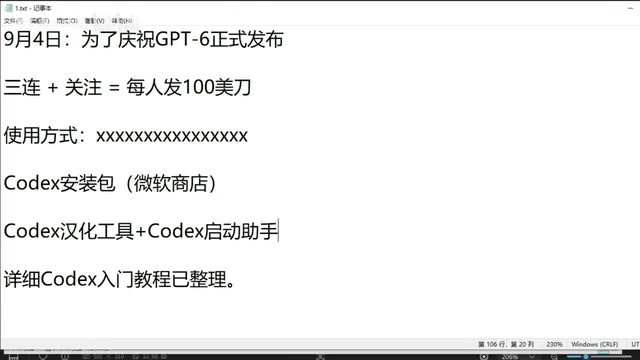
The video repeatedly directs viewers to "check the detailed tutorial below" or "open the bundled image guide," funneling them toward external links and downloadable folders. Offloading critical steps to download links outside the platform is a standard way to evade content moderation while driving downloads. Once a user leaves the platform to follow these steps, they're completely outside its protective reach.
From a technical standpoint, pushing core actions to external platforms creates a clear security boundary issue. Platforms like Bilibili and Douyin apply a degree of security scanning and content moderation to in-platform videos, comments, links, and files. The moment a user clicks an external link to a third-party file-sharing site, downloads a file, and executes it, that action falls entirely outside the platform's security mechanisms. This is precisely the "moderation blind spot" attackers exploit: the video itself stays vague enough to avoid obvious violations, while the actual malicious payload hides in external files the platform cannot inspect. When something goes wrong, users who acted outside the platform have little recourse for reporting or accountability.
How Everyday Users Can Protect Themselves
When you encounter content promising "free access to the latest AI model," keep these principles in mind:
- Stick to official channels: All information about model releases and subscriptions should come from the official websites or apps of companies like OpenAI — never from a creator's "inside source."
- Don't download executables from unknown sources: Especially anything claiming to "bypass account verification," "crack" software, or act as a "localization assistant" — these are prime candidates for bundled trojans or credential stealers.
- Be wary of 'follow first, then get the reward': This is a textbook engagement-farming tactic. Legitimate official promotions never work this way.
- Apply basic logic to 'free money' claims: Offers that defy basic economic sense are almost always bait for a scam or an engagement scheme.
Conclusion
This video uses "GPT-6 Astra officially launched" and "free $100 credit" as clickbait. At its core, it looks far more like a scheme combining engagement farming with potential security threats than any genuine technical tutorial. To date, there is no credible evidence that an official product called "GPT-6 Astra" exists, and no official channel will ever distribute hundred-dollar credits via DMs while asking you to install a third-party tool that "bypasses your account." For AI enthusiasts, staying on top of the latest developments matters — but protecting your accounts, finances, and devices is lesson one when it comes to using AI tools.
Related articles

After GPT-6 Ignites Generative UI, the Next Gap Is Generative Workflow
After GPT-6's Intelligent UI brings Generative UI mainstream, the execution layer beneath the interface matters just as much. This article unpacks Generative Workflow and how FlowX makes agent skills runnable, editable, and evolvable.

I Gave Four AI Coding Agents a $100 Budget Each: Who Could Build a PDF Editor?
A developer gave four AI coding agents a $100 budget each to build a PDF editor. This analysis examines what the experiment reveals about real-world AI coding tool capabilities.

Anthropic's New Policy: Abusing Claude Could Get You Banned
Anthropic reportedly plans a November 2026 policy banning users who "abuse" Claude. We analyze the motivations behind it — from abuse prevention to AI welfare — and what it means for users.