Bob's Burgers' Linda Voice Actor John Roberts: Finishing One Thing Is Happiness
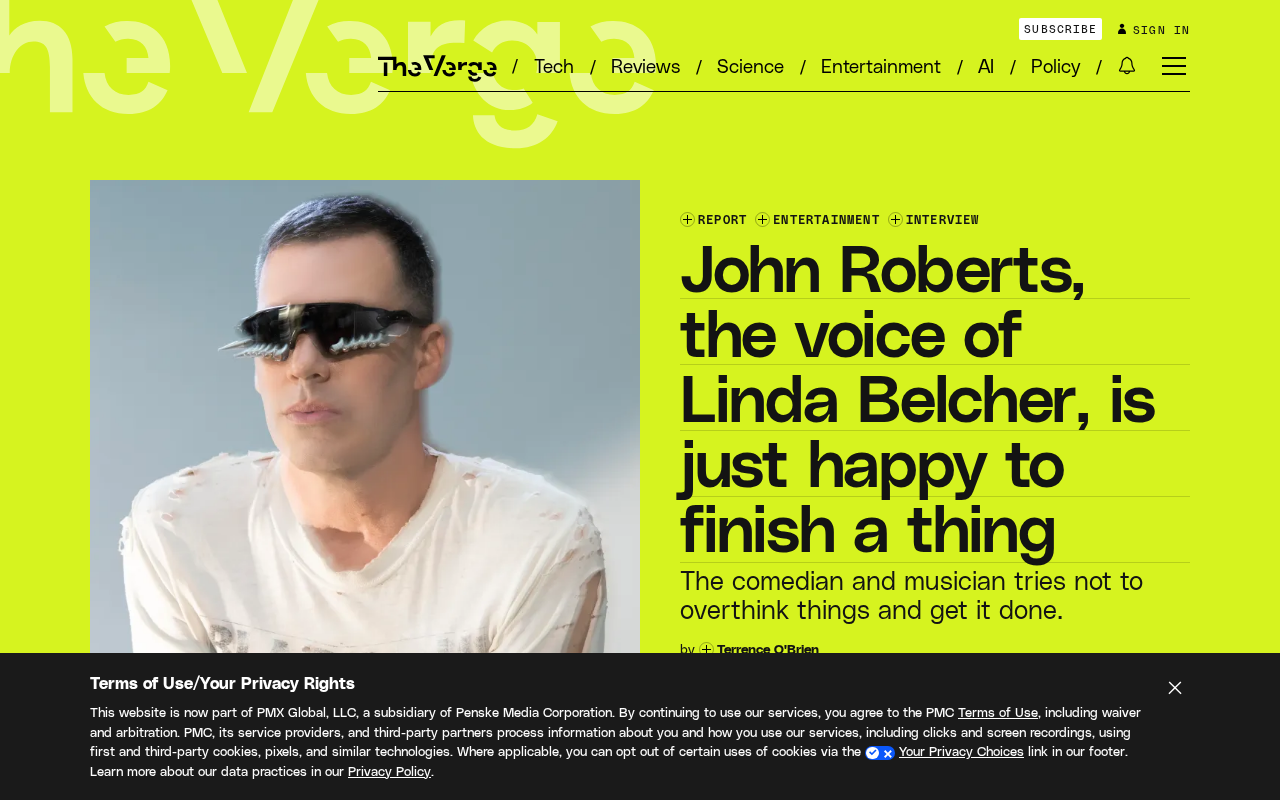
Bob's Burgers voice actor John Roberts embodies the long-termism of long-running animation with his plain professional outlook of "finishing one thing."
This article focuses on the conclusion of Bob's Burgers Season 16 and John Roberts, the voice of Linda Belcher. It points out that beyond scripts and art style, the stability of the voice cast is a key support for this long-running animation to continue for sixteen seasons without decline. Roberts' remark "If I can finish one thing, I'm happy" resonates because it hits the universal emotion of the content industry: long project cycles, slow feedback, and few things truly "finished." He anchors satisfaction in "getting it done" rather than awards or ratings, and this cherishing of certainty is rare in an industry that pursues viral hits and trending topics. The article also emphasizes that comedy is only part of Roberts' life; he needs to handle multiple identities outside the character and find subtle room for variation for the same character within long-term continuity.
In the animated comedy Bob's Burgers, John Roberts, the voice behind Linda Belcher, recently struck a chord with a simple remark: "If I can finish one thing, I'm happy." As the show wraps up its 16th season, this long-running series shows no signs of slowing down. For Roberts, comedy isn't just a job—it's a way of life.
One Voice, Sixteen Seasons of Companionship
Bob's Burgers has just finished airing its 16th season. For an animated series, reaching this stage is no small feat, and it still maintains a steady output of laughs, perfectly timed puns, and that rare, almost pure family-style joy. Linda, voiced by Roberts, is one of the show's soul characters—her slightly raspy, enthusiastic, and often off-kilter voice has become almost the auditory signature of the series.
The attitude Roberts revealed in the interview echoes Linda in a curious way: not chasing grand narratives, but focusing on "finishing what's in front of you." This plain professional outlook seems rare in an industry that pursues viral hits and trending topics.
The "Voice-Bonding" Phenomenon in Animation Voice Acting: In long-running animation, voice actors' voices often become deeply tied to their characters, and audiences' perception of the character relies heavily on vocal continuity. This bonding brings a stable work rhythm while also posing a career risk—other performances by the actor are easily automatically "heard" by audiences as that character. Roberts has voiced Linda for sixteen seasons, and his raspy, enthusiastic voice has become the show's auditory signature, meaning he needs to find subtle variations while maintaining character recognizability to avoid mechanical repetition. This ability to "create difference within continuity" is precisely the core professional skill of voice actors in long-running animation, and it also explains why he anchors his satisfaction in "finishing" rather than "breakthroughs."
Comedy Is Part of Life, Not All of It
The original text mentions that "comedy is just part of Roberts' life." Behind this statement is a voice actor's multiple identities beyond a long-term project. Voicing a long-running animated series means a stable work rhythm, but it also means the voice is deeply tied to the character. Roberts doesn't confine himself to Linda's voice but uses comedy as a perspective that runs through life.
This state is actually worth pondering. Audiences remember the character, but actors need to handle the time outside the character. Maintaining freshness for the same character over a cycle of more than a dozen seasons itself requires the patience of "finishing one thing."
Why "Finishing One Thing" Resonates
Roberts' remark was singled out because it hits a universal emotion. In the content industry, project cycles are long, feedback is slow, and variables are many—truly "finished" things are few. A show that can run for sixteen seasons is backed by countless recording days, script meetings, and production milestones delivered on time.
From this perspective, Roberts' "happiness" isn't a low standard but a cherishing of certainty. He doesn't talk about awards, ratings, or industry status but anchors satisfaction in the act of "getting it done." For those who work long-term in the creative industry, this mindset may be more practical than any motivational rhetoric.
The Hidden Support of Long-Running Animation
Bob's Burgers reaching season 16 without showing decline relies not only on scripts and art style. The stability of the voice cast is one of the key factors in the long-term operation of an animated series. Linda's voice is highly recognizable, and audiences' expectations of her are continuous and specific. Roberts needs to find subtle room for variation within this continuity, neither distorting the character nor letting the performance become mechanical repetition.
This may also be the underlying tone of his mention of "finishing one thing": in a long-term project, every recording is a re-confirmation of the character. Finishing a season means completing a round of such confirmation.
The Industrial Logic of Long-Running Animated Series: Once an American prime-time animated series is renewed, it often rolls out production season by season, with long production cycles and slow feedback chains. Its long-term operation relies on several hidden pillars: a stable voice cast (vocal continuity is brand equity), modular script production (episodic structure reduces narrative burden), and a relatively fixed broadcast schedule. Compared with live-action series, animation is not limited by actors' age, schedules, or appearance changes and can theoretically continue indefinitely—but only if the core voice cast doesn't break. Therefore, the stability of voice actors is not just a bonus but a structural condition for whether a long-running animation can stay "evergreen"—which also gives Roberts' professional attitude of "finishing one thing" an industrial-level significance.
Final Thoughts
John Roberts' remark has no rhetorical packaging, but it accurately describes an underrated professional state: not every project needs to change the world; being able to steadily finish one thing is itself worth celebrating. Bob's Burgers Season 16 has wrapped, and Linda's voice will continue to appear—for Roberts, this is probably the beginning of the next thing after "finishing one thing."
One-line Summary
Bob's Burgers voice actor John Roberts embodies the long-termism of long-running animation with his plain professional outlook of "finishing one thing."
Paragraph Summary
This article focuses on the conclusion of Bob's Burgers Season 16 and John Roberts, the voice of Linda Belcher. It points out that beyond scripts and art style, the stability of the voice cast is a key support for this long-running animation to continue for sixteen seasons without decline. Roberts' remark "If I can finish one thing, I'm happy" resonates because it hits the universal emotion of the content industry: long project cycles, slow feedback, and few things truly "finished." He anchors satisfaction in "getting it done" rather than awards or ratings, and this cherishing of certainty is rare in an industry that pursues viral hits and trending topics. The article also emphasizes that comedy is only part of Roberts' life; he needs to handle multiple identities outside the character and find subtle room for variation for the same character within long-term continuity.
Related articles
Watching Movies in the Terminal: Building an SSH Streaming Service with Codex Multi-Agent Workflow
A creator uses Codex multi-agent workflow to build an SSH-accessible streaming service in the terminal, with planning, cloud async dev, AI-drawn scenes, and synced live channels.

AI Face Licensing: A New Micro-Drama Trend or a Hollywood Trap?
Actors are licensing their faces to micro-drama startups for AI digital doubles to perform. Popular in China, the model raises concerns in Hollywood over lost control and diluted bargaining power.
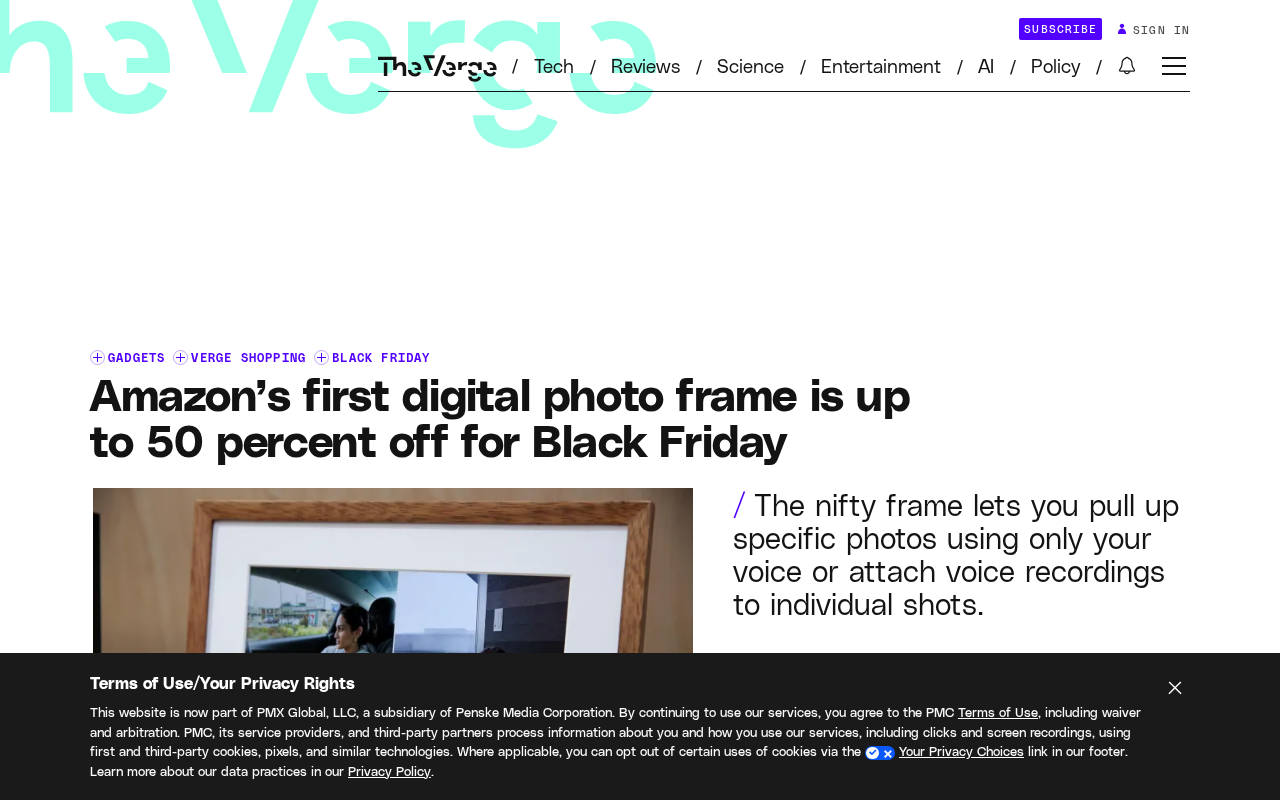
Amazon's First Digital Photo Frame Is 50% Off for Black Friday: Is the Alexa Frame Worth Buying?
Amazon's first digital photo frame, the Alexa Photo Frame, is nearly 50% off for Black Friday, with prices starting at $114. We analyze why this new product dropped in price just one month after launch, its positioning, who it's for, and buying advice.