Bose QuietComfort Headphones at Half Price: Just $169.99, the Best Time to Buy

Bose first-gen QuietComfort drops to $169.99, matching its historical low—a great time to buy.
Bose's first-generation QuietComfort headphones are now $169.99 across Amazon, Best Buy, and Bose.com—$190 off the original price, a discount of over 50% that matches the historical low. The direct reason is the second generation's August launch, but the second gen is also being discounted, suggesting Bose is pushing prices down across the entire line to counter pressure from Sony and Apple. The first gen's ANC remains top-tier, and at $169.99 its value enters the mid-range bracket. The article advises: if you just want top-tier noise cancellation at low cost, the first gen is almost a no-brainer; if you care about newer connection protocols and multipoint, watch the second gen's actual discount. Multi-channel price parity signals a brand-led formal price adjustment, but note two risks: declining resale value and an unclear promotion end date.

The price war in the noise-cancelling headphone market is accelerating. The first-generation Bose QuietComfort headphones are now discounted to $169.99 simultaneously on Amazon, Best Buy, and the official Bose website—a $190 drop from the original price, a discount of over fifty percent. This price has matched the product's historical low, and for consumers who have been holding off, this window is worth watching.
The Product Line Logic Behind the Price Cut
Bose's pricing strategy for the QuietComfort series is undergoing a clear round of adjustment. The direct reason for the steep discount on the first-generation QuietComfort headphones is that the second-generation product launched in August, and clearing inventory during a generational transition is standard practice. But a discount of more than fifty percent is still rare—this suggests Bose is facing increasing competitive pressure in the noise-cancelling headphone segment.
According to The Verge, the second-generation QuietComfort headphones are also being discounted. This means Bose isn't simply clearing out old inventory, but pushing prices down across the entire QuietComfort product line to counter pressure from brands like Sony and Apple.
Core Selling Point: Noise Cancellation Remains Top-Tier
The first-generation Bose QuietComfort headphones were rated by The Verge as "one of the best noise-cancelling headphones you can buy." Even with the second generation already on the market, the first generation's active noise cancellation (ANC) performance remains among the industry's best. For users whose primary use cases are commuting, office work, and long-haul flights, noise cancellation is the highest-weighted factor in the purchase decision, and this product doesn't feel outdated in that dimension just because a new generation has arrived.
In terms of positioning, the QuietComfort series has always been Bose's volume driver, balancing noise cancellation performance with wearing comfort. At $169.99, this product falls into the mid-range noise-cancelling headphone price bracket, making its value proposition very compelling.
Active noise cancellation (ANC) technology uses microphones on the headphones to capture ambient noise, and an internal chip generates sound waves with opposite phase in real time to cancel it out. It is most effective against the low-to-mid-frequency steady noise that human ears are most sensitive to (such as airplane engines, subway rumble, and air conditioning hum), while its handling of high-frequency sudden noises is relatively limited. Noise cancellation depth is usually measured in decibels, but manufacturers' rated values are often based on specific test conditions, and real-world experience is also affected by fit seal and ear cup adhesion. This is why the same pair of headphones can feel different in noise cancellation on different users' heads—when buying, wearing comfort and ear cup seal deserve equal attention.
Buy the New Model or Snap Up the Old One?
This is the most practical decision question right now. The second-generation QuietComfort headphones also saw price cuts after launching in August, but the specific discount was not disclosed in the original article. Based on the general pattern of product iteration, the second generation typically improves peripheral features like battery life, connection stability, or call noise cancellation, while core ANC capability often sees limited gains.
If your need is "get top-tier noise cancellation at the lowest possible price," the first generation at $169.99 is almost a no-brainer. If you have clear needs for the latest connection protocols, multipoint connection stability, and similar features, you can watch the second generation's actual discount before deciding.
In headphone product iterations, manufacturers often adopt a strategy of "carrying over the core platform while upgrading peripheral features." Second-generation products often improve Bluetooth version, multipoint connection, call microphone arrays, battery life, and fast charging, while the acoustic unit and noise cancellation algorithm platform may be carried over or only slightly optimized. This means the gap between two generations in core sound quality and noise cancellation is usually smaller than the price gap. To judge whether it's worth paying a premium for the new model, weigh it by "how much the added features cover your actual scenarios": for example, users who frequently switch between phone and computer will find improved multipoint connection stability more valuable.
Channel Consistency Lowers the Purchase Barrier
One detail worth noting: this promotion is running simultaneously across Amazon, Best Buy, and the official Bose website, with completely identical prices. Multi-channel price parity means consumers don't need to spend time comparison shopping, and it reduces the anxiety of "buying right before a price drop"—price protection policies across channels are relatively uniform. This kind of synchronized cross-channel promotion also typically indicates a formal price adjustment led by the brand, rather than a limited-time clearance by a single retailer.
For domestic consumers, the price parity situation for overseas or cross-border channels needs separate confirmation, but the $169.99 benchmark price can already serve as a reference for negotiation.
Major U.S. retailers generally have price match policies: after purchase, if the product's price drops on a comparable channel within a certain number of days, consumers can request a refund of the difference. Brand-led synchronized cross-channel price adjustments usually make price protection claims smoother, because the price benchmarks across channels are consistent, making "someone else is cheaper" disputes less likely. Cross-border buyers should note that warranties are usually honored according to the place of purchase, and the cost and timeline for shipping repairs are longer—these hidden costs should be factored into the actual purchase price.
Buying Advice and Risk Warnings
The historical low for this headphone is $169.99, meaning the current price has bottomed out and there's limited room for further decline in the short term. But two things are worth noting: first, if the second-generation product drops further later, the first generation's resale value will decline faster; second, promotions usually have time limits, and the original article did not provide a clear end date.
Overall, this is a typical pricing opportunity at the end of a product lifecycle. For users who need noise cancellation and aren't attached to "the latest model," now is a relatively ideal entry point.
Related articles
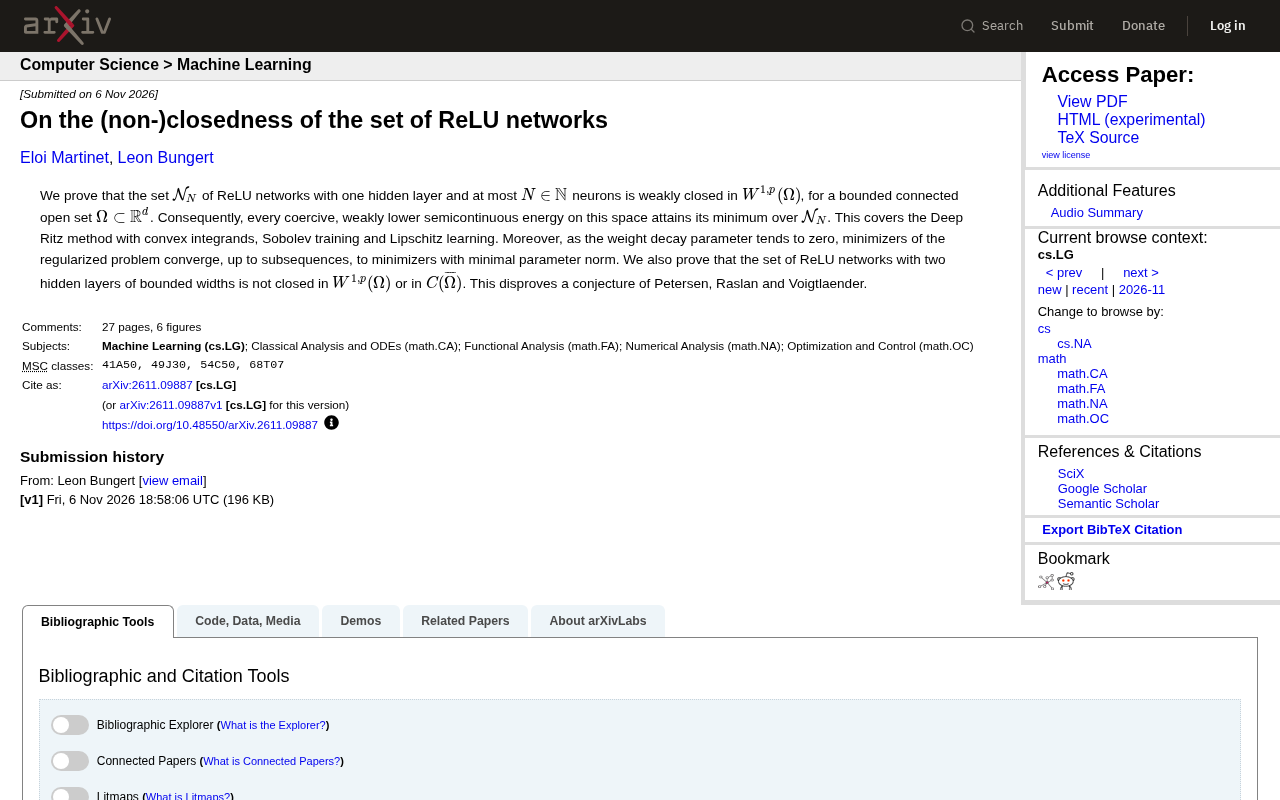
A New Proof on the Closedness of ReLU Network Sets: Single Hidden Layer is Weakly Closed, Two Hidden Layers is Not Closed
New research proves single-hidden-layer ReLU network sets are weakly closed in W^{1,p}, ensuring existence of solutions for Deep Ritz and similar methods; two-hidden-layer network sets are not closed, refuting an existing conjecture.
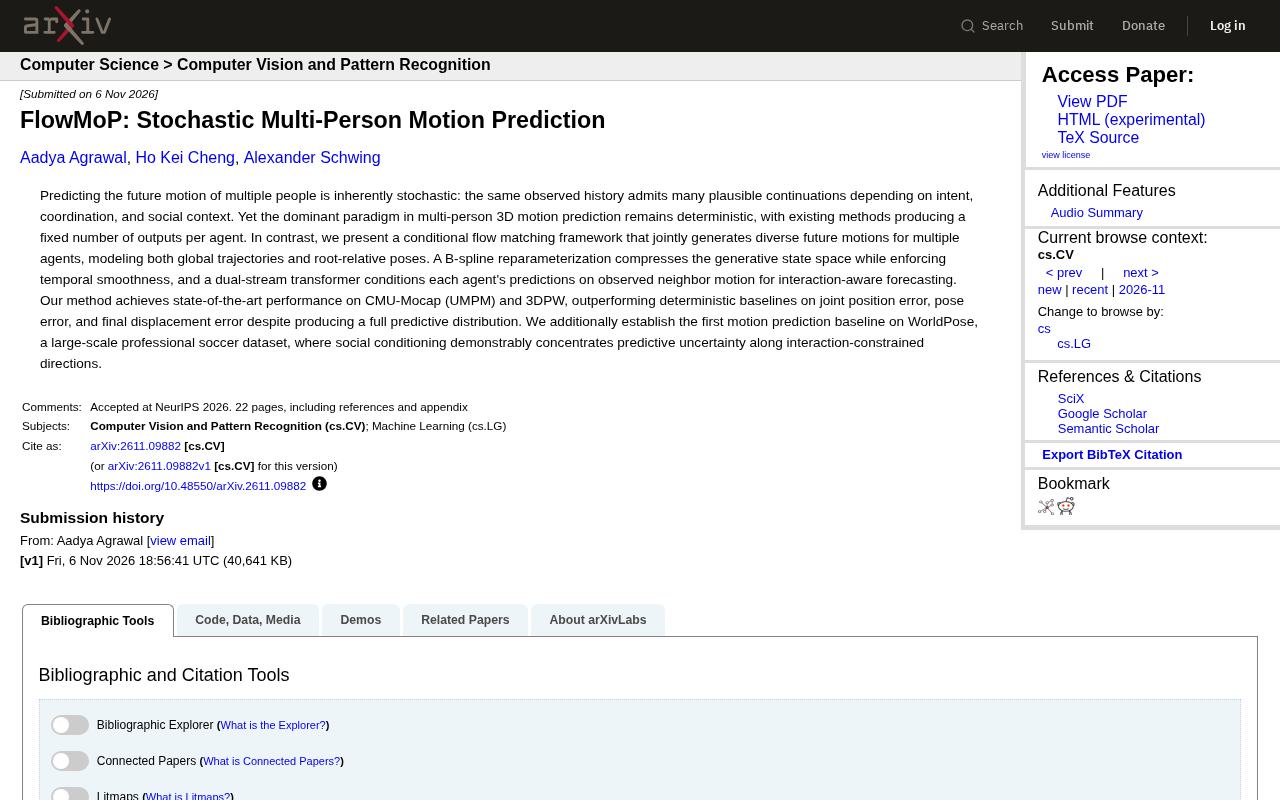
FlowMoP: A New Framework for Stochastic Multi-Person Motion Prediction
FlowMoP introduces a conditional flow matching framework that jointly generates diverse future motions for multiple agents, using B-spline reparameterization and a dual-stream Transformer for interaction-aware prediction. It outperforms deterministic baselines on CMU-Mocap and 3DPW and establishes the first motion prediction baseline on WorldPose.
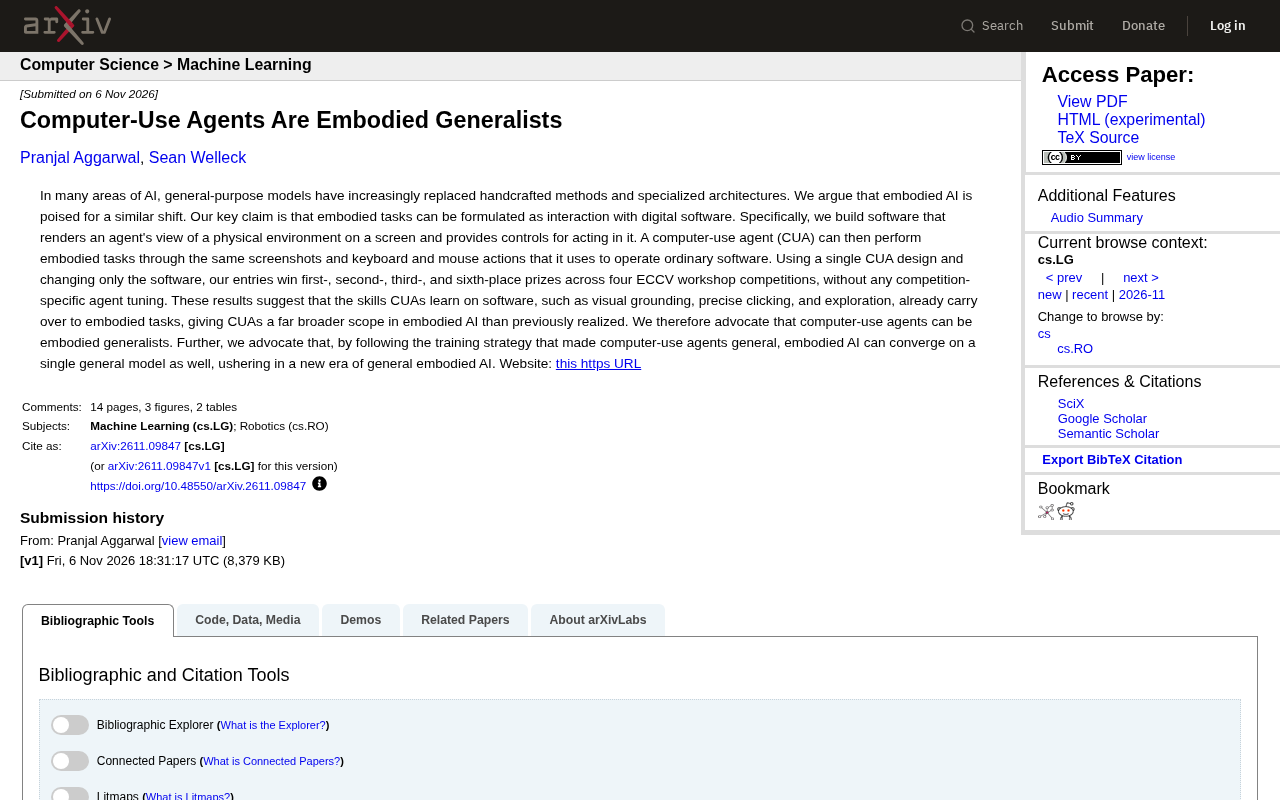
Computer-Using Agents: A New General-Purpose Paradigm for Embodied AI
ECCV workshop competitions show computer-using agents (CUAs) can win multiple contests by turning embodied tasks into software interaction, without specialized tuning—revealing their potential as embodied generalists and a new path to general embodied AI.