Can 'Your Mother' Make Us Forget Marvel's Blade Disaster?
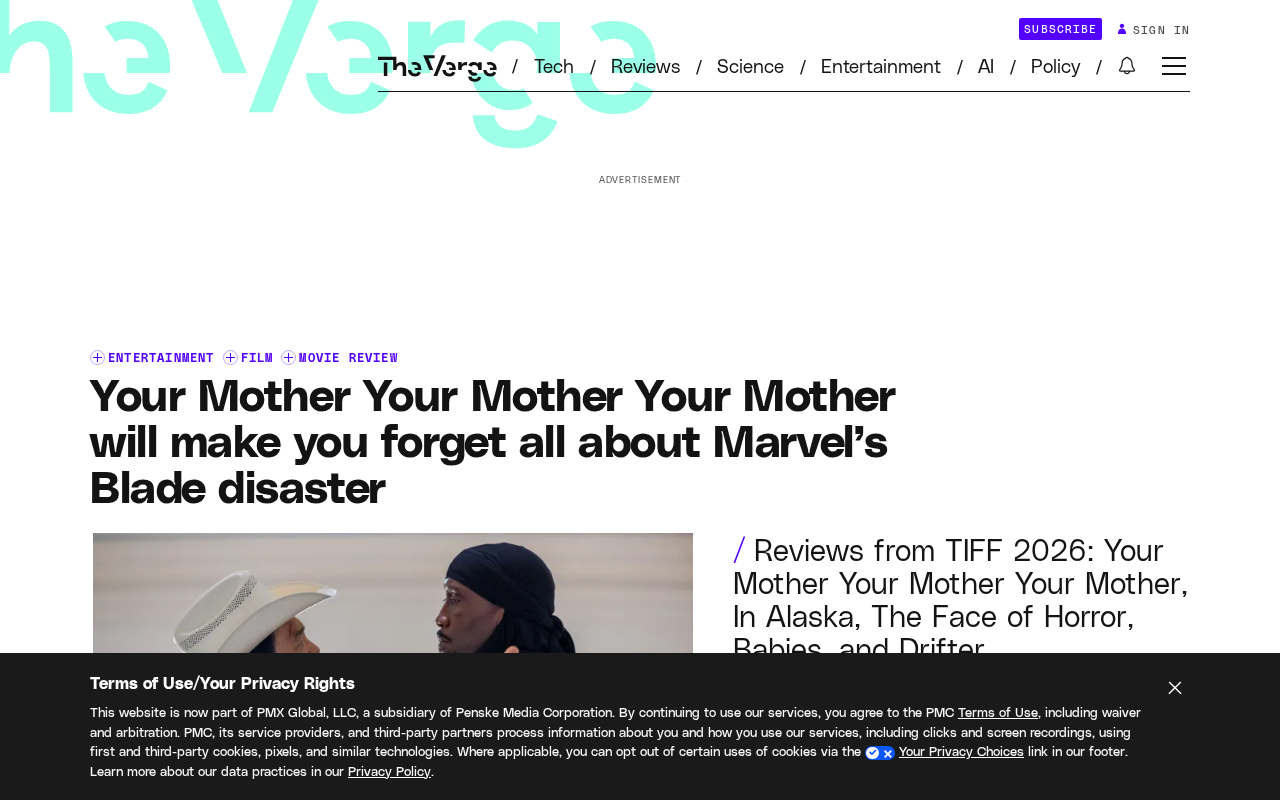
Marvel's Blade reboot imploded through mismanagement, but the author argues the shelving may actually be a blessing in disguise.
Marvel's Blade reboot assembled Oscar winner Mahershala Ali and rising director Bassam Tariq, only to collapse under repeated script rewrites, a director's exit, and production gridlock — widely regarded as one of the studio's worst recent management failures. Yet the author offers a counterintuitive take: in hindsight, the shelving may not be a bad thing. Using 'Your Mother' as a point of contrast, the piece suggests a more vital new project can fill the void Marvel left and redirect audience attention entirely. The case ultimately exposes a deeper truth about large IP factories: stacking top-tier resources is no guarantee of success without creative stability and execution consistency.
Marvel's handling of the Blade reboot will likely go down as one of the studio's biggest missteps. A powerhouse actor was already on board — Mahershala Ali cast as the vampire hunter — and a promising director, Bassam Tariq, had been lined up to helm the project. Yet looking back, the disappointing shelving of Blade may not be as bad a thing as it once seemed.
The Troubled Road of Marvel's Blade Reboot
The rocky journey of the Blade reboot has become something of a symbol for Marvel's project management struggles in recent years. From casting to director changes, the project initially carried sky-high expectations: Mahershala Ali, a two-time Oscar winner, was seen as the ideal successor to Wesley Snipes, while director Bassam Tariq brought a creative perspective that generated genuine excitement.
However, after repeated script rewrites, a director's departure, and continual production delays, the project ultimately stalled. By most accounts, Marvel's "mishandling" of Blade is poised to rank among the studio's greatest historical blunders. This isn't just the failure of a single film — it reflects deeper challenges that major studios face in managing IP and maintaining creative direction.
A Different Perspective: Maybe Failure Isn't So Bad
Interestingly, the original article doesn't simply stop at criticism. The author introduces a thought-provoking twist: in hindsight, the shelving of Blade "may not be such a bad thing after all."
The logic here is worth unpacking. When a highly anticipated project collapses in chaos, audiences and critics tend to redirect their attention toward other, more energetic works. The film referenced in the headline — Your Mother — is positioned by the author as a point of contrast: in a sense, it becomes the alternative capable of making people "forget" Marvel's failure. This narrative device is hardly unusual in entertainment criticism — using the highlights of a new work to throw the shortcomings of another project into sharper relief.
A Note on Source Limitations
It's worth being transparent: the source material for this article is quite limited. The original text cuts off at a critical point (ending with "[…]"), and specific details about Your Mother itself — whether it's a film, a series, or another format, along with its creators, plot, and reception — are simply not provided.
As a result, this piece can only work within the known context of the Blade reboot and the core narrative framework the author establishes through contrast. Any substantive commentary on Your Mother is beyond what the available material supports. Readers interested in Marvel's IP developments or this new title are encouraged to follow more complete reporting as it becomes available.
What This Tells Us
Setting aside the specific projects, this story reflects a perspective common to entertainment industry reporting: audience attention is fluid. When a big-budget production fails due to poor decision-making, that market space is quickly filled by content with stronger momentum and buzz. As the dominant player in the superhero IP space, Marvel's every misstep gets placed under a magnifying glass — and competitors or newcomers may find themselves well-positioned to capitalize.
The Blade case is a reminder to the industry: having top-tier talent and a promising director is not enough to guarantee a project's success. Stability of creative vision, continuity in the production process, and genuine respect for what makes an IP compelling are equally essential.
Related articles
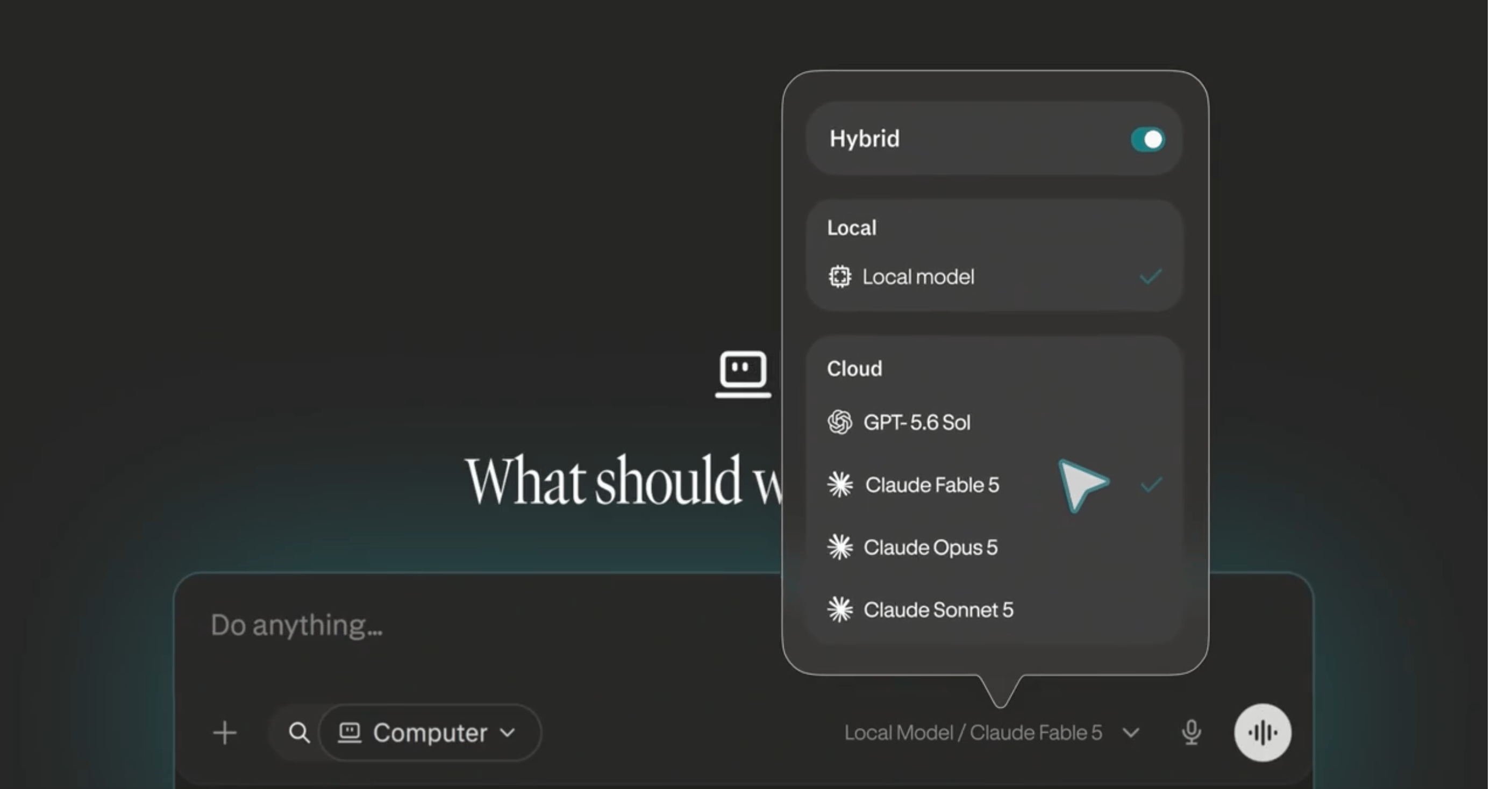
Perplexity Hybrid Compute: Cloud Research, Local Mac Privacy Protection
Perplexity's Hybrid Compute splits AI tasks by data sensitivity: cloud handles research, local Mac handles private files. Requires Apple Silicon, 24GB RAM, Pro/Max/Enterprise plan.
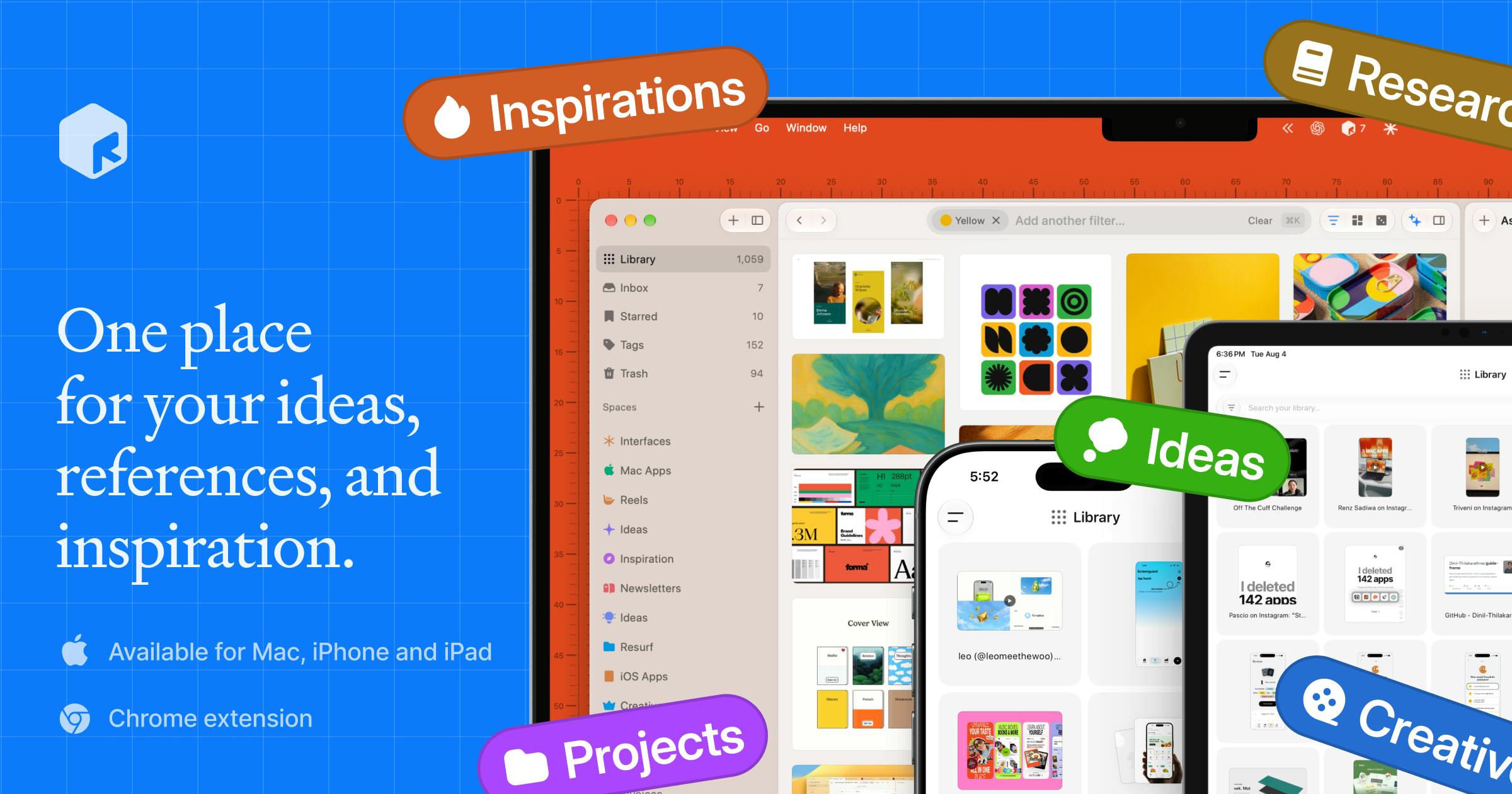
Resurf: The Personal Context Manager That Feeds Your Data to AI
Resurf is a personal context app for Apple devices that saves notes, links, images, and PDFs, then feeds them to AI via MCP and CLI. Local storage with iCloud sync keeps your data private.
Cognition Launches SWE-2 Coding Model: Near Top-Tier Performance at 64% Lower Cost
Cognition releases SWE-2, a coding model post-trained on Kimi K3 with RL. Scores 50% on FrontierCode, nearly matching Fable 5.1 at 64% lower cost and 1/4 the price of GPT-6 Astra.