Captain Kill Switch: The Minimalist One-Click App Closer
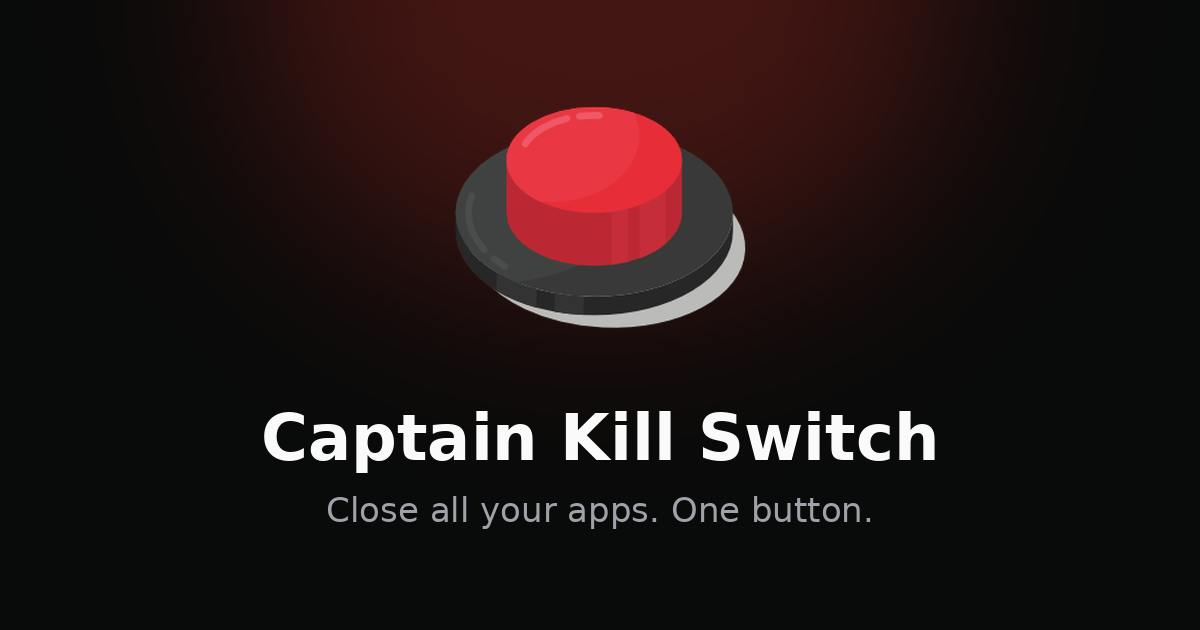
A free, open source menu bar button that closes all running apps with a single click.
Captain Kill Switch is a minimalist menu bar utility by developer Simon Crean, available free and open source on macOS, Windows, and Linux. Its sole function: click the menu bar button to instantly close all running apps and clear your desktop. It targets the gap left by mainstream operating systems that lack a native "quit all" option, making it ideal for users who need to quickly switch contexts, record screens, or set up screen shares. Its open source nature allows public code auditing, addressing trust concerns around a tool with system-level permissions. However, the one-click close approach carries misfire risks, and whether it includes whitelist or confirmation safeguards remains unclear.
In a multitasking work environment, a desktop cluttered with a dozen open apps is often an invisible drain on productivity. Whether you're starting a new task, recording a screen demo, or simply giving your computer a breather, you typically have to close apps one by one — a tedious process that Captain Kill Switch aims to eliminate.
This Product Hunt-featured tool, built by developer Simon Crean, operates on an admirably restrained premise: a quiet button sitting in your menu bar that, when clicked, instantly closes all running applications and hands you back a clean desktop. It currently has 67 upvotes on Product Hunt, ranking 15th, supports macOS, Windows, and Linux, and is completely free and open source.
A Real Pain Point, Solved with One Button
Modern operating systems have never offered a native "quit all" entry point. macOS's Force Quit window requires selecting apps individually, Windows Task Manager is cumbersome to navigate, and Linux distributions each have their own approach. For anyone who frequently switches between different work contexts, this fragmented experience is genuinely frustrating.
Captain Kill Switch compresses all of that into a single click. Whether you're preparing a screen recording, setting up for an important meeting's screen share, or just want to clear all distractions during a lunch break, the menu bar button clears everything instantly. It's not meant to replace your system's process management — it fills the gap where a "reset to zero" option simply doesn't exist.
Privacy and Open Source: A Bonus for a Lightweight Tool
The product page emphasizes three key attributes: Free, Private, and Cross-platform. In an era where menu bar utilities are everywhere and many free apps quietly collect data, the "Private" claim deserves attention.
As an open source project listed under the GitHub category, Captain Kill Switch's code is theoretically auditable, meaning users don't have to worry about it logging usage behavior or uploading data in the background. For a tool that requires system-level permissions (closing other apps), open source transparency is a crucial foundation for trust. Its cross-platform support also sets it apart from the many menu bar tools that target macOS exclusively — Windows and Linux users get to benefit too.
The core value of open source software lies in the public auditability of its code. Anyone can read the source to verify what the program actually does and confirm it only does what it claims. This is especially critical for tools that require system-level permissions — the ability to close other applications overlaps technically with the permissions malicious software would need to forcibly terminate processes. As the world's largest open source code hosting platform, GitHub provides version history, code diff tracking, and community review mechanisms, making it difficult for quietly introduced data-collection code to remain hidden for long. For everyday users who can't review code themselves, the active community and issue discussions around open source projects usually offer indirect trust signals.
The Trade-offs of Minimalist Philosophy
From its feature description, Captain Kill Switch follows a "do one thing well" philosophy. There's no flashy interface, no complex configuration options — even the product description is just a handful of words. This kind of minimalism has always had its advocates in the productivity tools space: the lighter the tool, the lower the learning curve and the less friction to use it.
That said, one-click app closing carries obvious risks: unsaved documents, ongoing downloads, and important background tasks could all be interrupted by an accidental tap. Ideally, a tool like this should offer an exclusion list (whitelist) or a confirmation dialog to prevent accidental data loss. Based on publicly available information, it's unclear whether the product includes these protections — something worth checking before you dive in.
Whitelist (exclusion list) functionality is a common safety design in similar process management tools, allowing users to designate certain apps — like password managers, system monitors, or active file downloaders — to be exempt from the one-click close action. A confirmation dialog provides another layer of protection by forcing users to acknowledge their intent before proceeding, reducing the risk of accidental triggers. Some operating systems automatically prompt "do you want to save?" when apps quit, but this depends on each app's own implementation and isn't a system-level guarantee — a forced one-click close often bypasses this mechanism entirely, terminating processes directly and causing unsaved work to be lost. This is the core tension that tools like this must navigate between minimalist design and safety guardrails.
Is It Worth Trying?
For users whose desktops are frequently chaotic and who often need to "reset their work rhythm," Captain Kill Switch is a near-zero-cost addition to their toolkit. It's free, open source, cross-platform, and after installation it stays out of your way, appearing only when you need it.
That said, it addresses a relatively niche — though genuinely real — need. If your workflow is already tidy or you prefer keeping apps running in the background, its value diminishes significantly. As a community-driven utility, its greater significance may lie in what it represents: the indie developer mindset of using the smallest possible product to solve the most specific possible problem.
Related articles
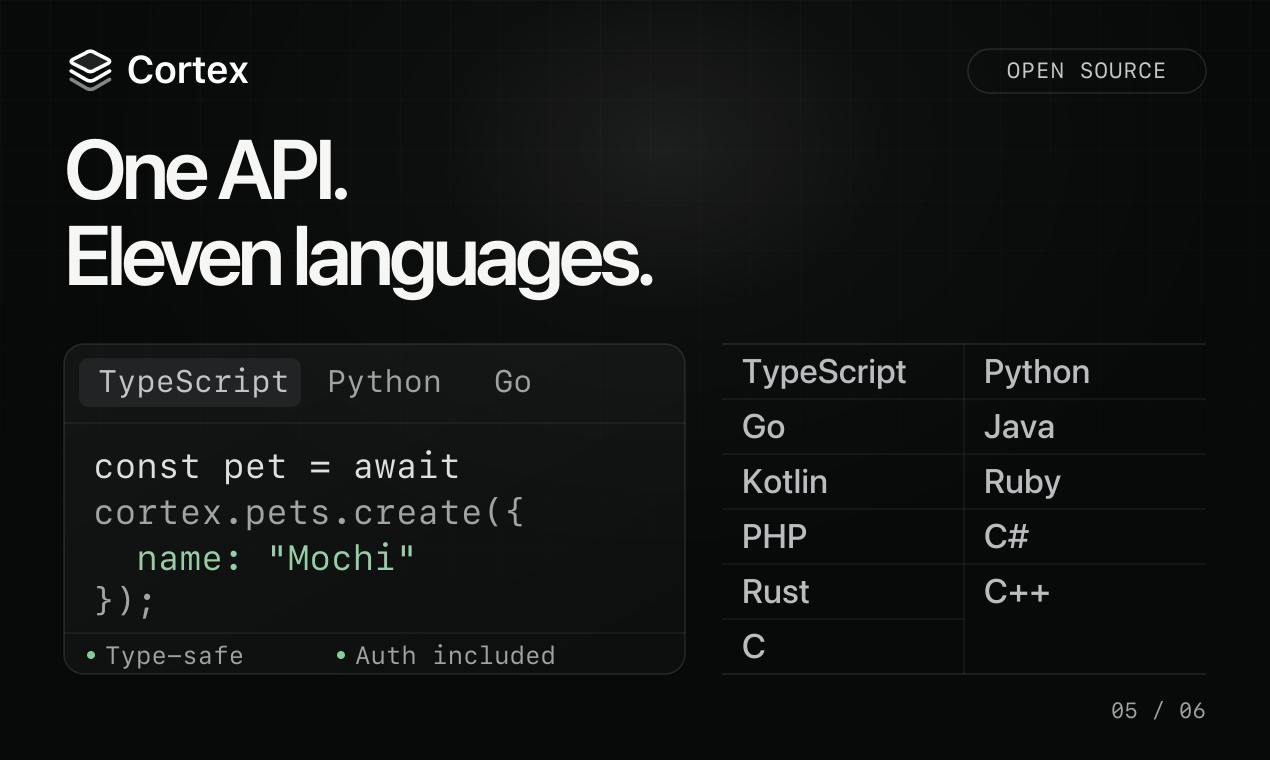
Cortex: Convert API Specs into Docs, SDKs, and MCP Servers in One Click
Cortex is an open-source tool that converts OpenAPI, GraphQL, gRPC and more into interactive docs, typed SDKs in 11 languages, and MCP servers for AI agents.
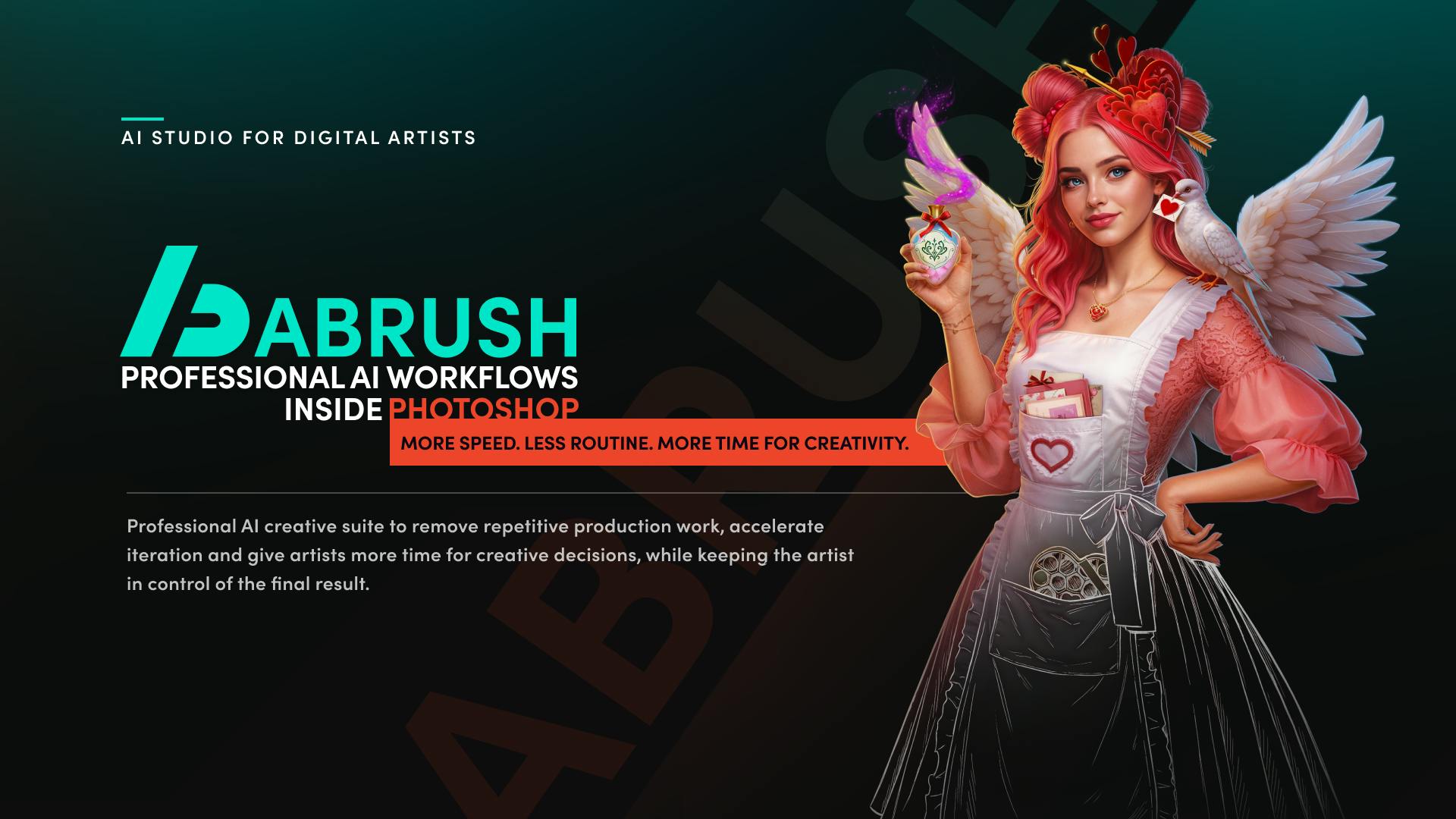
ABrush: An AI Studio Built for Digital Artists
ABrush is an AI studio for digital artists, ranked #4 on Product Hunt. It embeds leading AI models into existing workflows to remove repetitive tasks, speed up iteration, and keep artists in control.
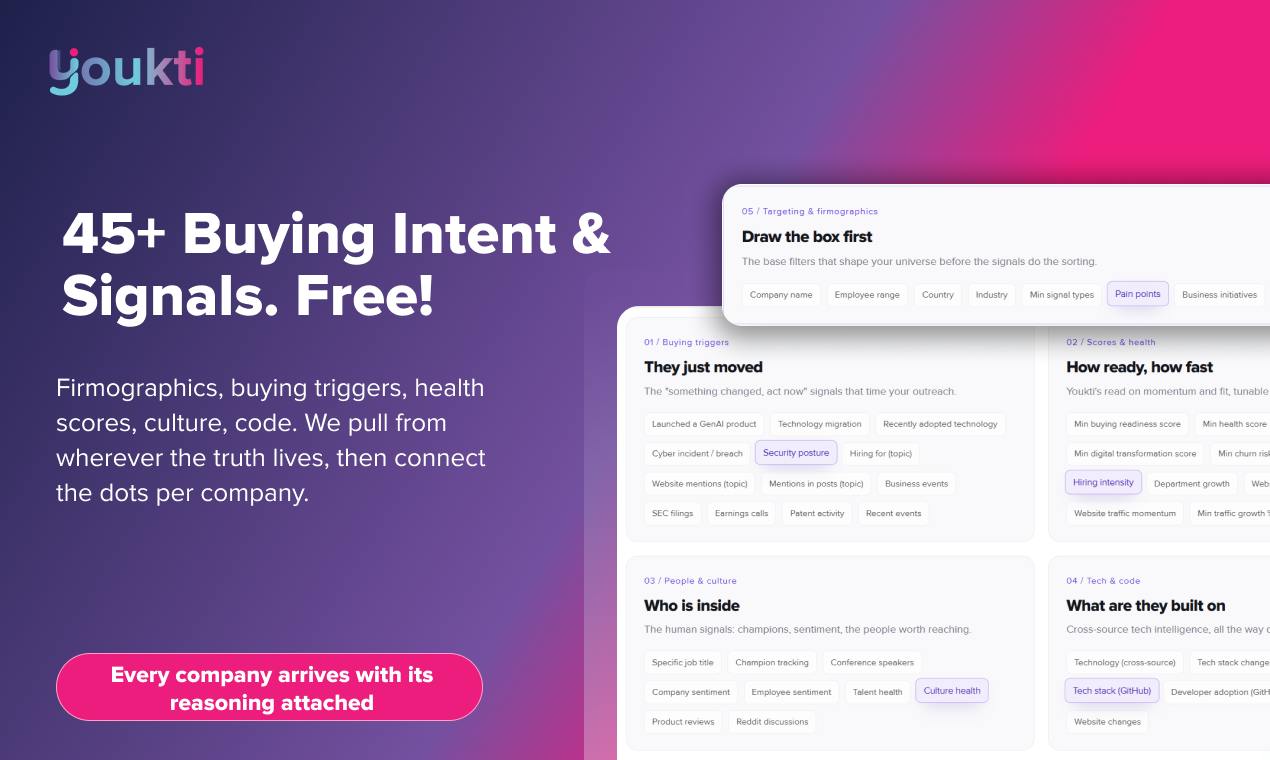
Youkti: An AI That Remembers Every Deal and Tells Your Sales Team What to Do Next
Youkti is an AI sales assistant that hit #2 on Product Hunt. It remembers every account, conversation, and deal — then tells your team exactly what to do next. Contact data, buying signals, and intent data are all free.