Clipnote: An AI Conversation Persistence Tool That Keeps Your Ideas from Vanishing with Your Tabs
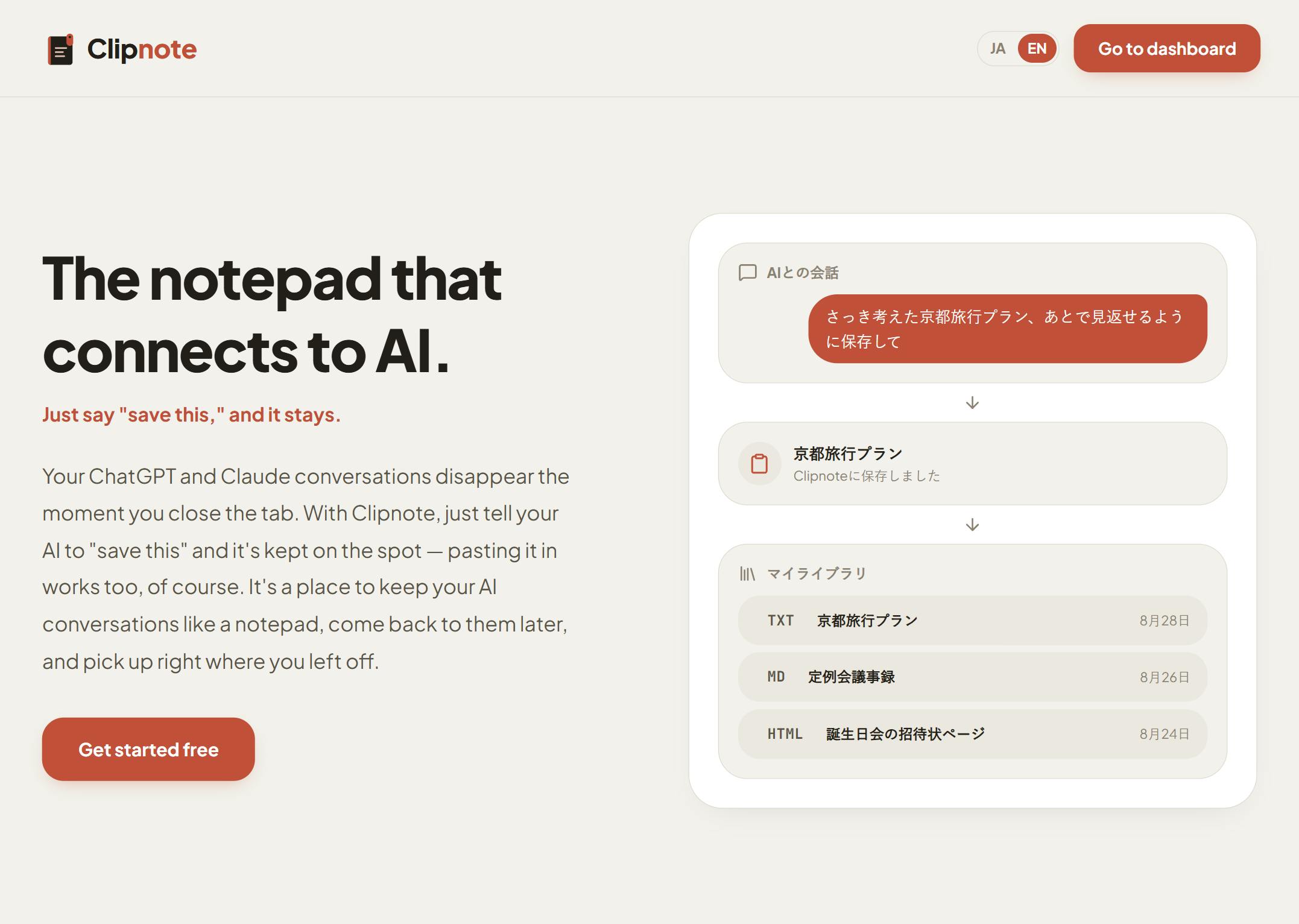
Clipnote lets you save AI conversations with one command so they persist after closing tabs.
Clipnote is a lightweight AI conversation persistence tool that lets users save ChatGPT, Claude, and other AI chats with a simple "save this" command or paste. Launched on Product Hunt by developer Okumura Daichi, it reached #8 on the daily leaderboard with 93 upvotes. It addresses cross-platform conversation fragmentation and the risk of losing valuable AI interactions, positioning itself as a neutral archival layer for AI-generated knowledge.
The Ephemeral Nature of AI Conversations: An Underestimated, High-Frequency Pain Point
Have you ever had this experience: you're in the middle of a deep brainstorming session with ChatGPT or Claude, you've just landed on an incredibly valuable idea, and then you accidentally close the browser tab — and the entire conversation is gone. It's a frustrating moment that nearly every heavy AI user has encountered.
Background on ChatGPT and Claude: ChatGPT is a conversational AI system launched by OpenAI in November 2022, built on the GPT (Generative Pre-trained Transformer) large language model. Trained on massive amounts of text data, it can understand natural language and generate coherent responses. Claude, developed by Anthropic, is an AI assistant that emphasizes safety and controllability, using Constitutional AI techniques to ensure outputs align with human values. These two tools represent the current state of the art in conversational AI, but they share a common problem: conversation data is stored separately on each platform, leaving users unable to manage these valuable interaction records across platforms in a unified way.
A new tool that recently launched on Product Hunt, Clipnote, targets this seemingly minor yet extremely frequent pain point.
About Product Hunt: Product Hunt is the world's largest community platform for discovering new products. Founded in 2013, it's often called the "Oscars of tech products." Hundreds of new products launch there every day and are ranked through a community upvote mechanism. Products are organized by daily, weekly, and monthly leaderboards. Making it into the top 10 of the daily leaderboard signals strong early-user validation in terms of functionality, design, or problem-solving, and typically brings significant traffic and user growth.
Shortly after launch, Clipnote earned 93 upvotes and 6 comments, reaching #8 on the daily leaderboard under the "Productivity" and "Artificial Intelligence" categories. Built by developer Okumura Daichi, its core concept is simple and clear: a persistent notepad for AI conversations.
A Note on Data Persistence: Persistence refers to the process of moving data from volatile storage (like memory or temporary browser cache) to durable storage (like databases or file systems). AI conversations in browser tabs typically exist only in session-level temporary storage — close the tab or clear the cache, and they're gone. Clipnote needs to implement a real-time capture mechanism, potentially through a browser extension that monitors page content, API interception of requests and responses, or by requiring users to manually trigger a save action.
Clipnote: Core Features Breakdown
One-Line Save Mechanism
Clipnote's tagline cuts straight to the point — "Save your AI conversations so they persist after closing tab."
The workflow is designed to be extremely lightweight. According to the official description, users don't need any complex operations. While chatting with an AI, you can simply tell the AI "save this" and the content is saved in real time. If you prefer manual control, pasting the conversation works just as well.
In short, Clipnote positions itself as a "dedicated notepad for AI conversations": users can come back anytime to review and browse past conversations, picking up seamlessly where they left off.
The Real Problems It Solves
While mainstream AI chat tools generally offer history features, they come with real-world pain points:
- Cross-platform fragmentation: ChatGPT history lives on OpenAI, Claude history lives on Anthropic — there's no unified management
- Difficult retrieval: As conversation volume grows, finding specific content becomes like searching for a needle in a haystack
- Ephemeral sessions: Conversations in incognito mode, temporary sessions, or third-party tools vanish the moment you close the window
Clipnote aims to be a neutral, cross-tool conversation archival layer, consolidating AI thinking outputs scattered across platforms into a single location.
The Underlying Logic Behind the Rise of AI Conversation Management Tools
From One-Off Queries to Knowledge Assets
As people increasingly rely on AI for writing, coding, research, and decision-making, AI conversations are evolving from "one-off queries" into "reusable knowledge assets." A carefully tuned prompt, a deep technical discussion, a plan drafted with AI assistance — the value of these often only becomes apparent after the conversation ends.
Prompt Engineering Explained: A prompt is the instruction or question a user inputs when interacting with an AI. Prompt engineering is the practice of carefully designing prompts to optimize AI output quality. A good prompt might include role definitions, task descriptions, output format requirements, and examples. For instance, "You are a senior editor. Please rewrite the following text in news article format while maintaining objectivity" performs far better than a simple "rewrite this." As AI applications deepen, many professional users invest significant time tuning their prompts, and these validated prompt templates are inherently valuable for reuse — making proper preservation essential.
This has given rise to the entire "AI conversation management" tool category — how to save, organize, search, and reuse this content is becoming a critical part of AI workflows. Clipnote's early traction suggests this need is already widespread enough.
A Minimalist Design Philosophy
What's noteworthy is that Clipnote doesn't try to build a feature-heavy knowledge base system. Instead, it opts for extreme simplicity: one "save this" command, or one paste. This "zero learning curve" design lowers the barrier to entry and aligns with the current trend toward "small and beautiful" utility tools.
Comparison with Knowledge Base Tools: Notion is a popular collaborative document and project management tool offering databases, kanban boards, calendars, and more — powerful but with a steep learning curve. Obsidian is a local-first, Markdown-based note-taking app that emphasizes bidirectional linking and knowledge graphs, suited for building personal knowledge management (PKM) systems. Both are "heavyweight" tools that require users to invest time learning and building information architecture.
For average users, what they need might not be yet another bulky Notion or Obsidian, but rather a quick-capture tool that catches AI-generated inspiration on the fly. Clipnote's minimalist strategy doesn't try to be an all-purpose knowledge base. Instead, it focuses on solving the single problem of saving AI conversations — embodying the "less is more" philosophy in tool design.
Product Value and Potential Challenges
Core Value Propositions
- Filling gaps left by official tools: Providing a unified archiving entry point for cross-platform AI users
- Reducing friction: Natural language saving without switching apps
- Knowledge accumulation: Transforming ephemeral conversations into retrievable reference material
Questions Worth Watching
As an early-stage product, Clipnote also faces real challenges:
- Save mechanism reliability: How to ensure the "save this" command is accurately recognized and executed
- Privacy and security: AI conversations often contain sensitive information, making the security of third-party storage critically important
Data Security Considerations: AI conversations frequently contain personal information, business secrets, or sensitive thoughts, and third-party tools storing this data must address trust concerns. Common industry practices include: end-to-end encryption (data is encrypted on the user's device, making it unreadable to servers), zero-knowledge proofs (proving possession of information without revealing the information itself), and local-first architecture (data primarily stored on user devices). Regulations like the EU's GDPR and California's CCPA impose strict requirements on data collection, processing, and deletion rights. For Clipnote to earn enterprise trust, it needs to clearly communicate where data is stored, encryption methods, access control policies, and whether it holds security certifications like SOC 2 or ISO 27001.
- Competition from official features: Both ChatGPT and Claude are continuously enhancing their own memory and history management capabilities, meaning third-party tools need differentiated experiences to maintain their niche
AI Platforms' Native Memory Features: ChatGPT introduced its Memory feature in 2024, allowing the AI to remember user preferences and context across sessions. Claude is also developing its Projects feature, which lets users build dedicated knowledge bases and context for specific projects. These official features do squeeze third-party tool space, but they have limitations: official memory typically works only within each respective ecosystem and can't integrate across platforms; they focus on helping AI understand users rather than helping users manage conversation history; and they lack flexible tagging, search, and export capabilities. The opportunity for third-party tools lies in offering stronger user control, better organizational capabilities, and genuine platform neutrality.
Currently, publicly available information is primarily from the Product Hunt listing. Details about technical implementation, pricing models, and data handling practices still await further disclosure.
Conclusion
Clipnote has identified a real, high-frequency pain point — persistent management of AI conversations. In an era where AI is increasingly becoming a daily thinking partner, figuring out how to prevent valuable conversations from "disappearing when you close the tab" is genuinely a problem worth solving.
With its minimalist interaction design and clear positioning, it broke into the #8 spot on the Product Hunt leaderboard, proving that real demand exists. Whether it can hold its ground as official platforms continue to iterate will depend on its ability to consistently deliver on reliability, cross-platform integration, and privacy protection.
For users who frequently interact with AI and struggle with conversation retention, Clipnote offers at least a lightweight option worth trying.
Related articles
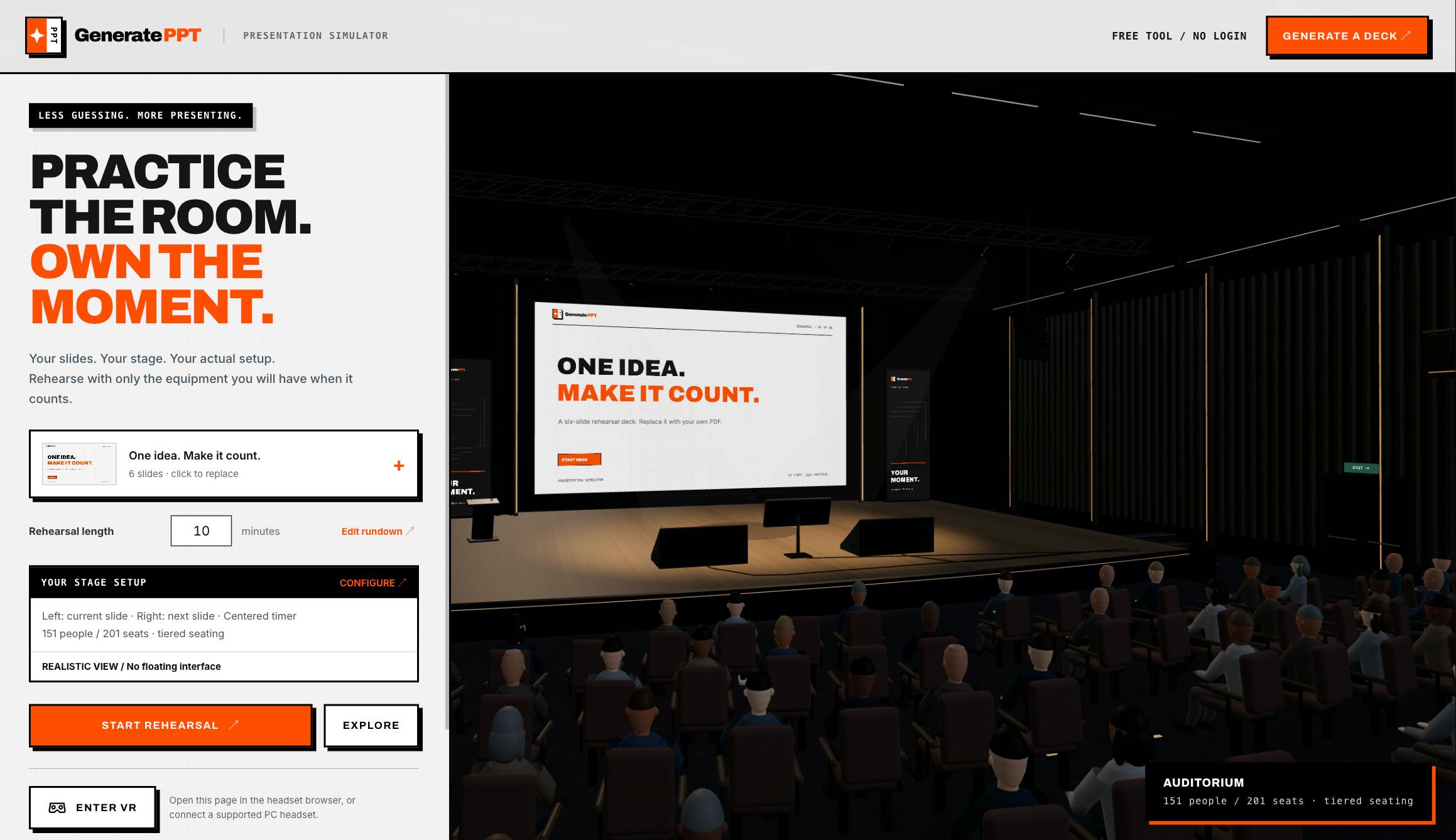
VR Public Speaking Simulator: Practice Your Presentation Skills Right in Your Browser
Public Speaking VR Simulator is a WebXR-based speech practice tool supporting both browsers and VR headsets. Upload slides and rehearse on configurable virtual stages to effectively reduce speaking anxiety.
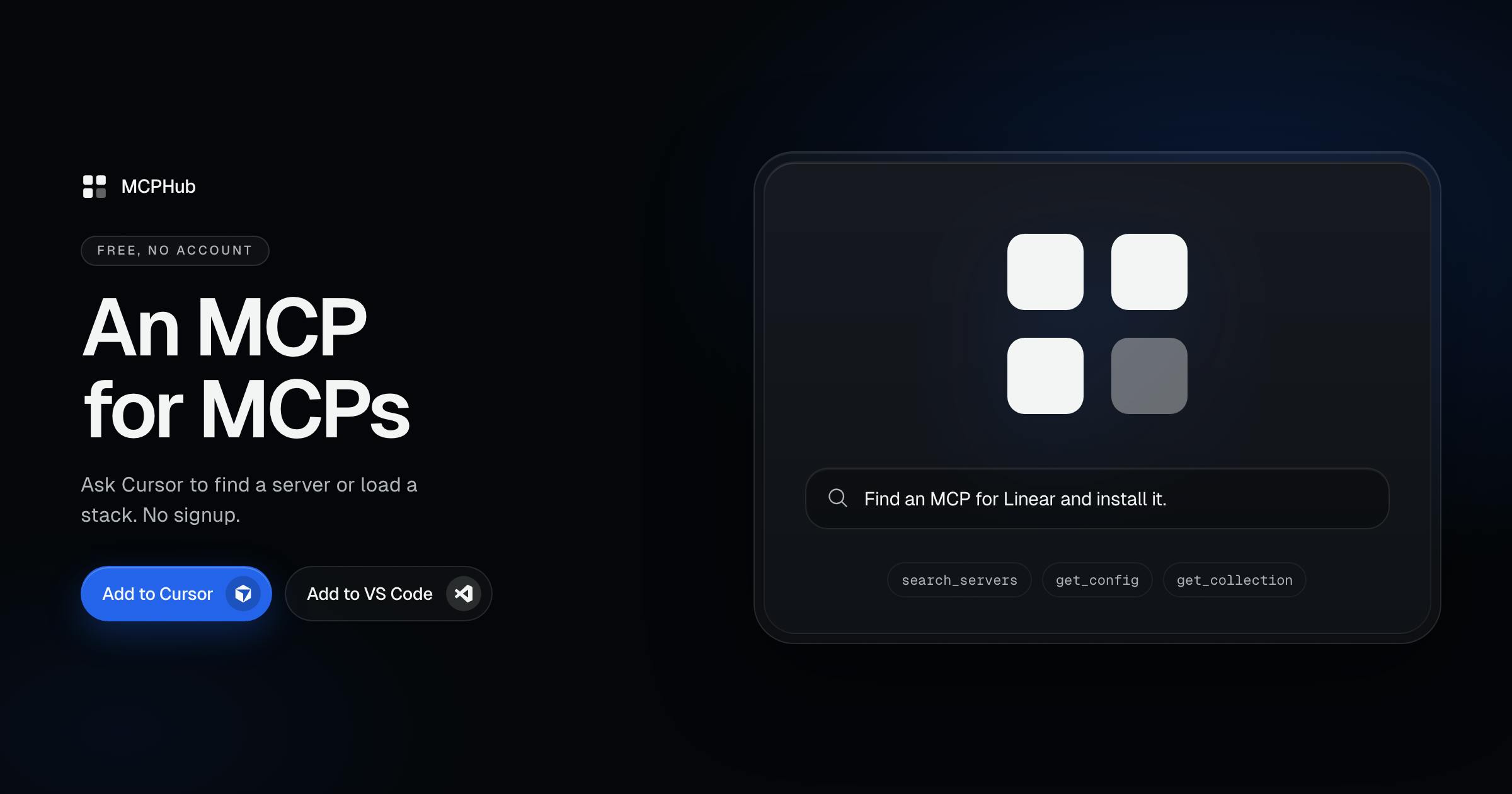
MCPHub: The AI-Native Launchpad That Uses One MCP to Discover All MCP Servers
MCPHub is an AI-native MCP server discovery tool indexing ~4,000 servers with one-click Cursor, Claude, and VS Code integration for search, config, and stacks.
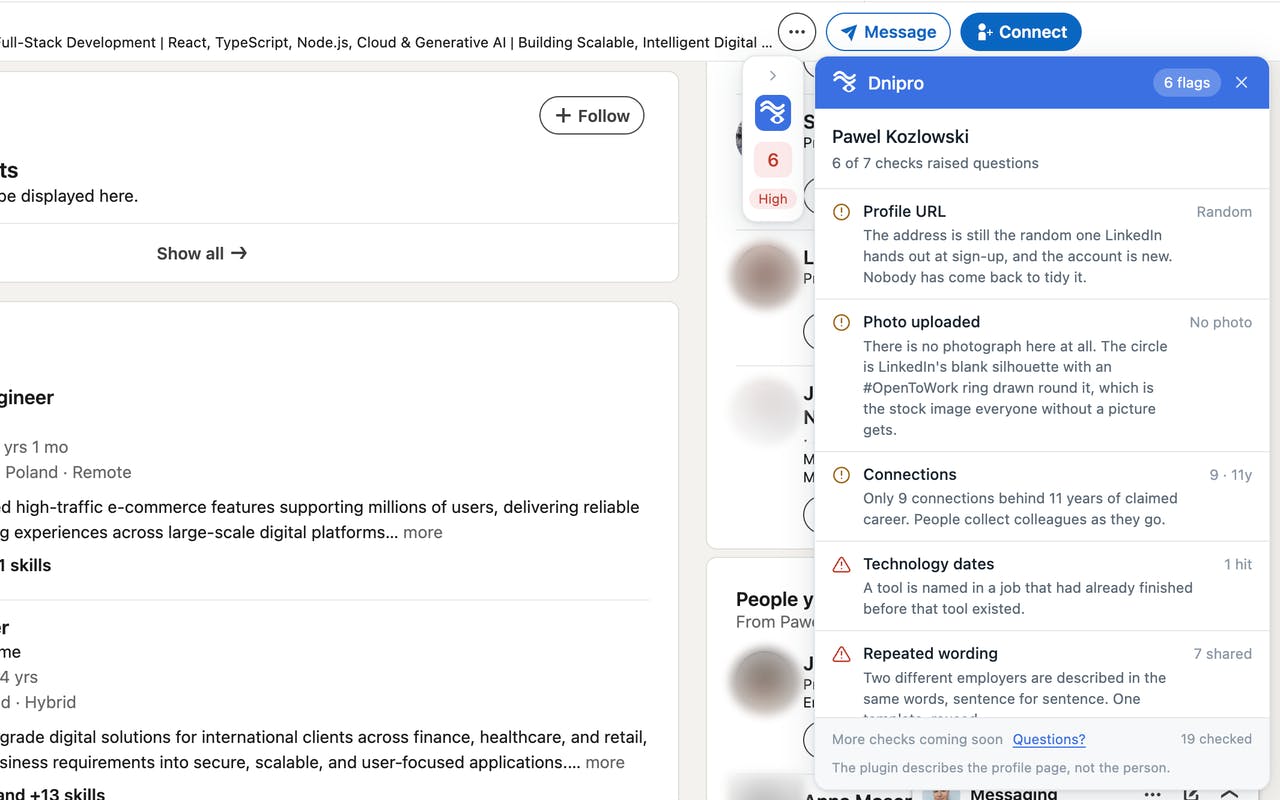
Dnipro: A Chrome Extension That Detects Fake LinkedIn Accounts with One Click
Dnipro is a free, open-source Chrome extension that quickly identifies fake LinkedIn accounts using seven detection mechanisms. Ideal for HR screening and business verification.