ColdLine.ai: Turning Cold Prospects into Hot Leads with AI-Personalized Outreach
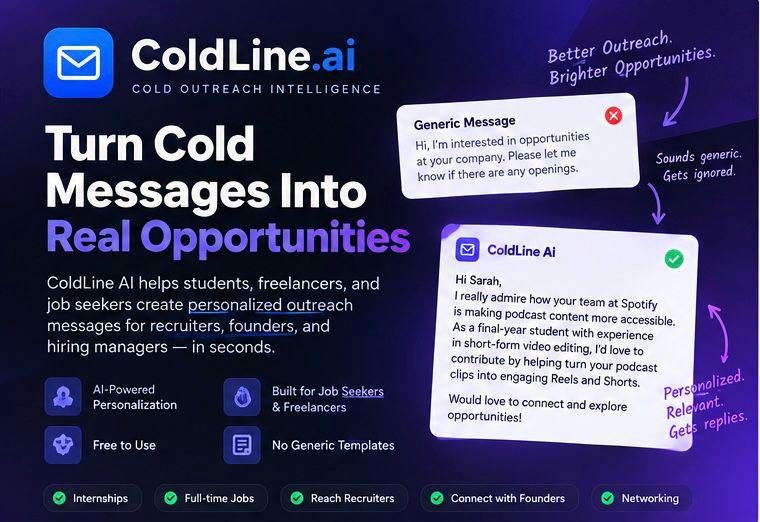
ColdLine.ai uses generative AI to produce human-sounding cold outreach copy in seconds, tackling the personalization vs. scale dilemma.
ColdLine.ai is an AI writing tool for B2B sales outreach that generates personalized, human-sounding pitches in seconds based on prospect information. It targets founders, SDRs, marketers, recruiters, and agencies — all of whom face the classic trade-off between scale and personalization. However, the AI outreach space is already crowded with players like Lavender and Instantly, and as AI-generated emails proliferate, recipient immunity is rising in parallel. With only 10 upvotes and a #19 ranking on Product Hunt, the product is still in early validation, and its long-term success hinges on data integration depth, workflow compatibility, and closed-loop performance tracking.
In B2B sales and outreach, cold email reply rates have long been a persistent headache. Most salespeople send messages to dozens or even hundreds of strangers every day. Writing personalized content for each one is time-consuming and exhausting, yet using templates gets seen through immediately and sent straight to the trash. ColdLine.ai aims to resolve this tension using generative AI — its core promise is to take prospect information and, within seconds, produce a pitch that sounds human and speaks directly to the recipient's needs.
The product recently launched on Product Hunt under the Sales, Marketing, and Artificial Intelligence categories, earning 10 upvotes and 18 comments, briefly reaching #19 for the day. The numbers aren't exactly viral, but the pain point it targets is real enough to warrant a closer look at the product logic.
The Core Problem It Solves
ColdLine.ai has a tightly focused positioning: turning cold prospects into hot leads. Its workflow is stripped down to the bare minimum — users enter information about a potential client, and the system generates a relevant, human-sounding pitch in seconds.
The logic behind this design is straightforward. Traditional outreach faces a classic dilemma: go for scale with a uniform template blast and sacrifice personalization and reply rates, or go for quality with hand-crafted messages and sacrifice scalability. ColdLine.ai wants to find a middle ground — enabling personalized content to be generated quickly and at scale. The official value proposition is direct: save time, personalize outreach, and boost reply rates without starting from scratch every single time.
Target Users and Use Cases
According to its official description, ColdLine.ai targets a fairly broad audience: founders, sales teams, marketers, recruiters, and agencies. What these groups share is a need to initiate large volumes of persuasive, cold communication with strangers on a regular basis.
- Founders: During early-stage fundraising, partnership outreach, or landing the first batch of customers, most founders don't have a dedicated sales team — they need efficient outreach tools.
- Sales Teams: Cold emails and cold outreach are at the core of daily SDR (Sales Development Representative) work, and the level of personalization directly impacts conversion.
- Recruiters: When proactively reaching out to candidates — especially passive job seekers — a cookie-cutter template message rarely gets a response.
- Agencies: Need to produce outreach content in bulk for multiple clients, where efficiency is the lifeblood of the business.
The inclusion of recruiting as a use case signals that the product doesn't limit itself to pure sales tooling — it's positioning itself as a more general-purpose "AI personalization assistant for outreach."
The Promise and Peril of AI-Generated Pitches
ColdLine.ai emphasizes that its generated content is "human-sounding" — and that's precisely the most critical, and most fragile, aspect of tools like this.
Generative AI does have a natural edge when it comes to text personalization. It can quickly adjust tone and angle based on a prospect's industry, title, and company background in ways that static templates simply can't. In theory, this can significantly lower writing costs and improve outreach relevance.
But the real challenges come in two forms. The first is consistency of output quality: when AI generates copy without sufficient prospect information, it tends to drift toward vague, formulaic content — ironically undermining the very personalization it promises. The effectiveness of the product is heavily dependent on the quality of information users provide. The second is the backlash risk of scale: as more and more salespeople use AI to mass-generate "personalized" emails, recipients are becoming better at detecting and ignoring them. The value of personalized outreach is, in some sense, built on its scarcity.
Competitive Landscape and Outlook
It's worth being clear-eyed here: the AI sales outreach space is already crowded. From Lavender and Instantly to AI writing plugins embedded across CRMs, "AI-written cold emails" is far from a novel concept. ColdLine.ai's 10 upvotes and #19 ranking on Product Hunt suggest it's still in early-stage validation, without yet establishing meaningful market presence.
For tools in this category, long-term competitive advantage won't come from the ability to generate outreach copy — that's table stakes for virtually every player in this space. It will come from deeper differentiation: Can it integrate richer prospect data sources for truly deep personalization? Can it integrate seamlessly with mainstream outreach tools and CRMs? Can it provide A/B testing, reply-rate analytics, and other closed-loop feedback mechanisms to continuously improve copy performance?
For users evaluating this tool, the focus should be on actual output quality and workflow integration capabilities — not the allure of "AI one-click generation." As an early-stage product, the idea is pragmatic and the entry point is clear. But whether it can break through in a fiercely competitive market will take time and significantly more product capability to prove.
Related articles
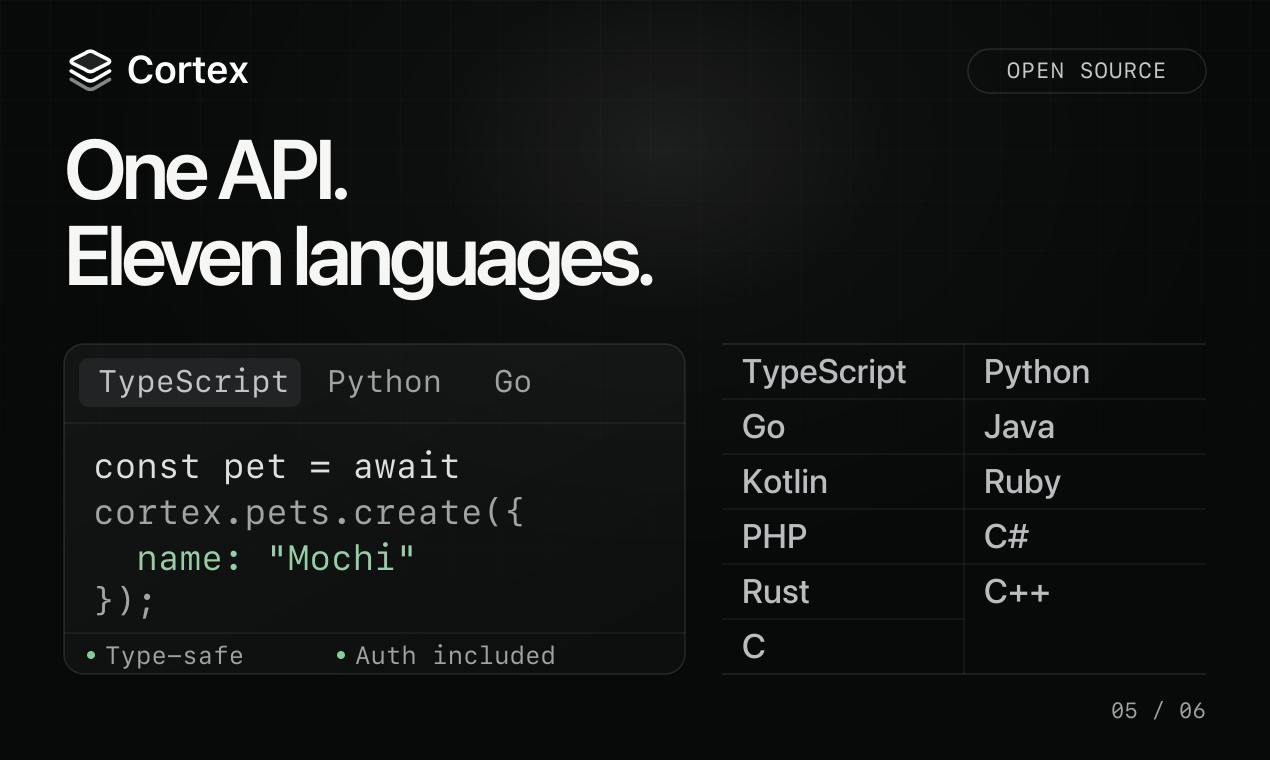
Cortex: Convert API Specs into Docs, SDKs, and MCP Servers in One Click
Cortex is an open-source tool that converts OpenAPI, GraphQL, gRPC and more into interactive docs, typed SDKs in 11 languages, and MCP servers for AI agents.
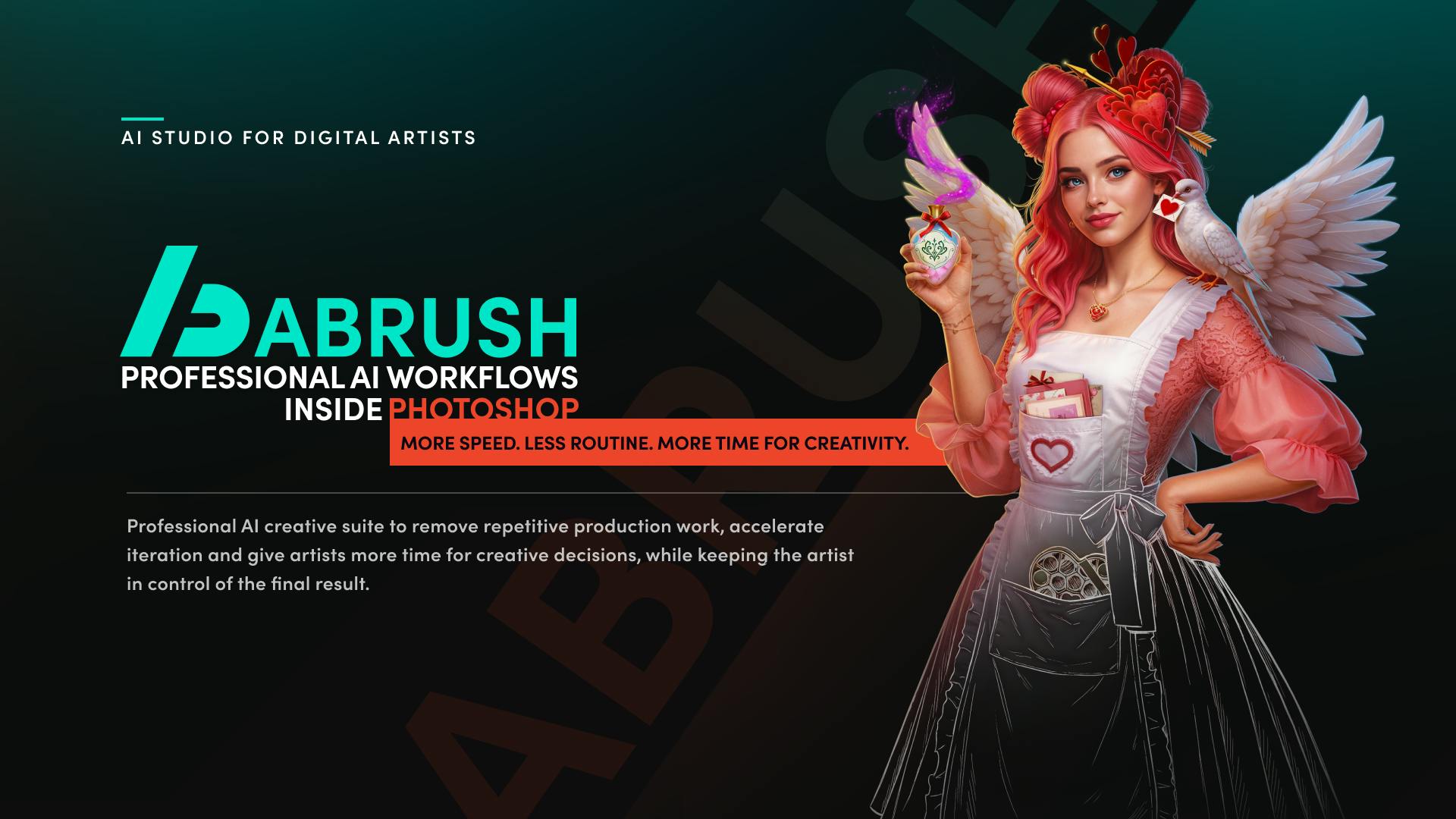
ABrush: An AI Studio Built for Digital Artists
ABrush is an AI studio for digital artists, ranked #4 on Product Hunt. It embeds leading AI models into existing workflows to remove repetitive tasks, speed up iteration, and keep artists in control.
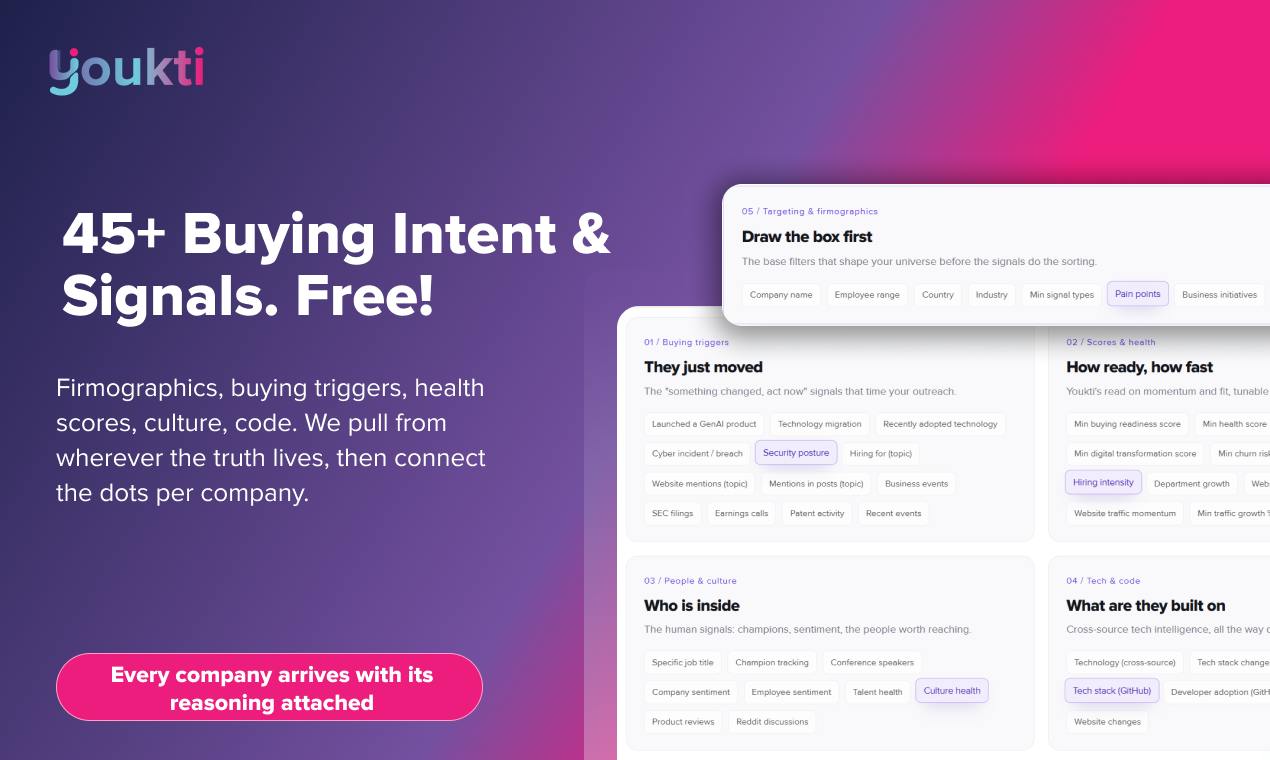
Youkti: An AI That Remembers Every Deal and Tells Your Sales Team What to Do Next
Youkti is an AI sales assistant that hit #2 on Product Hunt. It remembers every account, conversation, and deal — then tells your team exactly what to do next. Contact data, buying signals, and intent data are all free.