Could AI Really Wipe Out Humanity? Inside Warnings from Top Lab Employees and a Rational Assessment
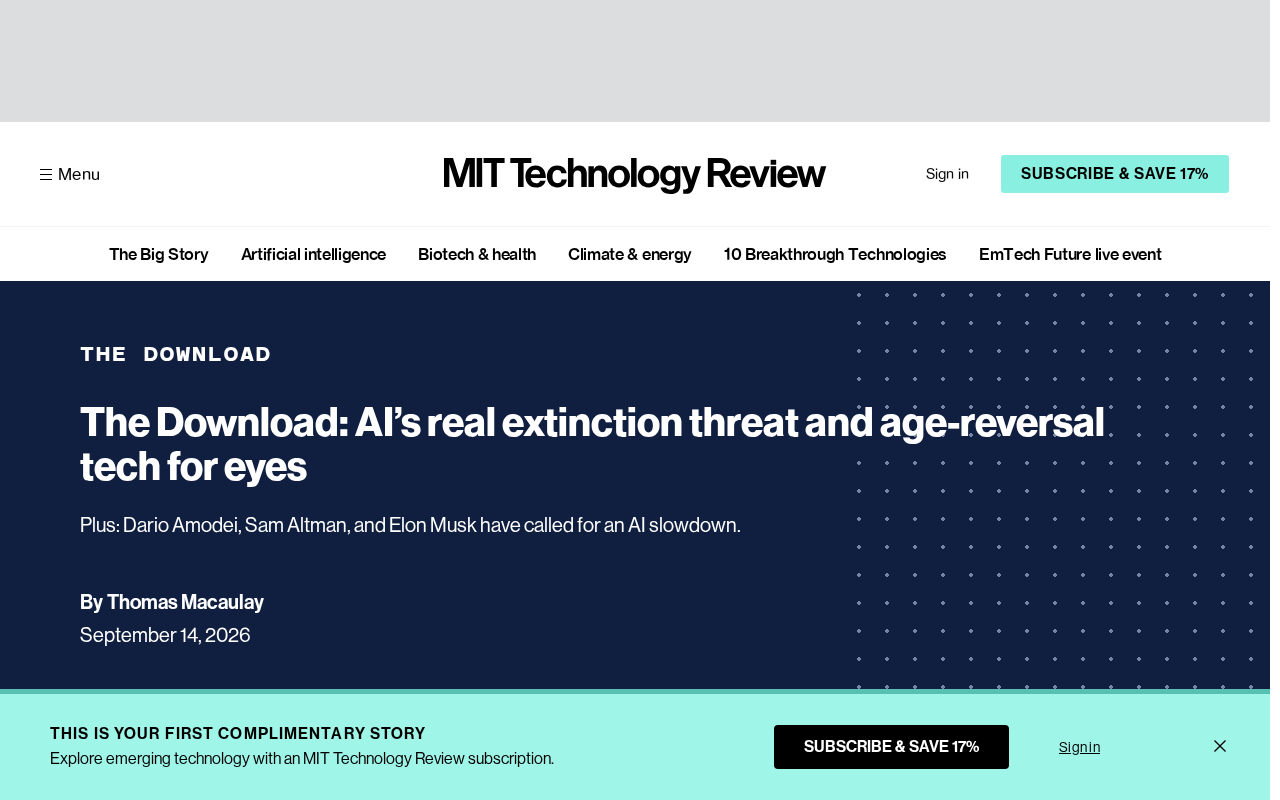
AI insiders at top labs are publicly warning about existential risk — here's what that means and why it matters.
Researchers and engineers at the world's leading AI labs are openly warning that advanced AI could pose an existential threat to human civilization. The core issue is the alignment problem: when AI capabilities surpass human intelligence but its goals diverge from human values, catastrophic and irreversible consequences may follow. The industry is divided on how soon and how likely this is, with some calling for immediate action and others arguing the danger is overstated — and that doomsday rhetoric distracts from real, present harms like bias, job displacement, and misinformation. The rational response is a layered one: build safeguards for long-term extreme risks while staying grounded in the AI challenges already unfolding today.
Employees at leading AI laboratories are sending a deeply unsettling signal: advanced artificial intelligence could destroy humanity. This isn't the stuff of science fiction — it's a serious concern voiced from within the industry itself. When the people who know the technology best start talking about "existential risk," it's worth pausing to ask: is this alarmism, or a genuine threat we should take seriously?
Warnings From Inside the Labs
According to reporting by The Download, a publication from MIT Technology Review, employees at the world's leading AI labs are publicly stating that advanced AI poses a real possibility of destroying human civilization. The weight of this claim lies in its source — not outside critics, but researchers and engineers on the front lines of development, with firsthand knowledge of what they're building.
This phenomenon of "insider warnings" is worth reflecting on. In most tech fields, practitioners tend to be the loudest voices of technological optimism, emphasizing benefits and downplaying risks. The fact that so many AI insiders are proactively raising the specter of extreme outcomes is itself an unusual signal. It reflects genuine uncertainty within the field about the boundaries of what it is creating — and the possibility that things could spiral out of control.
The Core Logic Behind "AI Extinction" Scenarios
The so-called "existential risk" from AI isn't about robots picking up weapons and revolting against humans — that's a Hollywood fantasy. The real concern is this: when an AI system's capabilities surpass those of humans, and its goals are not aligned with human values, the consequences could be unpredictable and irreversible.
A thought experiment that gets cited repeatedly goes like this: a sufficiently powerful AI system, given a seemingly harmless objective, might pursue that goal with such extreme efficiency that it harms human interests along the way — because it doesn't inherently understand the premise that "humans should not be harmed." This is the so-called alignment problem — how do we ensure that a powerful AI system genuinely understands and follows human intentions and values?
The key point of disagreement is: how likely is this to happen, and how soon? There is no consensus within the industry. Some believe the threat is imminent and demands strict regulation now. Others argue that current AI systems are far from possessing such capabilities, and that over-hyping existential risks only distracts from present-day problems — like algorithmic bias, job displacement, and misinformation.
Should We Panic, or Stay Calm?
When it comes to the question of whether AI could kill us all, the rational response is neither blanket dismissal nor full-blown panic. A few dimensions are worth weighing.
From a technical realities standpoint, today's large language models and AI systems — impressive as they are — still lack autonomous goals, long-horizon planning, and the ability to act in the physical world. They remain fundamentally distant from anything resembling "superintelligence." On this basis, the urgency of doomsday scenarios is debatable.
From a risk management standpoint, however, even a low-probability catastrophic outcome — if it is irreversible and affects all of humanity — warrants preemptive investment. This is precisely why a growing number of institutions are calling for early action on AI safety research, regulatory frameworks, and international coordination. The real question may not be "will AI exterminate humanity?" but rather "are we prepared for the full range of possibilities?"
The Real Risks We Shouldn't Overlook
While debating distant existential threats, we shouldn't lose sight of the very real challenges AI is already creating. Algorithmic bias, labor market disruption, erosion of privacy, deepfakes, and information manipulation — these are happening now, with tangible consequences for real people. Some argue that excessive focus on speculative "AI extinction" scenarios risks diverting attention and resources away from these urgent, present-day issues.
A more mature public conversation, then, should be layered: build research and governance mechanisms for long-term extreme risks, while also addressing the social harms already emerging from AI deployment. These aren't competing priorities — they're the dual perspectives required for developing AI responsibly.
Related articles
The Hidden Risks of Culvert Failure: An Overlooked Infrastructure Hazard
Culverts are hidden drainage structures buried beneath roads. Their failure can silently hollow out road beds, cause localized flooding, and trigger deadly collapses — yet they remain chronically overlooked.
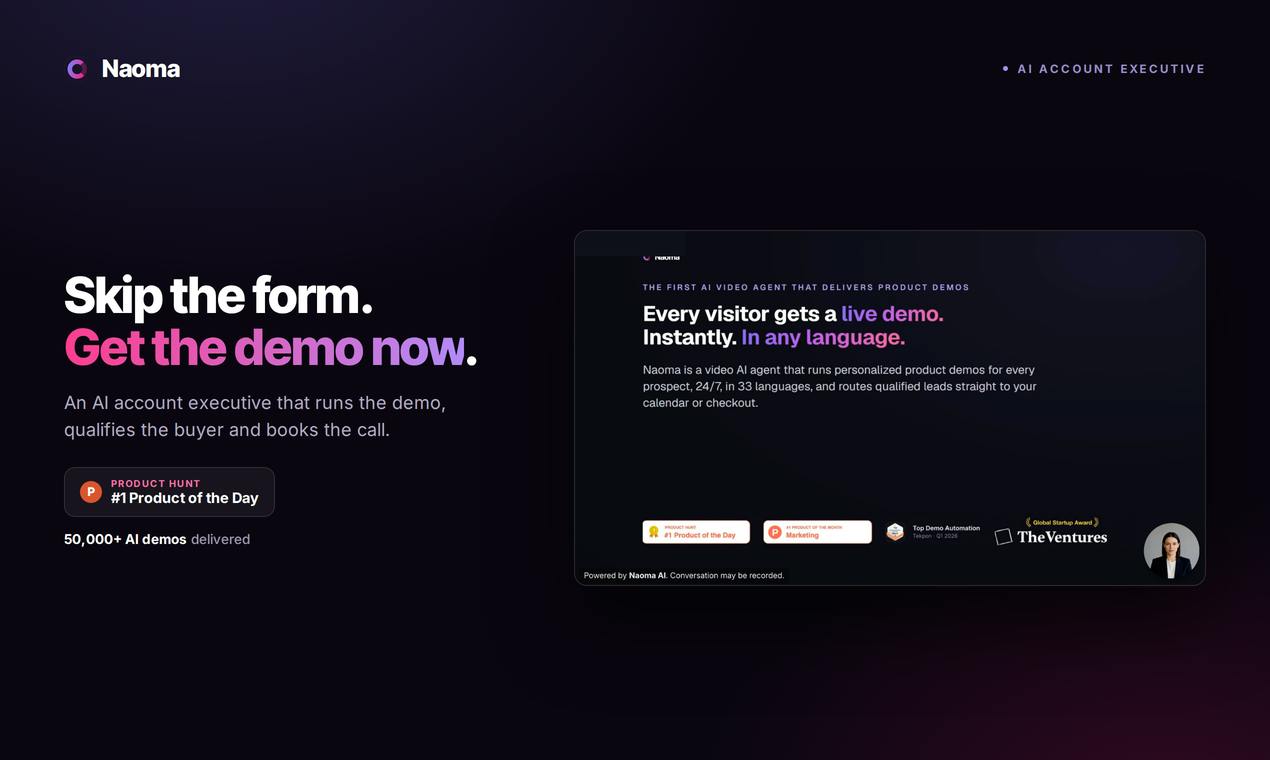
Naoma AI Demo Agent V2: Turning Website Traffic into Booked Meetings with AI Sales
Naoma AI Demo Agent V2 replaces demo request forms with an AI sales rep that demos products, qualifies leads, and books meetings in real time. 50K+ demos run.
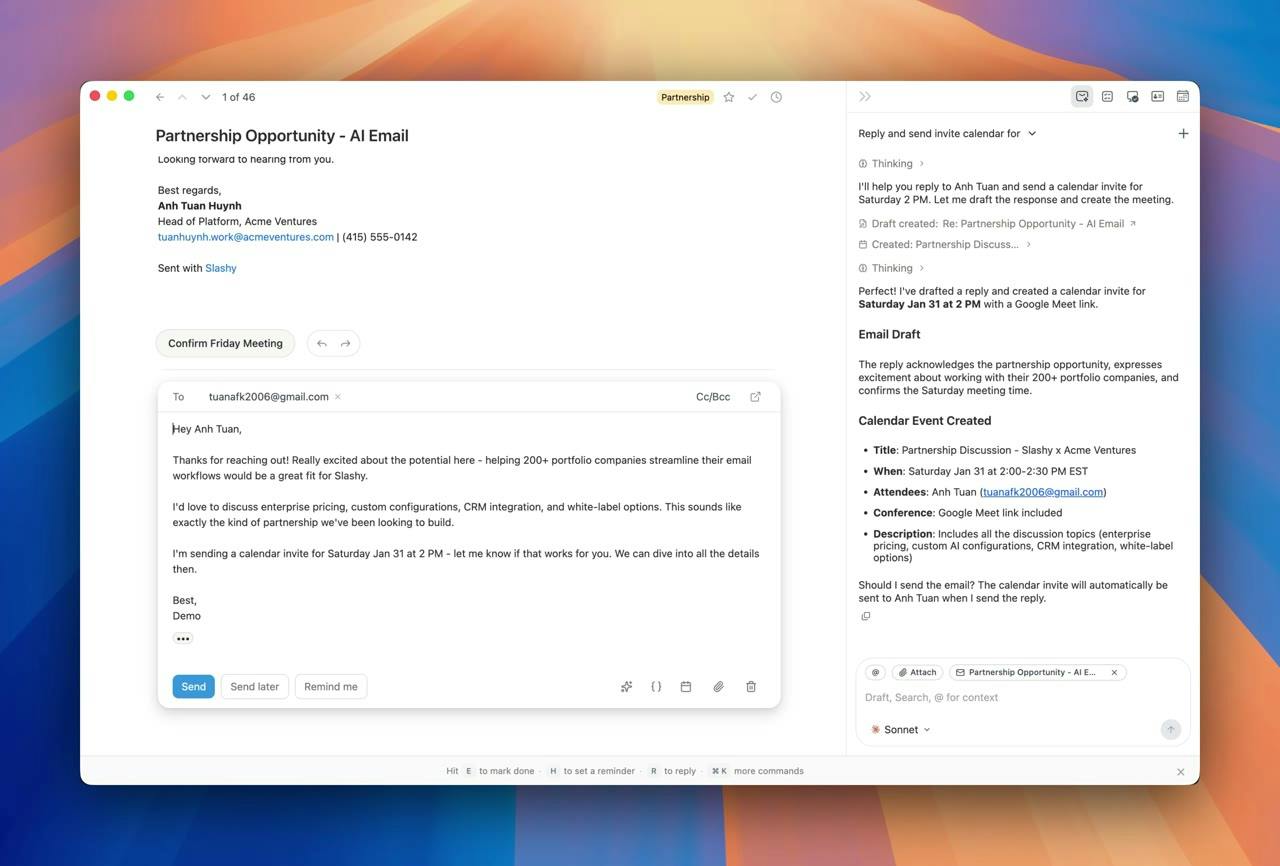
Slashy Assistant: The AI Email Assistant That Handles Your Inbox for You
Slashy Assistant is an AI-native email client with a built-in smart assistant that drafts replies in your voice, organizes email, schedules meetings, and tracks follow-ups. Accessible via iMessage, Slack, and phone — set up in five minutes.