Coze Beginner's Guide: Build AI Agents from Scratch — No Coding Required
Coze lets non-technical users build real AI agents on top of large models — no coding required.
Coze is a zero-code AI agent development platform that wraps large language model capabilities into a visual, configurable app-building tool. The article clarifies the key distinction between LLMs and agents: LLMs provide intelligence, while agents use workflows, plugins, and knowledge bases to turn that intelligence into systems that handle real business tasks. Coze lowers the engineering barrier, but skills like prompt design and workflow orchestration still require deliberate learning and practice. The article takes a skeptical view of "master it in seven days" marketing claims, advising beginners to start with small, concrete use cases and let real projects drive their learning.
What Exactly Is Coze
If you have a basic understanding of ChatGPT and large language models but still feel fuzzy about what an "AI agent" actually is, Coze is worth your attention. Coze is an AI agent development platform, and its defining feature is a zero-code barrier — even complete beginners with no programming background can build functional AI applications on it.
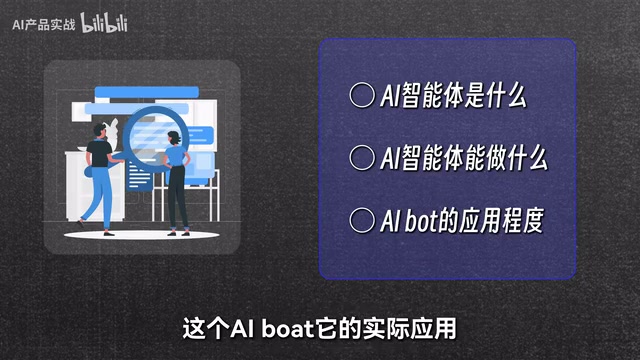
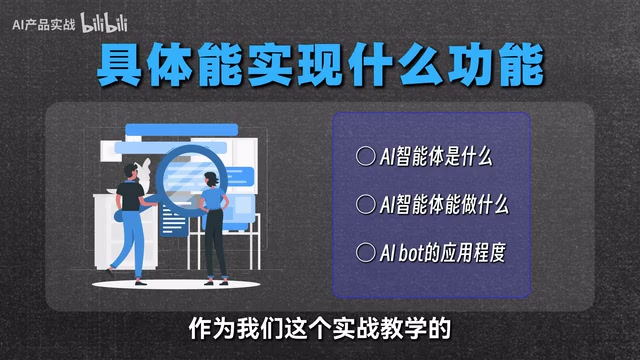
As noted in various introductory tutorials on Bilibili, many learners have a rough sense of what large models can do, but struggle to articulate what AI agents specifically enable or how far they can go in real-world use. This is exactly the right entry point for understanding Coze's value: a large language model is the "engine," while an AI agent is the "complete vehicle" that puts that engine to work in a concrete application.
Why Agents Are Needed Beyond Large Models
Using a large model like ChatGPT on its own is essentially just "conversation" — you ask, it answers. But real business needs are often more complex: they require pulling external data, chaining multiple steps together, producing outputs in a fixed workflow, and integrating with specific platforms. These are things a bare large model can't handle on its own.
This is where AI agents come in. They use a large model as the core intelligence, then layer on modules like workflows, plugins, knowledge bases, and memory to transform a "model that can chat" into a "system that can actually work." Automated customer service bots, content generation assistants, data query robots, and domain-specific Q&A experts are all classic examples of AI agents.

To put it another way: large models answer the question of "where does intelligence come from," while agents answer "how do you put that intelligence to use." Coze dramatically reduces the technical complexity of the latter, opening up AI application development to people without a technical background.
From a technical standpoint, AI agents are typically made up of several core components: a perception layer (receiving user input or external data), a decision layer (reasoning and planning via the large model), an execution layer (calling tools, plugins, or APIs to carry out specific actions), and a memory layer (storing context and history). This architecture enables agents to handle multi-step tasks — for example, searching for information, summarizing the findings, and then generating a formatted report — all without manual intervention at each step. It's also worth noting that the industry often uses the term "ReAct" (Reasoning + Acting) to describe how agents work: the model reasons and acts simultaneously, dynamically adjusting its next step based on the result of each action, rather than generating all answers at once. This is fundamentally different from traditional software that executes fixed logic, and it's the underlying reason agents can handle complex, open-ended tasks.
What Barriers Does a No-Code Platform Actually Lower
The core selling point of platforms like Coze is visual, drag-and-drop construction. Building an AI application the traditional way requires dealing with model API calls, prompt engineering, data storage, and front-end/back-end integration — a whole chain of engineering challenges. On Coze, most of these steps are abstracted into configurable drag-and-drop modules.
This means a few concrete things:
- A gentler learning curve: You can understand the "input → process → output" logic of an application without learning a programming language first
- Faster idea validation: If you have an application concept, you can prototype and test it in a short amount of time
- Focus on the problem, not the plumbing: You can put your energy into "what problem am I solving" rather than getting stuck in code details
That said, zero-code does not mean zero learning. Building a genuinely useful agent still requires understanding prompt design, workflow orchestration, and knowledge base organization. The platform lowers the engineering barrier — not the product-thinking barrier.
Prompt Engineering is an unavoidable core skill when using platforms like Coze. It refers to carefully crafting the instruction text you feed to a large model in order to reliably guide it toward the output you want. Simply put: the same question phrased differently, or structured differently, can produce wildly different results. In agent development, the System Prompt is especially critical — it functions as the master brief that sets the agent's "role, behavioral rules, and output format." The platform may hide the technical complexity, but the quality of your prompts directly determines how stable and reliable your agent's output will be. This is exactly why zero-code doesn't mean zero learning — prompt design is a methodology that requires repeated iteration and accumulated experience.
What Skills Will You Actually Gain
From the positioning of introductory Coze courses, the goal is to give learners the practical ability to build AI agents from scratch. This skill set roughly includes: understanding the basic architecture of AI applications, mastering the platform's various feature modules, and being able to design and deploy a functional agent for a specific use case.
For anyone looking to enter the AI application space, these skills have real-world value. As demand for AI adoption grows among businesses, there is a genuine talent gap for people who can translate large model capabilities into actual products. That said, a word of honest caution: phrases like "go from zero to expert in seven days" or "job-ready after the course" that circulate online carry obvious marketing spin. Real skill-building takes sustained practice and hands-on project work — don't let inflated promises mislead you.
Advice for Beginners
If you're planning to use Coze as your entry point into AI agent development, here are a few practical suggestions: First, get clear on the difference between a large model and an agent — understand what the platform can and cannot do. Second, start with a small, specific application need rather than immediately trying to build a complex system. Third, learn by doing — testing what you've learned on a real project is far more effective than passively watching hundreds of tutorial videos.
Coze genuinely lowers the barrier to entry as a beginner platform, but it's still just a tool. Whether you can ultimately build AI applications that deliver real value depends on how well you understand the problem you're solving and how clearly you think about the product.
Related articles
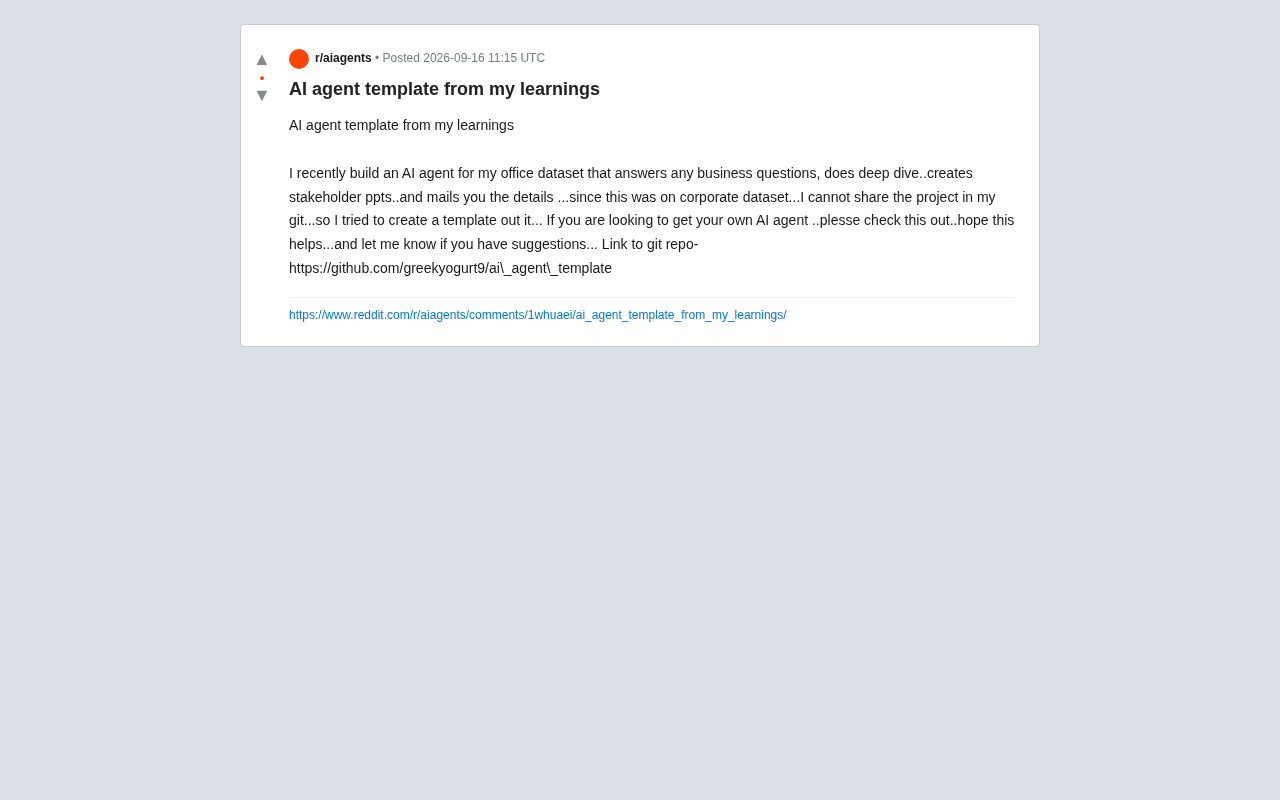
From Enterprise Practice to a Reusable Template: Lessons from Building an AI Agent
A developer shares an open-source AI Agent template built from an enterprise project, covering natural language data Q&A, analysis, auto-generated PPTs, and email distribution.

Nintendo's Open-World Design Evolution: Breaking Down Fire Emblem Fortune's Weave
Nintendo brings the open-world design philosophy of Breath of the Wild to Fire Emblem with the massive Switch 2 title Fortune's Weave. Here's what it means.
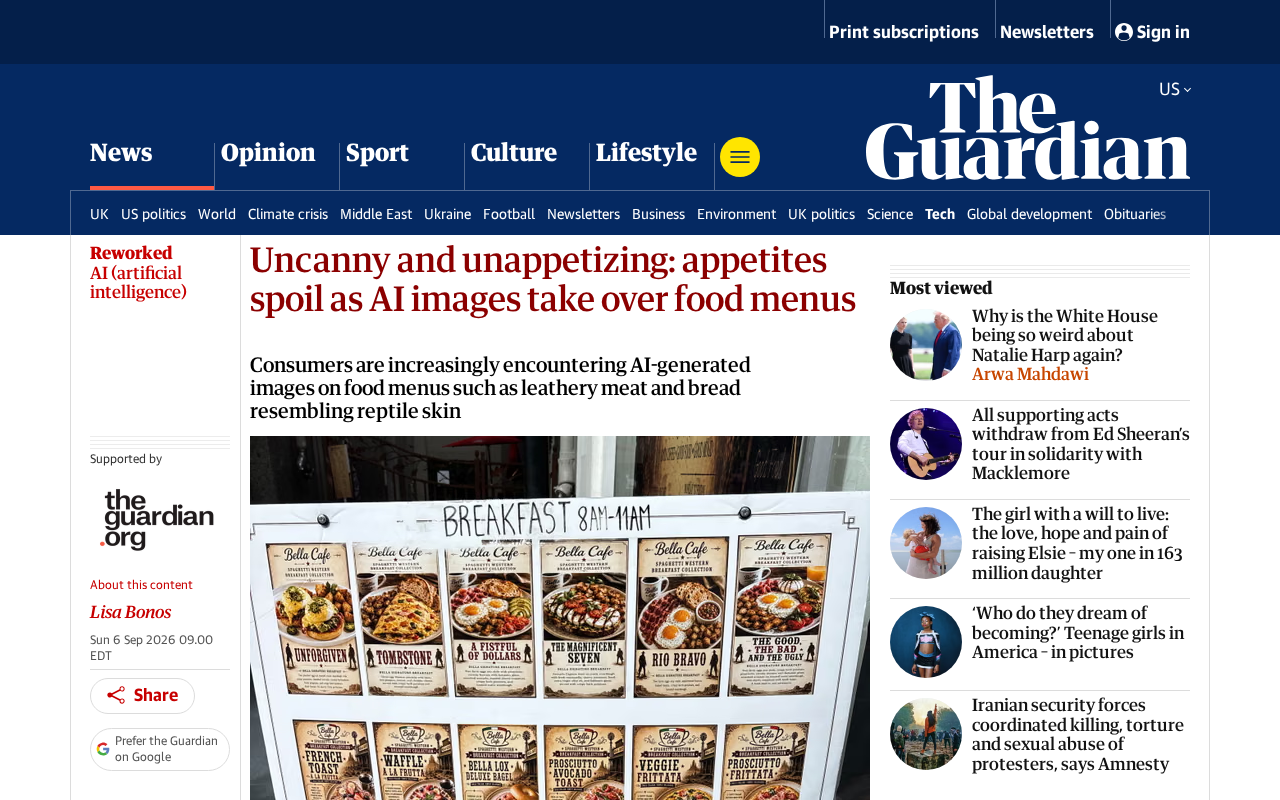
AI-Generated Food Photos Are Ruining Menus: How the Uncanny Valley Kills Appetite
AI-generated food images are flooding restaurant menus and delivery apps, but uncanny details kill appetite instead of sparking it. Here's why the uncanny valley effect hurts brands.