Coze Multi-Agent Collaboration in Practice: Build Your AI Team from Scratch
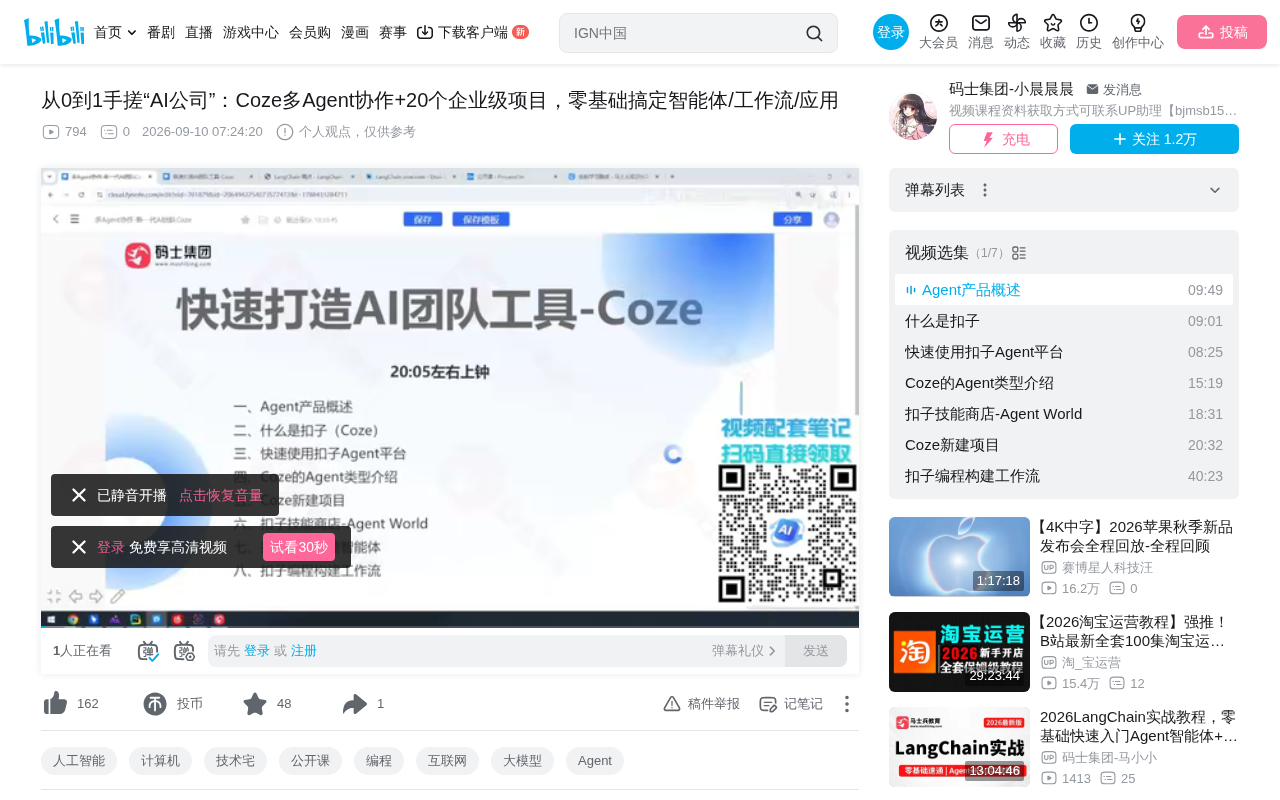
Coze 3.0 has grown from a simple agent builder into a full enterprise-grade multi-agent AI platform.
Based on a Bilibili creator's hands-on walkthrough, this article breaks down the Chinese AI Agent platform Coze (扣子) and its core capabilities. It categorizes today's Agent products into three types — building tools, Agent software, and development frameworks — and argues that IT professionals should master all three. Within this landscape, Coze stands out for its multi-agent collaboration system, enabling users to configure specialized agents that work together like a team. The platform offers a Skill Store, Coze Coding, and workflow orchestration to serve everyone from non-coders to enterprise users with custom needs.
Coze, the Chinese-developed AI Agent platform, has been gaining steady traction — especially following its 3.0 update. It has evolved from a simple agent-building tool into a full-featured platform capable of supporting multi-agent collaboration, workflow orchestration, and enterprise-grade AI deployment. This article, based on a hands-on walkthrough shared by a Bilibili creator, breaks down Coze's product positioning, core capabilities, and how you can use it to assemble your own "AI team."
First Things First: How Are Agent Products Categorized?
Before diving into Coze, it helps to understand how today's LLM and Agent products are generally classified. This gives you a clearer picture of where Coze fits in the ecosystem and which tool is right for which situation.
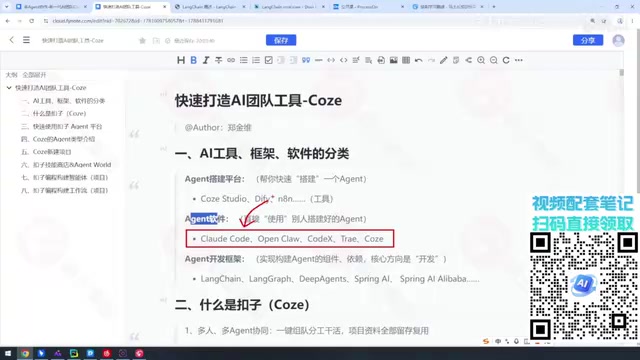
Agent-related products broadly fall into three categories:
The first category is building tools — platforms that let you construct the agents you need. This includes Coze Studio, Coze itself, Dify, n8n, and similar tools. Their purpose is to help you "rapidly build" intelligent agents. Coze is relatively beginner-friendly for non-programmers, while Coze Studio may require some coding background.
The second category is Agent software — products that can get work done directly. Tools like Claude Code, Tongyi, and Zhipu's WebCoding offerings fall into this group. You tell them what you need, and they handle it. The main challenges here are: (1) installation and configuration, and (2) describing your requirements clearly. The creator also places Coze in this category, since with its iterative updates, Coze 3.0 has grown to deliver software-level capabilities.
The third category is development frameworks — the core toolkit for developers. This includes LangChain, LangGraph, and DeepAgents within the LangChain ecosystem, as well as Spring AI and Spring AI Alibaba for Java developers.
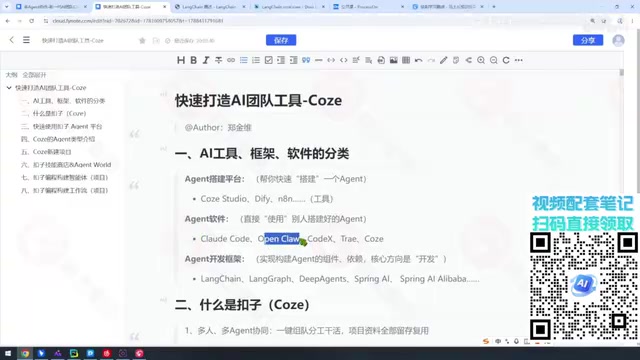
For IT professionals, the creator's advice is straightforward: you should be comfortable with all three. For building tools, go with whatever your company uses (if they use Dify, get familiar with Dify). For Agent software, follow your company's reimbursement policies and approved tools. As for development frameworks, these are essential for anyone looking to build a long-term career in this space — you'll need a solid grasp of the Python-based LLM ecosystem.
What Is Coze: Delegate Your Work to Intelligent Agents
Coze's official tagline is "Hand your work to Coze." At its core, it lets you use intelligent agents to handle all kinds of tasks — regardless of your industry.
One practical note: visiting coze.cn directly takes you to the working platform, with no product overview in sight. To see the full product introduction, you'll need to access a separate landing page. The official homepage has also been redesigned frequently — a previously prominent "Documentation" link has been removed in the latest version, making it harder to find.
In terms of use cases, Coze covers a wide range. Developers can connect it to Claude Code to handle coding tasks, using it as a bridging layer. Accountants, designers, and professionals in other fields can leverage its rich skill library to accomplish their respective workflows.
The Standout Feature: Multi-Agent Collaboration
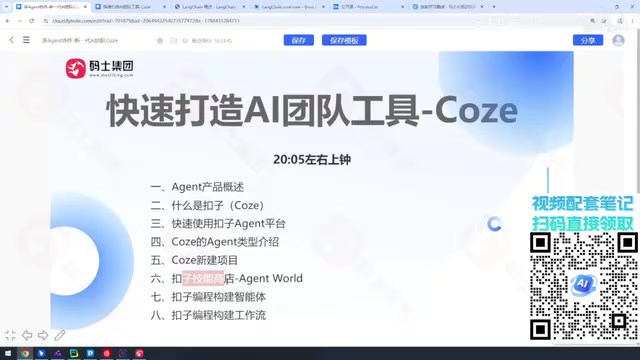
Coze's biggest differentiator is multi-agent collaboration. Within the platform's agent list, each agent handles a distinct role — much like different members of a team, each with their own responsibilities yet working in sync. This is the origin of the "hand-building your own AI company" framing.
Once you log in to coze.cn, the system provides a default agent simply called "Coze" (the creator renamed theirs "Wang Gang" for the demo). You can also create agents that connect to your local environment. For example, the creator demonstrated an agent linked to a local Windows machine running Claude Code — bridging cloud-based agents with a local development setup, including local documents and code.
The value of this multi-agent architecture lies in specialization: each individual agent excels at solving a specific type of problem, while complex real-world projects typically require multiple agents working together. The idea is to match your project requirements with the right combination of agents.
Coze's Full Capability Map
Based on the walkthrough content, Coze's learning curve and feature set can be broken down into several key modules:
The Agent Platform and Multi-Device Access
Coze is available via web, mobile, and desktop, letting you call on your agents from anywhere, at any time.
Three Types of Agents
Within the Coze platform, there are three distinct agent types — each applicable to different scenarios within the Coze ecosystem and all worth exploring hands-on.
Projects
Every agent ultimately exists to solve a specific problem, and the container that organizes them is the "Project." The central question when using Coze is: what project do you want to build, and which agents do you need to bring it to life?
Skill Store
What an agent "knows how to do" depends on the skills it has access to — and those skills are available through Coze's Skill Store. Worth noting: the Agent World feature has not yet been officially released; the creator speculates this may be due to security considerations.
Coze Coding and Workflows
When off-the-shelf skills from the Skill Store aren't enough, Coze Coding provides a custom development layer, letting you build tailored agent capabilities from scratch. Workflows serve a similar purpose — orchestrating more complex, multi-step task pipelines. These two components are what elevate Coze from a "tool" to a "platform," and they form the foundation for enterprise-level deployments.
Final Thoughts
As a Chinese-developed Agent platform, Coze stands out for its low barrier to entry, strong Chinese-language documentation, and sufficient customization depth via Coze Coding and workflows. For users looking to deploy intelligent agents quickly without going deep into development frameworks, it's a practical starting point.
That said, keep expectations grounded. As the creator put it, Coze's response speed "isn't blazing fast — you'll still have to wait." It can offload repetitive tasks and help structure collaborative workflows, but it's not a silver bullet. For IT professionals, the complete skill set for the AI era means combining tools like Coze, Agent software like Claude Code, and development frameworks like LangChain — not relying on any single one alone.
Related articles
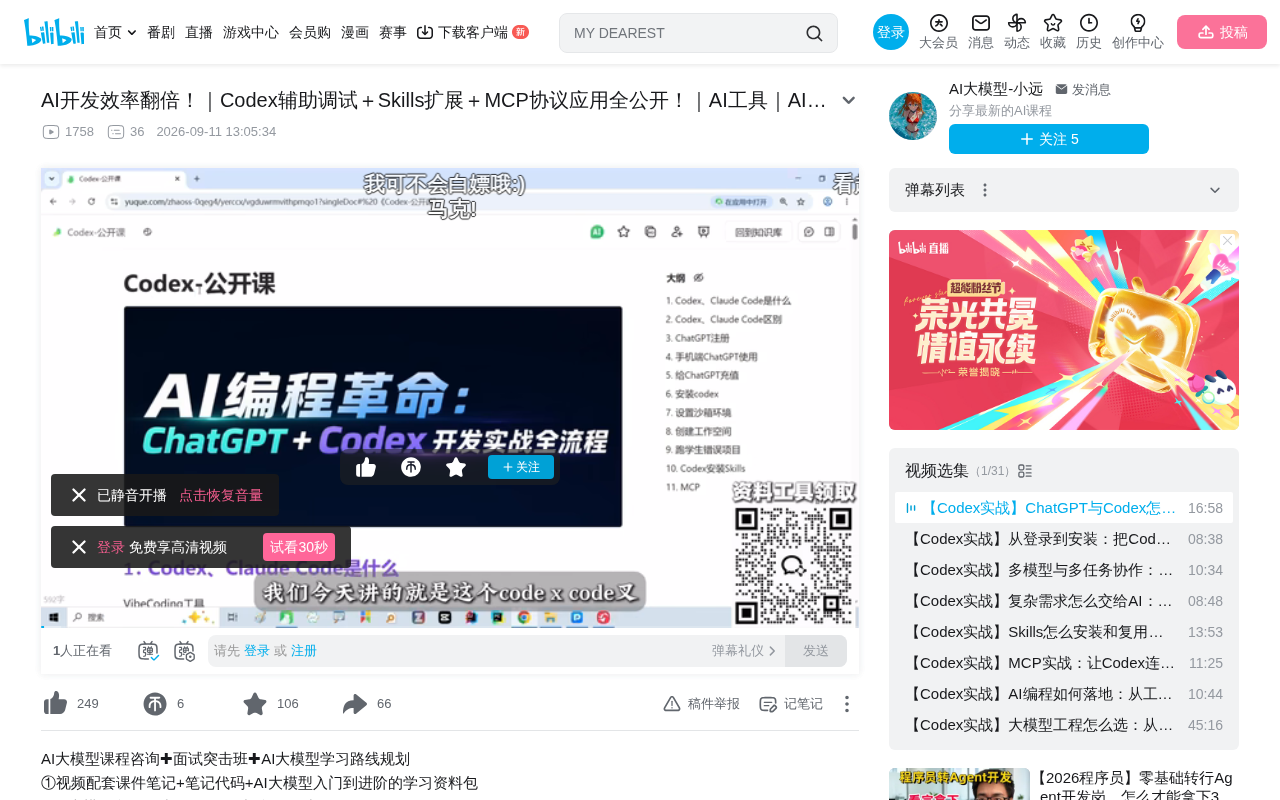
Codex vs. Claude Code: A Beginner's Guide to AI Coding Agents
Codex vs. Claude Code: which AI coding agent should you use? This guide compares both tools and walks beginners through GPT account setup, virtual number platforms, US App Store switching, and subscription cost-saving tips.
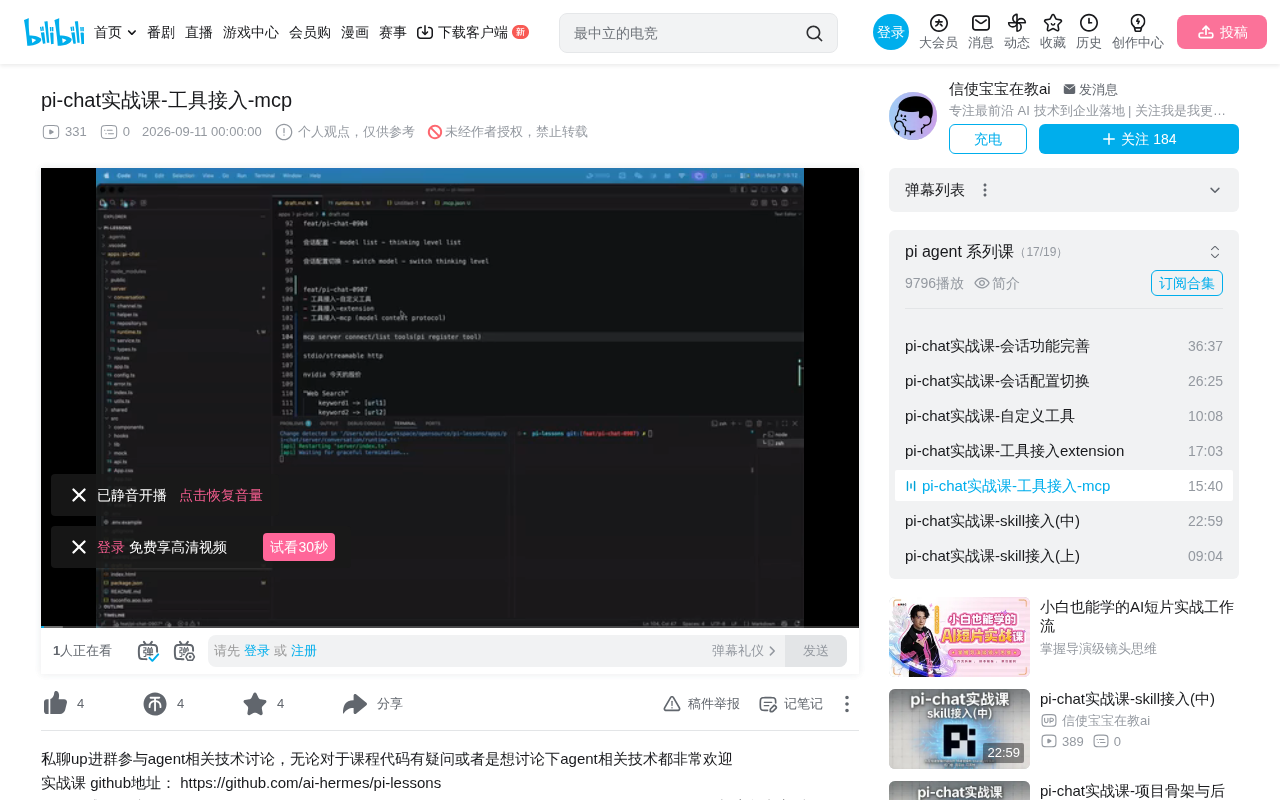
Pi-chat in Practice: Connecting External Tools to AI Agents via MCP Protocol
Learn how to integrate external tools into AI Agents using MCP protocol with Pi framework. Covers pi-mcp-adapter setup, .mcp.json config, Extension Factory initialization, and a live 12306 train ticket query demo.
AI Large Model Engineering Careers Decoded: Algorithm Research vs. Engineering Deployment — Which Path Is Right for You?
AI large model jobs split into algorithm research and engineering deployment. Learn the skill requirements, core competencies like RAG and Multi-Agent, and why Harness architecture is the 2026 interview differentiator.