#LangChain
78 related articles
·2 min
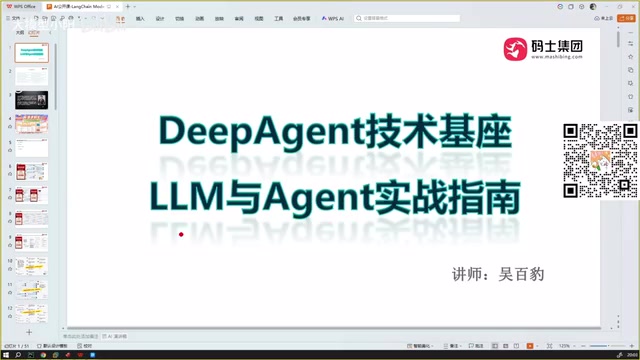
LangChain 1.3 Beginner's Guide: Core Concepts of LLMs and Agents Explained
LangChain 1.3 beginner's guide: understand the three core LLM limitations, unified interfaces, modular architecture, and the LLM → Agent → DeepAgent hierarchy.
Read more →
·2 min
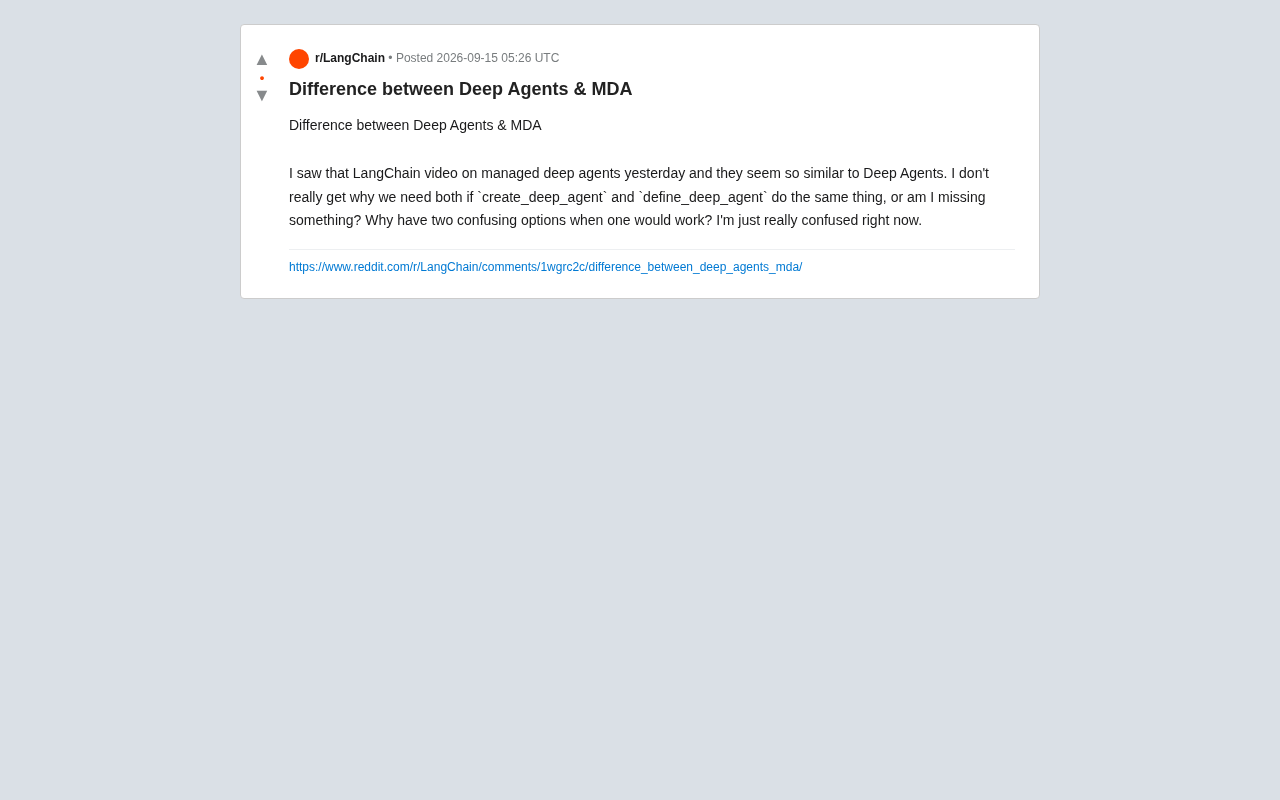
LangChain Deep Agents vs. MDA: Clearing Up the Confusion for Developers
What's the difference between LangChain's Deep Agents and MDA (Managed Deep Agents)? We break down create_deep_agent vs. define_deep_agent and help developers choose.
Read more →
·2 min
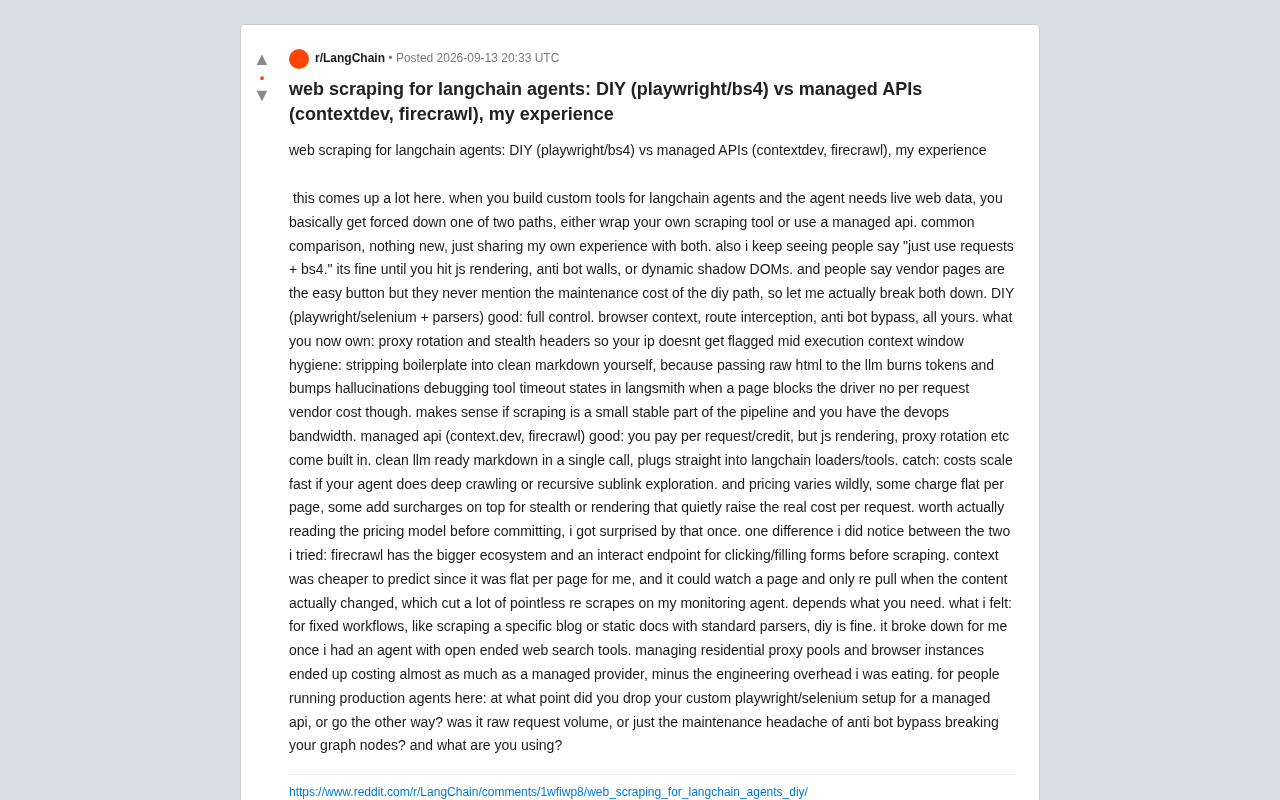
LangChain Agent Web Scraping: DIY vs. Managed API — A Practical Comparison
DIY scraping vs. managed APIs for LangChain Agents: compare Playwright/bs4 self-builds against Firecrawl and context.dev on cost, anti-bot maintenance, and when to switch.
Read more →
 Tutorials
·2 min
Getting Started with RAG: What Is Retrieval-Augmented Generation and How Does It Solve LLM Hallucination?
RAG (Retrieval-Augmented Generation) is the core solution for LLM hallucination. Learn RAG concepts, how it works, three causes of hallucination, and the complete learning path from basics to Knowledge Graph RAG.
Read more →
 Tutorials
·2 min
Getting Started with LangChain for Enterprise Development: Core Modules and Debugging Tools Explained
Detailed guide to LangChain core modules including prompt templates, output parsers, Chain invocation, LCEL expression language, and LangSmith tracing tools for LLM application development.
Read more →
 Tutorials
·2 min
LangChain Few-Shot Prompt Templates in Practice: A Complete FewShotPromptTemplate Tutorial
Learn LangChain FewShotPromptTemplate: core parameters, implementations for text completion and chat models, and practical use cases like batch file renaming to reduce LLM hallucinations.
Read more →
 Tutorials
·3 min
Enterprise RAG Project in Practice: A Complete Guide from Principles to Deployment
Complete guide to enterprise RAG projects covering principles, LangChain implementation, data processing, retrieval optimization, evaluation, and cloud deployment for AI knowledge base applications.
Read more →
 Tutorials
·3 min
Getting Started with AI Agent Development: A Complete Learning Path from Concepts to Practice
A comprehensive guide to AI Agent development for beginners, covering core concepts, market outlook, LangChain framework, RAG knowledge bases, and hands-on projects to systematically master intelligent agent development skills.
Read more →
 Tutorials
·2 min
LangChain 1.0 Complete Guide: Architecture, Core Modules, and Learning Path
Deep dive into LangChain 1.0's three-layer architecture (LangChain, LangGraph, Deep Agents), core components like Models, Tools, and Memory, plus a complete learning path from semantic search to multi-agent collaboration.
Read more →
 Tutorials
·1 min
Harness Engineering: Essential Architecture Guide for Agent Development
Deep dive into Harness Engineering architecture for AI agents: multi-agent collaboration, memory management, middleware design, MCP integration, and LangChain's DeepAgent framework.
Read more →
 Tutorials
·1 min
Getting Started with Agent Development: 3 Agent Types × 8 Core Mechanisms Fully Explained
A complete breakdown of AI Agent development: 3 agent types (autonomous, collaborative, orchestration-based), 8 core mechanisms, a 5-stage learning path, and framework selection guidance.
Read more →
 Tutorials
·3 min
Frontend AI Full-Stack Development in Practice: Building Multimodal Applications with PNPM MonoRepo Architecture
A practical guide to frontend AI full-stack development covering PNPM MonoRepo architecture, TurboRepo build optimization, and LangChain multimodal applications with Ollama local model deployment.
Read more →
 Tutorials
·3 min
Andrew Ng's New Course: A Complete Guide to Building Database Agents
Deep dive into Andrew Ng's Building Your Own Database Agent course with Microsoft, covering LLM-SQL interaction, LangChain Agents, Function Calling, and RAG for tabular data.
Read more →
 Tutorials
·3 min
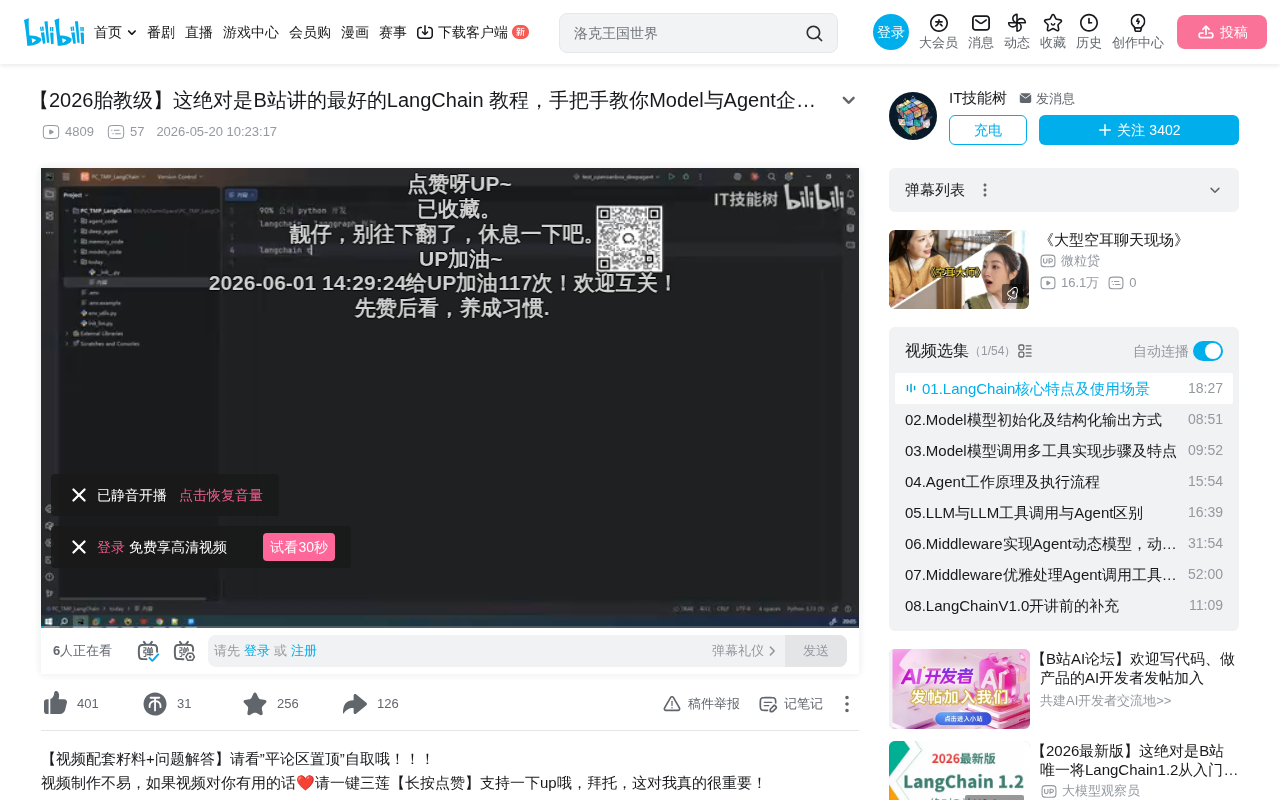
LangChain Unified Interface in Practice: A Guide to Avoiding Model Invocation Pitfalls
A detailed comparison of LangChain's two model invocation approaches, focusing on init_chat_model unified interface usage and tips for avoiding DeepSeek V4 Pro Thinking Mode pitfalls in Agent scenarios.
Read more →
 Industry Insights
·3 min
Deep Dive into LangChain's Full-Lifecycle Toolchain for Agent Development
LangChain unveils a full-lifecycle toolchain for Agent development at Interrupt, covering Deep Agents 0.6, SmithDB, Context Hub, LLM Gateway, and LangSmith Engine.
Read more →
 Tutorials
·3 min
Can You Really Transition to AI/LLM in Three Months? A Deep Dive into the Learning Roadmap
Deep dive into a popular 3-month AI/LLM transition roadmap: from Python basics and Prompt engineering to LangChain, RAG, Agents, and hands-on projects, with realistic time estimates and pitfall warnings.
Read more →
 Tutorials
·2 min
Is Context Engineering the Core of Agent Development? A Deep Dive into a High-Frequency Interview Question
Deep dive into a top LLM interview question: Is context engineering the core of Agent development? Covers five context modules, four pain points, and advanced solutions.
Read more →
 Tutorials
·3 min
Getting Started with LangChain: Core Concepts and Hands-On Guide for LLM and Agent Development
A systematic guide to LangChain's core features, covering LLM vs. Agent concepts, unified interface design, multi-provider support, environment setup, and hands-on code examples for AI app development.
Read more →
 Tutorials
·3 min
AI Agent Learning Roadmap: From Beginner to Enterprise-Level Development in Three Months
A detailed three-month AI Agent learning roadmap covering LLM basics, ReAct paradigm, LangChain, memory mechanisms, tool calling, and multi-agent collaboration with practical project suggestions.
Read more →
 Deep Dives
·2 min
AI Agent Development Methodology: A Complete Guide from ReAct to Enterprise-Grade Tech Stack
A deep dive into AI Agent development methodology, from the ReAct theoretical framework to a four-layer enterprise tech stack covering model services, Agent types, LangChain, and production deployment.
Read more →