Creating a Y2K-Style Music Video with MiniMax H3: A Hands-On AI Video Experience
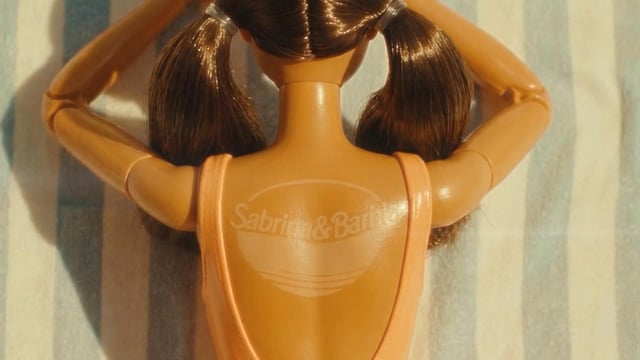
MiniMax H3 meets Y2K aesthetics: a layered prompt approach to AI music video creation.
A Reddit user documented the complete process of creating a Y2K-style pop music video with MiniMax H3, offering a real-world test of AI video tools in the music video format. The standout element was prompt design: using a layered structure covering aesthetic identity, specific elements, motion requirements, emotional atmosphere, and ending treatment, the creator achieved output that exceeded expectations in atmosphere and audio-visual sync. The piece also notes that stylized short-form content naturally suits AI video tools, while transition smoothness and cross-clip consistency remain industry-wide bottlenecks that still require human post-production to resolve.
AI video generation tools are moving beyond simple narrative shorts into increasingly complex applications. A Reddit user shared their complete workflow for producing a Y2K-style pop music video using MiniMax H3, offering a useful window into how AI video tools perform in the specific format of a music video.
From Narrative Film to Music Video: A Different Kind of Challenge
Most people using AI video tools default to generating story-driven narrative clips. This experiment took a distinctly different direction — the music video (MV) format. That format demands far more in terms of rhythmic pacing, camera movement, and visual style than an ordinary narrative piece, making it a genuine test of a model's ability to capture "atmosphere."
The creator's goal was clear: produce a bright, stylish piece rooted in Y2K (millennium) aesthetics, with fast-cut editing, playful camera movement, and the unmistakable energy of a pop music video. That aesthetic direction carries a strong retro-trend flavor, which presents its own challenge — the model needs to understand a specific cultural context.
Y2K aesthetics (Year 2000) refers to a visual style rooted in popular culture from the late 1990s to the early 2000s. Its signature elements include shiny metallic textures, saturated candy colors, transparent plastic materials, butterfly clips, low-rise jeans, and the futuristic graphic language brought on by early digital technology. This aesthetic made a powerful comeback in the 2020s as a kind of "retro-futurism," resonating widely with Gen Z. For an AI model, Y2K is a compound concept that requires simultaneously understanding cultural context, color systems, and era-specific texture — the model doesn't just need to "know" the term, it needs to translate it into visual choices around lighting, color palette, and composition. That's exactly what makes this experiment a genuine test of a model's semantic understanding.
Prompt Breakdown: How to Describe a "Vibe"
The heart of this experiment was prompt design. The full prompt the creator used was:
"Create a Y2K-inspired pop music video with a Barbie-inspired doll aesthetic, featuring bright colors, playful fashion, glossy lighting, fast cuts, and energetic camera movement. Make it feel fun, stylish, dreamy, and plastic-perfect like a fashion doll world, similar to a modern summer MV. Keep the visuals dynamic and end with a clean cinematic finish."
This prompt is worth unpacking. It doesn't simply pile up keywords — it builds a complete visual system in layers:
- Aesthetic identity: Y2K style + Barbie doll aesthetic, establishing the overall visual tone
- Specific elements: bright colors, playful fashion, glossy lighting
- Motion requirements: fast cuts, energetic camera movement
- Emotional atmosphere: fun, stylish, dreamy, "plastic-perfect" fashion doll world
- Ending treatment: a clean cinematic finish
This layered approach — aesthetic + elements + motion + emotion + ending — offers a replicable prompt structure for other creators. Compared to simply listing adjectives, explicitly specifying camera movement, editing rhythm, and ending style helps the model far more accurately interpret the creative intent.
Real Results and Limitations
According to the Reddit creator's feedback, the final output exceeded expectations in terms of overall atmosphere. The match between the music and visuals was quite good, with the Y2K retro-trend quality and the energy of a pop MV both coming through well.
That said, the experiment also exposed the current tool's shortcomings. The creator acknowledged that some details still needed work, and certain transitions could be smoother. This is a fair assessment — transition continuity and fine detail accuracy are common pain points for AI video generation today. Models can produce well-styled individual shots, but maintaining consistency in motion and appearance across cuts rarely reaches the standard of professional editing.
MiniMax H3 is a video generation model from MiniMax, positioned as a high-quality, highly controllable AI video creation tool. Compared to peers like Sora, Runway Gen series, and Kling, H3 is competitive in motion smoothness and stylized rendering. The "transition problem" in AI video generation fundamentally stems from the autoregressive nature of how these models generate content — each video clip is typically sampled independently, without temporal consistency constraints across clips. This causes character appearance, lighting direction, and scene details to drift when cuts happen. That's precisely why the current industry norm is a hybrid workflow — AI-generated footage combined with human post-production editing — rather than relying on the model to output a finished video end-to-end.
A Few Observations on AI Video Creation
This is a small case study, but it reflects the current capability boundaries and application trends for AI video tools.
Stylized short-form content is the current sweet spot. Compared to narrative films that require long-form logical coherence, content like music videos — where atmosphere and rhythm do the heavy lifting — is naturally better suited to AI video tools. Fast cutting inherently masks the limitation of short individual clip lengths, and a stylized aesthetic lowers the bar for photorealistic accuracy.
Prompt engineering remains the key variable. This case demonstrates that structured, layered prompts can meaningfully improve output quality. The creator's explicit descriptions of camera movement, editing rhythm, and ending style were a major reason the results exceeded expectations.
Transitions and cross-clip consistency are the bottleneck to break. Whether with MiniMax H3 or other mainstream tools, seamless cuts between shots remain an industry-wide challenge. This signals to creators that AI-generated footage typically still requires human post-production polish before it's ready to publish.
For users looking to try AI music video creation, this case offers a practical reference point: define your style clearly, craft your prompts carefully, accept the current limitations of the tools, and plan for post-production to fill the gaps. That's the realistic path to a result you'll be satisfied with.
Related articles
AI Agent Fundamentals: The Three Core Components — Brain, Memory, and Tools
A beginner's guide to AI Agents: covering the three core components (brain, memory, tools), four stages of LLM deployment, and why Agents matter for real business use cases.
Boycotting Software That Doesn't Support Linux: One Developer's Philosophy of Choice
A Linux-only developer shares his philosophy of boycotting non-Linux software — without sacrificing productivity — and explains how coding agents like Claude Code are closing the gap with commercial tools.
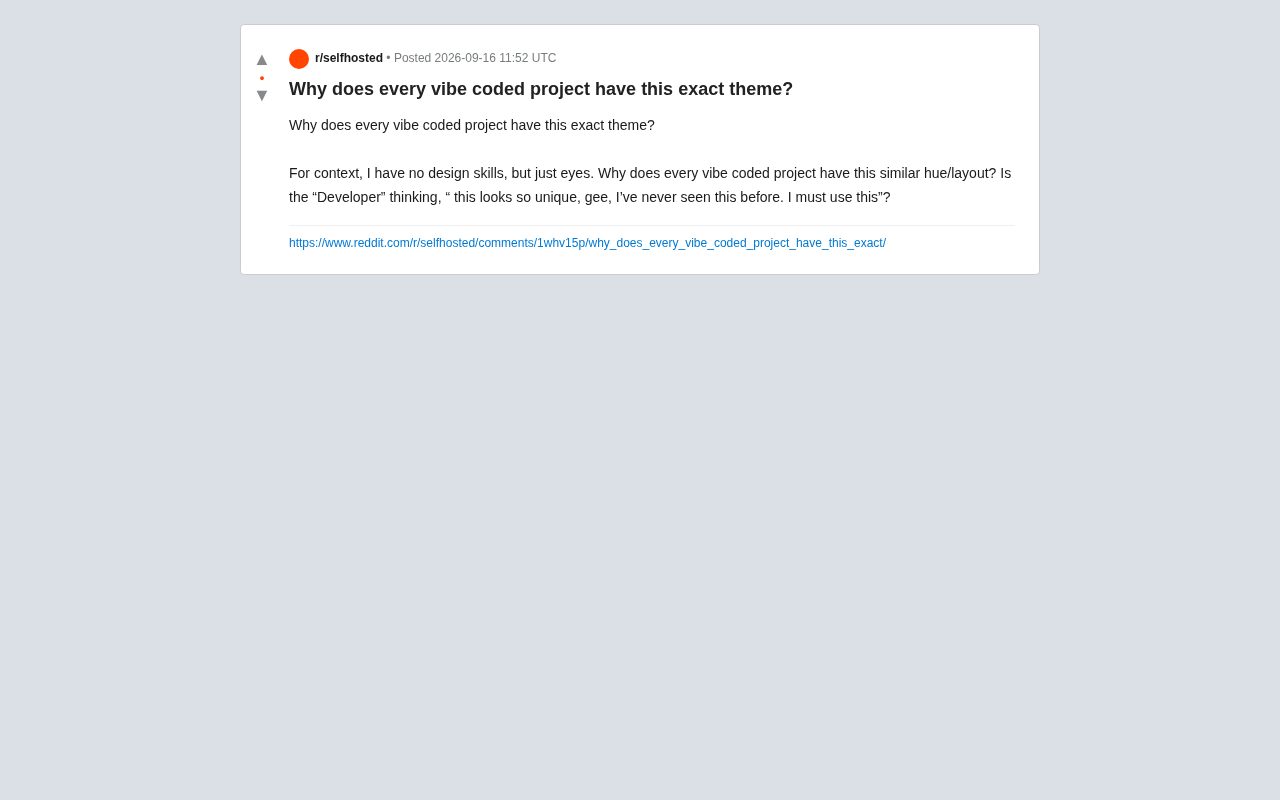
Why Do All AI-Generated Projects Look the Same? The Aesthetic Homogenization Problem in Vibe Coding
Why do vibe coding projects all use purple gradients and dark glassmorphism? We break down the technical roots of AI aesthetic homogenization and how to escape it.