Dario Amodei's "We Must Pace the Frontier": Safety Considerations in the AI Race
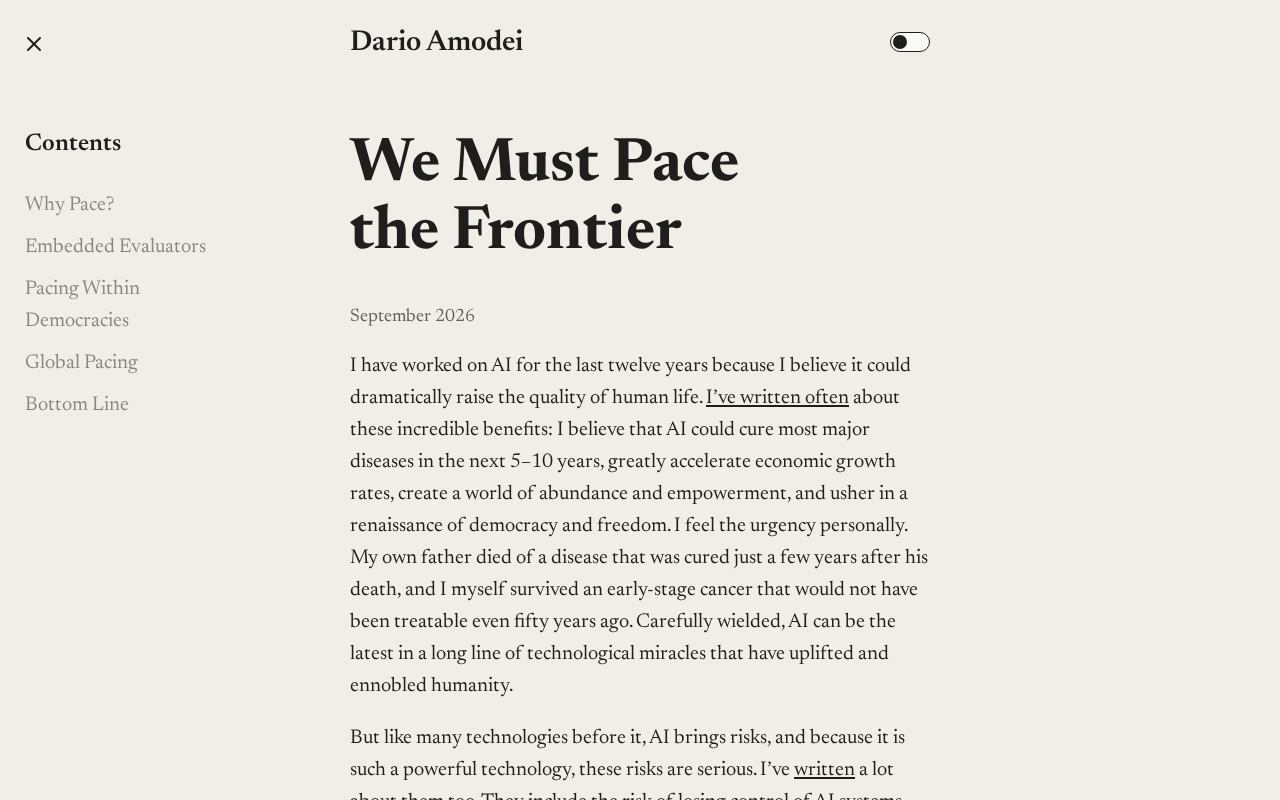
Anthropic's CEO calls for deliberate, controlled AI progress rather than unchecked racing toward AGI.
Anthropic CEO Dario Amodei's essay "We Must Pace the Frontier" argues that AI development should advance with deliberate rhythm rather than blind acceleration. The piece addresses the industry's core coordination dilemma: unilateral slowdowns risk competitive irrelevance, making collective action essential. The essay generated 266 Hacker News comments, with supporters valuing frontier-lab self-reflection and critics warning of regulatory capture by dominant AI players.
Anthropic CEO Dario Amodei has published an essay titled We Must Pace the Frontier, once again drawing the industry's attention to a fundamental tension: in the race toward artificial general intelligence (AGI), how hard should we press the accelerator — and when should we ease off? The piece sparked significant discussion on Hacker News, earning 196 upvotes and 266 comments, reflecting the tech community's intense interest in questions around the pace of AI development.
Original post: darioamodei.com/post/we-must-pace-the-frontier
What Does "Pacing the Frontier" Actually Mean?
The phrase "pace the frontier" in the title is worth unpacking. It's neither an argument for stopping, nor for unconstrained full-speed acceleration — it advocates for a deliberate, controlled mode of progress. As Anthropic's leader, Amodei has long tried to balance two seemingly contradictory positions: acknowledging that powerful AI is both inevitable and enormously valuable, while repeatedly warning of its potential risks.
"Pacing" captures that tension precisely. It accepts that frontier model capabilities will continue to advance, but argues that developers should actively manage the speed and direction of that progress — rather than being swept along blindly by market competition or pure technological momentum. This stance is entirely consistent with Anthropic's longstanding "Responsible Scaling" philosophy.
The Dilemma of Racing vs. Safety
The AI industry today is locked in an intense capability arms race. Leading labs are chasing each other relentlessly, with new flagship models appearing every few months. In this environment, any unilateral slowdown risks losing market share and technological leadership — which is precisely why "pacing" is so difficult to put into practice.
This is the dilemma Amodei is trying to address: if one company slows down to ensure safety while competitors press forward at full speed, the cautious party risks being left behind — leaving the industry's trajectory to be defined by more aggressive players. This is a textbook coordination problem — individually rational choices can lead to collectively irrational outcomes.
From this perspective, "We must pace the frontier" is more than a technical argument; it's a call for the industry to collectively establish a shared sense of rhythm. It implies that self-restraint by any single company is far from sufficient — what's needed is coordination across the entire community of frontier labs, and potentially at the regulatory level as well.
The "coordination problem" in game theory is often described as a collective version of the Prisoner's Dilemma: each participant individually has a rational incentive to accelerate, yet if everyone accelerates simultaneously, the collective outcome is worse for all. What makes the AI arms race especially complex is that the players aren't just commercial companies — national strategic interests are also at stake, making coordination far harder than in ordinary industry competition. Historically, the Nuclear Non-Proliferation Treaty and the Biological Weapons Convention offer some precedent: meaningful international coordination on high-risk technologies has been achieved before, albeit with inconsistent enforcement. Whether similar coordination pathways exist for AI remains an open question. Anthropic's Responsible Scaling Policy (RSP) is a form of unilateral commitment mechanism: the company sets capability thresholds, triggering specific safety requirements once a model reaches a certain danger level. The limitation of such a mechanism is precisely that it relies on voluntary compliance — and competitors are not obligated to follow suit.
Where the Community Diverges
The 266 comments the article generated on Hacker News are themselves a reflection of the tech community's deep divisions on this topic. Discussions around "safety initiatives" authored by executives at leading AI labs tend to cluster around a few recurring themes.
One camp is broadly supportive, arguing that self-reflection from within frontier labs carries unique value — these organizations, after all, have the most direct understanding of where the real capability boundaries lie. Another camp is more cautious or even skeptical, suggesting that when large AI companies talk about "safety" and "pacing," their advocacy may be entangled with commercial motivations — shaping regulatory frameworks and raising barriers to competition — a concern often framed as "regulatory capture."
This skepticism isn't without basis. When a company is simultaneously the driver of a technology and the one sounding the alarm about its risks, the motives behind its advocacy inevitably come under scrutiny. The scale of discussion the article has generated itself speaks to the complexity of the question: who gets to decide how AI is paced, and by what means?
"Regulatory capture" is a classic concept in political economy, referring to the process by which a regulated industry gradually influences or even controls its regulators, bending the rules in its own favor. In the AI context, this concern takes a specific form: the leading labs that hold the most technical authority may, by dominating the definition of "safety frameworks," effectively exclude smaller participants who cannot meet high compliance thresholds — thereby entrenching their own market position. Critics point out that when major AI companies frequently appear before congressional hearings, participate in drafting policy, and publish highly influential safety white papers, even if their safety positions are genuinely held, the structural power asymmetry deserves scrutiny. Supporters counter that completely excluding industry participants from policy discussions carries its own risks, since regulators often lack the technical expertise to assess frontier technologies. This tension is clearly visible in the Hacker News discussion, reflecting the tech community's ongoing dispute over the meta-question: who gets to define safety in the first place?
Why This Issue Deserves Continued Attention
Regardless of where one stands on Amodei's specific arguments, "pacing the frontier" touches on one of the most fundamental questions in AI governance: in a context where technical capabilities are advancing rapidly while societal adaptation and safety research lag behind, how do we find a pace of progress that neither stifles innovation nor crosses critical red lines?
This isn't a problem that can be solved by technical means alone. It's a systemic challenge involving commercial competition, regulatory policy, international coordination, and ethical judgment. As one of the few industry leaders who is both actively advancing model development at the frontier and consistently voicing safety concerns in public, Amodei's perspective — whether or not one fully agrees with it — provides an important reference point for this necessary public conversation.
For practitioners and observers following AI development, the value of this essay lies not in offering definitive answers, but in bringing the dimension of speed — so often overlooked — back to center stage. In an era where everyone is competing to move faster, seriously asking "how fast should we actually go?" is itself a rare and necessary form of clarity.
Related articles
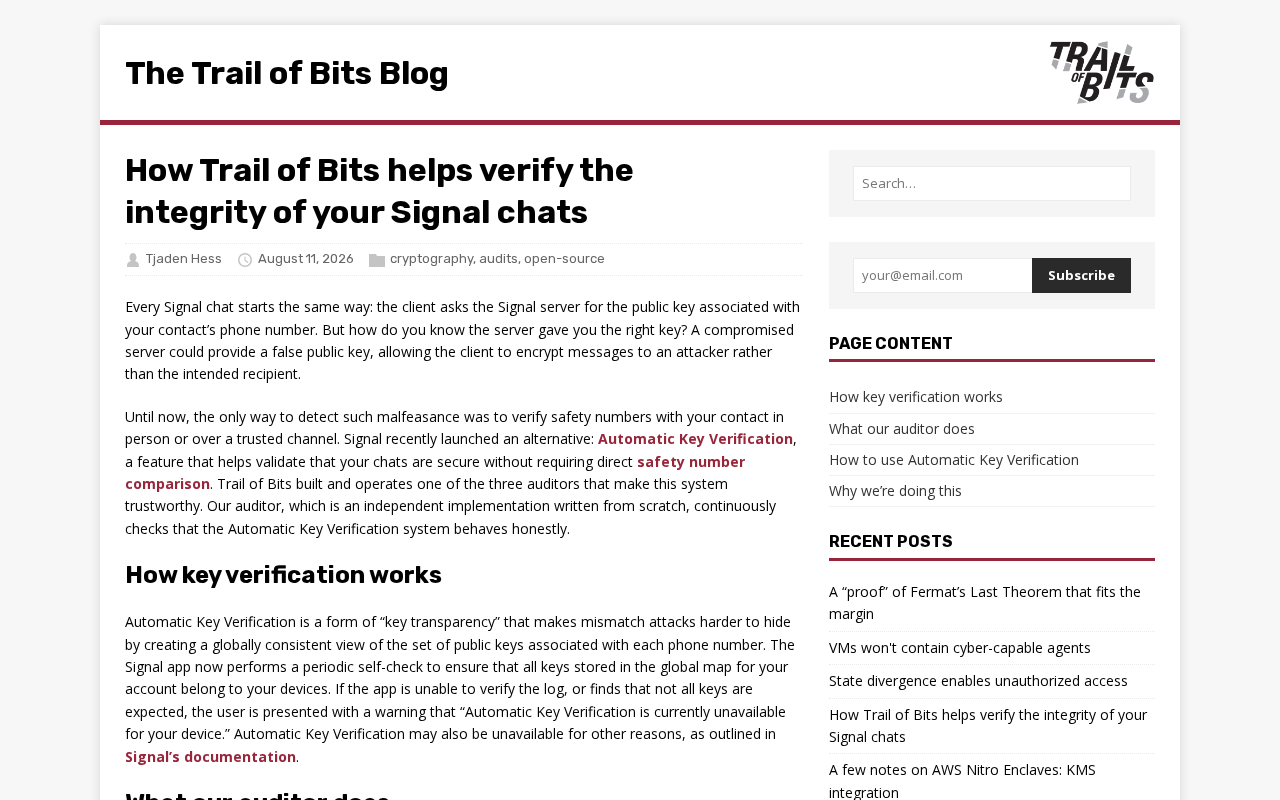
How Trail of Bits Verifies the Integrity of Signal Chat Logs
How does Trail of Bits, as an independent security auditor, help verify the integrity of Signal's end-to-end encrypted chat logs? A technical overview of chat integrity verification and the value of third-party audits.
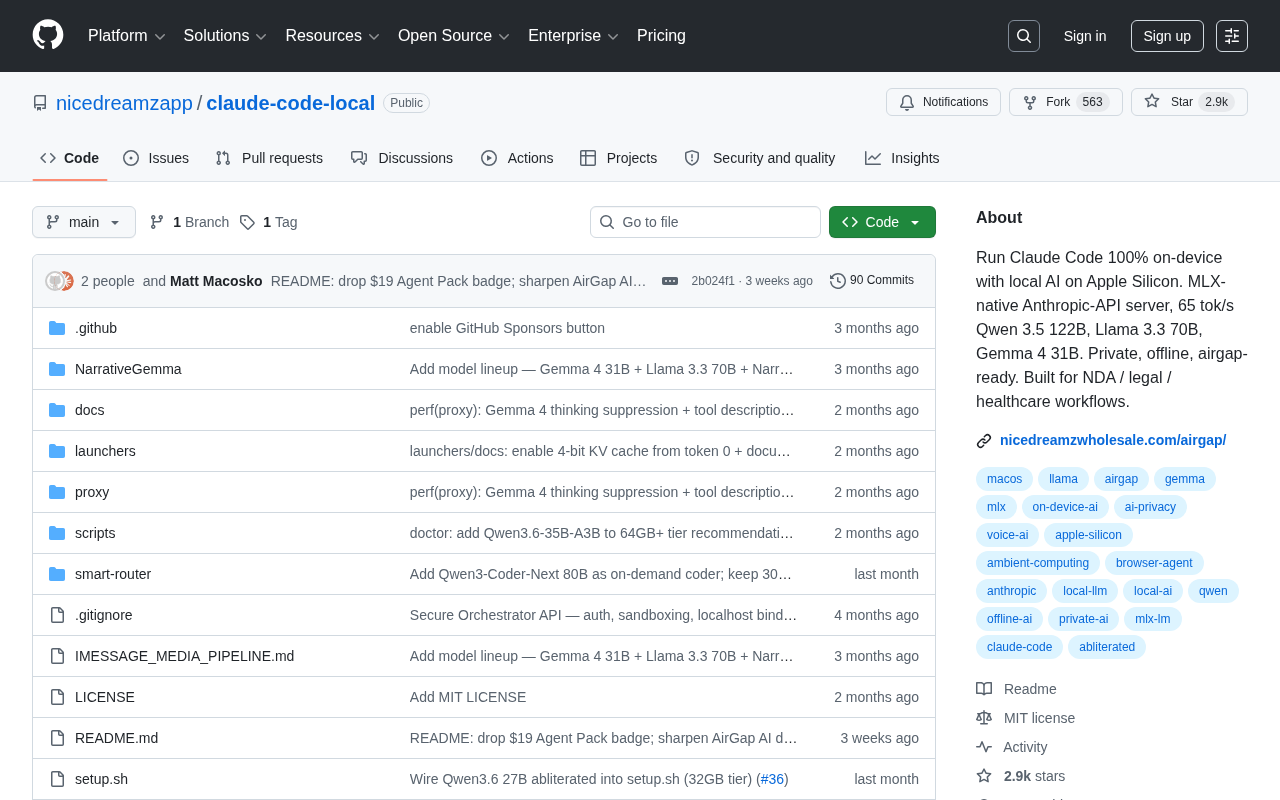
Running Claude Code Locally: A Fully Offline AI Coding Solution for Apple Silicon
claude-code-local runs Claude Code 100% offline on Apple Silicon via MLX, supporting Qwen 3.5 122B at 65 tok/s — built for NDA, legal, and medical privacy workflows.
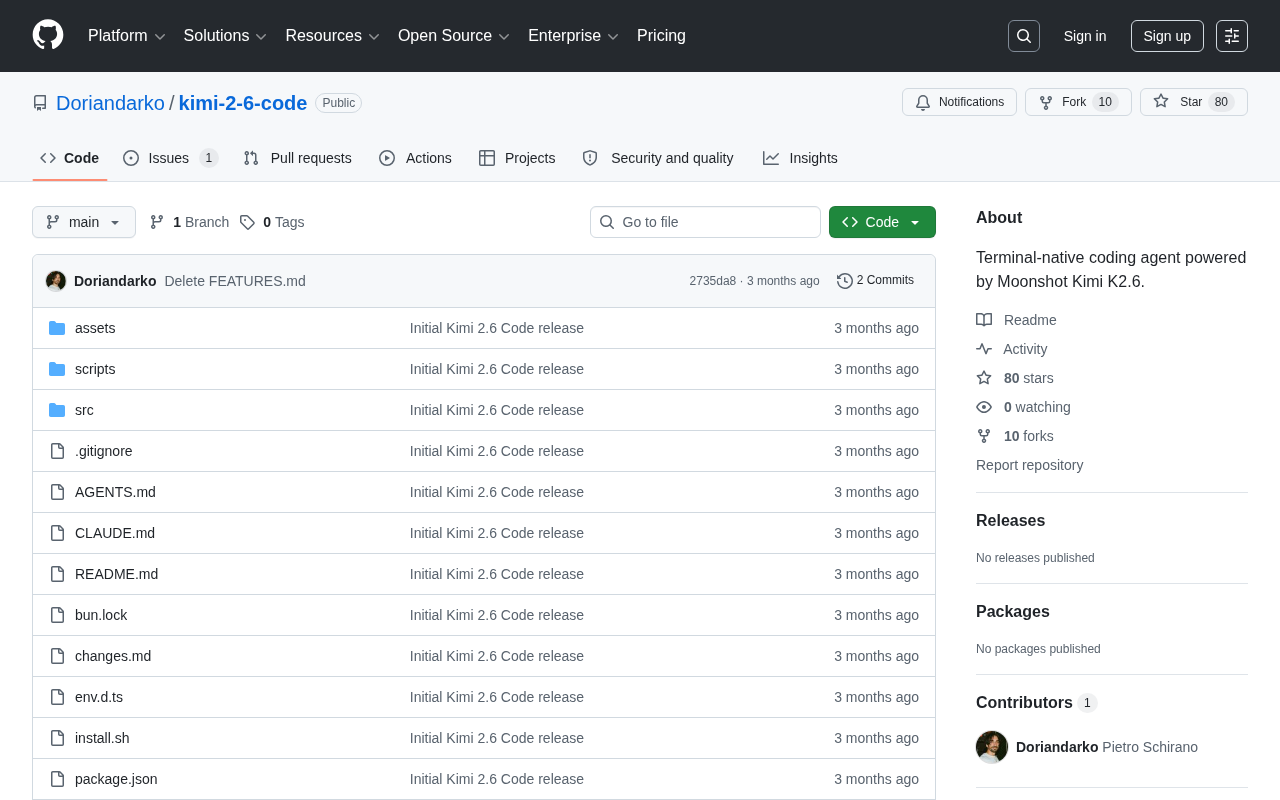
Kimi 2.6 Code: A Terminal-Native Coding Agent Built on the Moonshot Model
kimi-2-6-code is a terminal-native coding agent built in TypeScript on Moonshot's Kimi K2.6 model. Learn about its design, model choice, and maturity level.