Dell XPS 13 Reborn: The First Windows Ultrabook to Truly Challenge the MacBook

Dell's reborn XPS 13 is being called the first Windows ultrabook to genuinely challenge the MacBook.
Dell's XPS brand has made a dramatic comeback after nearly being retired. The previous XPS 13 was meant to be a farewell to the lineup, but its high price and underwhelming experience left fans disappointed. Dell revived the XPS name with the well-regarded XPS 14 and XPS 16, then turned its attention back to the iconic 13-inch form factor. The new XPS 13 is being hailed by reviewers as the first Windows ultrabook to truly rival the MacBook Neo — a striking claim given Apple Silicon's long dominance of the premium ultrabook segment. Full specs are still pending, but the product's ambition is clear.
Dell's XPS brand has had quite the rollercoaster ride. The previous-generation XPS 13 was originally positioned as a swan song for the entire XPS lineup — but it turned out to be a bittersweet, overpriced farewell. Now, Dell has not only brought the XPS name back, but done so with a product that reviewers are calling "the first Windows laptop to truly go toe-to-toe with the MacBook Neo."
From Farewell to Rebirth: The Winding Road of the XPS Brand
Looking back, Dell had once made the call to retire the entire XPS lineup. The previous XPS 13 carried that "goodbye" weight, but its high price tag and underwhelming experience made for a rather disappointing sendoff. For longtime fans of Dell's premium ultrabooks, it was a frustrating moment.
Then things took a turn. Earlier this year, Dell revived the XPS name with the well-received XPS 14 and XPS 16. Both models earned solid reviews, though they maintained the brand's tradition of "very expensive" pricing — firmly in flagship territory.
Redefining the XPS 13
After rebuilding its 14-inch and 16-inch lines, Dell has finally turned its attention back to the most iconic size of all: 13 inches. The new XPS 13 is being framed not as an incremental update, but as a full reinvention of this storied product line.
What's particularly noteworthy is how the press is positioning it — as "the first true competitor to the MacBook Neo." In the highly mature ultrabook market, Apple's MacBook lineup has long set the benchmark for efficiency, battery life, and build quality. The fact that a Windows machine is being directly compared to it speaks volumes about the ambition and investment Dell has poured into this design.
A note on "MacBook Neo": This isn't an official Apple product name. It's an informal term used by media and enthusiasts to refer to Apple's next-generation ultra-thin MacBook concept — shorthand for a thinner, lighter MacBook Air/Pro powered by the latest M-series chips. Since Apple's full transition to Apple Silicon starting in 2020, the M1 through M4 chip generations have established a commanding lead in power efficiency, delivering battery life and performance in their weight class that x86-based competitors have struggled to match. This technology gap has kept Windows ultrabooks in a perpetual catch-up position — which is precisely why seeing the new XPS 13 benchmarked against it carries so much weight.
Why This Competitive Dynamic Matters
The MacBook's dominance comes down to its integrated hardware-software experience. Any Windows laptop hoping to challenge it needs to deliver on portability, the performance-battery balance, and overall fit and finish. Earning the label of "genuine competitor" suggests the new XPS 13 has made meaningful strides across all of these dimensions.
For consumers, this kind of competition is a healthy sign. When the premium ultrabook market lacks strong challengers, both innovation and pricing can stagnate. Dell's return to the 13-inch arena with a revamped XPS could give productivity-focused, portability-minded users a credible alternative outside the Apple ecosystem.
Context on the XPS legacy: The XPS lineup has a long history in the Windows premium ultrabook space. Early XPS 13 models frequently topped "best Windows laptop" lists and were considered the gold standard for 13-inch portables. But as Intel's Evo platform proliferated and product differentiation narrowed across manufacturers, XPS's edge began to erode. Meanwhile, competitors like the Lenovo ThinkPad X1 Carbon, Huawei MateBook X Pro, and Samsung Galaxy Book have continued to battle for high-end business and consumer buyers, making this price segment intensely competitive. Dell's XPS 13 reinvention is about rediscovering a brand identity in a saturated market — not staking out fresh territory.
Final Thoughts
Detailed specs, display options, processor configurations, and pricing for the new XPS 13 have yet to be fully disclosed. But judging by the deliberate, methodical way Dell has rebuilt the XPS brand, this 13-inch model is clearly carrying high expectations. Whether it can deliver on the "MacBook Neo rival" billing in real-world testing remains to be seen — that verdict will require hands-on data.
For anyone currently weighing premium Windows ultrabook options, the return of the Dell XPS 13 is well worth keeping on your radar.
Related articles
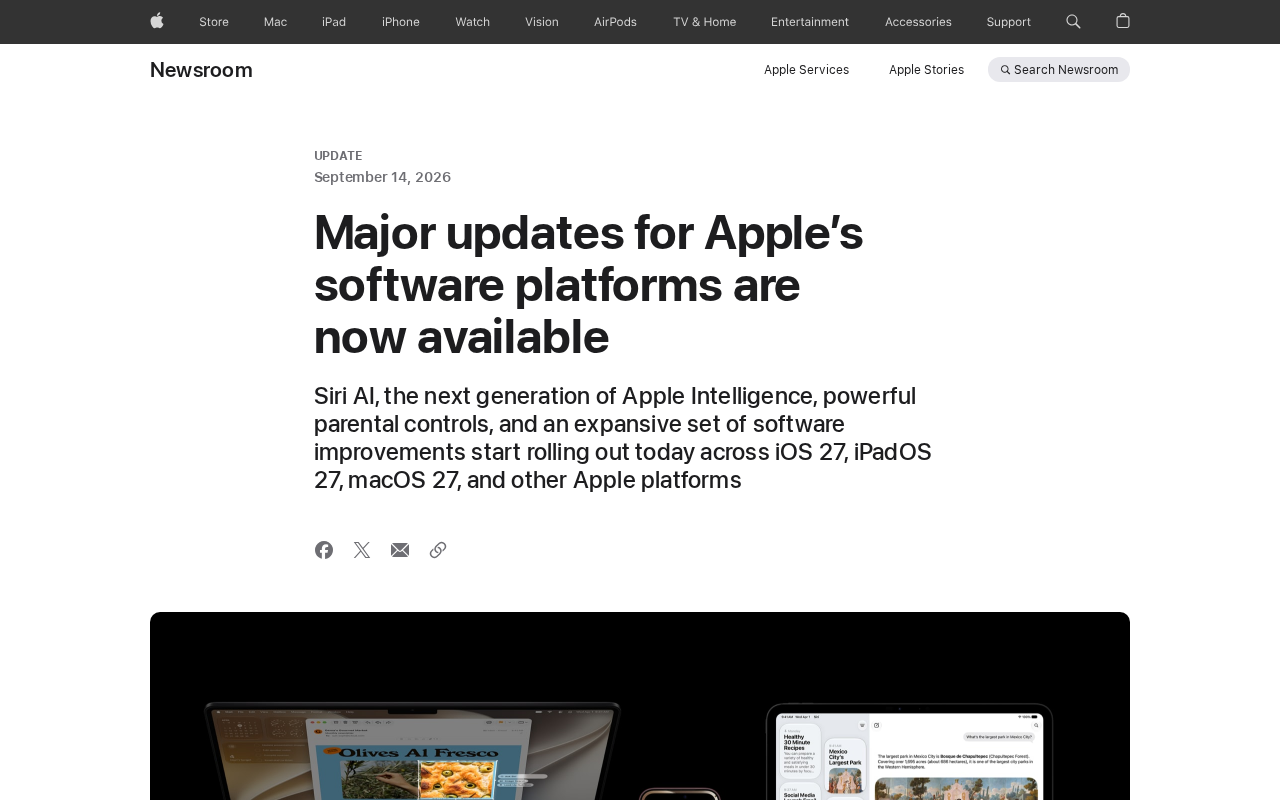
iOS 27, iPadOS 27, and macOS 27: The Information Gap Behind a Discussion
A Hacker News post about iOS 27, iPadOS 27, and macOS 27 sparked speculation about Apple unifying its version numbering. Here's how to read it with limited info.
ComfyUI Prompt Studio: A Workflow for Turning Reference Images into Production-Ready Prompts
ComfyUI Prompt Studio is an open-source workflow that auto-generates production-ready image prompts, multi-model custom prompts, and MiniMax video scripts from reference images.
K2 Horizon 7B: A Small Model Punching Above Its Weight
K2 Horizon 7B ranks between Qwen 3.6 27B and 35BA3b on the Artificial Analysis Intelligence Index, delivering near-mid-tier intelligence at 7B parameters — a strong local deployment option.