Devin Integrates Fable 5.1: 54% Cost Reduction, Cheaper Than Opus
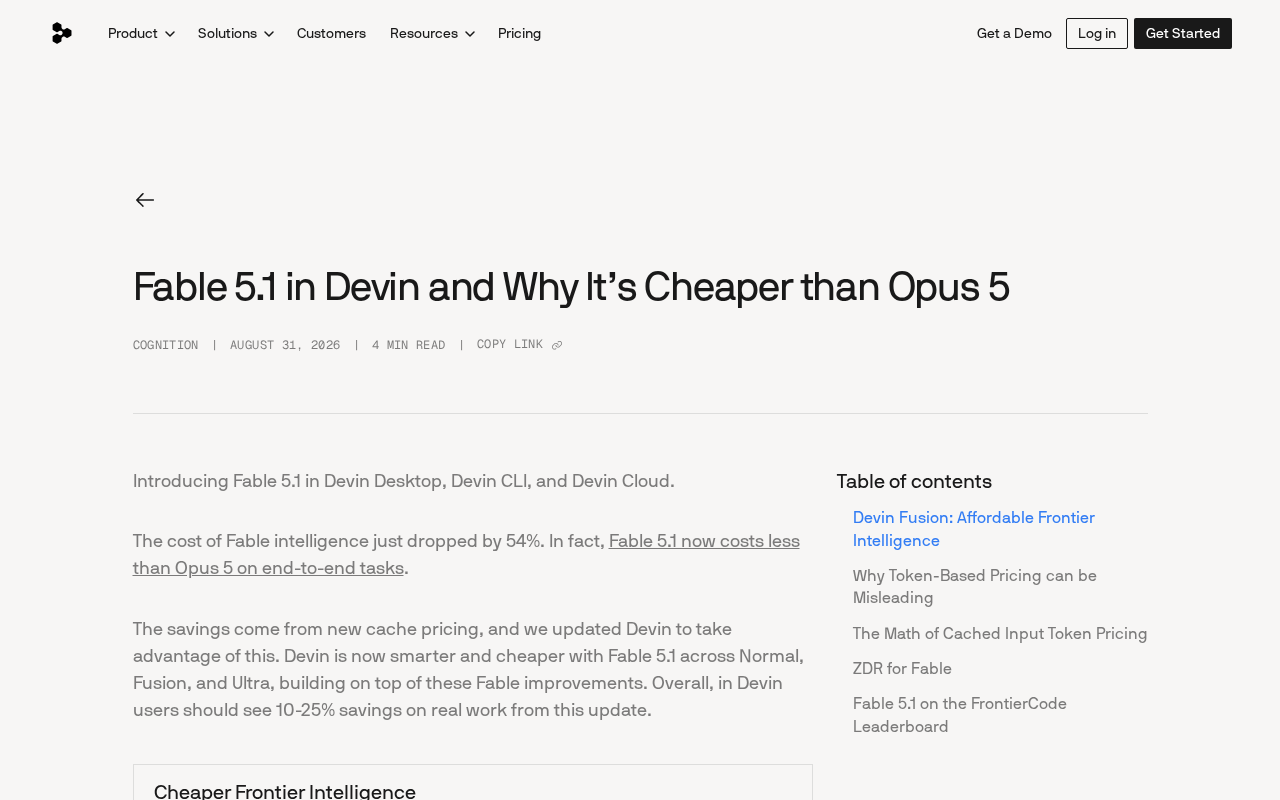
Devin integrates Fable 5.1 and upgrades Fusion harness, cutting AI coding costs by up to 54%.
AI coding assistant Devin has integrated Fable 5.1 and upgraded its Fusion harness, delivering major cost reductions across the board. Fable-level intelligence now costs 54% less than before — cheaper even than Opus. The savings come from structural caching optimizations that reuse repeated context computations rather than recalculating from scratch. Meanwhile, the upgraded Fusion harness matches Fable 5.1's performance on the FrontierCode benchmark at 47% lower cost. Together, these improvements make Devin's frontier coding capabilities significantly more accessible for both small teams and large-scale enterprise users.
AI coding assistant Devin has announced integration of the Fable 5.1 model, along with a key development: Fable-level intelligence is now 54% cheaper — and even more cost-effective than Opus. This shift is driven by caching optimizations that lower the barrier to high-quality code generation.
What Fable 5.1 Brings to the Table
For developers relying on AI for real engineering tasks, model capability and inference cost are always a trade-off. The integration of Fable 5.1 into Devin recalibrates that relationship in a meaningful way.
Officially, Fable-level intelligence now costs 54% less. This means developers can significantly reduce actual spending while maintaining the same reasoning and code generation quality. Even more striking: after this update, Fable is now priced below Opus — long considered a flagship in the high-end model tier. For teams that have historically made toolchain decisions under cost pressure, this is a signal worth paying attention to.
The Source of Cost Reduction: Caching Optimization
It's worth noting that this cost reduction wasn't achieved through simple price cuts or model downsizing — it comes from changes in caching strategy.
In real-world LLM usage, many requests contain repeated context — system prompts, project background, codebase structure, and so on. Recomputing all of this from scratch every time wastes enormous computational resources. With more efficient caching, the system can reuse previously processed content and only compute what has actually changed, significantly reducing the effective cost per call.
What makes this kind of optimization meaningful is that it represents a structural cost saving, not a subsidy-driven price war. For developers, this type of improvement tends to be more sustainable and reflects genuine progress in underlying engineering.
Technically, this caching mechanism is typically referred to as "KV Cache" (Key-Value Cache) or "Prompt Caching." When a large language model processes input, it converts each token into a set of intermediate computation results (Key and Value vectors) that are repeatedly used in the Transformer's attention mechanism. If two requests share the same prefix, the system can directly reuse the previously computed KV vectors, skipping redundant forward-pass computation and dramatically reducing compute costs. Both Anthropic's Claude series and OpenAI's API have introduced similar Prompt Caching features, typically reducing the cost of processing cached tokens by 80–90%. For AI coding assistants like Devin — where each task carries large amounts of fixed system instructions, codebase context, and tool definitions — cache hit rates are naturally high, making these gains even more pronounced than in general conversational settings.
Fusion Harness: Smarter and Cheaper
Beyond the model itself, Devin's Fusion harness (the orchestration and dispatch framework surrounding the model) has also been upgraded.
According to the official announcement, the new Fusion harness is both smarter and less expensive than its predecessor. On the FrontierCode benchmark, it matches Fable 5.1's performance while costing 47% less. This shows that Devin's optimization isn't limited to the model layer — improvements have been made systematically across the entire scheduling, orchestration, and execution pipeline.
The value of a harness — think of it as the coordination layer that wraps the model with tooling and task dispatch — lies in how effectively it translates raw model capability into actual engineering output. A smarter harness means fewer calls and fewer detours for the same task, which is itself a significant source of cost savings. When model-layer and dispatch-layer optimizations stack, the overall improvement in price-performance becomes even more pronounced.
FrontierCode is a benchmark designed to evaluate AI systems on real-world software engineering tasks. Its design philosophy is similar to SWE-bench — a widely used academic benchmark that requires models to automatically generate code patches that pass tests, based on GitHub Issues. The core value of these benchmarks is that they assess end-to-end engineering delivery capability, not just code completion accuracy, making them better proxies for how an AI assistant performs in actual development workflows. By using FrontierCode to describe the Fusion harness upgrade, Devin is anchoring its performance comparisons to realistic task conditions rather than isolated code-fill exercises. This also demonstrates that the intelligence of the dispatch layer (harness) makes an independently quantifiable contribution to benchmark scores — it isn't solely determined by the underlying model.
What This Means for Developers
Taken together, these changes send a clear message from Devin: maintain frontier-level coding capability while continuously driving down the cost of use.
For individual developers and small-to-mid-sized teams, Fable 5.1 priced below Opus lowers the barrier to accessing high-quality AI coding assistance. For enterprises running AI-assisted development at scale, cost reductions of 54% and 47% translate into meaningful budget savings at volume. And under-the-hood engineering improvements like caching optimization and harness upgrades often signal stronger long-term competitiveness than simple price adjustments alone.
That said, publicly available information currently focuses primarily on cost and benchmark performance. Questions around Fable 5.1's capability boundaries on specific tasks, stability, and head-to-head comparisons with competing products still require more real-world validation. Developers considering a toolchain switch are advised to evaluate these updates against their own actual use cases before making a decision.
Related articles
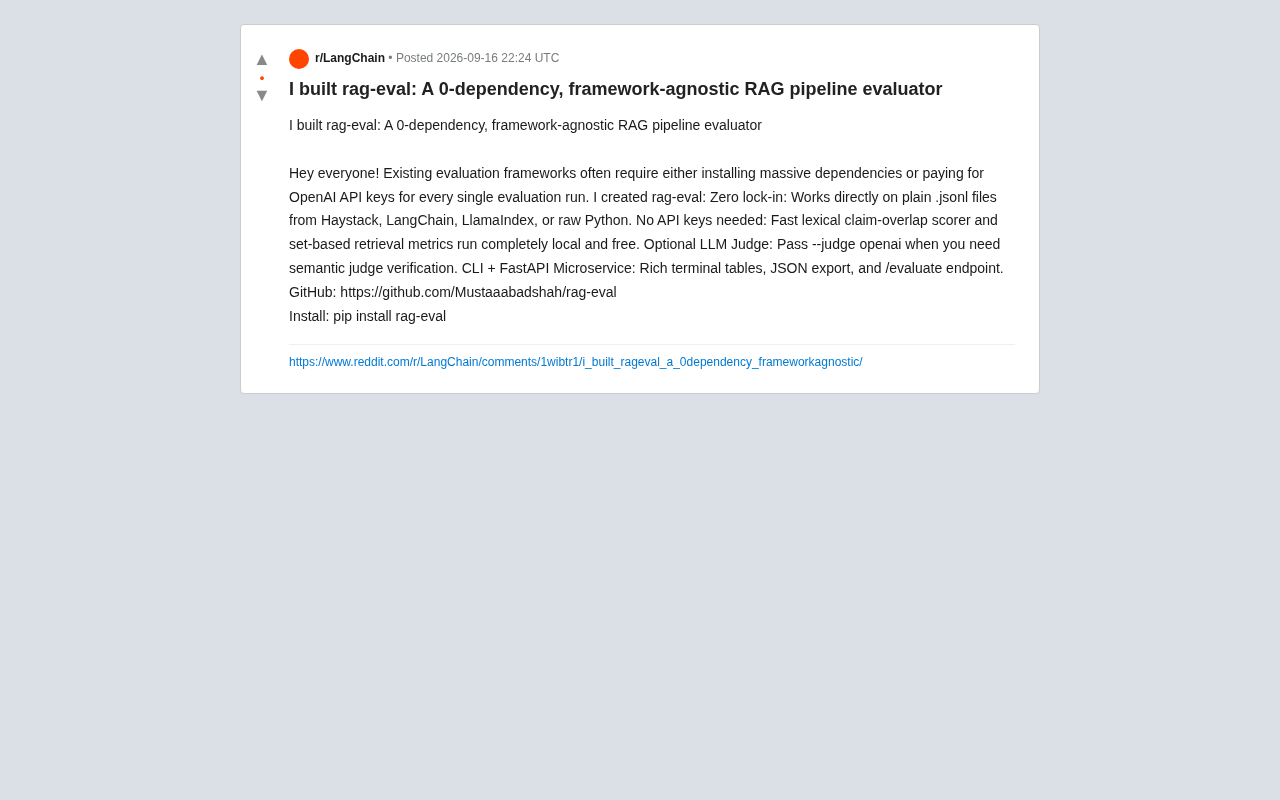
rag-eval: A Zero-Dependency, No-API-Key RAG Evaluation Tool
rag-eval is a zero-dependency, framework-agnostic open-source RAG pipeline evaluation tool. It supports free local lexical and retrieval metrics with no API keys required, and offers optional LLM Judge for semantic validation. Compatible with Haystack, LangChain, and LlamaIndex.
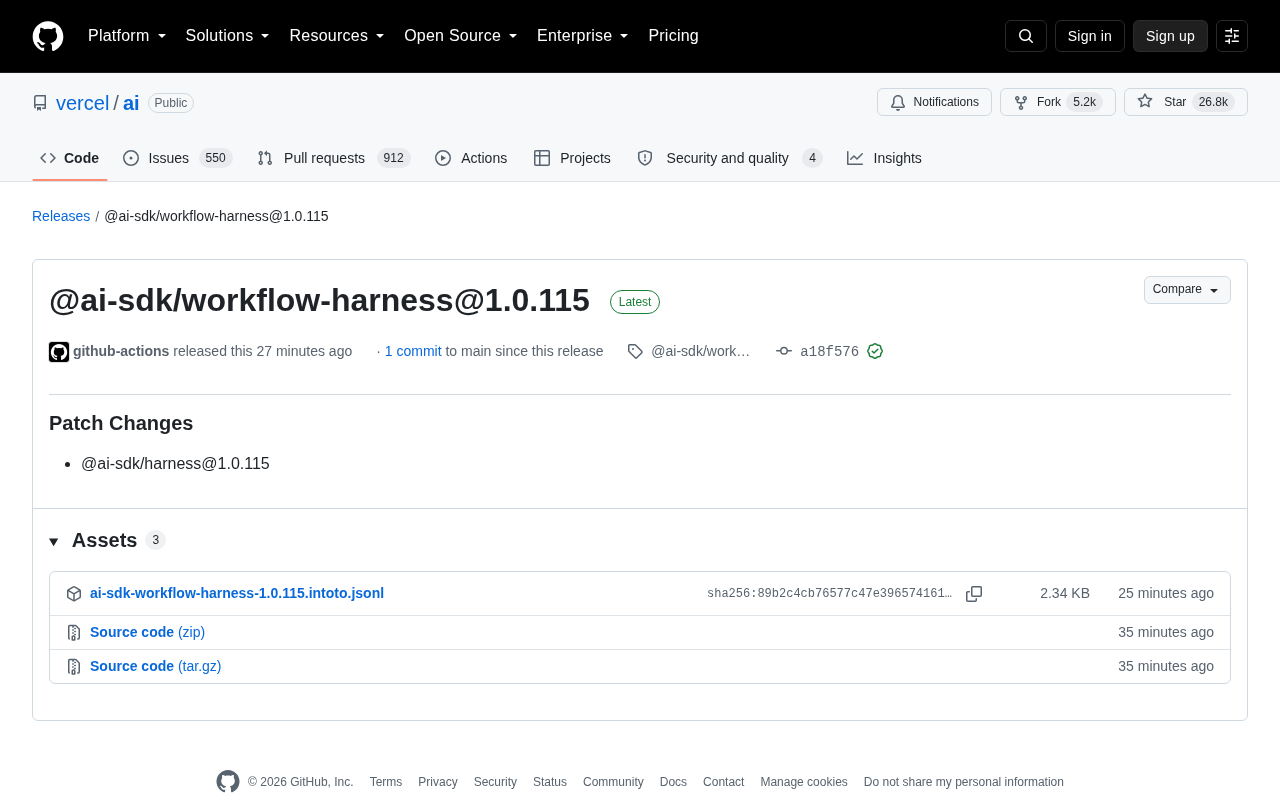
Vercel AI SDK Releases workflow-harness 1.0.115 Patch Update
Vercel AI SDK releases @ai-sdk/workflow-harness 1.0.115 patch update, syncing the @ai-sdk/harness dependency. Learn about the update, release mechanism, and what it means for developers.
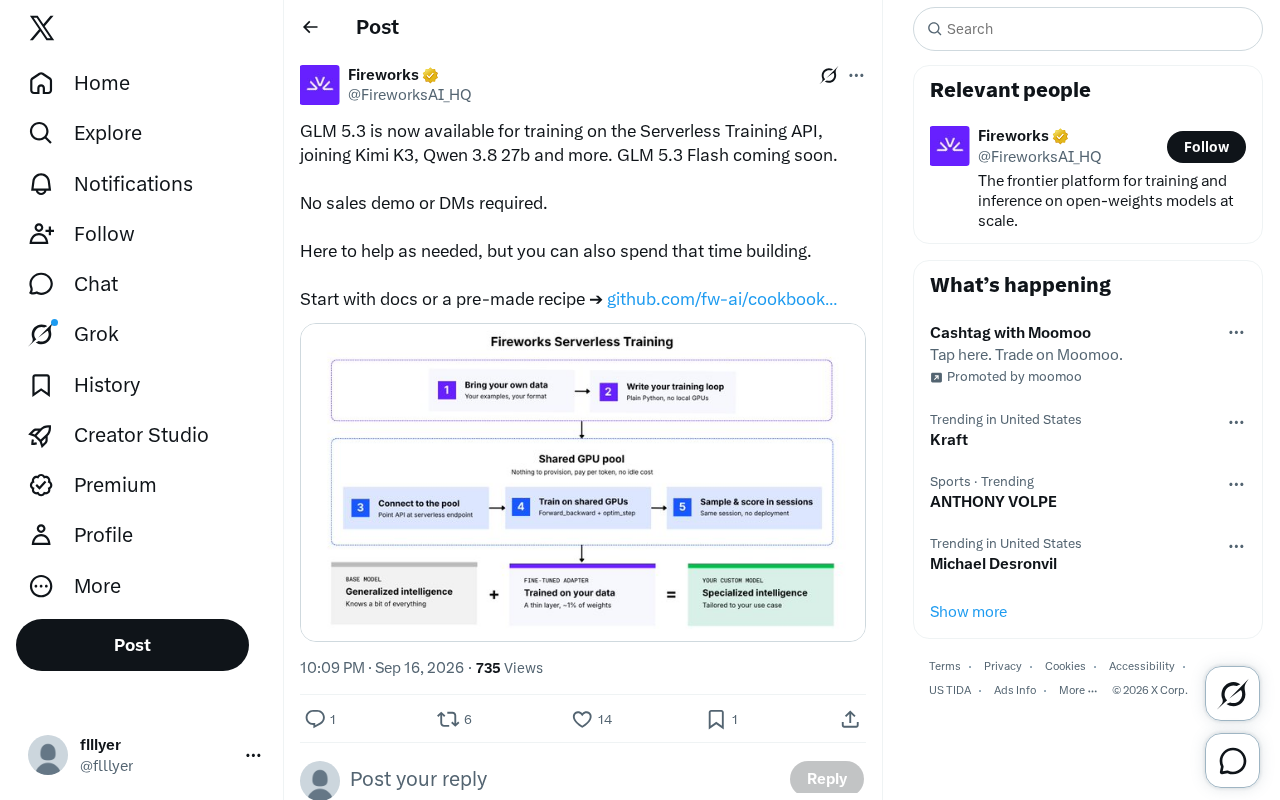
GLM 5.3 Now Available on Serverless Training API — No Sales Process Required
GLM 5.3 is now available on Serverless Training API alongside Kimi K3 and Qwen 3.8 27b. No sales process needed — start fine-tuning directly via docs or pre-made recipes.