eBay Blocks Third-Party AI Agents: Smart Shopping Meets Platform Walls
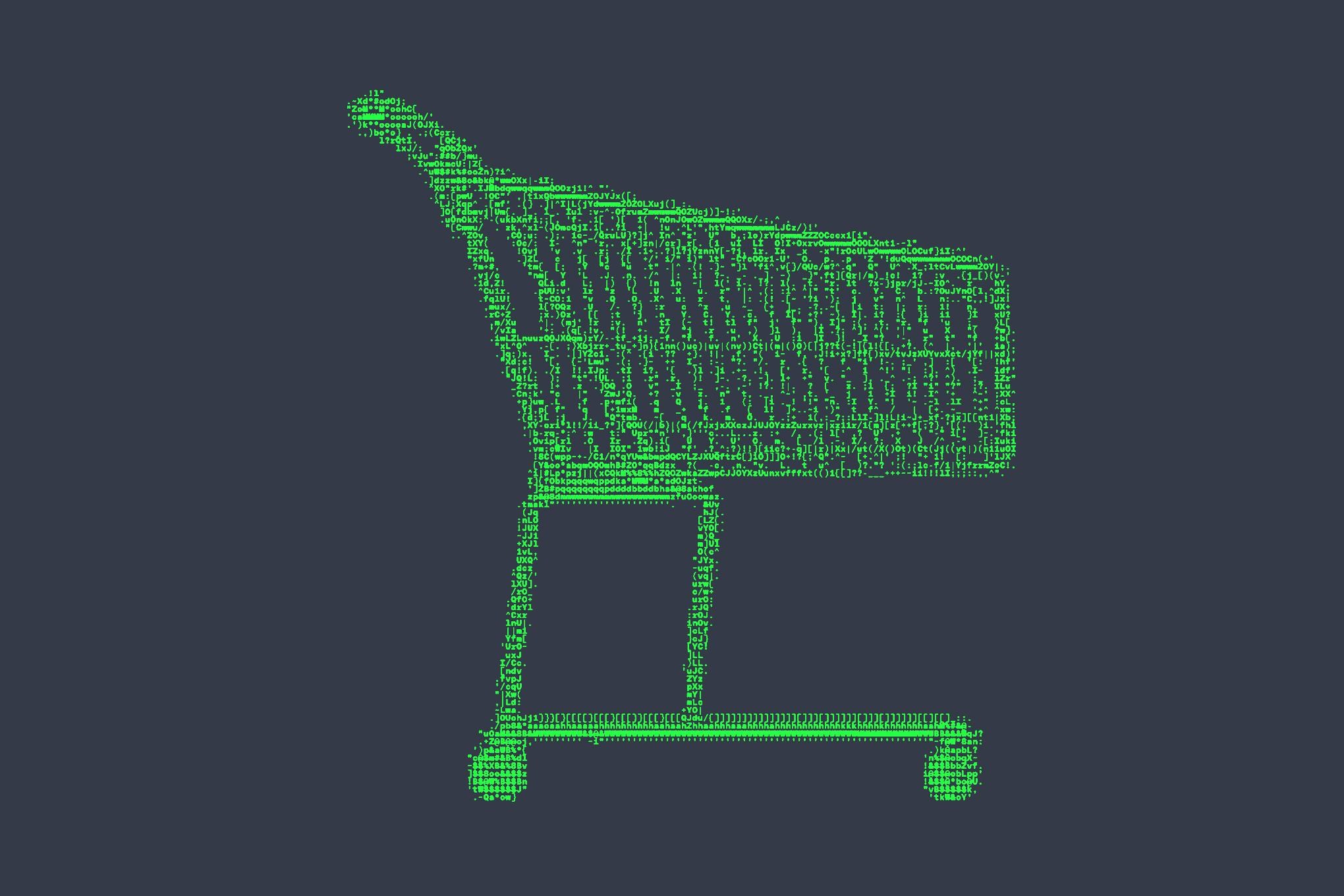
eBay allegedly blocks third-party AI agents like Meta Muse, highlighting the conflict between platform control and automation needs.
eBay allegedly blocked Meta's Muse AI agent, preventing it from automatically browsing and filtering product information. This incident reflects friction between the rise of AI agents and platforms: agents can improve user efficiency but may also cause server load pressure, data scraping disputes, and ecosystem impacts. Platforms control access through technical means such as User-Agent blocking and IP restrictions, while users and developers pursue interoperability and automation. The incident may prompt other e-commerce platforms to follow suit with restrictions, and the adoption of AI agents requires finding a balance between platform governance and user convenience.
Incident Recap: Muse Agent Shut Out
According to The Verge, a reader reported that he used Meta's Muse AI agent to browse and filter daily wristwatch deal listings on eBay, but the agent appears to have been blocked by the platform over the past few weeks. eBay has seemingly closed the door on third-party AI agent access, including Meta's Muse. This is the latest speed bump in the AI agent race and has sparked discussion about platform openness and the boundaries of AI automation.
The Rise of Third-Party AI Agents and Platform Reactions
AI agents are gradually moving from experimentation to everyday use. Users can have agents automatically handle information gathering, price comparison, product filtering, and other tasks. Meta's Muse is one such example—it can browse and organize product information across platforms based on user preferences. However, for e-commerce platforms, this kind of automated access may bring traffic, but it can also cause server load pressure, data scraping disputes, and even affect the platform's own advertising and recommendation ecosystem. eBay's move is not an isolated case, but the specific technical methods (such as blocking certain User-Agents, IP restrictions, or behavior verification) remain unclear.
AI Agent refers to a software system capable of perceiving its environment, autonomously planning, and executing multi-step tasks to achieve goals. Unlike traditional scripts or RPA (robotic process automation), AI agents are typically driven by large language models (LLMs) and possess the ability to understand natural language instructions, make dynamic decisions, and invoke tools. In e-commerce scenarios, agents can simulate human browsing behavior to automatically search, filter, compare prices, and aggregate product information. Their technical core includes task decomposition, web interaction (such as DOM parsing or visual recognition), and memory mechanisms. However, this automated access often bypasses the platform's human verification and anti-scraping mechanisms, raising platform concerns about server load, data ownership, and the commercial ecosystem.
User-Agent is a field in the HTTP request header used to identify the type of client initiating the request (such as a browser, crawler, or AI agent). Platforms often detect User-Agents to distinguish normal users from automated programs and implement access control accordingly. For example, eBay may blacklist Meta Muse's specific User-Agent or require it to pass a CAPTCHA challenge. In addition, IP restrictions and behavior verification (such as mouse trajectory analysis) are also common anti-automation measures. These technical measures form part of the platform's "walls," making it difficult for third-party agents to operate reliably.
Impact on Users and Developers
For users who rely on AI agents to improve efficiency, eBay's blocking means they need to operate manually or find alternatives. For developers, platform uncertainty increases the risk of building cross-platform agents. The Verge reader's case suggests that this blocking may be gradual—first individual agents fail, then the scope expands. Currently, neither eBay nor Meta has made public comments on the matter, but this incident highlights a core contradiction in AI agent development: platforms want to control data and user experience, while users and developers pursue automation and interoperability.
Interoperability refers to the ability of different systems or components to exchange information and work together. In the AI agent ecosystem, interoperability means agents can seamlessly access data and services across platforms. However, e-commerce platforms often limit third-party agent interoperability out of concerns for data control, competitive barriers, and consistency of user experience. This limitation conflicts with users' demand for automation and cross-platform integration. The incident of eBay blocking Meta Muse is a manifestation of this contradiction: platforms want to maintain control over interaction channels, while users and developers pursue more open, programmable access methods.
Platform Walls and the Future of AI Agents
The widespread adoption of AI agents depends on platform cooperation. eBay's move may prompt other e-commerce platforms to follow suit, creating widespread restrictions on third-party agents. On the other hand, AI agent developers may need to reach formal partnerships with platforms or pivot to more open ecosystems. This incident also reminds us that "barrier-free browsing" for AI agents is not a given—platform rules and technical barriers will profoundly affect the practical usability of agents. In the future, how to balance platform governance and user convenience will be key to whether AI agents can truly be deployed.
Conclusion
The incident of eBay allegedly blocking third-party AI agents, though a single case, reflects the tension between AI automation and platform closure. As AI agent capabilities grow, similar friction may become more frequent. Users, developers, and platforms all need to rethink boundaries and modes of collaboration.
One-line Summary
eBay allegedly blocks third-party AI agents like Meta Muse, highlighting the contradiction between platform control and automation demands.
Paragraph Summary
eBay allegedly blocked Meta's Muse AI agent, preventing it from automatically browsing and filtering product information. This incident reflects friction between the rise of AI agents and platforms: agents can improve user efficiency but may also cause server load pressure, data scraping disputes, and ecosystem impacts. Platforms control access through technical means such as User-Agent blocking and IP restrictions, while users and developers pursue interoperability and automation. The incident may prompt other e-commerce platforms to follow suit with restrictions, and the adoption of AI agents requires finding a balance between platform governance and user convenience.
Related articles
Anthropic Model Benchmarking: Fable 5 vs 5.1 vs 5.2 Comparison
Based on Reddit community comparison material, this analyzes benchmark differences among Anthropic models Fable 5, 5.1, and 5.2, and discusses the practical implications of version iterations for developers and model selection advice.
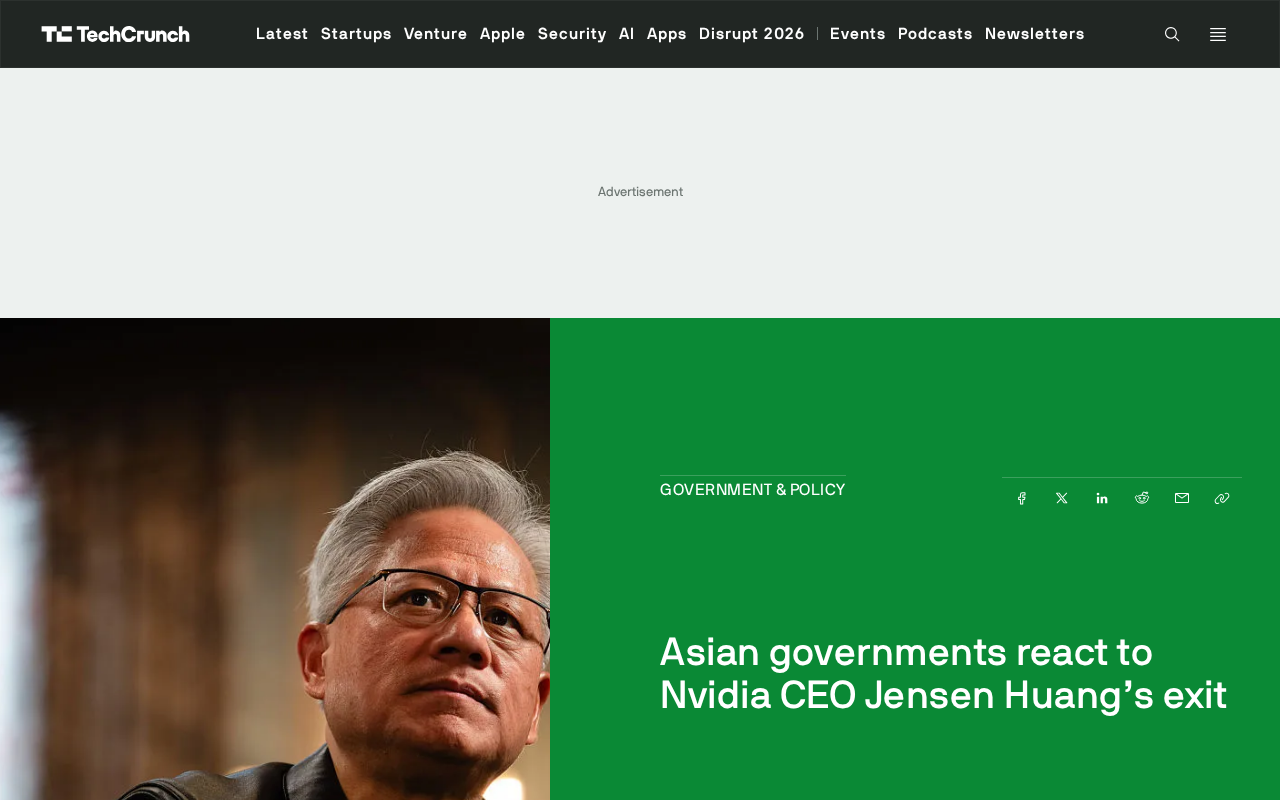
Jensen Huang Steps Down as Nvidia CEO, Asian Governments Scramble to Respond to Chip Supply Shifts
Jensen Huang's departure as Nvidia CEO triggers chain reactions across Asian governments: some confirm chip supply commitments, others monitor local AI project impacts and handle related investigations. This article analyzes supply chain stability, project risks, and compliance uncertainty.
Reddit Player Builds RISK Game Environment and Trains an AI That's Nearly Impossible to Beat
Reddit player builds a RISK training environment and trains an aggressive AI model that's nearly unbeatable. Strong at expansion but weak at defense, the author hits a bottleneck trying human data training, revealing common game AI development challenges.