"Everyone Else Should Slow Down AI — Except Me": The Double Standard Trap in Big Tech
The AI industry's "slow down everyone but me" paradox is a Prisoner's Dilemma, not just hypocrisy — and only institutions can fix it.
When AI leaders call loudly for safety and deceleration while quietly racing ahead themselves, a single satirical Hacker News headline captures the contradiction perfectly. The article argues this isn't simple hypocrisy but a structural Prisoner's Dilemma: the first mover to slow down absorbs all competitive costs alone, while urging others to slow down costs nothing and yields reputational and strategic gains. Moral self-regulation cannot overcome these incentives — only binding, enforceable rules that apply equally to every player can shift the game. Yet regulation carries its own risk of capture by incumbents, making the challenge even harder to resolve.
The Industry Paradox Captured in a Single Line
"Everyone should slow down AI development — except me." This wry observation racked up 121 upvotes and nearly 30 comments on Hacker News. In a single line, it nails the most awkward and honest moment in today's AI race: nearly every industry leader calling for "responsible development" has no intention of letting their own team actually stop.
This isn't a new phenomenon, but it deserves repeated scrutiny — because what it exposes isn't any one person's hypocrisy, but a structural trap. When an entire industry worries about runaway risk, any unilateral slowdown means handing market share, talent, and technological leadership straight to competitors.
The Loudest Voices for Slowing Down Are Often Running the Fastest
Over the past few years, we've heard no shortage of public calls for AI safety. People have signed open letters demanding a pause on large model training, testified before Congress about the need for regulation, and repeatedly warned about the existential risks of AGI. These concerns aren't necessarily hollow — many of the worries are genuinely well-founded.
The problem is that the institutions and individuals making these calls have, almost without exception, simultaneously ramped up investment, expanded compute capacity, and competed fiercely for top researchers. The ink on "pause for six months" letters was barely dry before the next-generation model release schedules kept rolling out, uninterrupted.
This tension between words and actions is exactly what that headline lampoons: slowing down is advice for others, speeding up is the plan for yourself. When someone sincerely believes a technology is dangerous enough to warrant an industry-wide halt — yet insists they must be the first to cross the finish line — the logic develops a crack that's hard to paper over.
This Is a Prisoner's Dilemma, Not Simply Hypocrisy
Reducing this to "hypocrisy" is too easy. A more accurate frame is the classic Prisoner's Dilemma.
For any rational actor, the optimal collective outcome might be coordinated deceleration and shared safety standards. But as long as there's no guarantee others will comply, the side that slows down first absorbs all the costs — lost market share, talent drain, missed technology windows — while the benefits are shared by everyone, or captured entirely by rivals.
Under this game structure, "I'll keep running while urging others to slow down" actually becomes the rational individual choice. Calling for a slowdown burnishes a responsible public image, shapes the regulatory environment, and even puts competitive pressure on others. Not slowing down yourself protects your competitive position. Combine the two and you get the elegant self-interest that one-liner describes.
This also explains why moral self-discipline and industry self-regulation are unlikely to work on their own. When the incentives all point toward acceleration, counting on participants to hit the brakes out of conscience isn't realistic.
From Personal Ethics to Institutional Design
If voluntary deceleration is off the table, the only remaining path may be binding external rules — which is precisely why discussions about AI regulation continue to intensify.
Only when every player faces the same enforceable, verifiable ruleset does the "defect" option in the Prisoner's Dilemma lose its appeal. In other words, what could actually make everyone slow down isn't a CEO having a crisis of conscience — it's an institutional environment where deceleration costs everyone equally, and violations carry real penalties.
Of course, this spawns its own thorny questions: Who writes the rules? How do you coordinate across borders? Will regulation stifle innovation? And will large incumbents exploit regulation to cement their own position — the so-called "regulatory capture" problem? Plenty of the comment thread pointed exactly here: placing heavy emphasis on risk and pushing for stringent regulation could easily become a tool for leaders to deepen their moats. That makes the whole issue considerably more complex.
How Should We Evaluate These Calls?
For practitioners and observers alike, that highly upvoted headline offers a useful mental filter: when you hear an industry leader talk at length about AI risk and the need to slow down, watch what they actually do.
Whether their words and their investment decisions align usually tells you more than the words alone. Genuine concern should come with visible self-constraint — not just recommendations aimed at everyone else. This isn't to dismiss all safety advocacy as worthless — many of the risks are real and deserve to be taken seriously — but it's a reminder to apply an extra layer of critical thinking when weighing these voices.
The speed race in AI development is, at its core, a contest over how collective rationality and individual incentives can be aligned. Until we find effective institutional answers, "everyone should slow down — except me" will likely remain an uncomfortably accurate description of reality.
Related articles
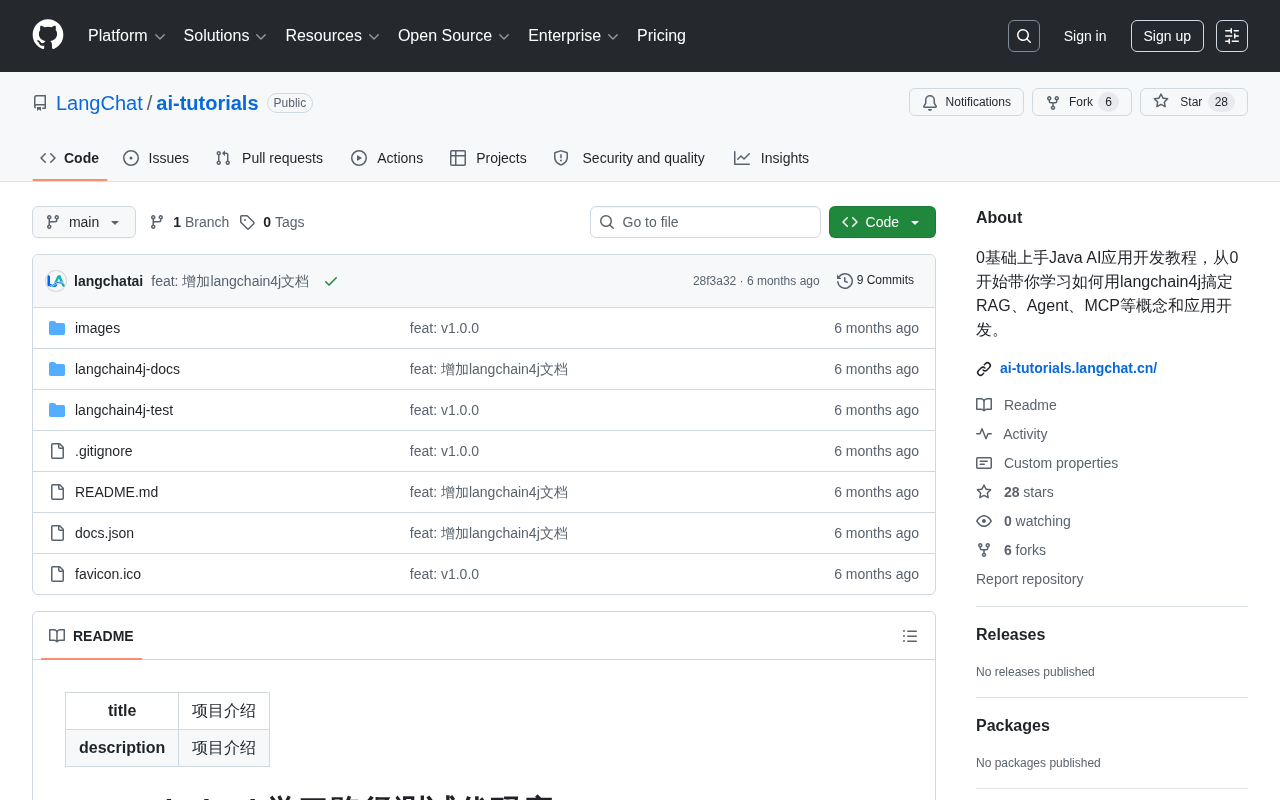
LangChat ai-tutorials: A Beginner's Guide to AI App Development for Java Developers
LangChat ai-tutorials is a beginner-friendly Java AI tutorial series built on langchain4j, covering RAG, Agent, and MCP for Java developers entering AI development.
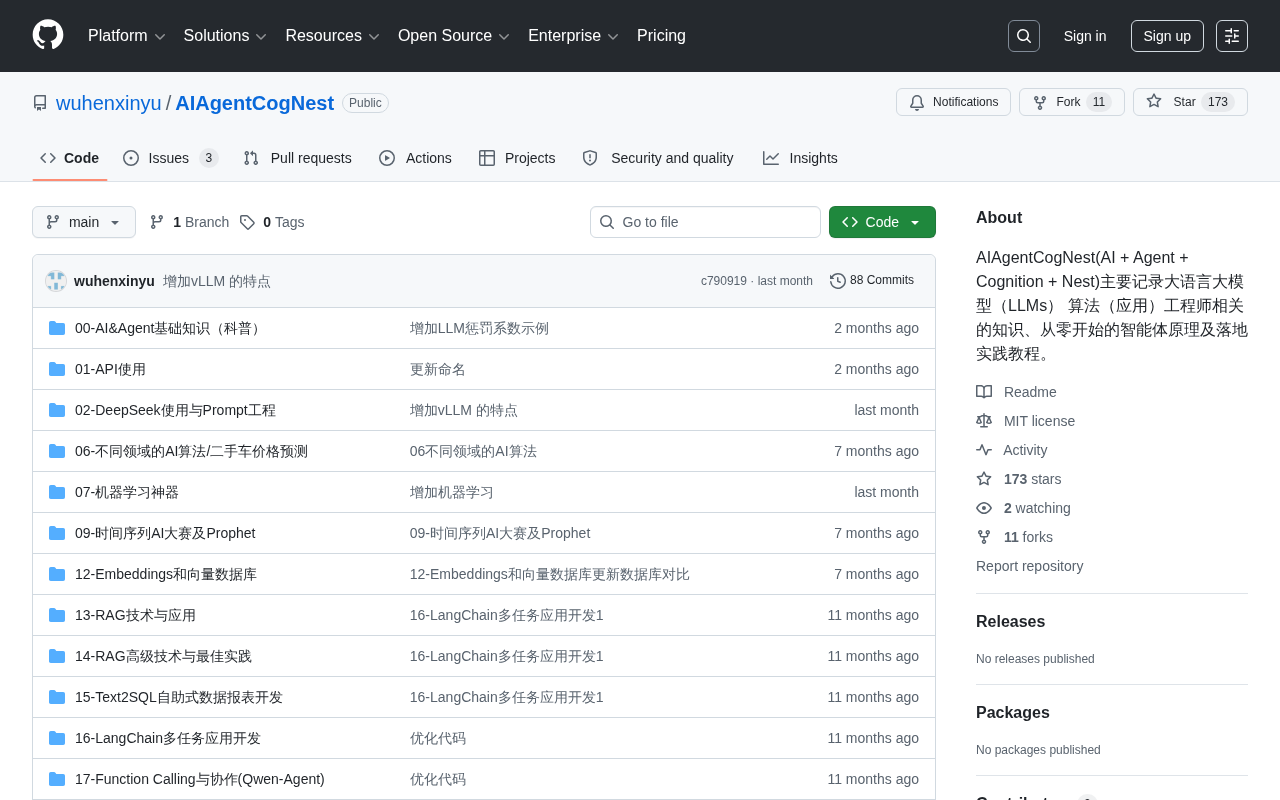
AIAgentCogNest: An Open-Source AI Agent Knowledge Incubation & Development Tutorial Project
AIAgentCogNest is an open-source AI Agent knowledge incubation project offering structured LLM application development tutorials for developers, engineers, and teams transitioning to AI.
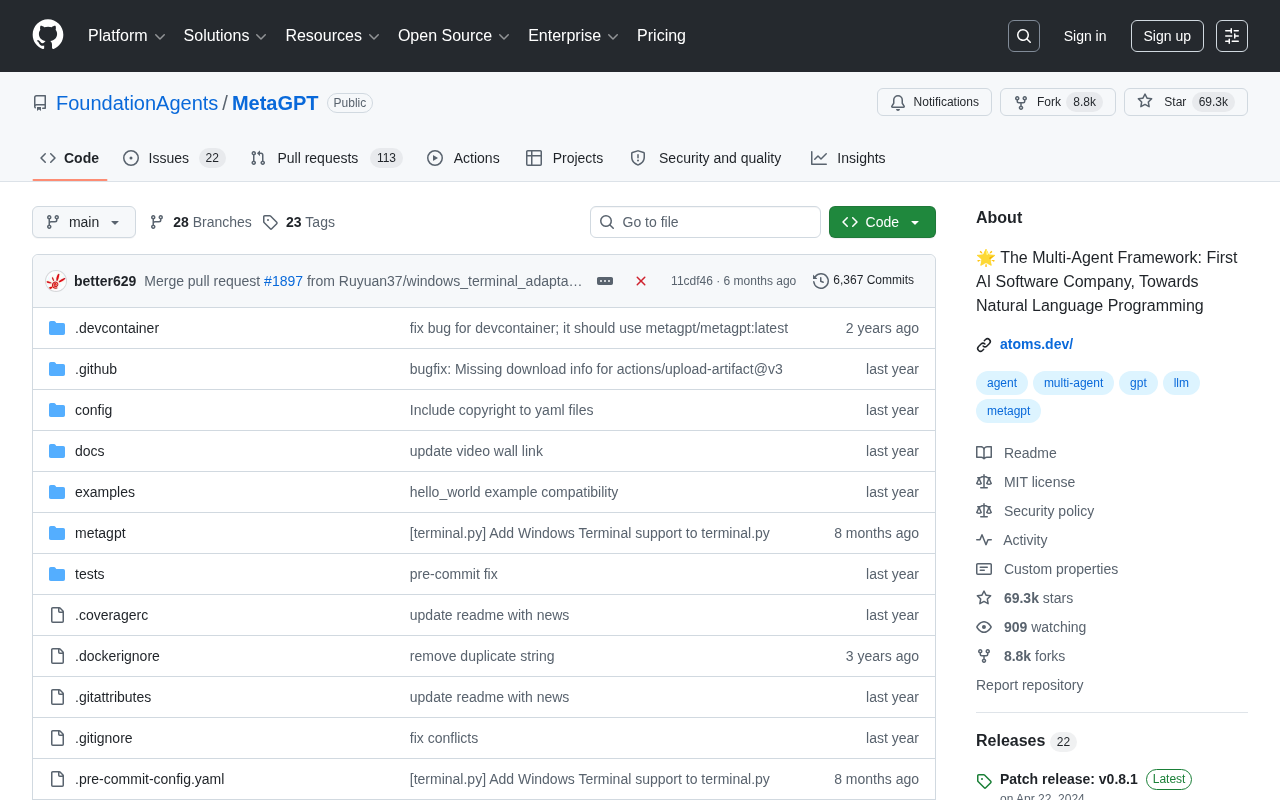
MetaGPT Explained: Building the First AI Software Company with a Multi-Agent Framework
MetaGPT is an open-source multi-agent framework with 67K+ GitHub stars that simulates a full AI software company — with PM, architect, and engineer agents — to enable natural language programming.