Figo: AI-Powered Competitor Monitoring Tool That Delivers a Weekly Intelligence Briefing

Figo automates competitor monitoring and tracks AI assistant recommendations, delivering action-oriented weekly briefings.
Figo is an automated competitor monitoring tool for marketing and SEO teams. After adding your website, it identifies competitors and tracks search rankings, Google/Meta/TikTok ads, and major social platforms. Its standout feature is monitoring how ChatGPT, Claude, Gemini, and Perplexity recommend products — tapping into the emerging GEO space. Every Monday, it delivers a concise briefing answering what changed, what it means, and what to do next. The product is in early stages and accuracy still needs real-world validation, but it's worth watching for teams building out AI-era competitor intelligence.
In today's competitive market, knowing what your rivals are up to can make or break your marketing strategy. Manually tracking competitors' ranking changes, ad campaigns, and content updates is both time-consuming and error-prone. Figo, a tool that recently launched on Product Hunt, aims to solve this pain point through automation. With the tagline "See every move your competitors make," it earned 80 upvotes and ranked #10 on its launch day.
What Is Figo
Figo is a competitor monitoring tool built for marketing and SEO teams. Its core idea is to consolidate competitor intelligence scattered across different platforms, handling the routine monitoring work on users' behalf. Simply add your website, and Figo automatically identifies your competitors — no need to manually compile a competitor list.
In terms of positioning, Figo sits at the intersection of Analytics, Marketing, and SEO. Built by Ned Mehic, its value proposition is straightforward: free marketing teams from the tedious grind of competitor research, let the machine keep a constant eye on rivals, and leave humans to focus on the conclusions.
What Channels Does It Monitor
One of Figo's major selling points is the breadth of its monitoring coverage. Every week, it checks competitors across multiple dimensions, including:
- Search rankings: Tracks changes in competitors' keyword rankings
- New pages and blog posts: Detects content updates on competitor websites
- Multi-platform ads: Covers major ad channels including Google Ads, Meta ads, and TikTok ads
- Social media activity: Monitors activity on Instagram, Facebook, and Reddit
This cross-channel integration means teams no longer need to switch between multiple tools, and it reduces the risk of missing a competitor's key move due to blind spots in channel coverage.
A New Dimension Worth Watching: AI Search
Figo's most forward-looking feature is its monitoring of four major AI assistants: ChatGPT, Claude, Gemini, and Perplexity. When potential buyers ask these AI tools for product recommendations, Figo tracks the answers they give.
As more users turn to AI assistants to inform purchase decisions, "will AI recommend me over my competitors" is emerging as an entirely new marketing battleground. Traditional SEO focuses on rankings in Google, but Figo extends that lens to visibility in AI-generated search — what the industry calls GEO (Generative Engine Optimization). This is what sets Figo apart from conventional competitor monitoring tools.
What is GEO? GEO (Generative Engine Optimization) is a concept that has gained traction over the past two years alongside the rise of large language models like ChatGPT. Think of it as an extension of traditional SEO into the AI era. While traditional SEO aims to get webpages to rank at the top of Google or Bing, GEO's goal is to ensure a brand or product is prominently and positively mentioned when AI assistants answer user questions. The underlying logic differs: search engines rely on quantifiable signals like link authority and keyword matching, whereas LLM responses are influenced by training data, the authority of cited sources, and the density of a brand's online reputation — all of which are less transparent and harder to influence. There's currently no mature methodology for GEO, though the industry generally agrees that increasing brand exposure in authoritative media and producing structured, AI-citable content are effective approaches. By incorporating AI assistant recommendation monitoring into its product, Figo is betting on this blind spot that mainstream tools have yet to address.
The Logic Behind the "Monday Briefing"
Figo makes a deliberate trade-off in how it presents information. Rather than dumping massive amounts of raw data on users, it delivers a short briefing every Monday morning centered on three questions:
- What changed
- What it means
- One thing to do about it
This "conclusions-first, action-oriented" design directly addresses a common pain point in competitor monitoring tools — too much data, too little insight. Many similar products can scrape vast amounts of data but leave the interpretation and decision-making burden on the user. Figo takes that final step from data to recommendation, making it especially friendly for time-pressed marketing managers.
A Quick Take: Clear Positioning, But Still Needs Validation
Figo's product approach taps into two key trends: the growing demand among marketing teams for automated intelligence, and the way AI search is reshaping the rules of content visibility. Incorporating AI assistant recommendations into its monitoring scope is the critical differentiator that sets it apart from established competitors like Similarweb and SEMrush.
That said, as a newly launched product, Figo's publicly available information is still fairly limited. The accuracy of its automatic competitor identification, the real-world quality of its weekly insights, and the reliability of its AI assistant tracking all need to be tested in actual use. With only one comment on launch day, it's clear the product is still in its early stages, and community feedback remains sparse.
For teams looking to get ahead of the curve on competitor monitoring and GEO in the AI era, Figo is worth adding to your watchlist. But before integrating it into your formal workflow, it's worth running a small-scale trial first to verify whether its automated outputs can truly replace your existing manual research.
Context on Similarweb and SEMrush: Similarweb and SEMrush are currently the leading tools in competitor monitoring and SEO analysis. Similarweb excels at traffic estimation, providing macro-level data on competitor website visits, traffic sources, and audience profiles. SEMrush goes deep on keyword research, backlink analysis, and ad intelligence — a more comprehensive feature set, but with a steeper learning curve and pricing that typically starts at over $100/month. The shared limitation of these mature tools is that their data is primarily presented in reports; the interpretive work between data and actionable recommendations is still left to the user, and neither has incorporated AI assistant recommendation tracking. Figo's differentiation strategy — lightweight briefings plus GEO monitoring — deliberately sidesteps a head-on fight with the market leaders, instead targeting small and mid-sized marketing teams who just need something good enough that doesn't waste their time. Whether this strategy holds up largely depends on whether the quality of its automated insights truly reaches the bar of "immediately actionable."
Related articles
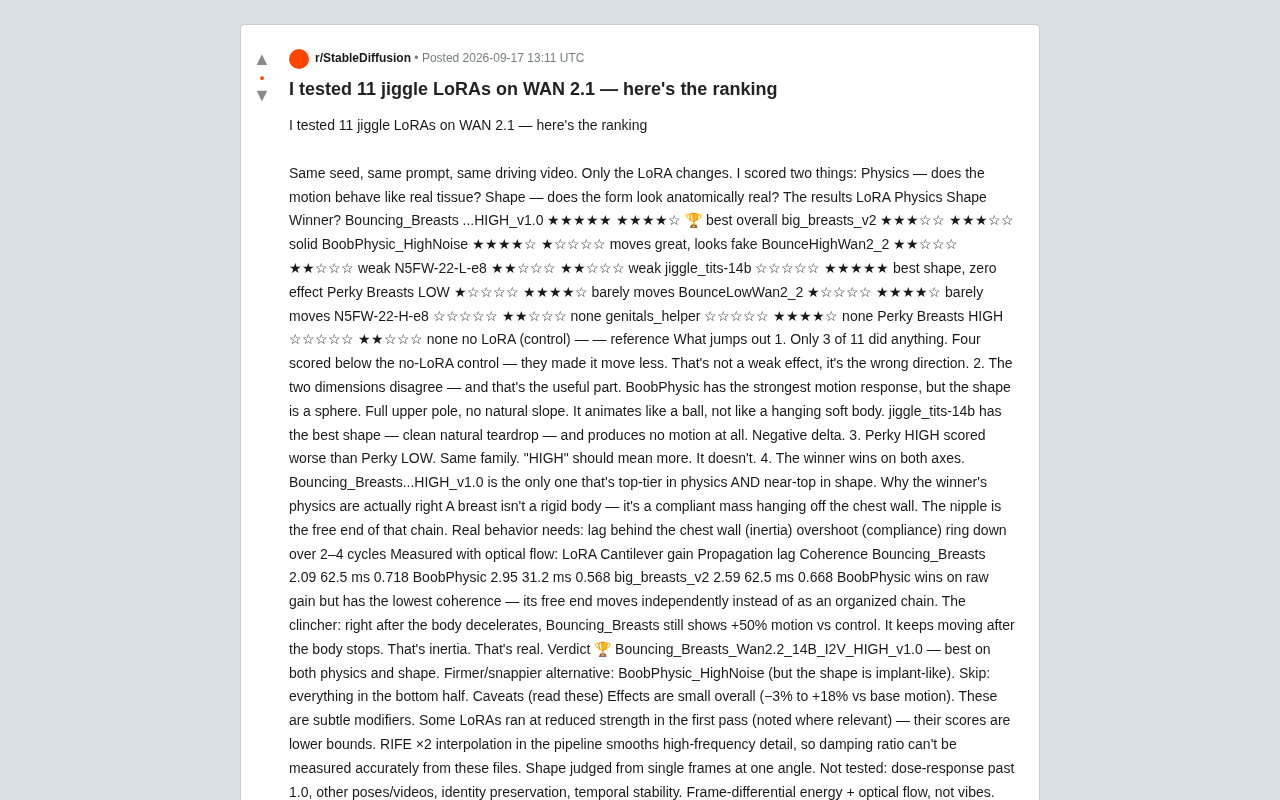
WAN 2.1 Physics Motion LoRA Benchmark: Rankings and Methodology for 11 Models Tested
A Reddit user benchmarked 11 physics-motion LoRAs on WAN 2.1 using optical flow analysis. Only 3 worked meaningfully; 4 scored below the no-LoRA baseline. Full rankings and methodology inside.

Lucid Partners with Bolt to Target European Robotaxi Market
Lucid Motors has signed a letter of intent with European mobility platform Bolt to explore Robotaxi services in Europe, though no vehicle orders have been placed yet.
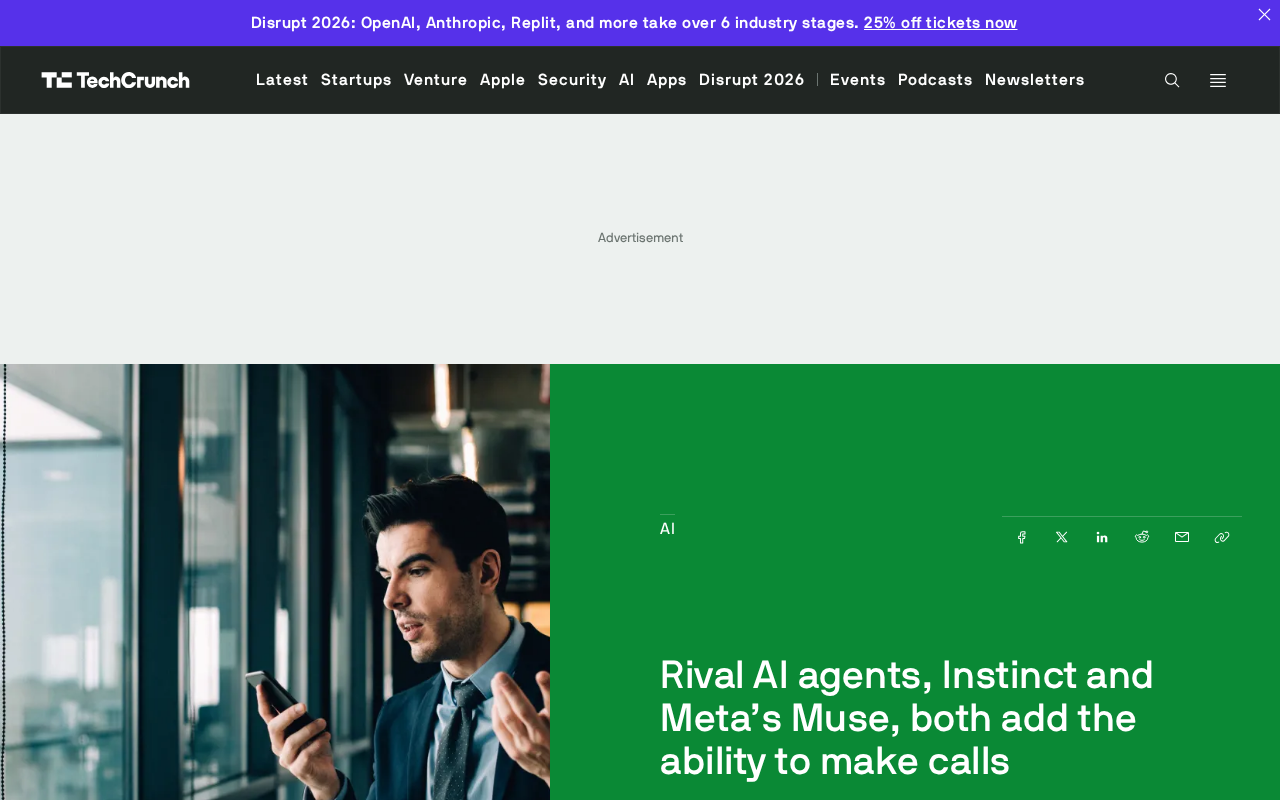
AI Assistants Enter the "Phone Call" Era: Instinct and Meta Muse Add Voice Task Execution
AI assistants Instinct and Meta Muse now make phone calls on your behalf — booking restaurants, canceling subscriptions — marking a leap from chat tools to real-world agents.