Fox Completes $22 Billion Acquisition of Roku: The Streaming Landscape Shifts
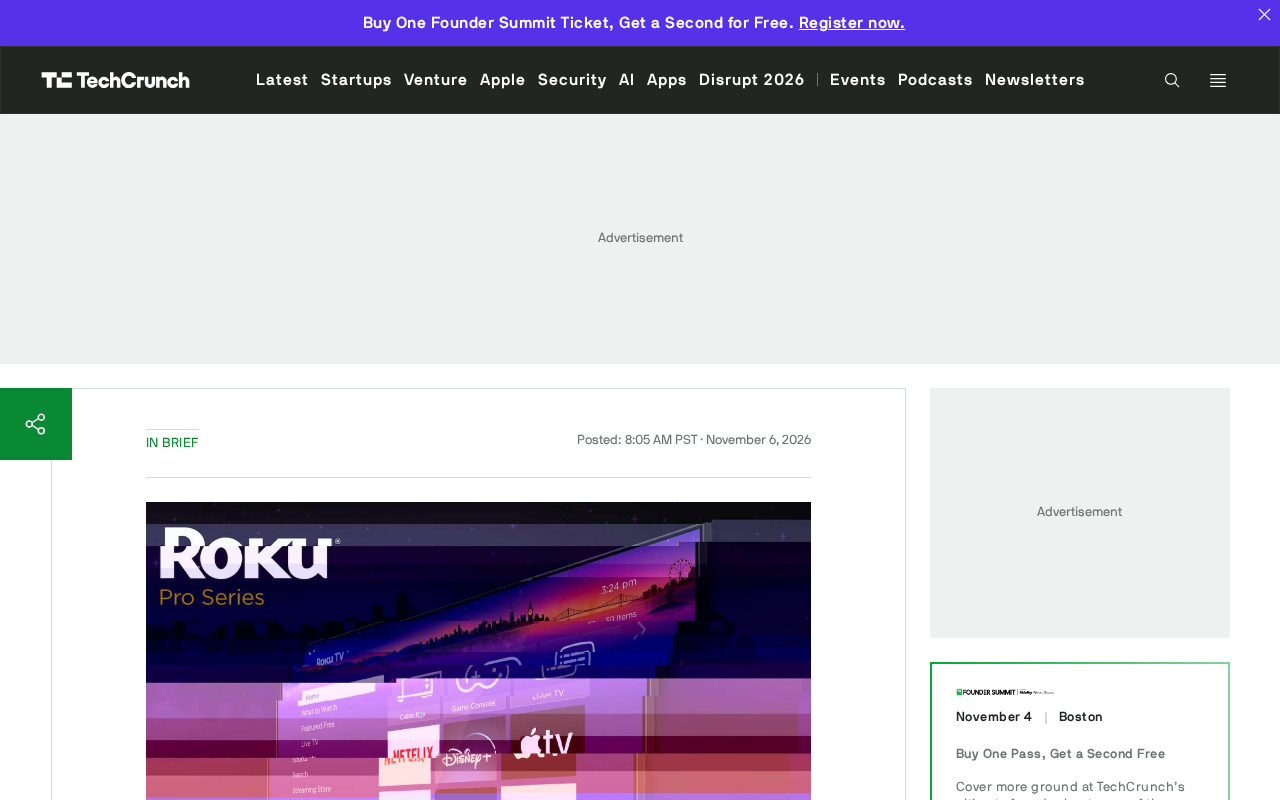
Fox completes $22B Roku acquisition after DOJ scrutiny, reshaping streaming competition.
Fox has officially closed its $22 billion acquisition of Roku after a DOJ antitrust review. The deal deepens vertical integration between a traditional media giant and a streaming distribution platform. Whether Roku can remain neutral toward rivals like Netflix and Disney+ is now a key concern, and the review signals continued strict scrutiny of large media mergers.
Fox has officially completed its $22 billion acquisition of streaming platform Roku. The deal, which had been under investigation by the U.S. Department of Justice (DOJ), has finally closed, marking a deep integration between a traditional media giant and a streaming hardware/platform provider.
Deal Background: From Investigation to Completion
According to the original report, the $22 billion acquisition came under scrutiny from U.S. Department of Justice investigators several months ago. Although specific details of the investigation were not disclosed, media mergers of this scale typically draw regulatory attention to market competition dynamics. The deal's completion now indicates that regulatory obstacles have either been cleared or did not constitute a substantive block.
The core logic behind the deal: Fox, as a traditional television network and content producer, needs a direct gateway to streaming users; Roku, as a streaming device and operating system provider, has a massive user base and viewing data. The combination means content and distribution are becoming more vertically integrated.
Vertical Integration refers to the merger of companies at different stages of the same industry value chain—here, the combination of a content producer (Fox) and a distribution channel (Roku). The motivation for such integration typically includes reducing transaction costs, controlling distribution channels, acquiring user data, and increasing bargaining power against competitors. In the media industry, vertical integration can bring efficiency gains but may also raise antitrust concerns, as the merged entity could use exclusionary strategies to squeeze out non-integrated competitors.
The U.S. Department of Justice (DOJ) antitrust review evaluates, under laws such as the Clayton Antitrust Act, whether a merger could substantially lessen market competition. The review may focus on horizontal overlaps (where both parties directly compete in the same market) and vertical effects (where the merged entity could foreclose rivals' inputs or customers). After the review, the DOJ may clear the deal unconditionally, require conditions (such as divestitures), or file suit to block the transaction. The completion of this deal indicates that the review did not result in a block or significant conditions.
Impact on the Streaming Industry
Roku has long positioned itself as a neutral platform connecting major streaming services, with revenue streams including hardware sales, advertising, and content distribution revenue sharing. After being acquired by Fox, whether Roku can maintain neutrality toward competitors like Netflix and Disney+ will become a focal point for the industry.
From a competitive landscape perspective, this deal may prompt other traditional media companies to accelerate acquisitions or build their own streaming distribution channels to avoid being constrained at the gateway level by a competitor. For small and mid-sized streaming services, changes in platform neutrality could bring new negotiating pressure.
Platform neutrality is a core principle of streaming aggregation platforms like Roku, meaning the platform treats all content providers equally and does not favor its own or affiliated content. Neutral platforms typically maintain trust through fair ranking algorithms, transparent revenue-sharing policies, and non-discriminatory access conditions. When a platform is acquired by a content provider, conflicts of interest may arise: for example, Roku might prioritize promoting Fox content, or charge higher fees or reduce recommendation weight for competitors' content. Such changes could affect content providers' distribution strategies and even draw regulatory attention.
Roku's revenue model primarily includes: hardware sales (streaming players), platform advertising (homepage ads, video ads), content distribution revenue sharing (subscription revenue sharing, transaction sharing), and operating system licensing. Advertising and revenue-sharing income are growing in proportion, and the platform nature makes it a key gateway connecting content and users. After the acquisition, Fox may integrate ad technology and leverage Roku's viewing data to enhance targeted advertising capabilities, but it will also need to balance relationships with other content providers.
Regulatory Signals and What to Watch
The DOJ's investigation of this case is itself a noteworthy signal: in deals combining technology and media, regulators are paying closer attention to market concentration issues. The deal ultimately closed, but the regulatory review process shows that mergers of this scale will still face strict scrutiny.
Key points to watch going forward include: how Fox integrates Roku's operating system and advertising business, whether Roku's policies toward other content providers change, and how users and advertisers react. Whether this $22 billion deal can achieve the expected synergies remains to be seen.
One-line Summary
Fox completes its $22 billion acquisition of Roku, a deal that was under DOJ antitrust investigation, raising concerns about platform neutrality and industry consolidation.
Paragraph Summary
Fox has officially completed its $22 billion acquisition of streaming platform Roku, which had previously been under DOJ antitrust investigation. The deal marks vertical integration between a traditional media giant and a streaming distribution platform: Fox aims to reach streaming users directly through Roku, while Roku brings a massive user base and viewing data. After the deal, whether Roku can maintain neutrality toward competitors like Netflix and Disney+ is a key industry focus, and the transaction may prompt other traditional media companies to accelerate building or acquiring distribution channels. The regulatory review also shows that large media mergers still face strict scrutiny; going forward, attention will be on how Fox integrates Roku's operating system and ad business, and how platform policy changes affect users and advertisers.
Related articles
 Tech Frontiers
MuJoCo: An Analysis of DeepMind's Open-Source General-Purpose Physics Simulator
An in-depth analysis of Google DeepMind's open-source physics simulator MuJoCo: high-performance C++ kernel, MJCF modeling format, contact solving principles, MJX GPU acceleration, and robot reinforcement learning use cases.
 Tech Frontiers
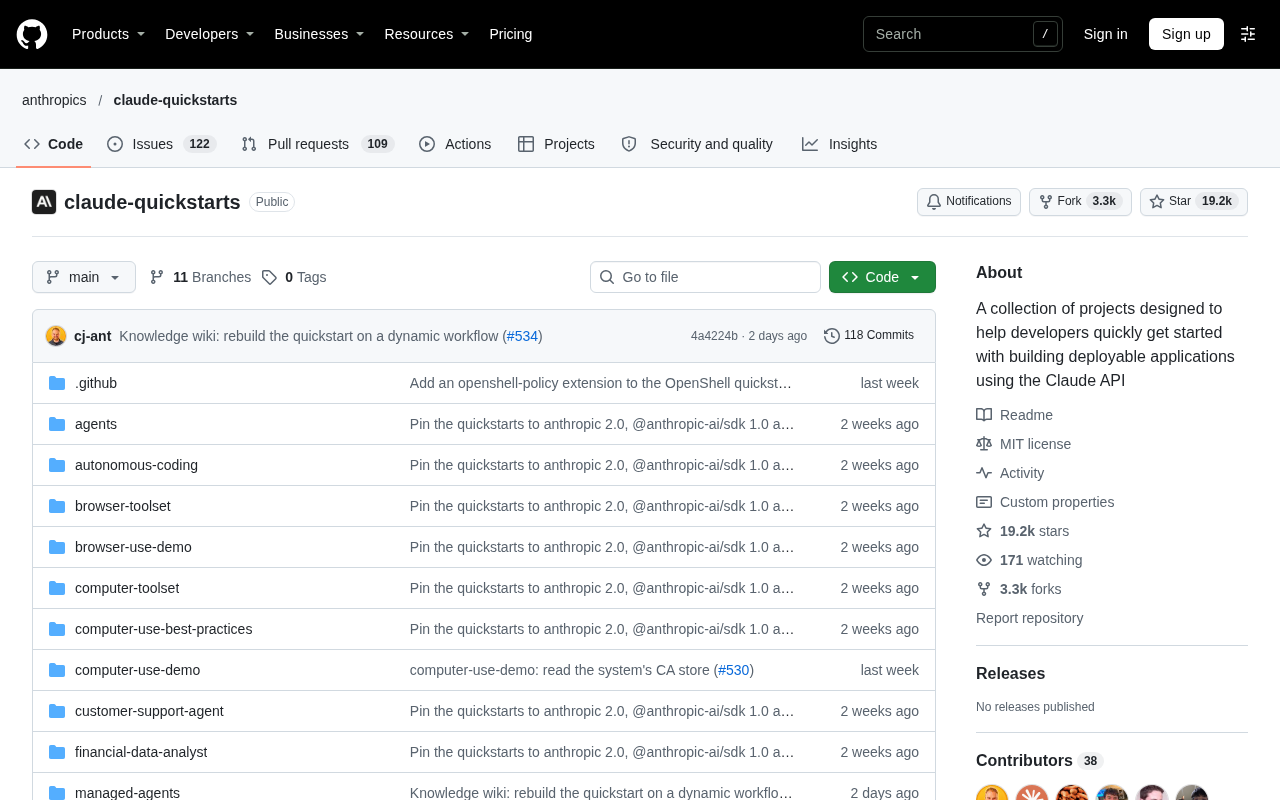
Claude API Quick Start: The Official Quickstarts Project Collection
Anthropic's official claude-quickstarts project collection helps developers quickly build deployable apps with the Claude API. Nearly 20k stars, Python-based, great for beginners and prototyping.
 Tech Frontiers
AI Agents Connecting Directly to APIs: Which Calls Can Be Safely Allowed?
AI agents can call any API, but the real challenge is deciding which calls can be safely allowed. This article analyzes allowance decisions from three dimensions—intent matching, least privilege, and controllable impact—and argues that the control layer should sit outside the agent, combined with audit traceability to build a trustworthy API call governance mechanism.