Gemini Button Missing After Android 16 Upgrade? Three Ways to Get It Back

How to restore the Gemini shortcut that disappeared after upgrading to Android 16.
After upgrading to Android 16, many users find the Gemini shortcut replaced by Google Search. This is caused by the digital assistant's default settings being reset during the upgrade. This article explains why it happens and offers three fixes: resetting the default digital assistant, reactivating the Gemini app, or accessing Gemini manually.
Why the Gemini Shortcut Disappears After Upgrading to Android 16
Recently, many users have noticed that after upgrading to Android 16, the once-convenient Gemini shortcut has quietly been replaced with the traditional Google search button. One Reddit user posted a plea for help in the community: "Just upgraded to Android 16, and the Gemini button got swapped out for a regular Google search. How do I change it back?"
This frustration isn't an isolated case. As Google continues to adjust how it integrates its AI assistant with traditional search, major system updates often cause changes to the entry points users are familiar with.

How the System's Default Assistant Switch Works
Android's digital assistant framework was introduced back in the Android 6.0 (Marshmallow) era. Its core mechanism is the "Default Assistant App" interface. This interface allows third-party or system-built-in AI assistants to obtain on-screen context—including currently displayed text, images, and more—through standardized APIs, enabling them to provide more precise help. Google's assistant products over the years—from the early Google Now, to Google Assistant, and now Gemini—have all been registered and invoked at the Android system level through this framework. Because this is a "pluggable" architectural design, any app holding the appropriate permissions can apply to become the default assistant. This also explains why the binding is easily reset after a system update.
The "Digital Assistant" role in Android is freely configurable, and both Google Assistant and Gemini can fill it. During major system updates, related settings may be reset to their default values. Combined with varying rollout schedules across different regions and device models, it's not hard to understand why a "feature regression" might occur after an upgrade.
Currently, Google is in a critical phase of fully transitioning from Google Assistant to Gemini. Google Assistant first debuted alongside the Pixel phone in 2016, with daily active users once exceeding 500 million. However, as the large language model (LLM) wave swept the globe in 2023, conversational AI represented by ChatGPT redefined user expectations for smart assistants—real-time reasoning, multi-turn conversations, code generation, and other capabilities became the new standard. Gemini has been integrated into Search, Gmail, Docs, and Google's entire product line, aiming to compete head-on with Microsoft Copilot. The instability of this transitional period is the root cause of such issues. The user experience gap that emerges when replacing legacy products at scale is an unavoidable cost of strategic transformation.
The Long-Press Home Button Binding Gets Reset
On most Android devices, long-pressing the home button or swiping up from a bottom corner brings up the default assistant. Major Android upgrades (such as from Android 15 to Android 16) involve remounting system partitions and migrating certain configuration files at the underlying level. For security and compatibility reasons, some system-level configurations involving permission bindings—especially "default app" settings—may be reset to factory defaults during the OTA (Over-The-Air) upgrade process. This is a known behavior of Android's design, not a bug. It's intended to prevent an older assistant from malfunctioning due to permission incompatibilities in the new system environment. Different device manufacturers (OEMs) handle this reset strategy differently: customized Android systems from brands like Samsung and Xiaomi sometimes proactively remind users to reconfigure key settings during the upgrade wizard, whereas stock Android devices typically provide no additional prompts, leaving users with the perception that a feature has "vanished into thin air." In reality, the Gemini app itself usually still exists—only the shortcut's binding has changed.
Three Ways to Restore the Gemini Entry Point
Method 1: Reset the Default Digital Assistant (Recommended)
This is the most thorough solution. Follow these steps:
- Open your phone's Settings
- Go to Apps → Default apps
- Find the Digital assistant app option
- Switch it from "Google" to "Gemini"
Once configured, long-pressing the home button will bring up Gemini again. If Gemini isn't listed as an option, first confirm that the Gemini app is properly installed.
Method 2: Activate Directly Through the Gemini App
If you can't find the system-level settings entry, follow these steps:
- Go to the Google Play Store and install or update the standalone Gemini app
- On first launch, the app will guide you to set it as your default assistant
- Grant the appropriate permissions as prompted to complete the binding
Method 3: Access Gemini Manually (Temporary Solution)
For users who only need temporary access, there's no need to rely on the shortcut button. You can access Gemini through any of the following methods:
- Directly open the installed Gemini app
- Visit gemini.google.com in a browser
- Look for the Gemini entry point within the Google app
The User Experience Dilemma of the Transition Period
This seemingly simple "disappearing button" incident reflects a common challenge tech companies face during product iteration. Google is positioning Gemini as the core of its AI strategy, gradually replacing the long-running Google Assistant—and large-scale product replacements inevitably come with growing pains.
Building user habits takes time, and the changes to entry points brought by system updates often disrupt established routines. The ideal approach would be for major feature changes to come with clear notifications and guidance, rather than leaving users to figure things out on their own.
Everyday Usage Tips
To avoid being repeatedly troubled by similar issues, consider developing the following habits:
- Proactively check key settings after major updates: Core configurations like default apps and assistant bindings should be priority checks
- Keep the Gemini app up to date: Don't rely solely on shortcuts—make sure the app itself is installed and updated promptly
- Follow official channels: Google usually announces major changes in advance via its official blog or help documentation
Summary
The disappearance of the Gemini entry point after upgrading to Android 16 is fundamentally caused by the digital assistant's default settings being reset. Re-designating Gemini as the default digital assistant through system settings is the most direct and effective solution. If the settings entry is hard to find, you can complete the binding using the Gemini app's built-in onboarding flow. For temporary access, simply open the app directly or visit the web version.
As Google continues to push forward its strategic migration of AI assistants, minor friction during the transition period may still occur in the short term. Mastering the basic adjustment methods above will let you handle these situations with ease and continue enjoying the AI assistant experience Gemini offers.
Key Takeaways
Related articles
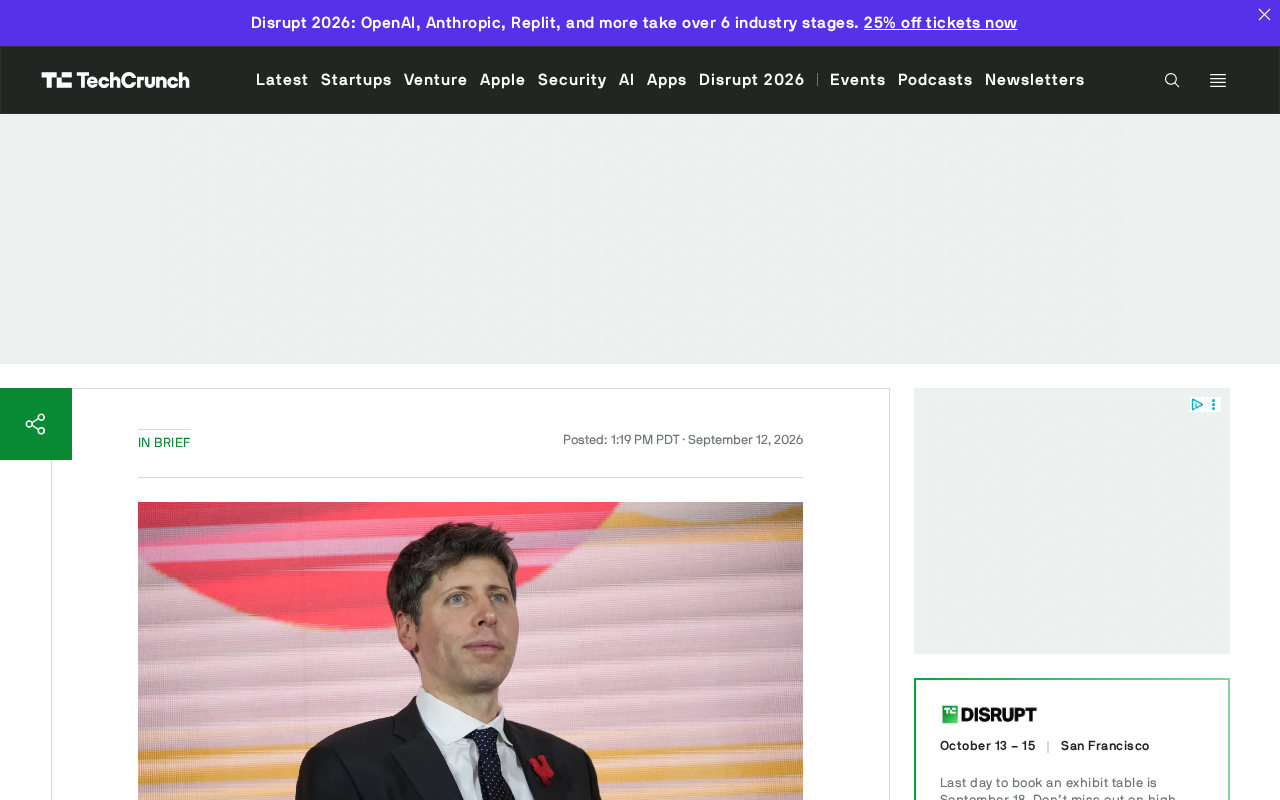
Altman: Taking OpenAI Public This Year Would Be 'Ill-Advised'
OpenAI CEO Sam Altman says going public this year would be 'ill-advised,' even as the company has confidentially filed IPO paperwork. Here's what it means for AI.
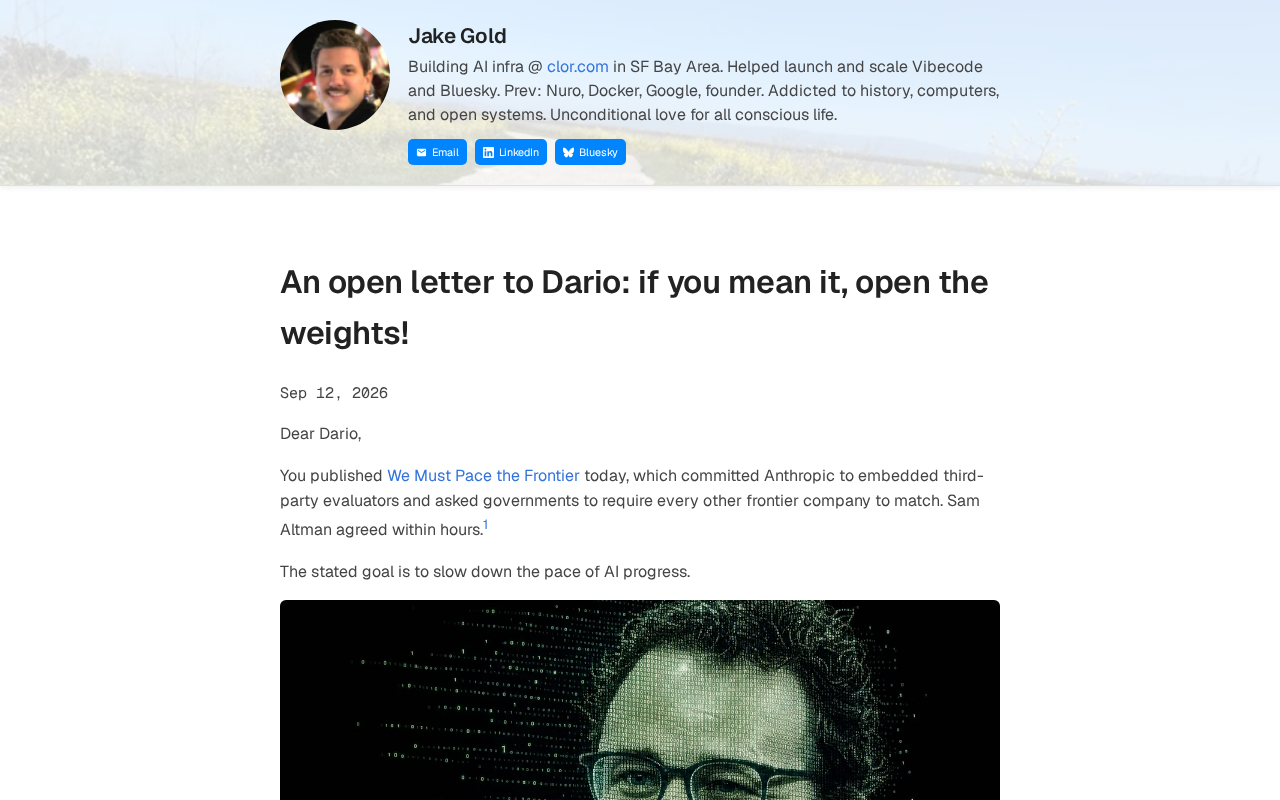
An Open Letter to Dario: If AI Safety Is Real, Open the Model Weights
Developer Jacob's open letter to Anthropic CEO Dario Amodei went viral on Hacker News, challenging the contradiction between AI safety rhetoric and closed-source models: if safety truly matters, why not open the weights?
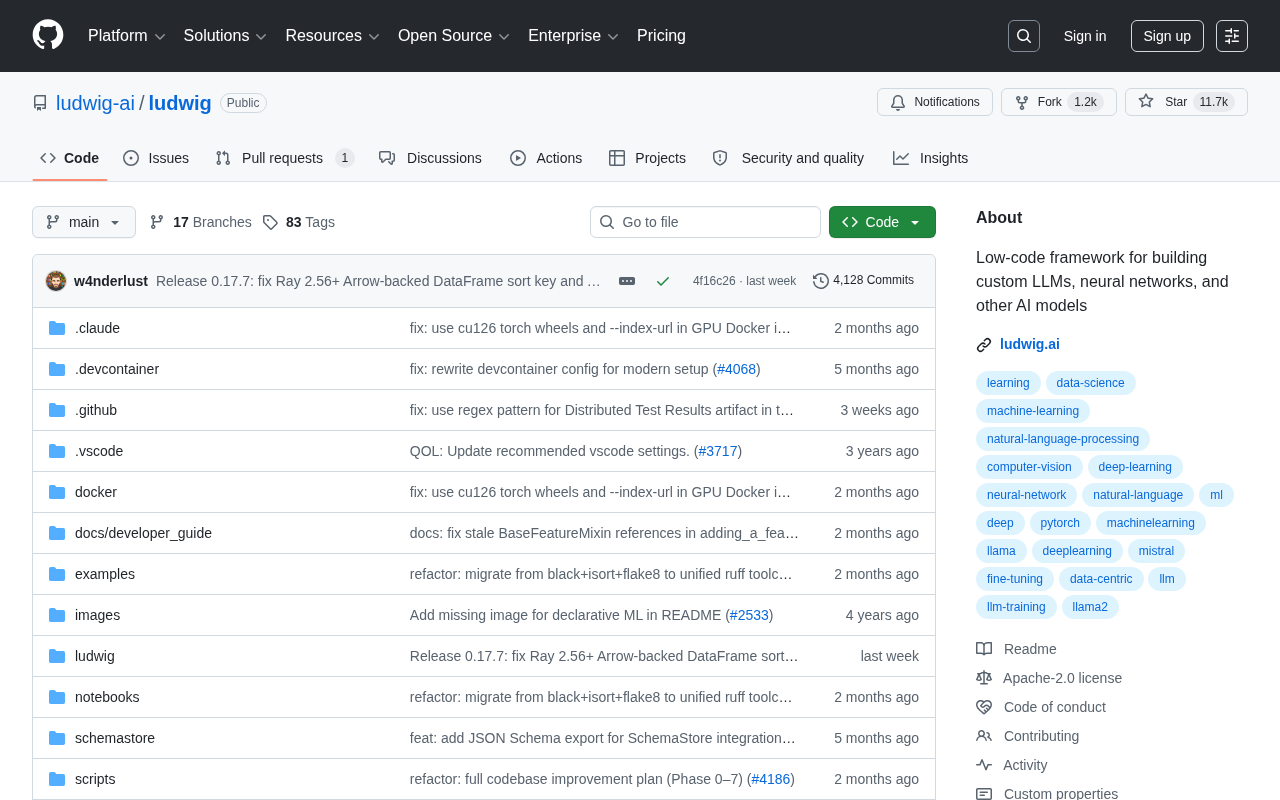
Ludwig: Building Custom LLMs and Neural Networks with Declarative Low-Code Configuration
Ludwig is an open-source low-code ML framework that builds custom LLMs and neural networks via declarative YAML config — no boilerplate training code required.