Getting Started with OpenStreetMap from Scratch: JOSM Wizard Makes Your First Map Edit Easier
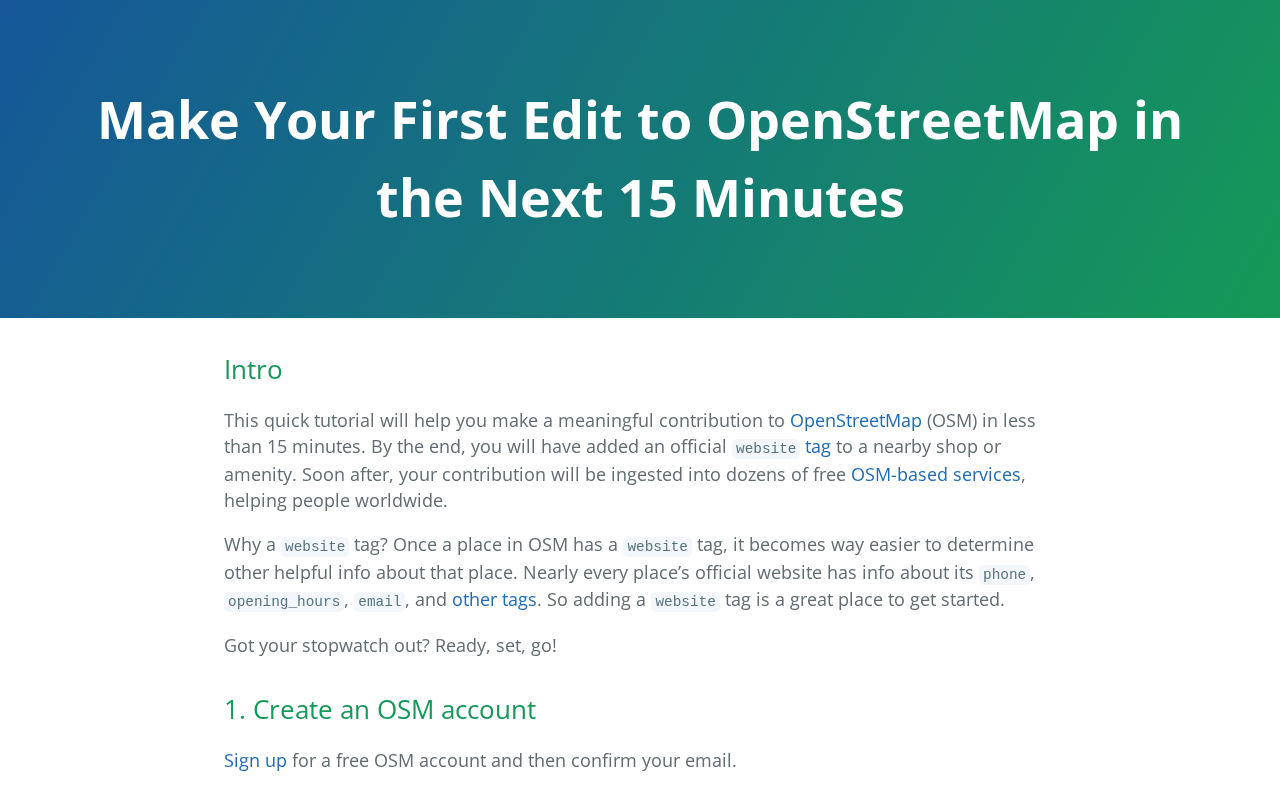
A web-based wizard tool dramatically lowers the JOSM learning curve to help grow OpenStreetMap's contributor base.
OpenStreetMap is the world's largest open-source map database, but its primary editor JOSM has long been unfriendly to newcomers due to complex setup and a sprawling plugin ecosystem. The "JOSM Plugin Website Wizard" project — recently trending on Hacker News — uses a web-based step-by-step guide to streamline tool configuration and optimize the first-edit experience for new users. The article argues that the first contribution is the most fragile conversion point in crowdsourced projects, and offers readers a practical onboarding path: start with the no-install iD editor, graduate to JOSM, and learn the key-value tag system to make quality contributions.
OpenStreetMap's Entry Barrier Is Getting Lower
OpenStreetMap (OSM), the world's largest open-source map database, has long faced an awkward reality: the value of its data is undeniable, but for newcomers, the learning curve for editing tools is steep. A new project that recently gained traction on Hacker News — scoring 203 points and sparking 58 comments — is called the "JOSM Plugin Website Wizard," and it targets exactly this pain point.
The tool has a clear, focused goal: help users who have never touched map editing complete their first edit on OpenStreetMap. For a crowdsourced project that depends entirely on community contributions, converting casual visitors into sustained contributors has always been a make-or-break challenge.
The Gap Between JOSM and New Users
To understand why this wizard matters, you need to know OSM's editor ecosystem. OSM has two main types of editors: the browser-based iD editor, which is beginner-friendly and suited for light edits, and the powerful desktop client JOSM (Java OpenStreetMap Editor), which is the tool of choice for seasoned contributors — supporting batch operations, complex geometry editing, and an extensive plugin ecosystem.
The problem is that JOSM's power comes at the cost of complexity. Installing a Java runtime, configuring plugins, understanding the tag system, mastering keyboard shortcuts — this chain of steps is enough to turn away most first-time users. While JOSM's plugin system greatly expands its capabilities, discovering, installing, and using those plugins also lacks clear onboarding guidance.
The wizard tool tries to strip away this friction: through a web-based guided flow, it breaks down what would otherwise require users to figure out on their own — configuration and operation steps — into a visual, step-by-step walkthrough that reduces cognitive load.
JOSM's plugin ecosystem currently hosts over 400 community-maintained plugins, covering specialized features like automatic building footprint extraction (building_tools), bulk address entry (utilsplugin2), and satellite imagery offset correction (imagery_offset_db). These plugins significantly boost efficiency for experienced contributors, but discovering and installing them requires users to actively search through a plugin manager with no context-aware recommendations. For a first-time user facing a blank client with no preset workflow, it's often unclear which plugin to start with or which combination suits a specific editing task. This is where "JOSM Plugin Website Wizard" delivers its core value: it translates a concrete intent like "I want to add a shop to the map" into an actionable sequence of plugins and configuration steps, bridging the cognitive gap between intention and tooling.
Why Crowdsourced Maps Care So Much About the "First Edit"
From a product and community operations perspective, the "first contribution" is the most fragile conversion point in any crowdsourced project. Research on open-source communities consistently shows that whether a contributor sticks around often hinges on how smooth their first attempt was. If a first editing session ends in a tool crash, confusing terminology, or a failed submission, the likelihood of losing that user is extremely high.
OpenStreetMap's data quality and coverage are heavily dependent on the number of active editors. Every road, every building, every point of interest on the map is the result of a volunteer manually entering or correcting data. Reducing friction around the first edit is, at its core, a way to expand the project's contributor base.
This also explains why a seemingly small, elegant onboarding tool like this resonates in the technical community — it touches on a real and structural problem inherent to open-source collaboration.
What the Community Discussion Reveals About Real Needs
The 58 comments the project received on Hacker News reflect the developer community's sustained interest in lowering the barrier to contribution. The value of tools like this lies not just in their technical implementation, but in what they represent philosophically: rather than complaining that newcomers can't figure out professional tools, proactively reducing the cost of participation at the design level.
For readers interested in getting involved with OSM, here's a suggested onboarding path:
Start with the Lightest Option
If you just want a quick taste, start with the iD editor built into the openstreetmap.org website. No software installation required — just log in and make simple corrections to places you know well, like adding a shop name or fixing a footpath.
Graduate to JOSM
When you need to handle more complex editing tasks, consider moving to JOSM. At that point, a wizard tool like the one described here can significantly cut down your setup and onboarding time. Once you're comfortable with JOSM, you can efficiently tackle batch imports, satellite image tracing, and other advanced operations.
Understand the Tag System
Regardless of which editor you use, the heart of OSM is its tag (key-value) system. Taking time to understand common tags is the critical step between "casually making edits" and "making quality contributions."
OSM's tag system uses a free-form key-value pair structure — for example, amenity=restaurant denotes a restaurant, highway=residential marks a residential road, and name:zh=北京大学 adds a Chinese name. This design offers great flexibility but also creates standardization challenges — the same type of feature may have multiple historical spellings or regional conventions. The community documents and tracks tag usage through the OSM Wiki and Taginfo, forming de facto community standards. The iD editor provides a graphical interface for selecting common tags, shielding users from the raw key-value complexity to some extent; in JOSM, however, understanding the underlying tag structure is unavoidable. A common mistake for newcomers is inventing non-standard tags, which means their data won't be correctly recognized by downstream tools (such as the Mapnik rendering engine or the OSRM routing engine), reducing the real-world value of their contributions.
The Long-Tail Value of Open-Source Tooling
The wizard project is itself open source, hosted on GitHub Pages. It embodies a virtuous cycle common in open-source ecosystems: an open-source project (OSM) attracts developer contributors, who in turn build supporting tools (editing wizards) that lower the barrier for the next wave of contributors.
For developers and enthusiasts working with map data and location services, OpenStreetMap offers a freely available data source unconstrained by commercial map API restrictions. Lowering its editing barrier will, in the long run, help make this piece of public digital infrastructure more complete and more accurately reflective of the real, ever-changing world.
If you've always been curious about contributing to open-source mapping but held back by the complexity of the tools, now might be a great time to take that first step.
Related articles
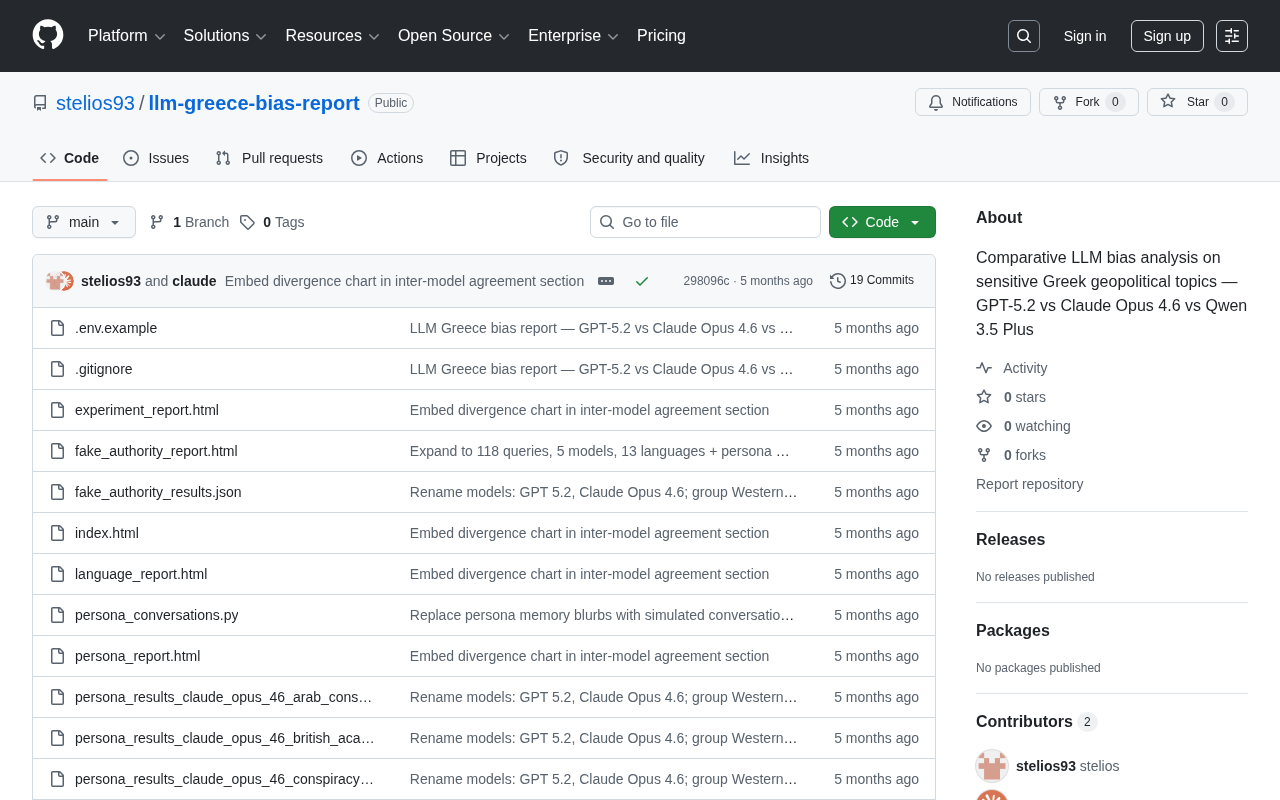
Geopolitical Bias Compared Across Three AI Models: GPT-5.2, Claude, and Qwen Tested
An open-source project compares GPT-5.2, Claude Opus 4.6, and Qwen 3.5 Plus on sensitive Greek geopolitical topics. We break down its methodology, limitations, and why LLM neutrality audits matter.
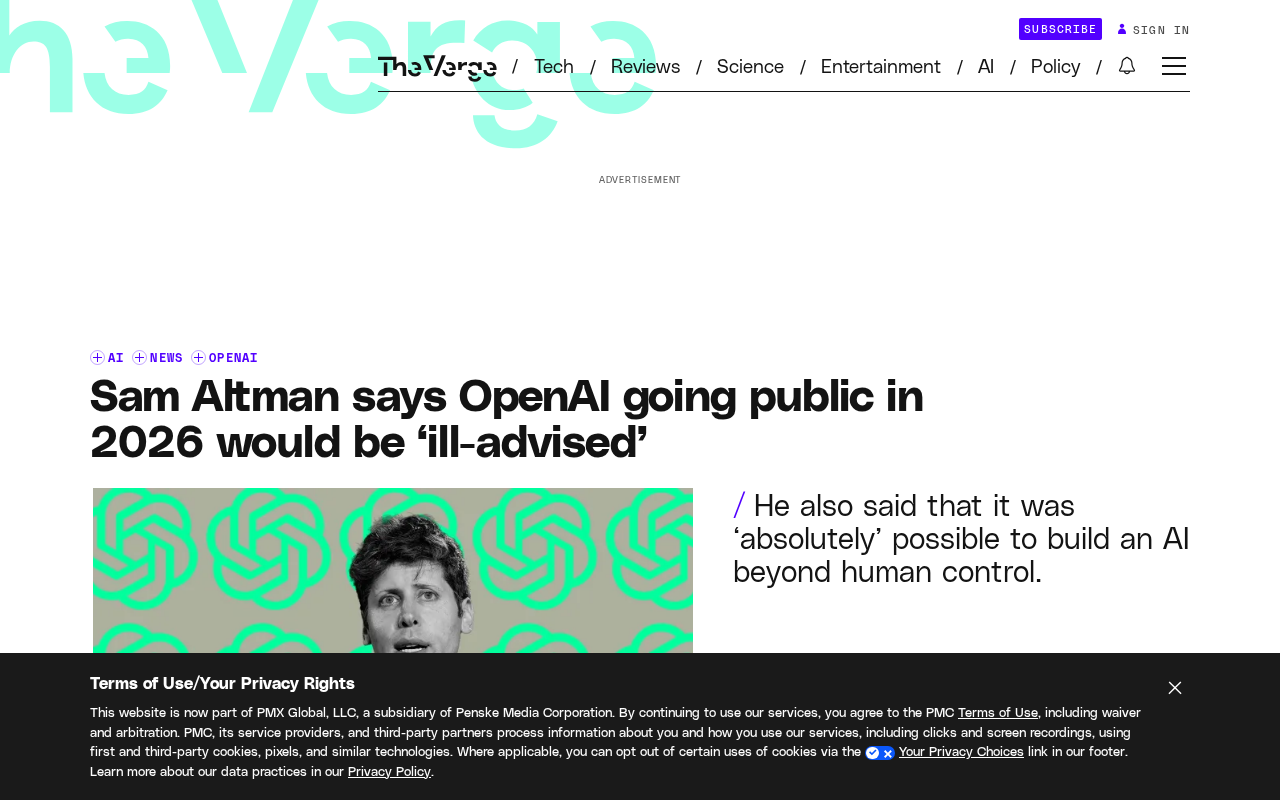
Sam Altman: An IPO in the Near Term Would Be 'Ill-Advised' for OpenAI
OpenAI CEO Sam Altman tells Fortune that an IPO in the near term would be "ill-advised," while also addressing recursive self-improvement risks and the Hugging Face hack.
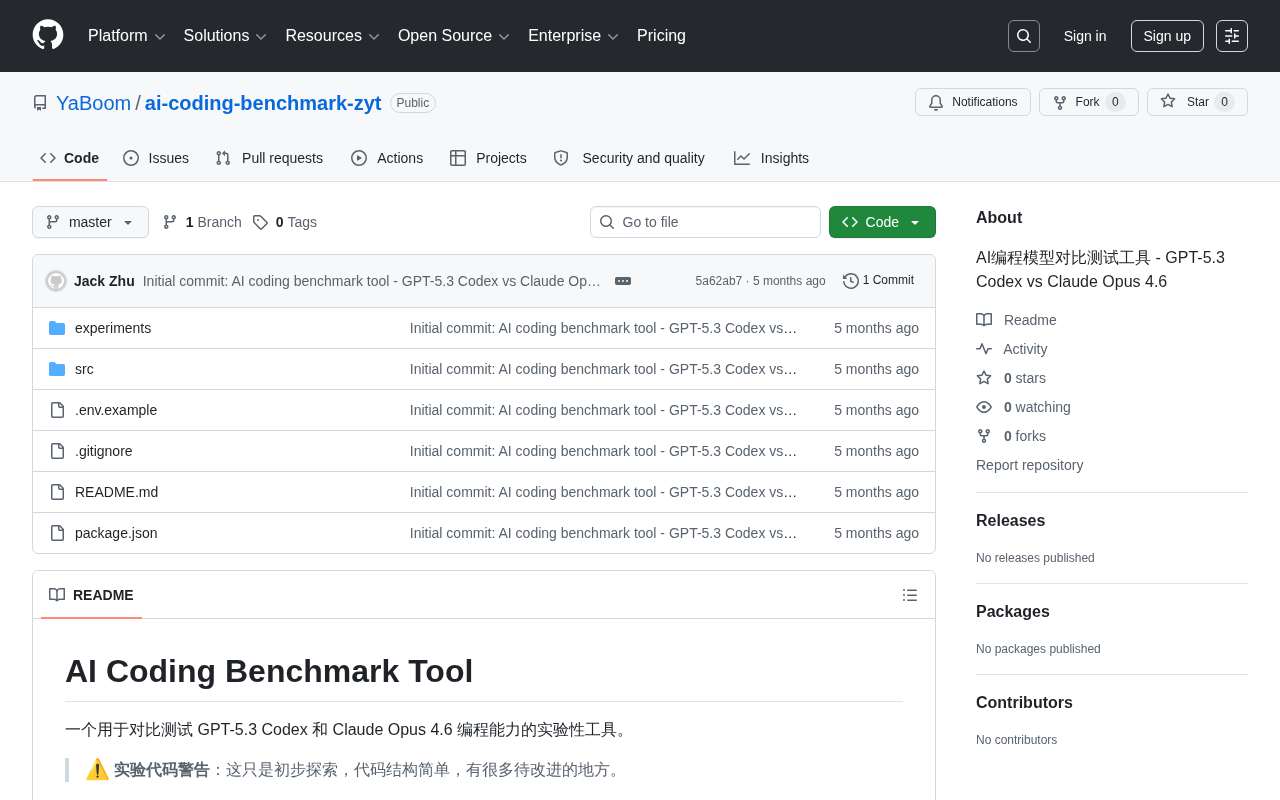
AI Coding Model Benchmark Tool: GPT-5.3 Codex vs. Claude Opus 4.6 — Which One Wins?
The open-source project ai-coding-benchmark-zyt benchmarks GPT-5.3 Codex vs. Claude Opus 4.6. This article explores its methodology, value, and developer guidance.