Google Labels AI-Generated Ads: New Rules for Digital Advertising Transparency

Google will label AI-generated ads, setting new transparency standards for digital advertising.
Google announced it will disclose when ads are created or edited using generative AI tools, responding to growing trust concerns and regulatory pressure. This article explores how the policy works, its impact on advertisers and consumers, and why transparency is becoming a core competitive advantage in the AI era.
Google Takes Its First Step Toward AI Ad Transparency
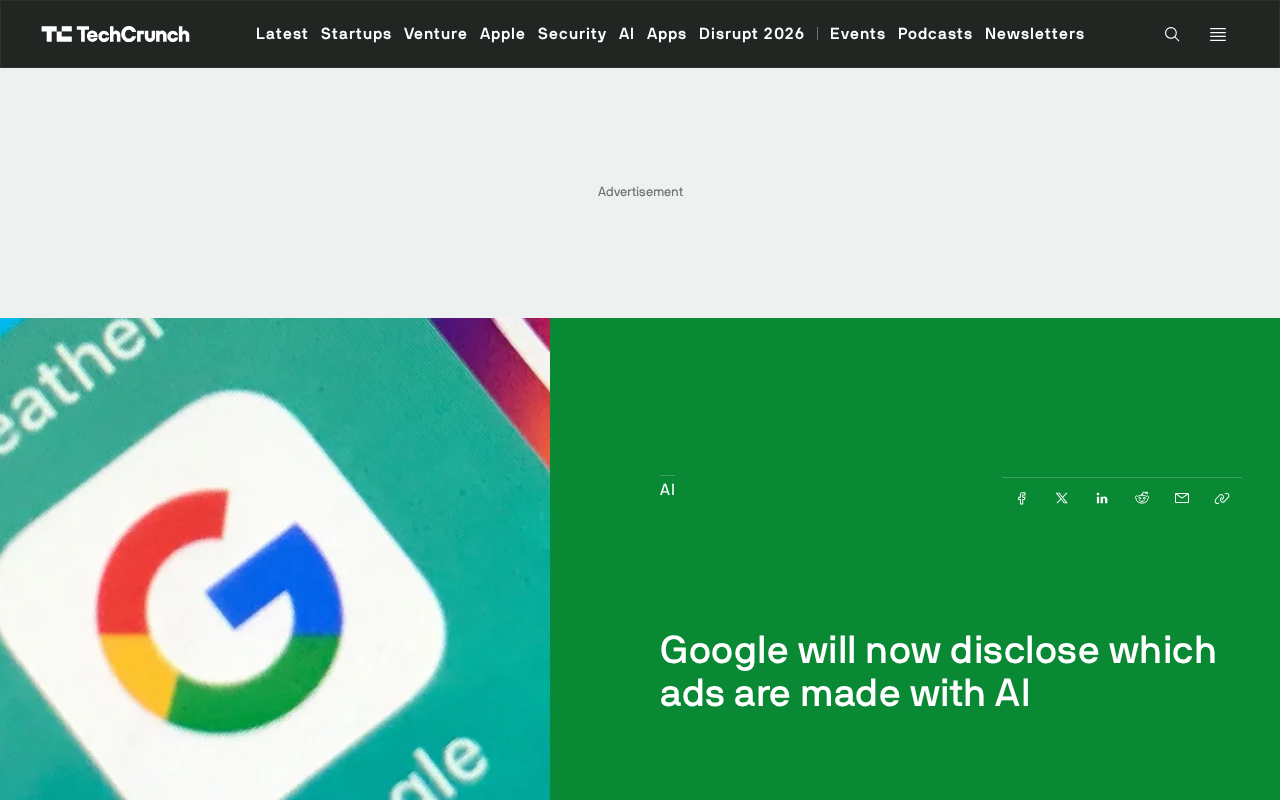
Google recently announced a new feature: when advertisers use generative AI tools to create or edit ad content, the platform will proactively disclose this information to users. This means that in the future, when you see an ad within Google's advertising network, you may notice a label indicating that some or all of the ad's content was generated by AI.
While this move appears to be just a small label on the surface, it reflects the deeper trust crisis and regulatory pressure the entire digital advertising industry faces amid the wave of generative AI. As AI tools for generating images, videos, and copywriting become widely adopted, the boundaries of authenticity in advertising content are becoming increasingly blurred.
Why Google Is Proactively Disclosing AI Ads
Generative AI Is Reshaping Ad Production
Over the past two years, generative AI has deeply penetrated every stage of ad production. From copywriting and image generation to video editing, advertisers only need to input simple prompts to produce creative assets in minutes that once took professional teams days to complete. Google itself has integrated extensive AI capabilities into its advertising tools, actively encouraging advertisers to leverage AI to improve production efficiency.
However, the flip side of increased efficiency is the challenge to content authenticity. When consumers can't tell whether the product images, spokesperson likenesses, or even usage scenarios in front of them actually exist, the credibility of the advertising comes into question. Google's decision to roll out a disclosure mechanism at this time reflects its intention to establish basic transparency rules before AI advertising expands at scale.
Regulatory Compliance Pressure Cannot Be Ignored
Worldwide, regulation targeting AI-generated content continues to tighten. The EU's AI Act explicitly requires labeling of AI-generated content, and some U.S. states have begun introducing specific rules regarding the use of AI in political advertising. As one of the world's largest digital advertising platforms, Google's proactive disclosure of AI ads is both a preemptive response to potential regulation and a necessary step to maintain the long-term health of its advertising ecosystem.
How This Feature Will Work
According to Google's official statement, the new feature will automatically trigger a label when advertisers use generative AI tools to create or edit ads. However, the details Google has disclosed so far remain fairly limited—key questions such as the specific display format of the label, the types of ads it covers, and the criteria for determining what counts as "AI editing" are still unclear.
Notably, the phrase "create or edit" leaves considerable room for interpretation. If an advertiser only uses AI to fine-tune the lighting in an image, does that require a label? What about an ad entirely generated by AI? How these boundaries are defined will directly determine the policy's actual effectiveness: if the standard is too lenient, nearly all modern ads would be tagged as AI-made, diluting the warning value of the label; if too strict, it may face enforcement difficulties.
What It Means for the Advertising Industry
Advertisers Must Rethink Their Creative Workflows
For advertisers, the AI disclosure mechanism means they must more clearly document and manage their creative workflows—which assets were AI-generated and what role AI played in the process. This information may all need to be accurately reported in the future. In the short term, compliance costs will rise; but in the long run, it will help drive the industry toward more standardized content production practices.
Consumer Trust Is a Double-Edged Sword
For consumers, the AI label is both a protection and a test. On one hand, the label grants consumers greater right to know about the source of ad content; on the other hand, whether the "AI-generated" label will instinctively lower consumer trust in the ad remains unclear. Many advertisers may worry: once tagged with an AI label, will their ads' click-through and conversion rates decline as a result?
Transparency Is Becoming a Core Competitive Advantage in the AI Era
Google's move can be seen as a microcosm of how major tech platforms are approaching AI content governance. Previously, platforms such as Meta and YouTube have also rolled out AI content labeling policies. It's foreseeable that as generative AI accelerates its adoption, "whether or not you're transparent" will gradually become an important measure of a platform's sense of responsibility and credibility.
For the industry as a whole, the real challenge lies not in whether to label, but in how to build a complete labeling system that is trustworthy, enforceable, and doesn't harm the user experience. Google's attempt is just the beginning, and its subsequent implementation details and actual results are worth continued monitoring. Transparency is no longer optional—it is becoming the foundational infrastructure of digital advertising in the AI era.
Related articles

The Truth Behind Codex 'Build a Website in 5 Minutes': AI Isn't Creating Sites—It's Helping You Copy Them
Exposing the truth behind viral Codex 5-minute website videos: creators aren't building original sites with AI—they're copying shared prompts or scraping others' work. Learn AI coding tools' real limits.

Getting Started with AI Agent Development: A Complete Guide from Concept to Practice
A comprehensive guide to AI Agent architecture and development, covering automated marketing, intelligent customer service, and investment analysis scenarios with single and multi-agent collaboration.

The Truth Behind Codex 'Build a Website in 5 Minutes': AI Isn't Creating Sites — It's Helping You Copy Them
Exposing the truth behind viral Codex 5-minute website videos: creators aren't building original sites with AI — they're copying shared prompts or scraping others' work.