GPT-5.6 Deep Dive: Tiered Models + Multi-Agent Architecture, LLMs Evolve into Workflow Engines

GPT-5.6 evolves LLMs from chat assistants into programmable workflow engines with tiered models and multi-agent support.
GPT-5.6 signals a paradigm shift in how LLMs are used: rather than just answering questions more intelligently, the focus is on running production-grade workflows. Key features include tiered model selection (SOE/Terra/Luna), programmatic tool calling via the Response API, and multi-agent collaboration entering beta — together positioning LLMs as embeddable execution units in real software systems.
From "Smarter Answers" to "Workflows That Actually Run"
With every new generation of LLMs, we instinctively ask: how much smarter is it than the last one? But based on information circulating in the community about GPT-5.6, OpenAI seems to be reframing the question entirely. According to community analysis, GPT-5.6's focus isn't purely on model capability upgrades — it's about making complex, production-grade workflows runnable as fully operational systems.
This is a signal worth paying attention to. We used to treat LLMs as "more articulate Q&A machines." The new positioning is closer to a "central engine capable of scheduling resources and coordinating task execution." In other words, OpenAI wants the model to do more than provide answers — it wants the entire workflow to actually run.
This paradigm shift signals a fundamental change in how we evaluate the value of LLMs. Traditional benchmarks mainly measure performance on isolated tasks like knowledge QA, math reasoning, and code generation. Under the workflow engine paradigm, what matters more is: Can the model reliably produce structured output? Can it maintain state consistency over long runs? Can it degrade gracefully when a tool call fails? And is end-to-end latency and cost acceptable? This effectively brings LLMs into the software engineering SLA (Service Level Agreement) framework — measuring them by production system standards rather than research paper standards.
Note: The specific naming and parameters of GPT-5.6 have not yet been officially confirmed by OpenAI. The following content is based on community-circulated materials and analysis — please exercise your own judgment.
Tiered Model Architecture: Automatically Matching Tasks to the Right Model
Three Tiers, Each With Its Own Role
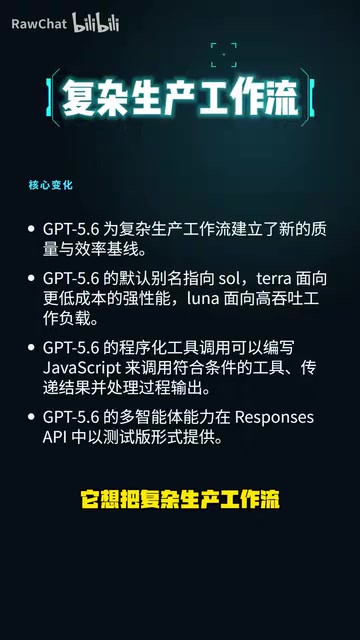
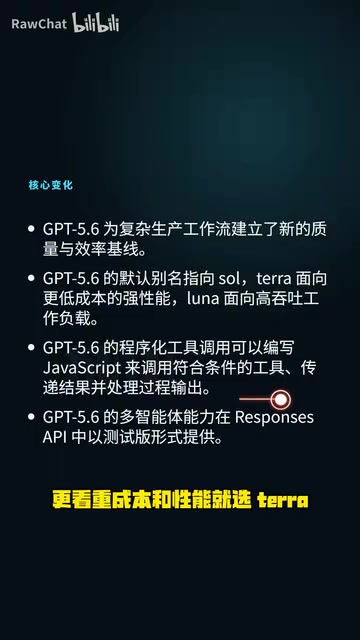
A key design concept mentioned in the materials is that models are now being tiered by use case. SOE handles default scenarios; Terra is the choice when you're optimizing for cost-performance balance; Luna takes on heavy-duty, high-throughput tasks.
This tiered logic reflects a fundamental challenge in deploying LLMs at scale — no single model can simultaneously optimize for cost, speed, and capability. Rather than forcing users to run all tasks through an "all-powerful but expensive" model, the approach offers a clear selection strategy: lightweight tasks go through the fast, cheap tier; heavy tasks invoke the high-throughput engine.
It's worth noting that tiered model architecture isn't GPT-5.6's invention — it's a consensus that has emerged across the industry through the process of productionizing LLMs. As early as 2023, Anthropic launched the dual-track strategy of Claude Instant (lightweight) and Claude 2 (flagship); Google's Gemini series similarly differentiates between Ultra, Pro, and Nano tiers. The brutal economics behind this tiering: a GPT-4-class model can cost 10 to 100 times more per inference than a lightweight model. For enterprises processing millions of requests daily, running exclusively on flagship models is simply not financially viable.
Model Selection as an Architecture Decision
For developers, "choosing a model" has itself become part of the architecture design process. The first step is no longer writing a prompt — it's selecting the right model tier based on task characteristics, then making the request. This "triage first, then process" approach mirrors the cloud computing logic of choosing instance types based on workload: it's fundamentally about moving cost control to the design phase rather than optimizing at runtime.
Programmatic Tool Calling and Multi-Agent: Core Capabilities of LLM Workflows
Programmatic Tool Calling: Where Real Flexibility Lives
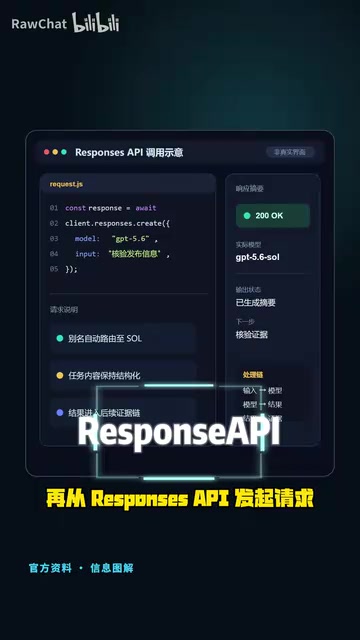
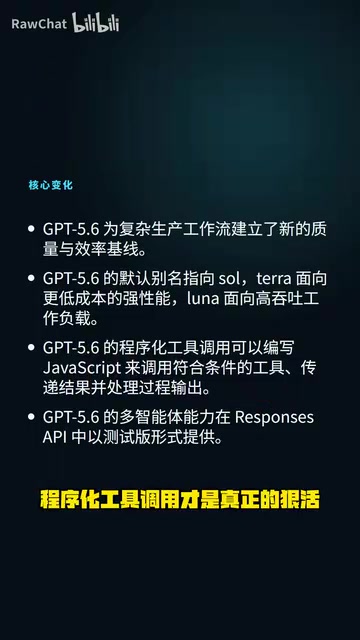
One line from the materials hits the mark: "Programmatic tool calling is where real flexibility lies." GPT-5.6 emphasizes making requests through the Response API and chaining the right tools together with JavaScript. This means the model no longer produces text in isolation — it can call external tools on demand and stitch together execution pipelines within a programmable workflow.
The Response API represents a significant evolution in how LLMs are integrated. The early Chat Completions API used "conversation turns" as its core abstraction — great for chat but awkward for engineering orchestration. The Response API's design philosophy is closer to a function call: the input is a structured task description, and the output is structured data that can be consumed directly by code. This aligns with the design principles of modern backend interfaces like REST APIs and GraphQL, allowing LLMs to become a standard node in a microservices architecture rather than a "black-box dialog box" requiring special handling.
For engineers familiar with Agent development, the pattern of "orchestrating tool calls through code" is nothing new — but having it promoted as an official first-class capability significantly lowers the engineering barrier. Developers can embed model capabilities seamlessly into existing systems, just like writing ordinary business logic.
Multi-Agent Collaboration Enters Beta
Another core highlight is Multi-Agent collaboration entering beta. Multiple agents collaborate with defined roles, each handling a specific stage of the pipeline, and ultimately aggregating results into structured output.
Multi-Agent Systems (MAS) are a classic research area in AI. The core idea is decomposing complex problems into sub-problems that can be handled in parallel or sequentially by specialized agents before being aggregated. In the LLM era, this idea has been revitalized: research shows that when a single LLM independently handles long-chain tasks requiring dozens of reasoning steps, errors accumulate exponentially with chain length. Breaking tasks into multiple specialized agents — each completing a bounded objective within a shorter context window — significantly reduces error rates. The rapid rise of open-source frameworks like AutoGen, CrewAI, and LangGraph represents the engineering community's collective bet on this direction.
This "divide—collaborate—aggregate" paradigm is one of the most closely watched directions in AI engineering today. A single massive model trying to handle everything tends to lose control on long-chain tasks. Decomposing tasks to multiple specialized agents, then integrating results through a coordination layer, better fits the actual structure of complex workflows. GPT-5.6's inclusion of this capability in an official beta signals OpenAI's endorsement of multi-agent as a viable production paradigm.
A Complete AI Workflow Execution Pipeline
Putting together the fragmented information from the materials, the complete usage path GPT-5.6 describes looks roughly like this:
- Step 1: Select model by task — choose between SOE / Terra / Luna based on cost, performance, and throughput requirements;
- Step 2: Make requests via Response API — programmatically access model capabilities;
- Step 3: Chain tools with JavaScript — orchestrate external tools into the execution flow;
- Step 4: Multi-agent collaboration by role — different agents each handle their own sub-tasks;
- Step 5: Aggregate into structured output — produce data that can be consumed directly by downstream systems.
The significance of this pipeline is that it moves LLMs from "intelligent experiences inside a chat box" toward "execution units within a system architecture." When a model can reliably produce structured output, call tools programmatically, and support multi-role collaboration, it genuinely qualifies to be embedded in production workflows.
A Grounded Take on GPT-5.6: Clear Direction, Details Still TBD
From a technical direction standpoint, the signals from GPT-5.6 are clear and consistent with industry trends: tiered models address cost, programmatic tool calling addresses flexibility, and multi-agent addresses decomposition of complex tasks. Together, they point toward a shared vision: LLMs as workflow engines.
That said, a few caveats are in order: this article is primarily based on a single community-sourced interpretation. Specifics about version naming, model tiers, and API details still require validation from official OpenAI documentation and real-world testing. References in the source materials to "join the group to use" and "tech team and customer service" are community-operations content unrelated to official product releases — when accessing and using these capabilities, please go through legitimate channels and be wary of misleading claims.
Regardless of how the final product takes shape, the paradigm shift from "making answers smarter" to "making workflows actually run" already marks the next major battleground for LLM applications: the competition is no longer about who can hold a better conversation, but about who can actually turn a workflow into a running system.
Key Takeaways
Related articles
Alibaba Launches Happy Shrimp: AI-Powered One-Click Complete Song Generation
Alibaba launches Happy Shrimp, an AI music generation tool that creates complete songs with lyrics, melody, arrangement, and vocals from natural language descriptions. In-depth analysis of its core features, differentiation from competitors like Suno, and industry impact.
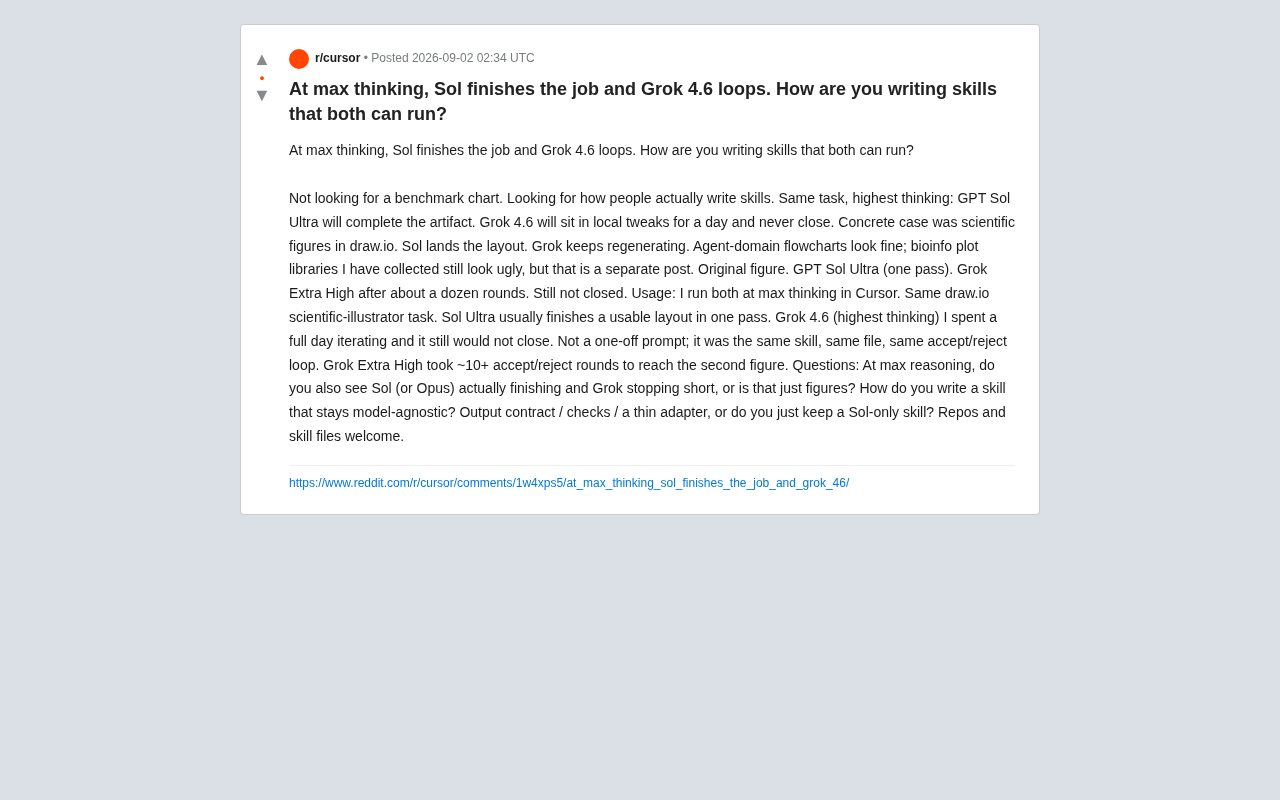
GPT Sol Ultra vs Grok 4.6: Real-World Task Completion Benchmark in Reasoning Mode
Developer benchmark reveals GPT Sol Ultra completes draw.io scientific diagrams in one iteration while Grok 4.6 fails to converge despite maximum reasoning mode, exposing that reasoning depth ≠ task delivery capability.
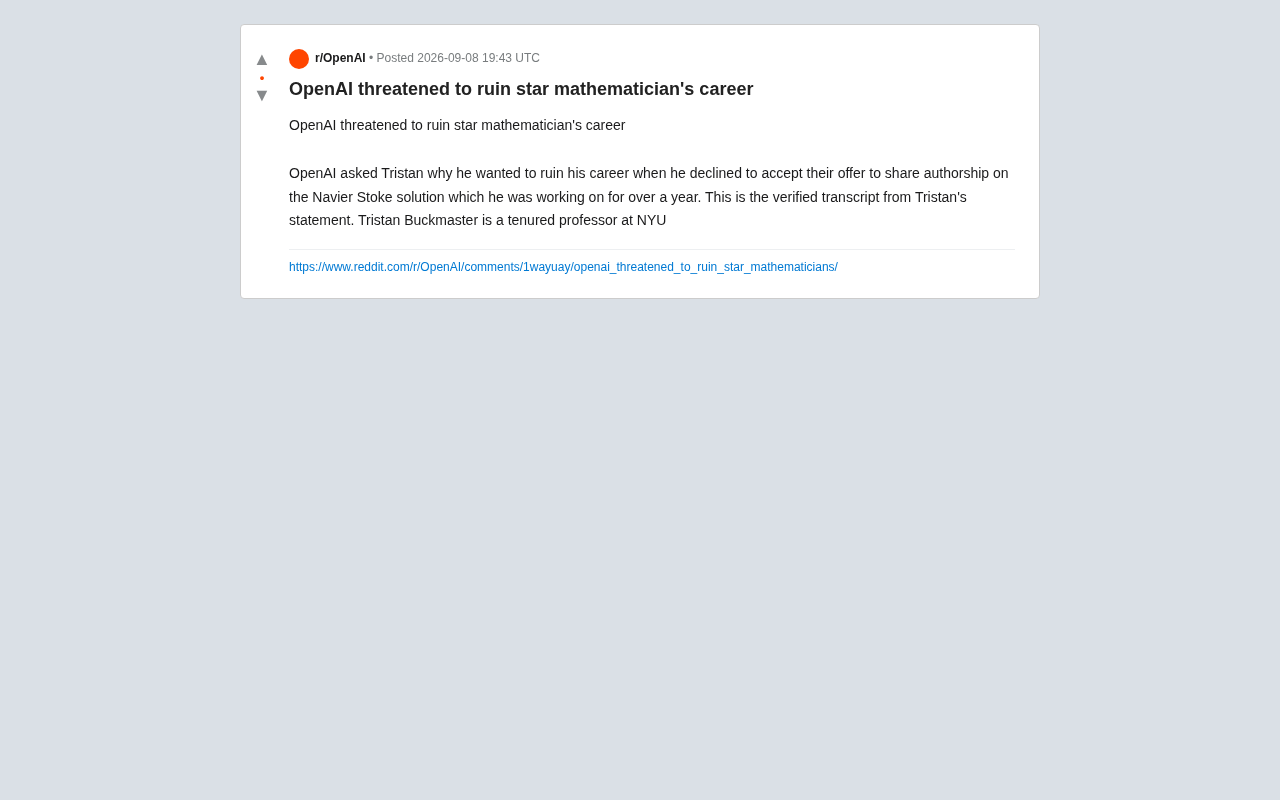
OpenAI Authorship Dispute: The Battle Over Academic Boundaries in the AI Era
OpenAI disputes authorship with mathematician Tristan Buckmaster over Navier-Stokes research, raising ethical questions about AI involvement in science.