Hacker News Monthly 'What Are You Working On?' Thread: A Window Into the Developer Community
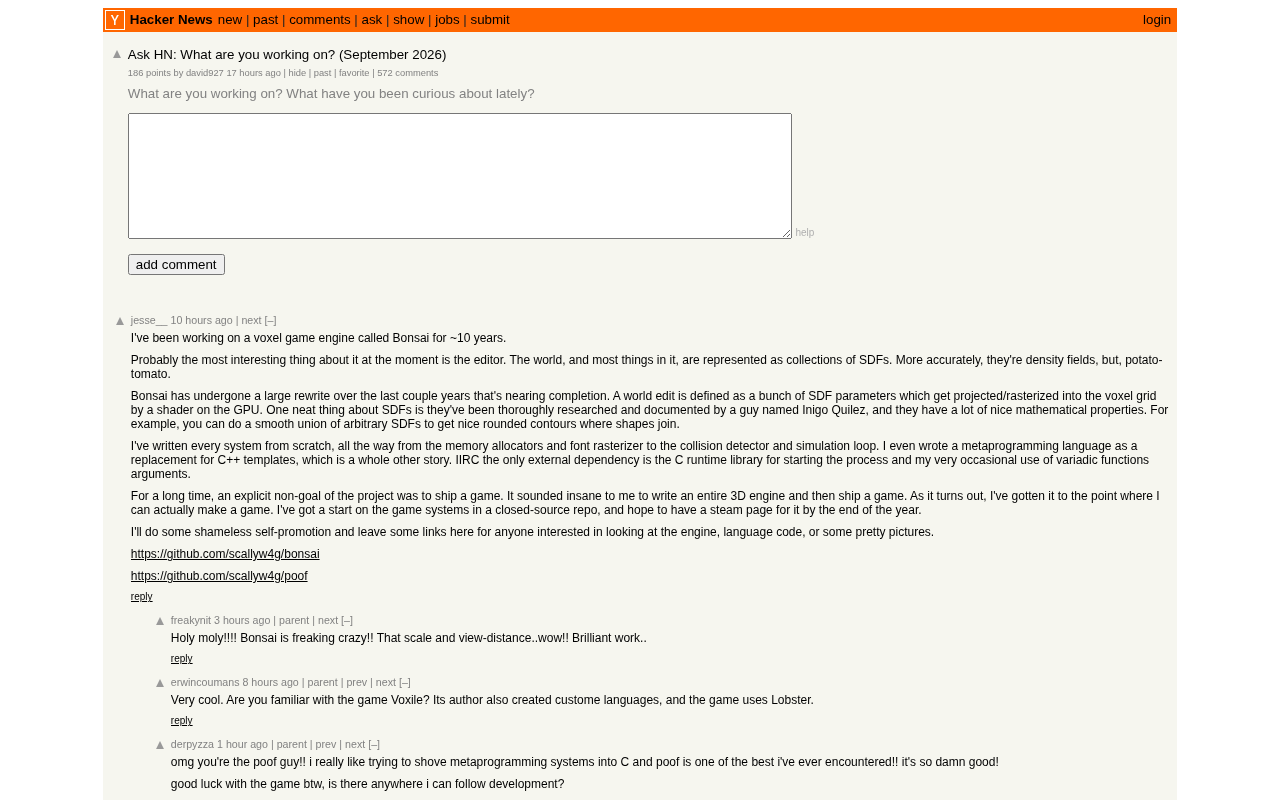
Hacker News's monthly open thread is a grassroots ritual for indie developers to share projects and spot long-tail tech trends.
Hacker News's "Ask HN: What are you working on?" is a near-monthly open thread that this time drew 180 upvotes and 558 comments. With just two questions, it gives independent developers a low-barrier space to share projects, find collaborators, and gather early feedback. The second question — "What have you been curious about?" — captures nascent interests before they become projects, making it an informal leading indicator of where community attention is heading. Unlike formal tech coverage focused on marquee products, this thread surfaces the long tail of small, under-the-radar projects, offering a raw, first-hand read on the developer community's real pulse.
A Community Ritual Years in the Making
The "Ask HN: What are you working on?" thread is a near-monthly fixture on Hacker News. The format is remarkably simple — the poster asks just two questions: "What have you been working on lately?" and "What have you been curious about?" — then steps back and lets the community run with it.
This particular thread drew 180 upvotes and 558 comments, no small feat. Compared to carefully crafted long-form technical writeups, these open-ended prompts often do a better job of capturing the real-time state of independent developers, founders, and tech enthusiasts. It's like an unstructured community survey — one with no required format — that somehow surfaces fresher, more candid insights than any formal report.
Why This Kind of Thread Has Become a Monthly Tradition
The staying power of "What are you working on" comes down to a specific kind of community logic. For independent developers, building something is often a lonely process with little external feedback. A low-barrier thread like this offers a window for visibility, for asking for help, and simply for being seen.
Posters don't need to write a polished product pitch — a sentence or two about what they're tinkering with is enough. That low cost of participation keeps the barrier to entry minimal and produces a remarkably diverse comment section: side projects, open-source tools, hardware experiments, writing endeavors, and purely curiosity-driven technical explorations all show up side by side.
The second question — "What have you been curious about?" — goes a step further. It captures not projects already underway, but interests still in their earliest stages. This part of the thread often foreshadows where the community's attention is heading, making it an informal leading indicator of emerging tech trends.
Hacker News (HN) was founded by Y Combinator in 2007, positioning itself as a community forum for founders, programmers, and tech enthusiasts. Unlike platforms such as Reddit, HN's comment culture skews toward high signal-to-noise: users tend to leave substantive comments rather than simple upvotes or emotional reactions. This atmosphere means "What are you working on" threads on HN consistently outperform similar prompts elsewhere — respondents genuinely describe technical details, openly discuss the challenges they're facing, and sometimes share early prototypes that haven't been made public yet. HN also runs a "karma" point system that rewards consistent, valuable participation, which is part of the institutional foundation that makes this monthly ritual possible.
The Community Value Behind High Engagement
A ratio of 558 comments to 180 upvotes signals that the value of this thread lies primarily in conversation, not in passive information consumption. Unlike news posts where people read and move on, threads like this are fundamentally about human connection.
Common interaction patterns in the comments include: other users suggesting improvements to a project, people seeking potential collaborators, discovering others with shared interests, and even recruiting early users or beta testers. For many small projects, this is where the first round of genuine feedback comes from.
This "open bazaar" style of exchange is what distinguishes Hacker News from a pure content platform. It's not optimized for one-way publishing — it sustains a loose network of practitioners and enthusiasts. The monthly threads that keep appearing are, in a sense, this network's recurring meetup.
What This Means for Trend Watchers
From a content and trend-observation standpoint, these "no-agenda" open discussions carry a distinctive kind of value. Formal tech coverage tends to focus on top-tier products and marquee companies, while "What are you working on" surfaces the long tail — a large volume of small projects and early-stage ideas that haven't yet caught mainstream attention.
If you want to understand what the developer community genuinely cares about, which new tools are being adopted organically, and which technical directions are drawing individual builders' time and energy, browsing these comment threads is often more grounding than reading industry analyses. It's first-hand, unpackaged community pulse.
One note: since the source material here only includes the thread's opening post and engagement metrics — not the individual comments themselves — this article can't enumerate the specific projects the community is working on this month. For the full picture, it's worth visiting the original discussion to browse all 558 replies directly.
The "long tail" concept originates from Chris Anderson's 2004 Wired article of the same name, which described how the aggregate sales of large numbers of low-volume products in e-commerce can surpass those of a small number of bestsellers. Applied to the tech community, "long-tail projects" refers to independent tools, open-source libraries, and experimental products with tiny user bases and no media coverage — but vast in number. These projects are often early-signal sources for emerging tech trends: the rise of mainstream frameworks and commercial products can frequently be traced back to long-tail precursors months or even years earlier. This is precisely why regularly browsing open discussions like those on HN holds unique forward-looking value for anyone studying how technology spreads and how grassroots innovation unfolds.
Closing Thoughts
"Ask HN: What are you working on?" is deceptively simple — and yet it's a microcosm of the tech community's capacity for self-organization. In the most unassuming way possible, it consistently gives independent developers a space to show their work and make connections. For anyone paying attention to the technology ecosystem, checking in on threads like this regularly may offer a more honest read on what's actually happening than chasing the latest headlines.
Related articles
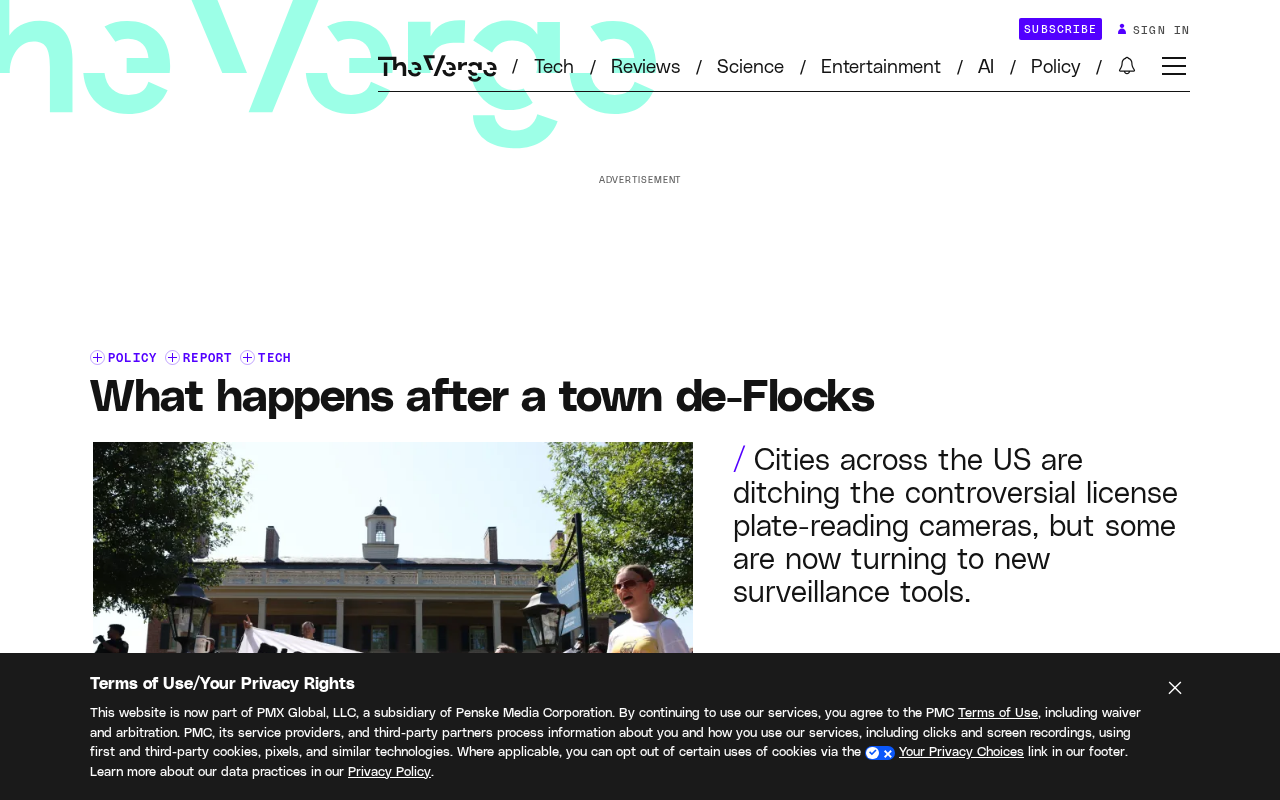
After Towns Cancel Flock Contracts: The Lingering Fallout of AI License Plate Recognition Cameras
Towns across the US are canceling Flock AI license plate camera contracts amid public backlash, but terminating contracts doesn't erase collected data. A look at the data retention risks that persist.
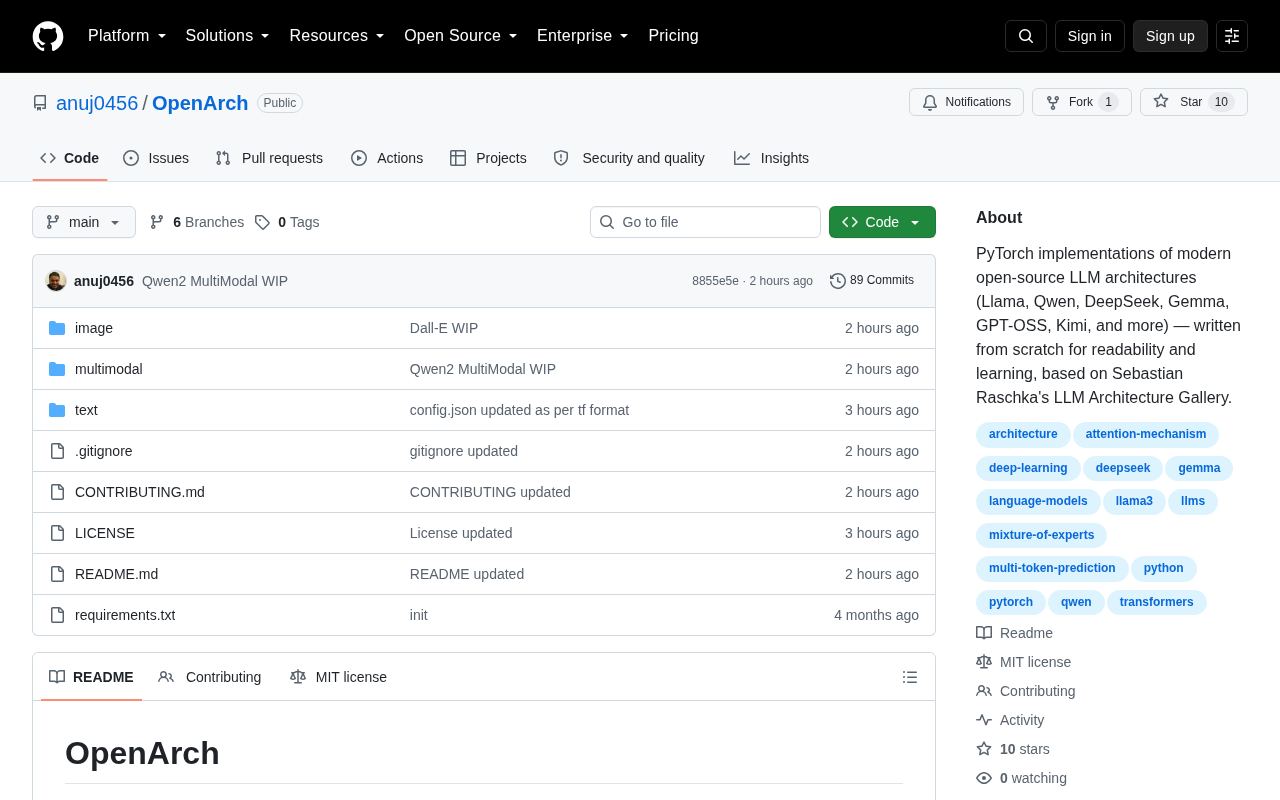
OpenArch: An Open-Source Project Reimplementing Modern LLM Architectures in PyTorch
OpenArch is an open-source PyTorch project reimplementing modern LLM architectures with a focus on clean, readable code. Learn about its value for learners and researchers.
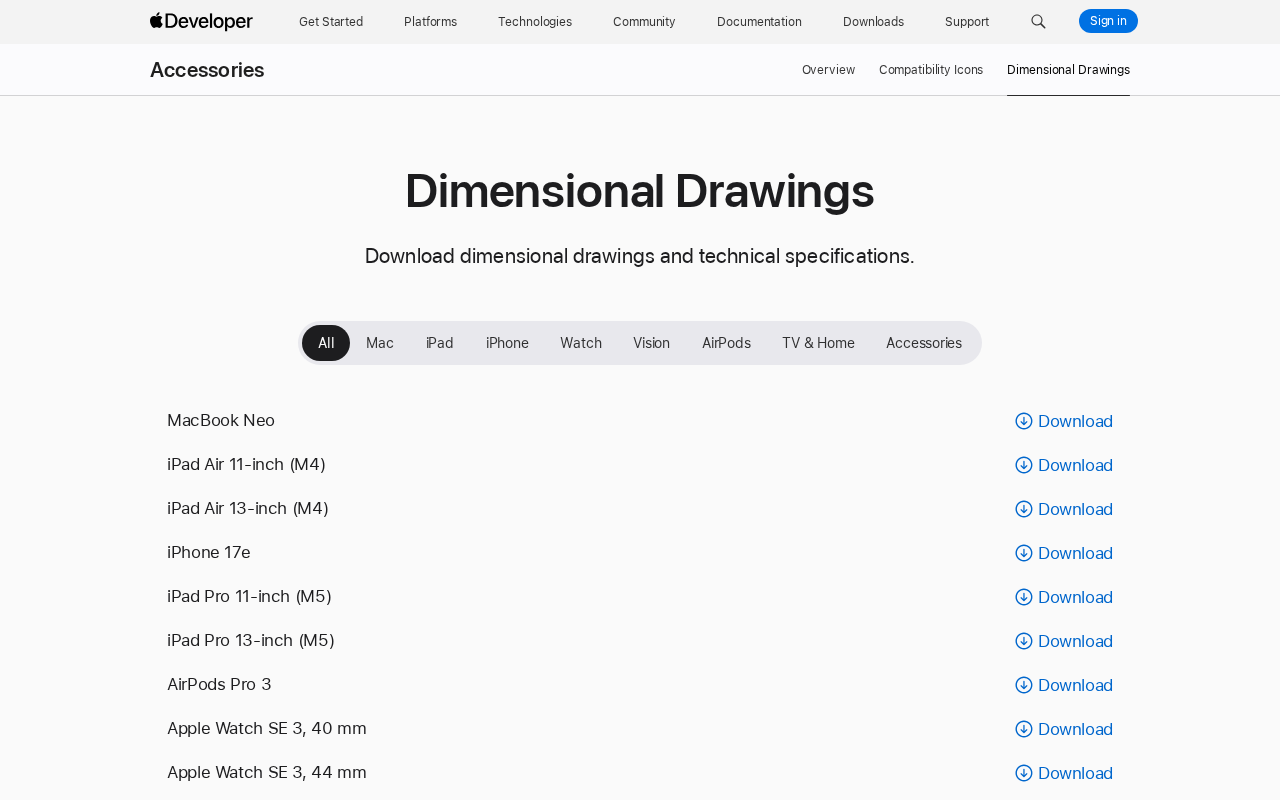
Apple Releases Accessory Dimensional Drawings: The Invisible Foundation of Its Hardware Ecosystem
Apple has published Dimensional Drawings on its developer portal, giving third-party accessory makers precise device specs. Here's what it means for the hardware ecosystem.