HarnessTax: How Much Does the Engineering Shell Matter for Coding Agents?
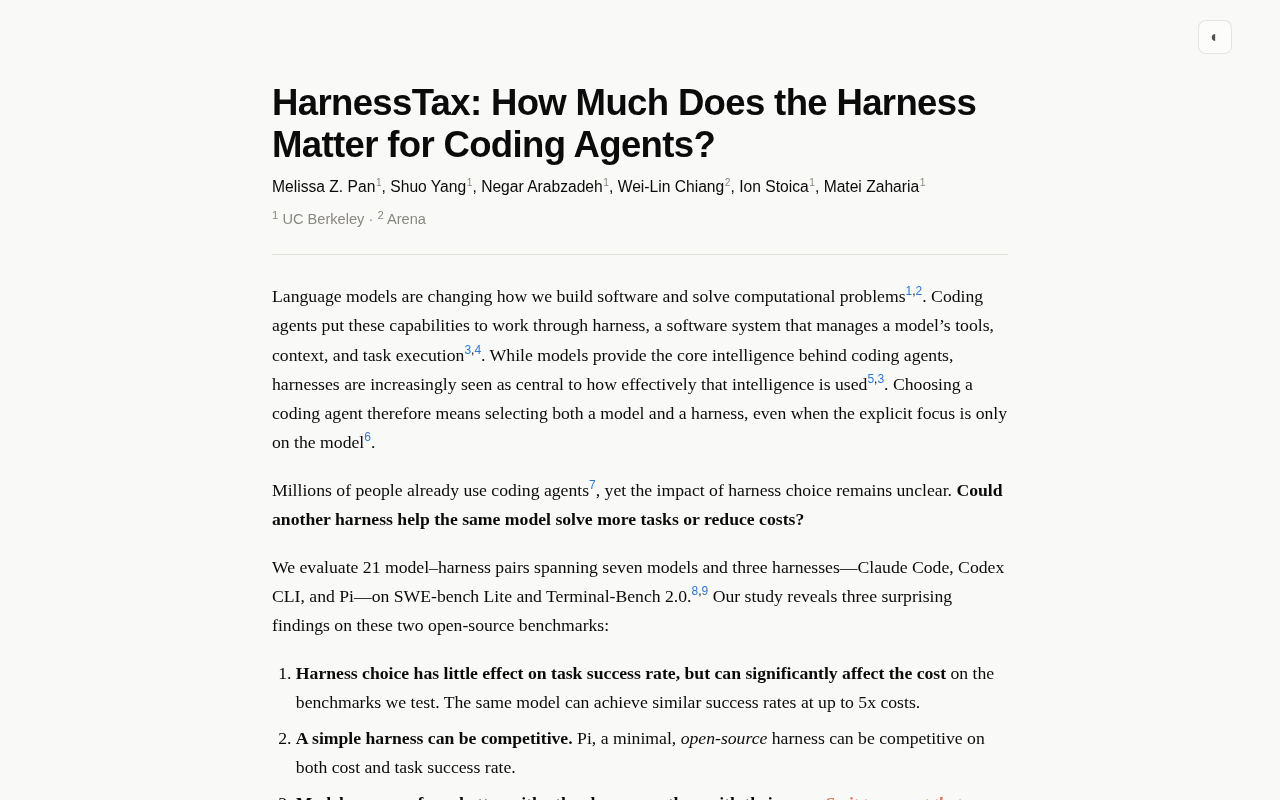
HarnessTax explores how much of a coding agent's performance is the model vs. the engineering shell.
The article unpacks "HarnessTax" — a framework for separating the contributions of the underlying model and the engineering harness in AI coding agents. The harness covers prompt engineering, context management, and tool-calling logic; the same model wrapped in different harnesses can yield wildly different results. The metaphor of a "tax" captures how harnesses can amplify or constrain model potential. For tool selection, the article recommends evaluating cross-model stability, context management transparency, and real-codebase performance over leaderboard scores. It also acknowledges the concept originates from a low-engagement Hacker News post and lacks strong empirical backing — making it a thinking framework rather than a proven conclusion.
What Is the "Harness" of a Coding Agent?
When we talk about AI coding tools — various code assistants and automated programming agents — we tend to focus on the capabilities of the underlying model: How powerful is it? Can it understand complex requirements? How good is the code it produces? But a question that often gets overlooked is: how much value does the "harness" — the engineering shell or framework wrapped around the model — actually contribute?
The harness refers to the engineering architecture that sits between the model and the actual coding task. It includes prompt engineering, context management, tool-calling logic, file read/write strategies, error handling, and retry mechanisms. Take the same base model, wrap it in different harnesses, and the resulting performance on real-world software engineering tasks can vary dramatically.
A discussion titled "HarnessTax: How Much Does the Harness Matter for Coding Agents?" recently surfaced on Hacker News, raising a thought-provoking question: when evaluating the overall performance of a coding agent, how should we separate the model's contribution from the harness's contribution?
In software engineering, "harness" originally refers to a "test harness" — auxiliary code used to drive and verify a system under test. In the context of AI agents, the term is borrowed to describe the entire execution architecture wrapping the model. Take mainstream coding benchmarks like SWE-bench: competing systems typically need to autonomously complete a full pipeline — reading the codebase, understanding the issue, locating files, modifying code, and running tests. The model itself only handles the reasoning and generation steps; everything else — file system operations, shell command execution, multi-turn dialogue state management — falls under the harness's responsibility. Prominent commercial implementations include Anthropic's Claude Computer Use, GitHub Copilot Workspace, and the open-source SWE-agent framework. These systems use the same or similar underlying models, but differ significantly in harness design — and their fix success rates on SWE-bench can diverge by 10–20 percentage points or more.
The Core Idea Behind "HarnessTax"
The term "HarnessTax" — literally an "shell tax" — reveals the author's core concern. The "tax" is a metaphor: it suggests that the harness layer can both add value (improving agent reliability and task completion rates) and impose costs (extra token consumption, latency, and constraints on model capability due to poor framework design).
In other words, a well-designed harness can help a mid-tier model punch above its weight, while a clumsy harness can "tax away" a significant portion of a powerful model's potential. This perspective is impossible to ignore when evaluating the growing wave of coding agent products on the market.
Why This Distinction Matters
The AI coding space is intensely competitive, with countless products claiming to "understand code better" or achieve "higher completion rates." But where do these improvements actually come from?
- Iterative upgrades to the underlying model?
- Or clever engineering in the outer harness?
If a product's advantage primarily comes from its harness, that edge could quickly evaporate once competitors plug in the same base model and optimize their own shells. If the advantage stems from the model itself, the moat is more durable. Understanding this distinction is critical — for developers choosing tools and for investors assessing a product's competitive defensibility.
Implications for Developer Tool Selection
For engineering teams evaluating coding agent tools, this concept offers a more rational assessment framework. Rather than being drawn in by marketing numbers like "how many benchmark tasks were completed," it's worth asking:
- Does the tool perform consistently across different underlying models? If swapping out the model causes a sharp performance drop, the harness is heavily tuned to a specific model's quirks.
- Is the context management and tool-calling logic transparent and controllable?
- How does it perform on real, complex codebases — not toy-level examples?
The answers to these questions often reveal far more about a tool's practical value than a single leaderboard score.
Engineering Practice Considerations
For teams building their own coding agents, the "HarnessTax" lens is a reminder that model capability and engineering shell need to be co-optimized, not developed in isolation. An ideal harness should amplify a model's strengths, compensate for its weaknesses, and keep overhead within reasonable bounds — requiring careful iteration across prompt design, context window utilization, and error recovery mechanisms.
From a technical implementation standpoint, one of the harness's core challenges is context window management. Real codebases can easily run into millions of tokens — far beyond current model context limits — so the harness must decide which file fragments, call stacks, and doc comments to "feed" the model. Retrieval-augmented generation (RAG), file tree summarization, and symbol-level indexing (e.g., Tree-sitter for AST parsing) are common approaches. Another challenge is tool-call reliability: when model output is malformed or a tool returns an error, the harness needs retry and fallback strategies — and those strategies themselves significantly affect the final success rate. These engineering details rely heavily on accumulated experience and can't be easily inferred from model evaluation metrics alone. That's precisely where the practical value of the "HarnessTax" concept lies.
Limitations and Further Directions
It's worth noting that the original Hacker News post has very low traction — only 4 upvotes and no comments at the time of writing. So we can't draw on community discussion for quantitative data or experimental results to validate just how large the "HarnessTax" actually is. The post raises a compelling framework for research rather than presenting empirically validated conclusions.
That said, the question itself captures a genuine pain point in current AI coding tool evaluation: we tend to treat agents as monolithic black boxes, rarely decomposing the attribution of their capabilities. As coding agents become increasingly widespread, the ability to scientifically disentangle "model vs. harness" contributions may well become a critical topic in next-generation evaluation methodology.
For practitioners following the AI coding space, "HarnessTax" is a useful mental model: the next time you see impressive numbers from a coding agent, ask yourself — how much of that is the model's doing, and how much belongs to the shell?
Related articles
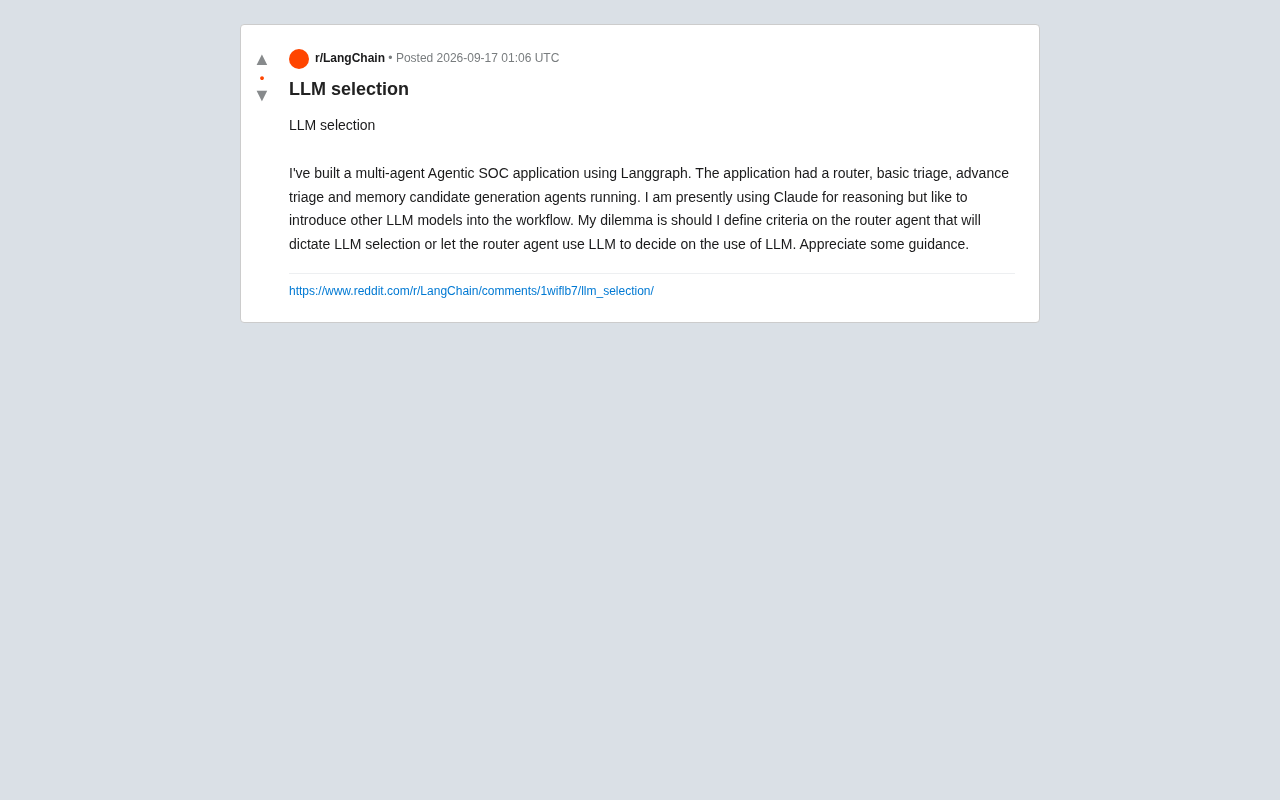
LLM Selection Strategy for Multi-Agent SOC Applications: Rule-Based Routing vs. LLM-Driven Decisions
Should multi-agent SOC apps on LangGraph use rule-based routing or LLM-driven model selection? This article analyzes both approaches and recommends a hybrid strategy for security operations.
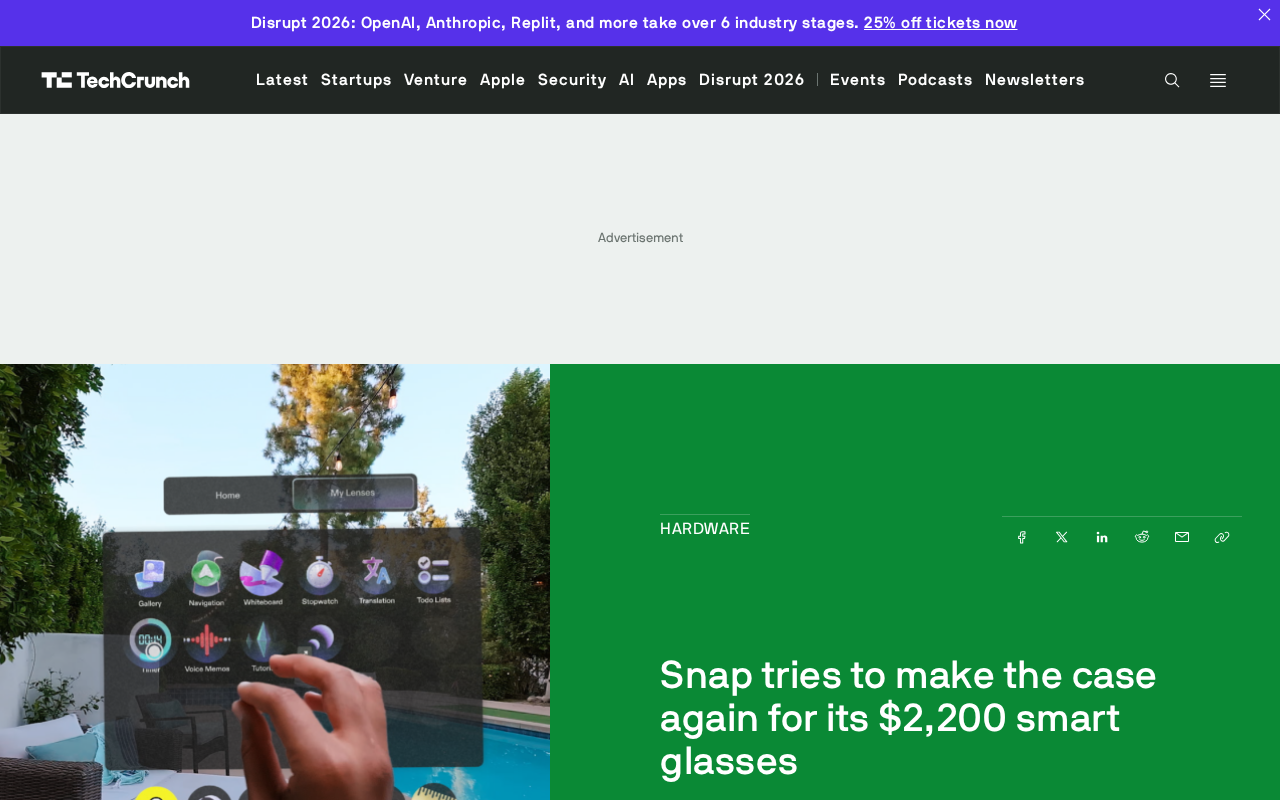
Snap Pushes Its $2,200 Smart Glasses Again — Can It Convince the Market?
Snap launched new features for its $2,200 smart glasses, doubling down on AR. We break down the pricing dilemma, its rivalry with Meta Ray-Ban, and what it means for the AR glasses race.
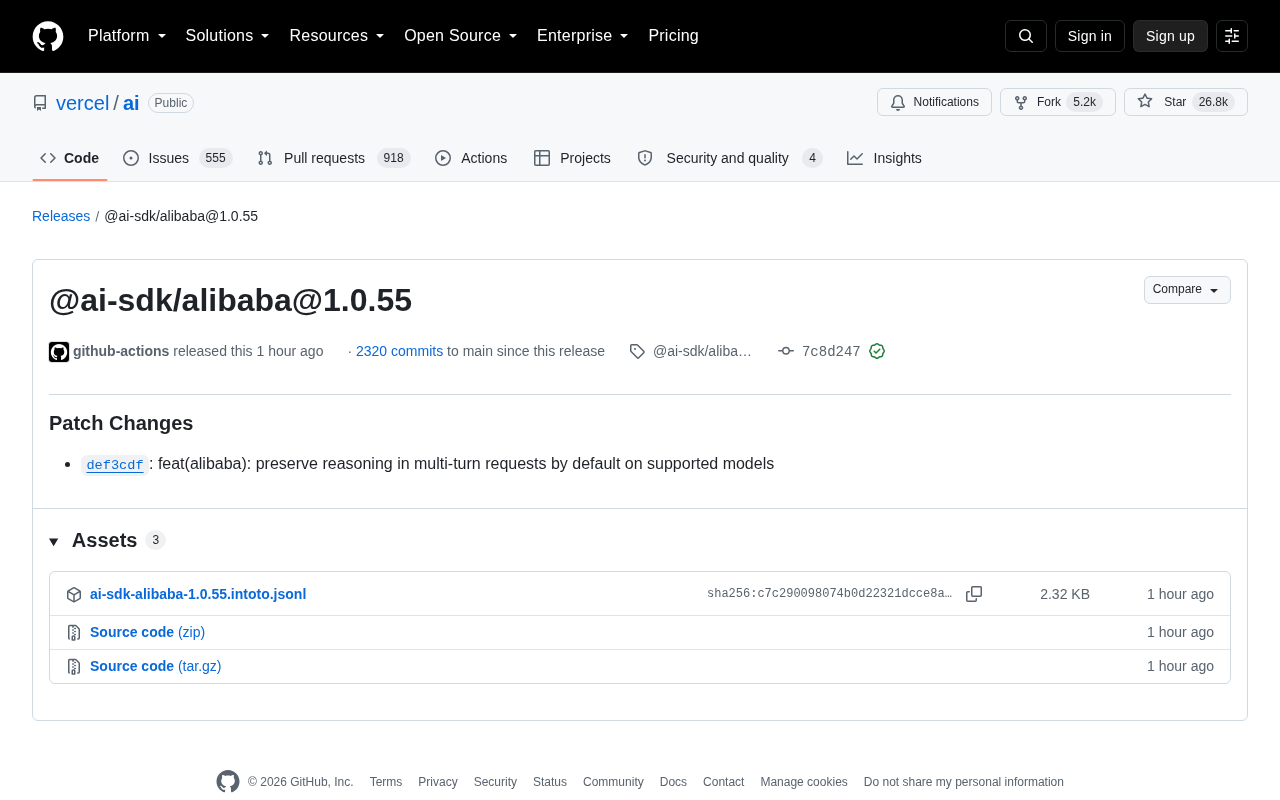
Vercel AI SDK Update: Multi-Turn Reasoning Preservation for Alibaba Models
Vercel AI SDK releases @ai-sdk/alibaba@1.0.55, enabling reasoning preservation by default in multi-turn requests for supported Alibaba models like Qwen.