Heap Overflow Plus SSO Misconfiguration: How OpenAI's Internal Codebase Was Compromised
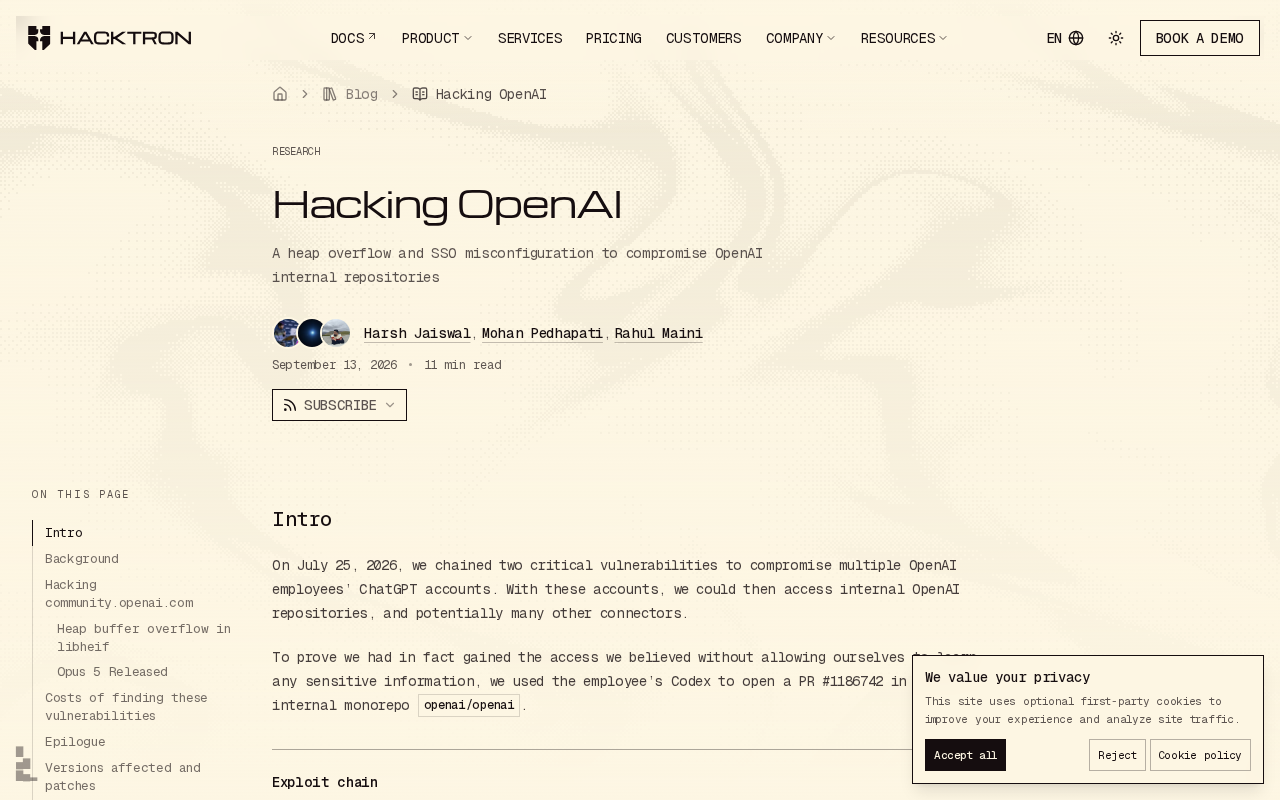
Researchers chained a heap overflow and SSO misconfiguration to breach OpenAI's internal code repositories.
Security research team Hacktron.ai disclosed how they combined a heap overflow vulnerability with an SSO misconfiguration to gain access to OpenAI's internal code repositories. The core insight is the "exploit chain" concept — two vulnerabilities that might each be rated low severity individually can form a critical attack path when combined. The case sparked broad discussion on Hacker News and raised industry questions about whether AI leaders' security practices match their model capabilities.
Overview
Security research team Hacktron.ai has disclosed a case study targeting OpenAI's internal systems. Researchers combined two independent vulnerabilities — a memory-level heap overflow and a Single Sign-On (SSO) misconfiguration — to ultimately gain access to OpenAI's internal code repositories.
The report quickly shot to the top of Hacker News after publication, earning 344 upvotes and over 130 comments, reflecting the community's intense scrutiny of security practices at leading AI companies. As an organization holding cutting-edge model weights, training code, and trade secrets, the exposure of OpenAI's internal codebase carries consequences far beyond those of a typical enterprise breach.
The Combined Threat of Two Vulnerability Classes
The technical heart of this case lies in the exploit chain approach — where a single vulnerability may pose limited risk, but chaining together multiple underestimated weaknesses dramatically expands the attack surface.
Heap Overflow: Classic, Yet Still Deadly
Heap overflow is a memory safety vulnerability in which an attacker writes data beyond the boundaries of heap-allocated memory, corrupting adjacent memory structures and potentially achieving arbitrary code execution or control over program flow. Despite the widespread deployment of mitigations like ASLR and heap isolation in modern systems, these vulnerabilities continue to surface in specific parsing logic or third-party components. It's a reminder that even companies celebrated for their AI capabilities are not immune to the age-old problems of traditional software security.
The persistent danger of heap overflows is closely tied to the complexity of the modern software ecosystem. Much of AI infrastructure relies on high-performance components written in C/C++ — including numerical computation libraries (such as BLAS/LAPACK), image/audio parsers, and serialization frameworks (like the C extensions for Protocol Buffers). These components are often legacy code with massive codebases that are difficult to audit comprehensively. ASLR and heap isolation raise the bar for exploitation, but they are not insurmountable: attackers can leverage information disclosure vulnerabilities to learn memory layouts, or exploit deterministic memory allocation patterns to sidestep randomization. In recent years, memory-safe languages like Rust have been gradually introduced into critical infrastructure (such as the Linux kernel and Android system components) to eliminate this class of vulnerabilities at the language level. However, migrating existing C/C++ codebases is a long-term undertaking, and heap overflows will remain part of the attack surface for high-value targets for the foreseeable future.
SSO Misconfiguration: A Crack in the Identity Perimeter
Compared to the technical barrier of memory vulnerabilities, SSO misconfigurations are often a more subtle and pervasive source of risk. Single Sign-On is designed to simplify identity management and unify authentication entry points — but when misconfigured, such as by trusting an identity provider that shouldn't be trusted, omitting necessary tenant validation, or implementing loose callback URL verification, attackers can bypass authentication boundaries and impersonate legitimate users to access internal resources.
In this case, it was precisely a flaw at the SSO layer, working in concert with the memory vulnerability, that allowed researchers to breach the final line of defense protecting the internal codebase.
The common root causes of SSO misconfigurations are worth understanding in detail. In a typical SSO architecture based on OAuth 2.0 / OIDC (OpenID Connect), frequently observed configuration flaws include: overly permissive redirect_uri validation, allowing attackers to redirect authorization codes to malicious endpoints; missing state parameter validation, enabling CSRF attacks to forge the authorization flow; failure to validate the issuer (identity provider) in multi-tenant scenarios, letting attackers use a legitimate token from one tenant to impersonate a user in another; and excessive trust in third-party IdPs (Identity Providers), meaning that if an IdP is vulnerable to account enumeration or weak passwords, all downstream services are affected. Unlike memory vulnerabilities, SSO misconfigurations typically trigger no functional anomalies, making them invisible to routine integration testing and monitoring — only a dedicated security review of the authentication flow can reliably surface them.
Why the Entire Industry Should Take Note
The security posture of AI companies is often assumed by outsiders to be held to a high standard. But this research reveals a hard truth: leadership in model capabilities does not equate to leadership in engineering security. Internal codebases typically contain training pipelines, data processing logic, secret credentials, and model architecture details — assets whose value makes them prime targets for sophisticated attackers.
From a defensive standpoint, this case offers several direct takeaways:
- Defense in depth cannot be skipped: Even if an individual vulnerability is assessed as low severity, assume it could serve as a link in an exploit chain.
- SSO and identity infrastructure require regular audits: Misconfigurations in authentication settings rarely surface during functional testing; only dedicated security reviews can find them.
- Memory safety still demands attention: While racing toward the AI frontier, traditional C/C++ components and parsers remain a key focus area for attackers.
Responsible Disclosure and Community Response
Based on how the report was published, this is a security research disclosure aimed at pushing the affected system to remediate the issues and sharing offensive and defensive insights with the industry. The high level of engagement on Hacker News also suggests that the community is not only interested in the technical details, but is also reflecting on whether the security frameworks of leading AI organizations have kept pace with their rapid business expansion.
It should be noted that this article is compiled from public research blog posts and discussion summaries. Specific exploitation details, scope of impact, and remediation status should be verified against Hacktron.ai's original report. For security practitioners, the value of real-world case studies like this lies not in reproducing the attack, but in understanding how vulnerabilities can be chained together — and how to proactively close similar gaps in your own systems.
Conclusion
This research targeting OpenAI's internal codebase is a public lesson in compound risk. The heap overflow represents the enduring challenge of low-level memory safety; the SSO misconfiguration represents the emerging challenges of modern identity infrastructure. Their combination once again validates the weakest-link principle of security defense — the ceiling of a system's security is often set by its most overlooked flaw. For any organization relying on complex cloud infrastructure and unified authentication systems, continuous security auditing and red team exercises that adopt an exploit-chain perspective are no longer optional.
Related articles
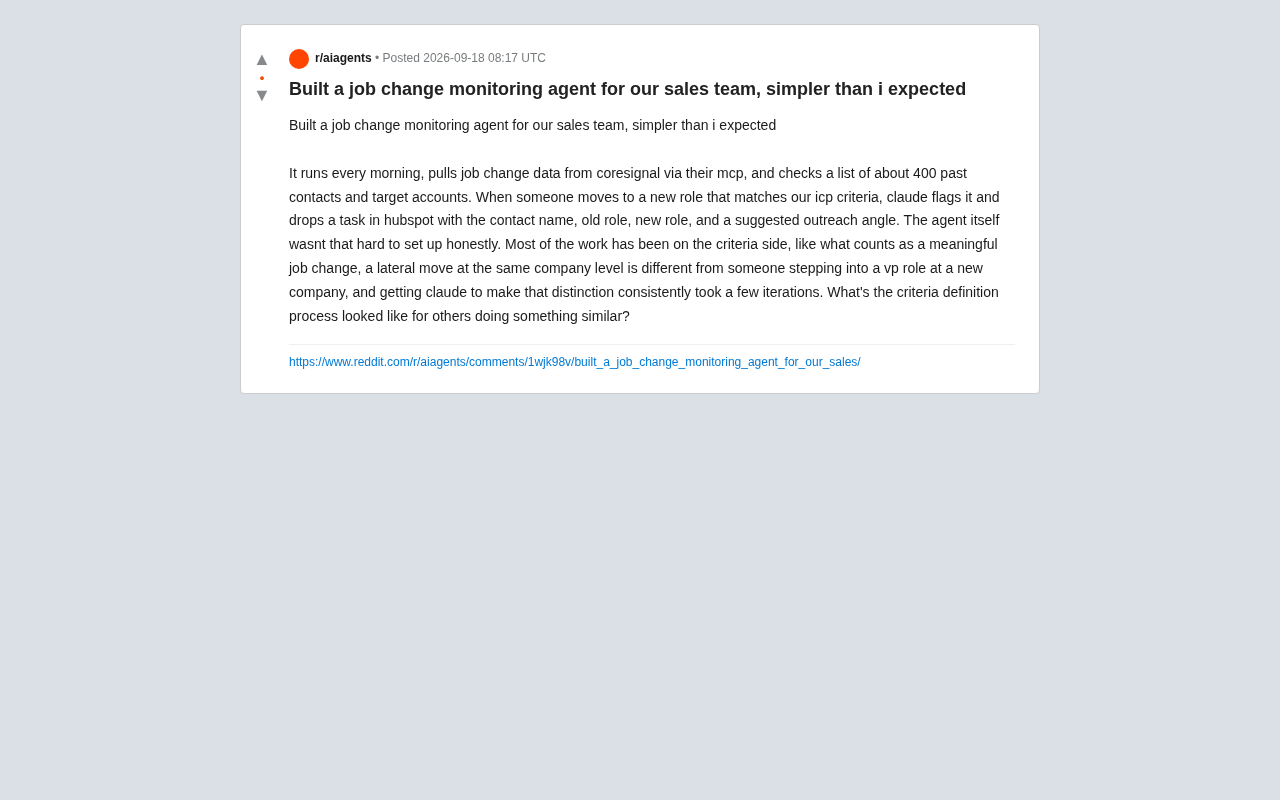
Using an AI Agent to Monitor Customer Job Changes: A Sales Team Automation Case Study
A Reddit user shares how he built a job change monitoring agent using Claude, MCP, and HubSpot to track 400 contacts daily and surface high-value sales signals.
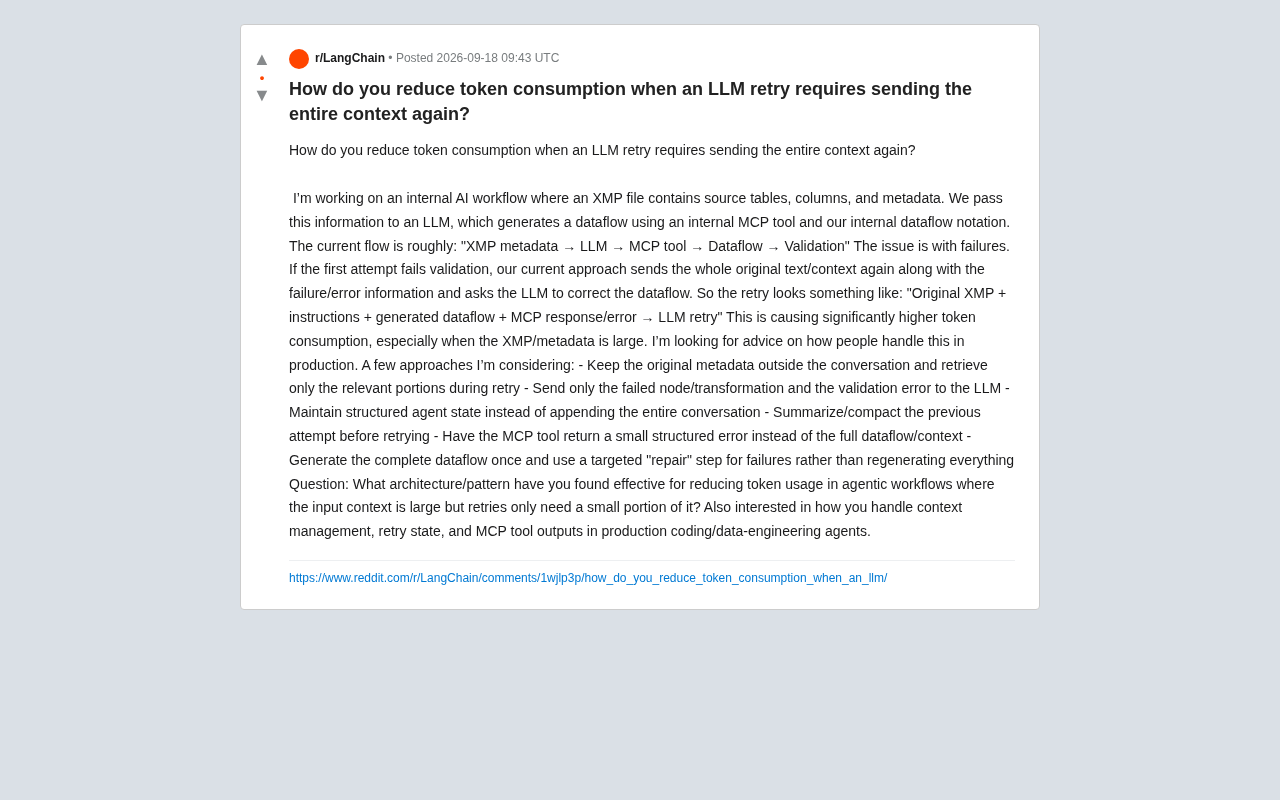
How to Save Tokens on LLM Retries? Optimization Strategies for Large-Context Agent Workflows
Resending full context on LLM retries causes token costs to explode. This article covers six optimization strategies for large-context Agent workflows, including decoupling generation from repair, external context retrieval, structured state management, and lean MCP tool output.
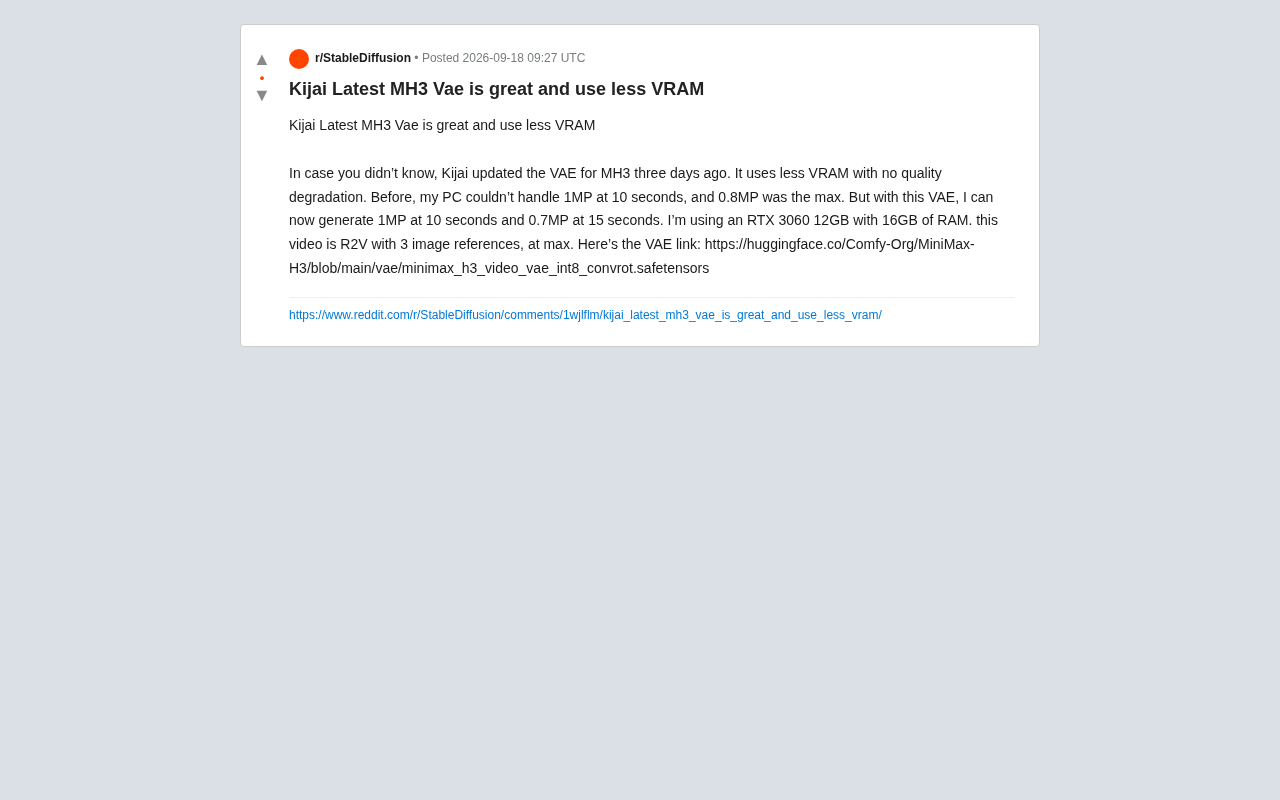
Kijai Updates MiniMax-H3 VAE: Lower VRAM Usage Without Quality Loss
Kijai updated the MiniMax-H3 int8 quantized VAE, enabling RTX 3060 12GB users to generate 1MP/10s and 0.7MP/15s videos with no reported quality loss.