How Automattic's Board Forced WordPress Co-Founder Matt Mullenweg on Mandatory Leave
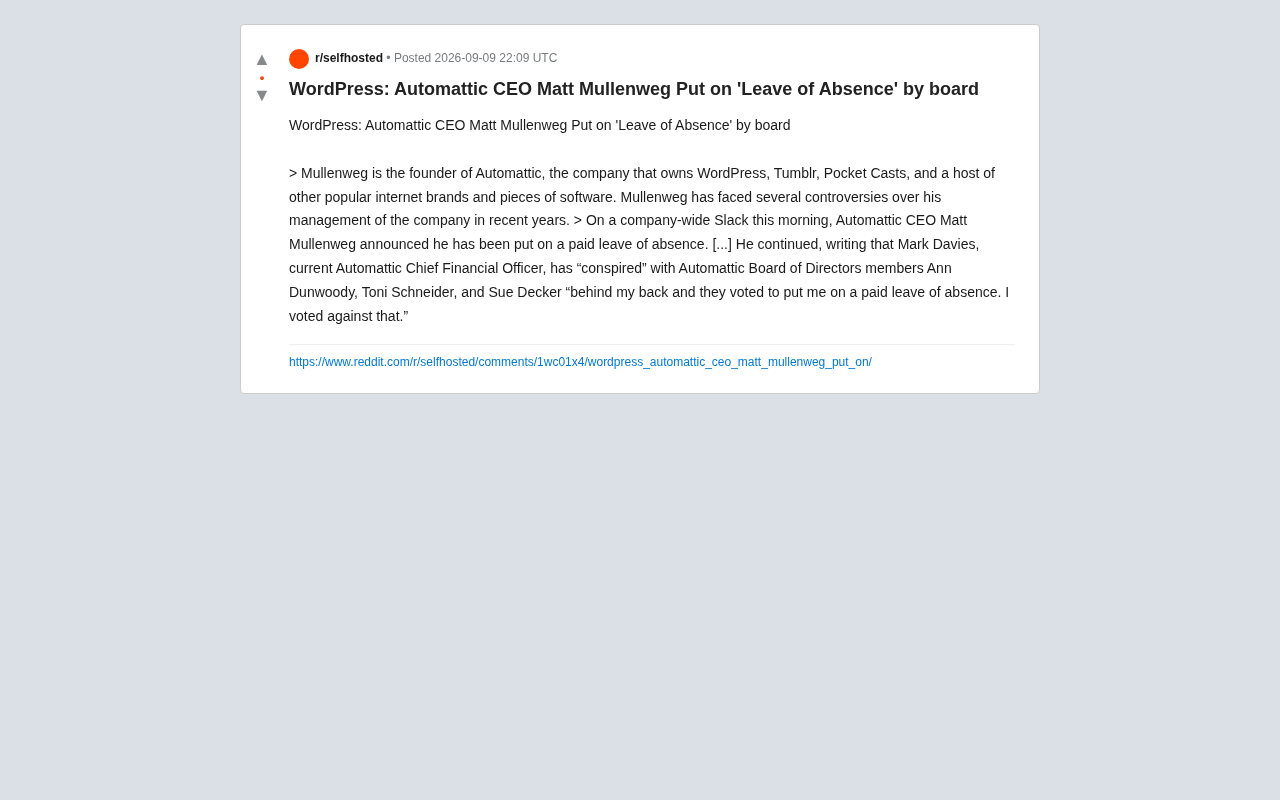
Automattic's board overrules founder Matt Mullenweg, forcing him on paid leave amid WordPress governance controversy.
Automattic CEO Matt Mullenweg was placed on mandatory paid leave by the company's board of directors over his own objections — a move he described in internal Slack as a "conspiracy." The action follows years of controversy over Mullenweg's use of his personal control over the open-source WordPress.org to intervene in commercial disputes. Three board members from military, tech, and business backgrounds united to act, signaling that Automattic's internal checks still function. Given that WordPress powers over 40% of the world's websites, the fallout raises serious questions about ecosystem stability, open-source neutrality, and governance models for commercialized open-source projects.
Overview
Automattic CEO and WordPress co-founder Matt Mullenweg announced in the company's internal Slack channel that the board of directors had voted to place him on paid leave. The decision passed over Mullenweg's own objections, marking an escalation in the power struggle within this internet giant.

Automattic owns a portfolio of well-known internet brands including WordPress.com, Tumblr, and Pocket Casts. In his internal announcement, Mullenweg was candid about what happened, stating that CFO Mark Davies and three board members — Ann Dunwoody, Toni Schneider, and Sue Decker — had "conspired behind his back" and passed the resolution by vote.
Historical Background of the Management Controversy
In recent years, Mullenweg's management style has sparked repeated controversy. As both the de facto controller of the open-source project WordPress.org and the CEO of the commercial entity Automattic, the blurry line between his two roles has long drawn scrutiny.
Within the WordPress ecosystem, Mullenweg has on multiple occasions leveraged his control over WordPress.org to intervene in commercial disputes. This practice of conflating open-source community resources with commercial interests has triggered a widespread crisis of trust among the developer community. Some observers argue that this governance model has undermined WordPress's neutrality as an open-source project.
The Significance of the Board's Action
Forcing a founder on leave against his will is uncommon in the history of tech companies. Typically, a CEO who holds founder status and significant equity is difficult for a board to check. This incident demonstrates that Automattic's corporate governance structure still retains meaningful checks and balances.
The backgrounds of the three board members who voted are worth noting: Ann Dunwoody is the U.S. Army's first female four-star general; Toni Schneider is a former CEO of Automattic; and Sue Decker is the former president of Yahoo. This composition reflects a professionally calibrated governance structure.
Potential Impact on the WordPress Ecosystem
WordPress powers more than 40% of websites worldwide, and this leadership upheaval could trigger a chain reaction across the entire ecosystem. In the short term, developers and enterprise users are most concerned about the stability of the product roadmap and whether the independence of the open-source project can be preserved.
On the positive side, this board intervention may push Automattic toward establishing more transparent and structured governance mechanisms, redefining the boundaries between the open-source project and the commercial company — a development that cannot be overlooked in restoring community trust and stabilizing the ecosystem.
The Deeper Contradiction in Open-Source Commercialization
This event reflects a core tension inherent in open-source commercialization. When a single person simultaneously holds authority over an open-source project and control of a commercial company, conflicts of interest are nearly unavoidable. The WordPress case serves as an important cautionary tale for other open-source projects: sound governance structures and clearly defined boundaries of authority are the foundation for the long-term health of any open-source ecosystem.
Automattic has yet to release an official statement, and it remains unclear whether CFO Mark Davies will assume interim CEO responsibilities. How this leadership crisis ultimately resolves will profoundly shape WordPress's future direction and the broader open-source CMS market landscape.
Related articles
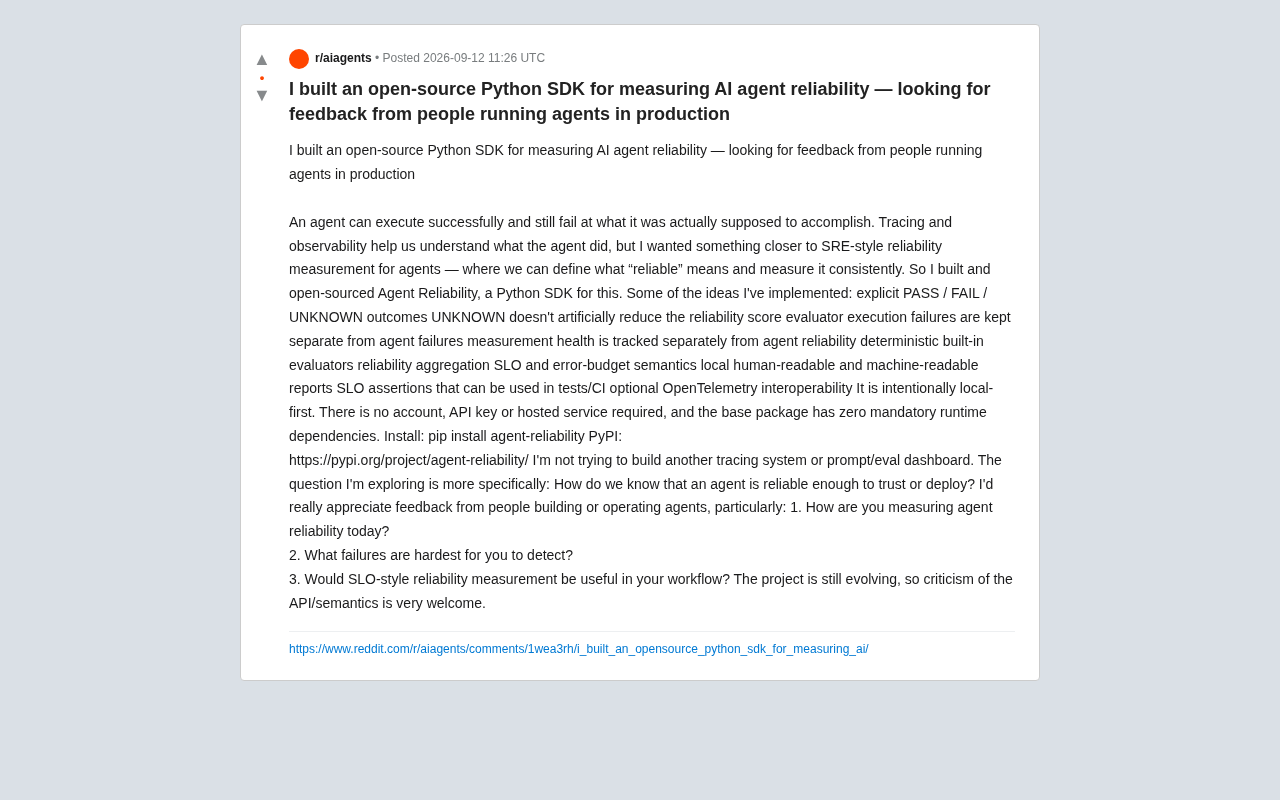
Open-Source Python SDK: Measuring AI Agent Reliability with SRE Principles
Agent Reliability is an open-source Python SDK that applies SRE's SLO and error budget concepts to AI Agent evaluation, with PASS/FAIL/UNKNOWN states, CI assertions, and zero forced dependencies.
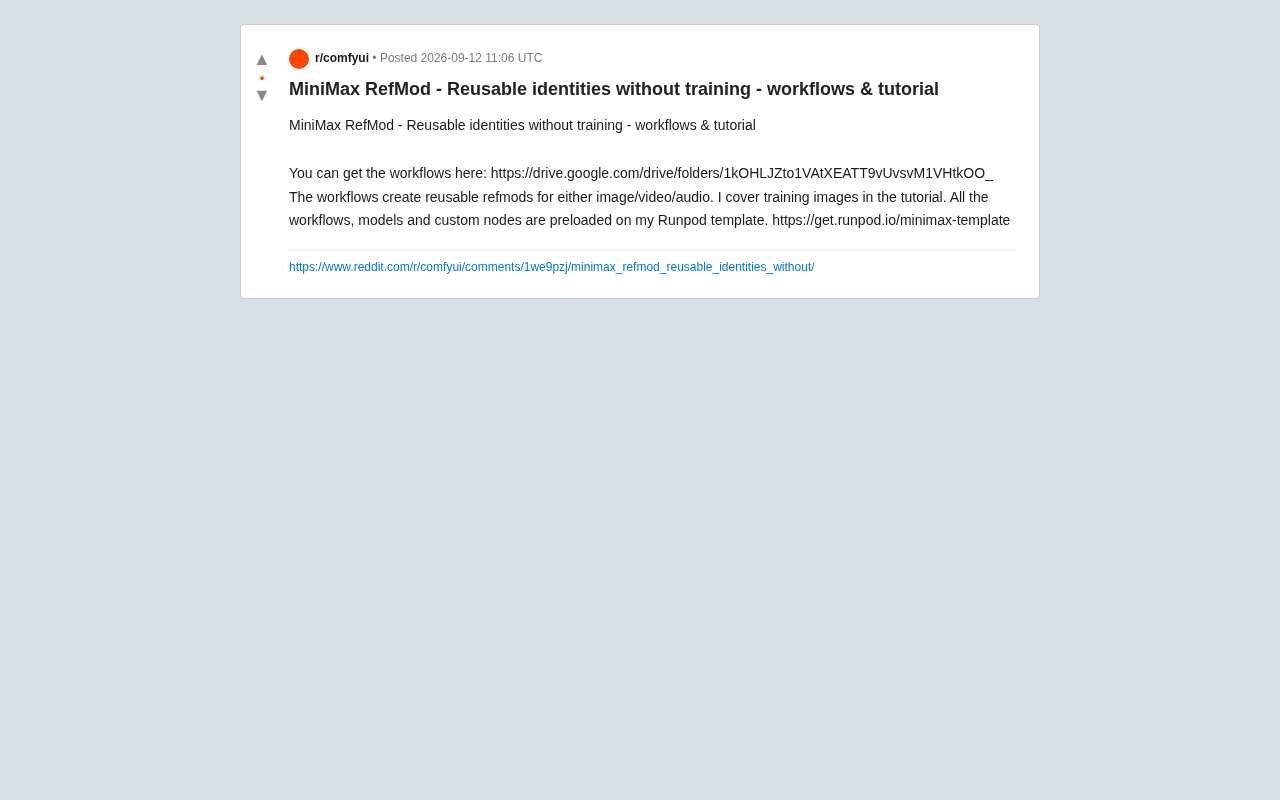
MiniMax RefMod: A Complete Guide to Training-Free Reusable Identity Workflows
MiniMax RefMod offers training-free reusable identity workflows for image, video, and audio generation. Includes Runpod template and tutorial for quick setup.

Invalid Source Material Notice
The source material provided lacks substantive information and is unrelated to AI/tech topics, making it impossible to produce a complete professional article.