Huawei Found Liable for Trade Secret Theft: A New Legal Flashpoint in US-China Tech Rivalry
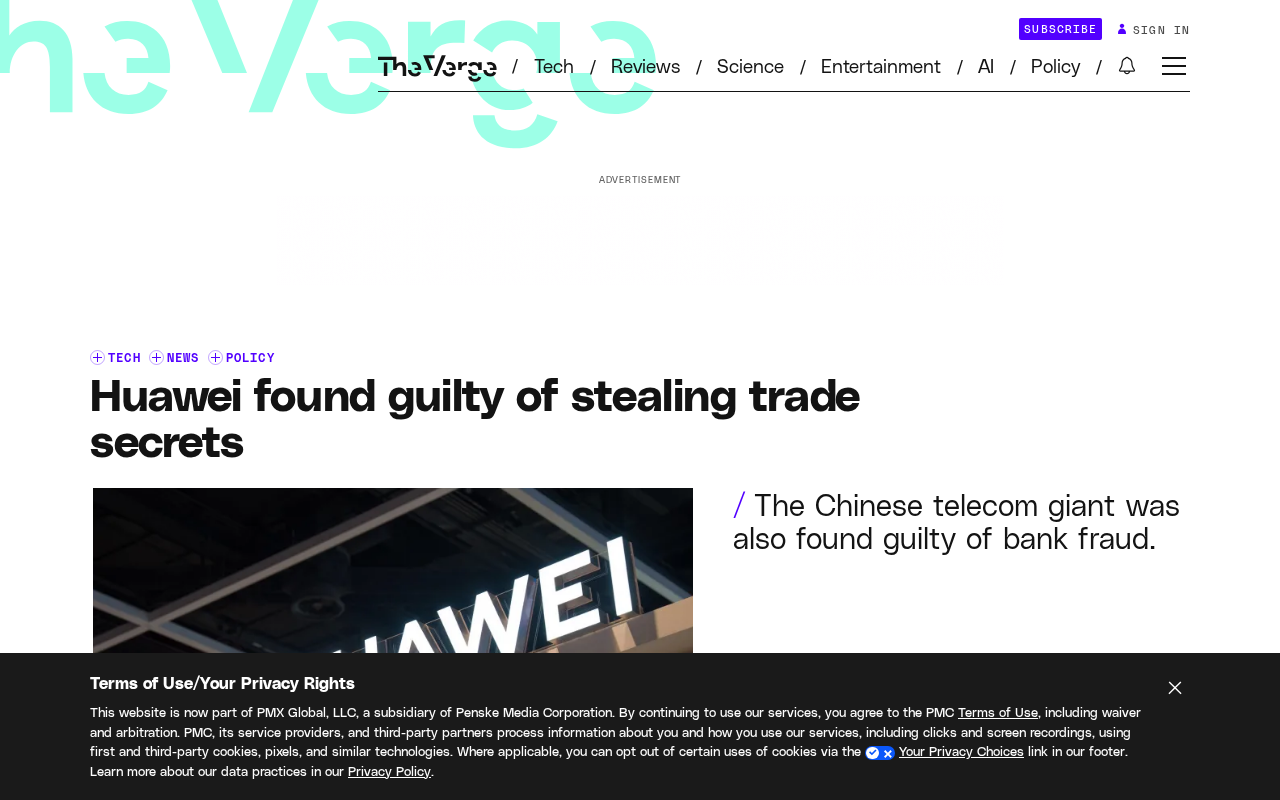
A New York jury found Huawei liable for stealing US trade secrets, a civil verdict with multiple signaling implications in US-China tech rivalry.
A New York federal jury found Huawei liable for stealing US trade secrets involving source code and proprietary technology from T-Mobile, Cisco, and others, closing a years-long legal dispute. The verdict is civil, with damages and injunctive relief not yet specified. The article analyzes it on three levels: legally, the civil ruling provides a factual basis for future litigation and regulation but does not directly bar market access; commercially, it hardens the "technology theft" narrative and affects partner confidence; geopolitically, trade secret litigation has become a legal tool in US-China tech rivalry. It also warns Chinese tech firms about compliance risks in employee mobility and technical document management, and notes that Huawei's appeal and subsequent remedies warrant attention.
A jury has found Huawei liable for stealing US trade secrets, bringing a years-long legal dispute to a close in a New York federal court. According to NBC News and Bloomberg, the verdict determined that the Chinese telecom giant obtained source code and proprietary technology from multiple companies, including T-Mobile and Cisco.
The case centers on trade secret infringement rather than national security or export controls. But the verdict arrives amid heated US-China tech competition, and both its symbolic and practical implications warrant closer examination.
Case Background: From Allegations to Verdict
Who Sued and What Was Alleged
The lawsuit was heard in a New York federal court, accusing Huawei of stealing trade secrets involving source code and proprietary technology. The companies mentioned in the source material include T-Mobile and Cisco. According to reports, the legal battle has lasted several years and culminated in a jury verdict finding liability.
The verdict held Huawei responsible for the theft. This differs from a criminal prosecution—jury verdicts in civil cases typically involve findings of liability and potentially damages, though specific amounts were not disclosed in the source material.
Why These Companies
T-Mobile and Cisco are both major players in the US telecom and networking equipment space, with direct or indirect competitive relationships with Huawei. Source code and proprietary technology are core corporate assets; once theft is established, the consequences go beyond financial damages and may affect a company's eligibility to operate in the US market.
The source material does not detail the specific allegations from each company, but the phrase "source code and proprietary technology" covers critical technical information for both software and hardware.
This is not the first time T-Mobile and Huawei have faced off in court over trade secrets. In 2014, T-Mobile sued Huawei in Seattle federal court, alleging that its employees stole trade secrets related to robot technology while testing T-Mobile phones. That case ended in a 2017 settlement, with Huawei agreeing to pay compensation without admitting fault. The New York jury verdict involves a broader set of companies, including Cisco in addition to T-Mobile. It is worth noting that a finding of "theft" in trade secret cases does not require proof that the actor personally entered a system to download files—indirect acquisition, improper use, or failure to fulfill confidentiality obligations can all constitute infringement. Such cases often involve complex facts such as former employee mobility and the boundaries of technology disclosure in joint development, requiring juries to make item-by-item determinations.
What the Verdict Means: Three Levels of Interpretation
Legal Level: The Boundaries of a Civil Ruling
The jury found liability established, but the specific remedies (damages, injunctions, etc.) have not been clarified in the source material. Typical outcomes in civil trade secret cases include damages and prohibitions on using the relevant technology.
This verdict alone will not directly lead to Huawei being banned from the US market—that would be an administrative or legislative measure. But it provides a factual legal basis for subsequent civil litigation or regulatory action.
The key difference between civil trade secret litigation and criminal prosecution lies in the burden of proof, the party bringing the action, and the possible consequences. Civil cases are typically brought by the injured company, with a proof standard of "preponderance of the evidence"—meaning the fact is more likely than not to be true (over 50%). Criminal prosecutions are brought by the government with a higher standard of "beyond a reasonable doubt." Civil remedies are primarily compensatory damages, potentially with punitive damages and injunctions; criminal convictions may carry fines or even imprisonment. In this case, the jury made a civil liability determination, which differs in nature and procedure from criminal charges brought by federal prosecutors under the Economic Espionage Act. Understanding this distinction helps accurately assess the verdict's actual binding force—it primarily affects the civil rights and obligations of the parties rather than directly triggering administrative sanctions.
Business Level: Hardening the Trust Deficit
Huawei's position in the US market was already difficult. This verdict further entrenches the "technology theft" narrative and may affect its relationships with global partners. For Chinese tech companies expanding overseas, this case serves as a warning: trade secret compliance is not an abstract concept but a real risk that can trigger legal liability.
Geopolitical Level: The Legalization of Tech Competition
US-China tech competition has extended into the legal domain. Trade secret litigation has become one of the tools in the rivalry. The timing and context of the verdict cannot be separated from tensions between the two countries in areas such as 5G and semiconductors.
The source material does not provide Huawei's response or appeal plans. Typically after such verdicts, the losing party may choose to appeal, but the process could take years.
The Defend Trade Secrets Act (DTSA) was passed by the US Congress in 2016, providing trade secret holders with a federal civil litigation channel for the first time. Previously, such cases were mainly heard in state courts under state law. The DTSA allows rights holders to sue in federal court and to seek ex parte seizure orders to prevent evidence destruction. The law also establishes a criminal referral mechanism that dovetails with the Economic Espionage Act. The Huawei case being heard in a New York federal court reflects the trend toward federalization of trade secret litigation since the DTSA's implementation. For multinational companies, this means the same conduct may simultaneously face multiple layers of evaluation under state law, federal civil law, and federal criminal law, requiring compliance strategies to cover multiple legal tiers.
Industry Impact: Dual Signals for Compliance and Competition
A Signal to Chinese Tech Companies
Chinese companies operating in the US need to scrutinize IP risks arising from technology sourcing and employee mobility more rigorously. Trade secret cases often involve scenarios such as former employees changing jobs and cross-border transmission of technical documents. The Huawei case demonstrates that the US judicial system is willing to hold parties accountable at the civil level, and companies cannot rely solely on political narratives to counter legal challenges.
Intellectual property risks in employee mobility are a high-incidence scenario in trade secret cases. In US judicial practice, cases where former employees are sued for trade secret theft after joining competitors account for a significant proportion. Companies need to establish tiered technical document management systems, IP reminders during exit interviews, and "clean room" procedures for new hires (i.e., isolating sensitive information obtained from their previous employers). Additionally, cross-border data transfers involving US-origin technology may trigger export control reviews. The Huawei case shows that even if a company claims its technology was independently developed, it may still be at a disadvantage in litigation if it cannot provide complete R&D records and code provenance evidence. Therefore, the auditability of the R&D process and the completeness of compliance documentation have become foundational capabilities for tech companies operating in the US.
A Signal to US Companies
For US companies competing with Huawei, this verdict reinforces the feasibility of protecting intellectual property through legal means. The litigation strategies of companies like T-Mobile and Cisco may be emulated by more firms.
Subtle Shifts in the Competitive Landscape
Huawei's market share and competitiveness in the telecom equipment market will not change overnight because of a civil verdict. But the verdict will affect customer confidence and supply chain relationships, particularly in European and Asian markets where some operators may reassess cooperation risks.
The source material does not mention the verdict's impact on specific Huawei business lines, so it cannot be quantified. But legal risk itself has become an ongoing cost of Huawei's global operations.
Unresolved Questions
The verdict leaves several key questions: What is the damages amount? Does it include injunctive relief? Will Huawei appeal? None of these are covered in the source material. For readers following the case, the subsequent remedies-phase rulings and Huawei's official response will be important milestones.
From a broader perspective, this case is a legal cross-section of the US-China tech decoupling trend. Against the backdrop of rising techno-nationalism, trade secret litigation may appear more frequently in competition between companies from the two countries. For businesses, IP compliance is no longer marginal work for the legal department but a core component of global strategy.
(This article is based on reporting from NBC News and Bloomberg and does not add specific figures or facts beyond the source material.)
Related articles
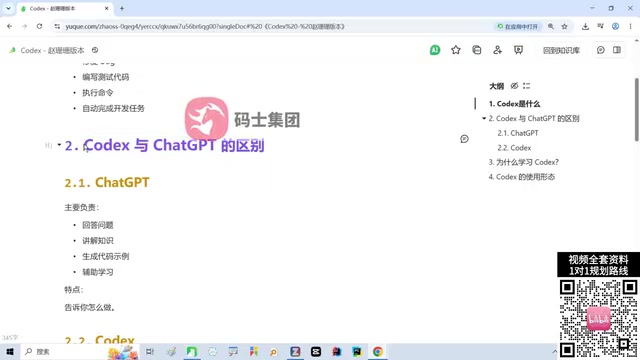
Codex from Beginner to Practitioner: A Complete Analysis of AI Coding Agents
An analysis of OpenAI's coding agent Codex: its positioning, its key difference from ChatGPT (talking vs doing), and why developers should learn it, covering setup, multitasking, automation, and MCP.
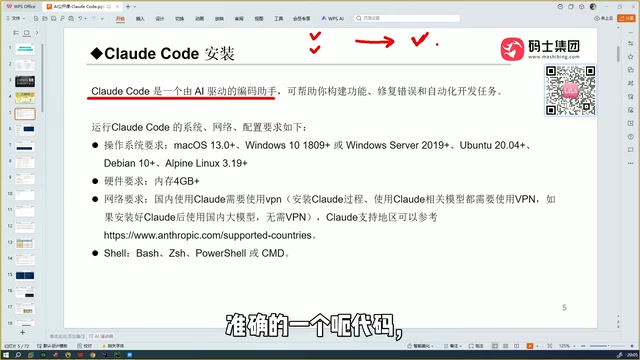
Claude Code in Practice: Multi-Model Comparison and Token Cost Control
Based on a public course, this article covers Claude Code's local installation, project-level context understanding, and auto-debugging, compares coding assistants like Copilot, Cursor, and Trae, and discusses multi-model configuration and token cost control.
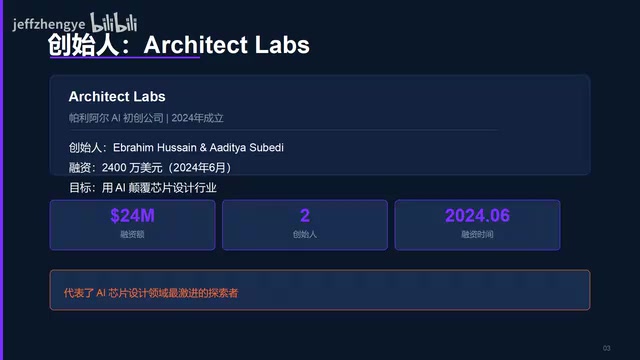
AI Independently Designs CPU Architecture 'Frostbite': 4.59x Energy Efficiency Boost
AI independently designed the complete CPU architecture Frostbite, achieving 4.59x better energy efficiency and 8.77x better performance per unit area. This article analyzes Architect Labs' technical path, five-step design flow, foreign media commentary, and current limitations, exploring the potential impact of AI chip design on Intel, AMD, and the RISC-V ecosystem.