IBM Bob: Can an Enterprise-Grade AI Coding Assistant Break Through?
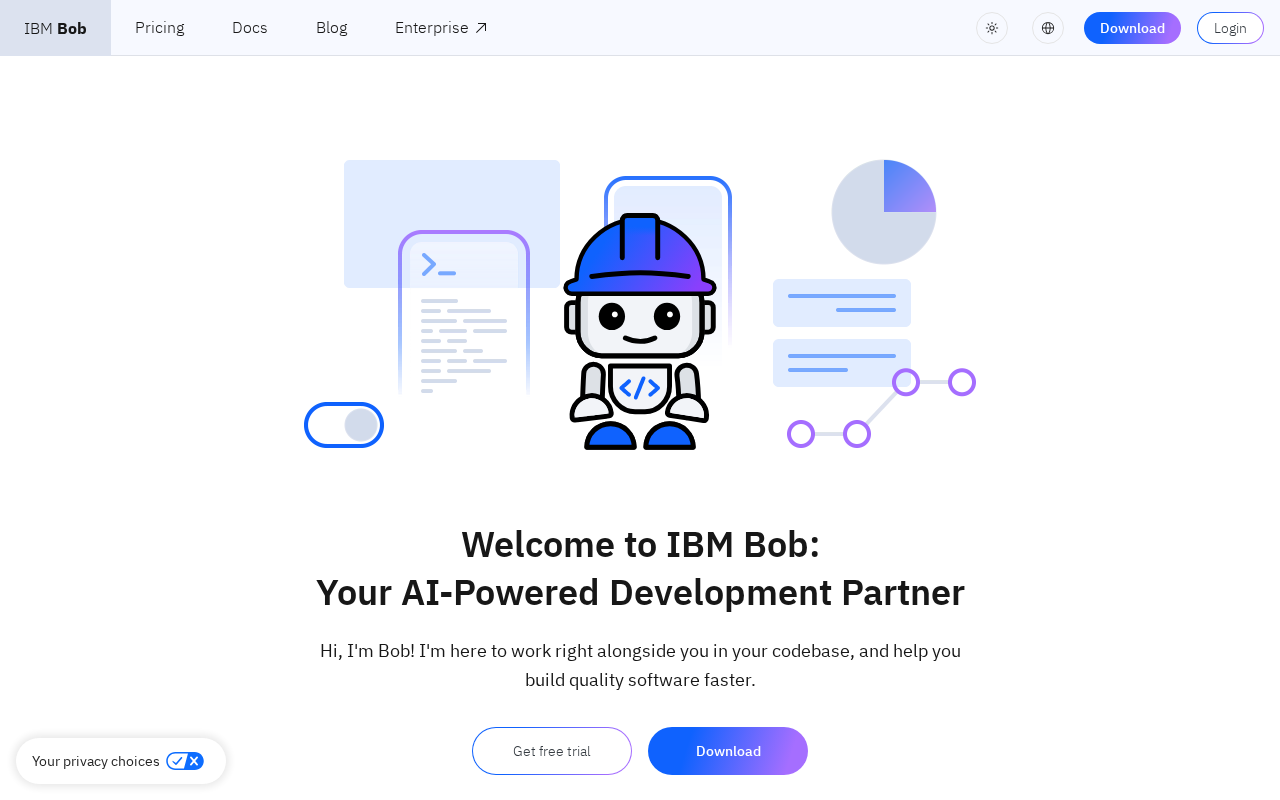
IBM launches AI coding assistant Bob, betting on enterprise security and compliance to differentiate.
IBM has launched Bob, a new AI coding assistant targeting enterprise customers. While the consumer AI coding market is crowded with GitHub Copilot, Cursor, and others, IBM is betting on its strengths in enterprise trust, compliance, and private deployment. With deep watsonx platform integration and expertise in legacy systems, IBM sees an opportunity in the underserved enterprise segment where security and regulatory concerns have slowed AI adoption.
IBM Quietly Launches Bob
Recently, IBM launched a new AI coding assistant called Bob (bob.ibm.com), which quickly gained traction on Hacker News — racking up 206 upvotes and 244 comments in short order, making it a hot topic in the tech community. As a tech giant with decades of deep roots in enterprise software and hardware, IBM's move once again demonstrates that even the most traditional big players can't ignore the wave of developer tool transformation driven by generative AI.
The name "Bob" — friendly and personified — aligns with the recent naming trend for AI assistant products. Compared to obscure technical acronyms, a simple, memorable name helps bridge the gap with developers and hints at IBM's product positioning: a "coding buddy always at your side." It's worth noting that this personification strategy has a long history in the tech industry — from Apple's Siri to Amazon's Alexa to Meta's assistant launched directly under the Meta AI brand. Behind each name lies a carefully crafted approach to capturing user mindshare.
Positioning: An AI Development Assistant Built for the Enterprise
While IBM hasn't disclosed all the technical details yet, the fact that the product domain sits under IBM's main site — combined with early community discussions — suggests Bob is likely a major play in IBM's AI-assisted coding strategy. This space is already crowded with heavyweights: GitHub Copilot, Amazon Q Developer, Google Gemini Code Assist, plus products from startups like Cursor and Windsurf. Competition is fierce.
GitHub Copilot's pioneering impact deserves special mention. Copilot debuted as a technical preview in 2021 and launched commercially in 2022, becoming the first widely adopted AI coding assistant. Built on OpenAI's Codex model (later upgraded to the GPT-4 series), it generates real-time code suggestions based on code context and natural language comments. According to GitHub's official data, developers using Copilot saw roughly a 55% increase in coding speed. Copilot's success directly sparked an explosion in the AI coding assistant space, prompting every major tech company to follow suit. Meanwhile, Cursor and Windsurf (the IDE launched by Codeium) represent startup innovation in this arena — Cursor is a deep modification of VS Code, positioning itself as an "AI-first IDE" with AI capabilities natively embedded in the editor experience, supporting cross-file editing and codebase-level semantic search. Windsurf's core selling point is its Cascade workflow, emphasizing an AI agent capable of autonomously completing end-to-end coding tasks. These two companies, with their faster iteration cycles and bolder product design, often lead larger companies in feature innovation — which is one reason the community is skeptical about whether traditional giants like IBM can keep pace.
Where Is IBM's Differentiation Opportunity?
IBM's core strength has never been the consumer market — it's enterprise trust and compliance capabilities. In the AI coding assistant space, what worries large enterprise customers most often isn't code completion accuracy, but rather these key concerns:
- Data security and privacy: Will enterprise source code be used for model training?
- Compliance and auditing: How are generated code traceability and license risks managed?
- Private deployment: Can the tool run within corporate intranets or dedicated cloud environments?
The complexity of these compliance challenges goes far beyond what individual developers might imagine. Take intellectual property risk as an example: AI model training data may contain open-source code, and if generated code snippets closely resemble a project using strong copyleft licenses like GPL or AGPL, it could trigger license contamination risks, potentially forcing enterprises to open-source their proprietary code. On the data sovereignty front, regulations like the EU's General Data Protection Regulation (GDPR) and China's Data Security Law impose strict limits on cross-border data flows, while most AI coding tools rely on cloud-based inference, meaning enterprise code could be transmitted to overseas servers. Additionally, industries like finance and defense must meet security certifications such as SOC 2 and FedRAMP. These factors lead many large organizations to prioritize security and compliance capabilities over feature sets when evaluating AI coding tools.
This is precisely the direction IBM has been emphasizing through its watsonx platform. Launched in 2023, watsonx is IBM's enterprise-grade AI and data platform comprising three core components: watsonx.ai (an AI studio for building and fine-tuning large language models), watsonx.data (a data storage layer based on an open lakehouse architecture), and watsonx.governance (a full-lifecycle governance tool for AI models). The platform supports IBM's proprietary Granite model series as well as open-source models from Meta, Mistral, and others, with flexible deployment across public cloud, private cloud, and hybrid cloud environments. watsonx's core selling point is its enterprise governance capabilities — including data lineage tracking, model bias detection, and compliance audit logs — which are critical in heavily regulated industries like finance, healthcare, and government. If Bob can deeply integrate with watsonx, allowing enterprise customers to manage AI coding tool usage policies, data flows, and compliance records on a unified platform, it may be able to carve out a foothold in the niche of "security- and compliance-focused large organizations" rather than competing head-on with consumer-grade AI coding tools.
Community Response: Curiosity Tempered with Caution
In the Hacker News discussion, over 240 comments reflect a typical tech community attitude — a mix of curiosity about the new tool and cautious observation about a big company entering the fray. This reaction itself is quite telling.
On one hand, developers welcome more competitors entering the AI coding tool market, as it means more choices and faster feature iteration. On the other hand, IBM — a legacy company known for being "steady" — raises questions about whether its product can keep up with the breakneck pace of AI innovation. In a space where startups lead innovation and iteration cycles are measured in weeks, organizational inertia at large companies can sometimes become a hindrance. IBM's track record with consumer and developer products adds to this concern — from the high-profile hype around IBM Watson in healthcare AI to its subsequent quiet retreat, from the Bluemix cloud platform's branding changes to its eventual absorption into IBM Cloud, these historical experiences make developers cautious about IBM's sustained commitment to new products.
What you might not have noticed is that the 200+ upvotes indicate this product genuinely struck a nerve in the community. Regardless of the final verdict, IBM's brand pull remains formidable.
The AI Coding Tool Arms Race
Bob's appearance is yet another snapshot of the ongoing AI coding tool "arms race." From GitHub Copilot first raising the curtain to now virtually every tech giant shipping its own coding assistant, this space has completed the leap from "novelty feature" to "standard tool" in just a few years.
From Code Completion to Coding Agents
AI coding tools are currently undergoing a critical paradigm shift — moving from passive "code completion" to proactive "coding agents." Next-generation tools are no longer content with line-by-line suggestions; they can understand entire codebases, autonomously execute multi-step tasks, and even independently fix bugs and develop features.
The core of this paradigm shift lies in moving from "passive response" to "active execution." Traditional code completion tools offer line-by-line suggestions as developers type, essentially functioning as advanced autocomplete. Coding agents, however, possess task planning, tool invocation, and autonomous iteration capabilities: they can parse the structure and dependencies of an entire code repository, formulate multi-step execution plans, automatically invoke terminal commands, file system operations, and testing frameworks, and self-correct based on execution results. Notable examples include Devin (the first AI software engineer concept product from Cognition Labs), Claude Code (Anthropic's command-line coding agent), and OpenAI Codex's agent mode. These agents can independently complete complex tasks such as "fix this GitHub Issue" or "migrate this API from REST to GraphQL," elevating the developer's role from line-by-line coder to architectural decision-maker and code reviewer.
If IBM Bob is entering the arena at this point in time, it will almost certainly need to offer comparable agent capabilities — otherwise it will struggle to compete with established products like GitHub Copilot and Cursor.
The Enterprise Market Window
Despite the consumer market trending toward saturation, enterprise AI coding tool adoption is still in its early stages. A large number of traditional enterprises have yet to adopt AI-assisted development at scale, held back primarily by the security, compliance, and system integration concerns discussed earlier. This leaves a window of opportunity for IBM, a company that deeply understands enterprise needs.
Specifically, enterprise market complexity manifests across multiple dimensions: large organizations typically run legacy codebases spanning decades, involving traditional programming languages like COBOL and RPG (which happens to be IBM's area of strength). AI coding tools need to understand the logic of these legacy systems to truly deliver value. At the same time, enterprise development environments are often highly customized, involving internal frameworks, private APIs, and specific code review processes — a quality enterprise AI coding tool needs to adapt to these unique workflows. Furthermore, enterprise procurement decisions typically require multi-party approval from security teams, legal teams, and IT governance committees. Sales cycles are long, but once a customer commits, the stickiness is extremely high and contract values are substantial.
Whoever can first address the concerns of large organizations stands to win this sizable market with its exceptionally high customer retention.
Worth Watching, but Wait and See
IBM Bob is still in its early stages with limited public information, so we can't yet make a comprehensive assessment of its capabilities. What's clear, however, is that IBM's entry further confirms that AI coding assistants have become a "must-win battleground" in the tech industry.
For developers, more competitors mean better product experiences and more reasonable pricing. For enterprise decision-makers, an AI coding tool from a trusted major vendor that emphasizes security and compliance might be exactly what they've been waiting for. As for whether Bob can truly stand out in such a crowded field, only time and real-world usage will tell. We recommend interested readers keep an eye on subsequent feature reveals and real-world performance.
Key Takeaways
Related articles
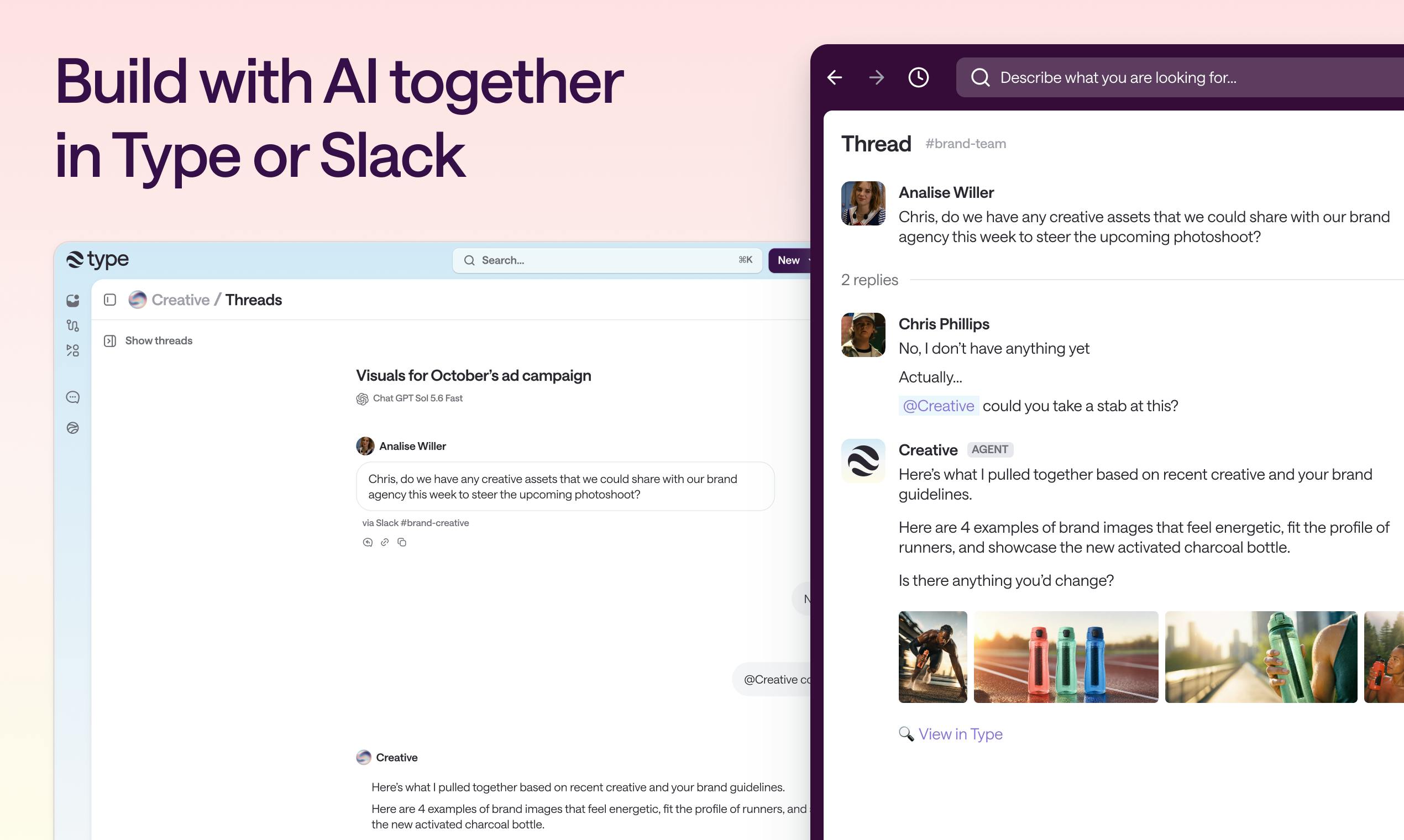
Type.com Review: A Deep Dive into the Team AI Collaboration Shared Workspace
Type.com integrates Claude, Codex, and other AI models into a team collaboration platform with shared knowledge, automation, and custom apps. Read our in-depth review of its features, use cases, and competitive edge.
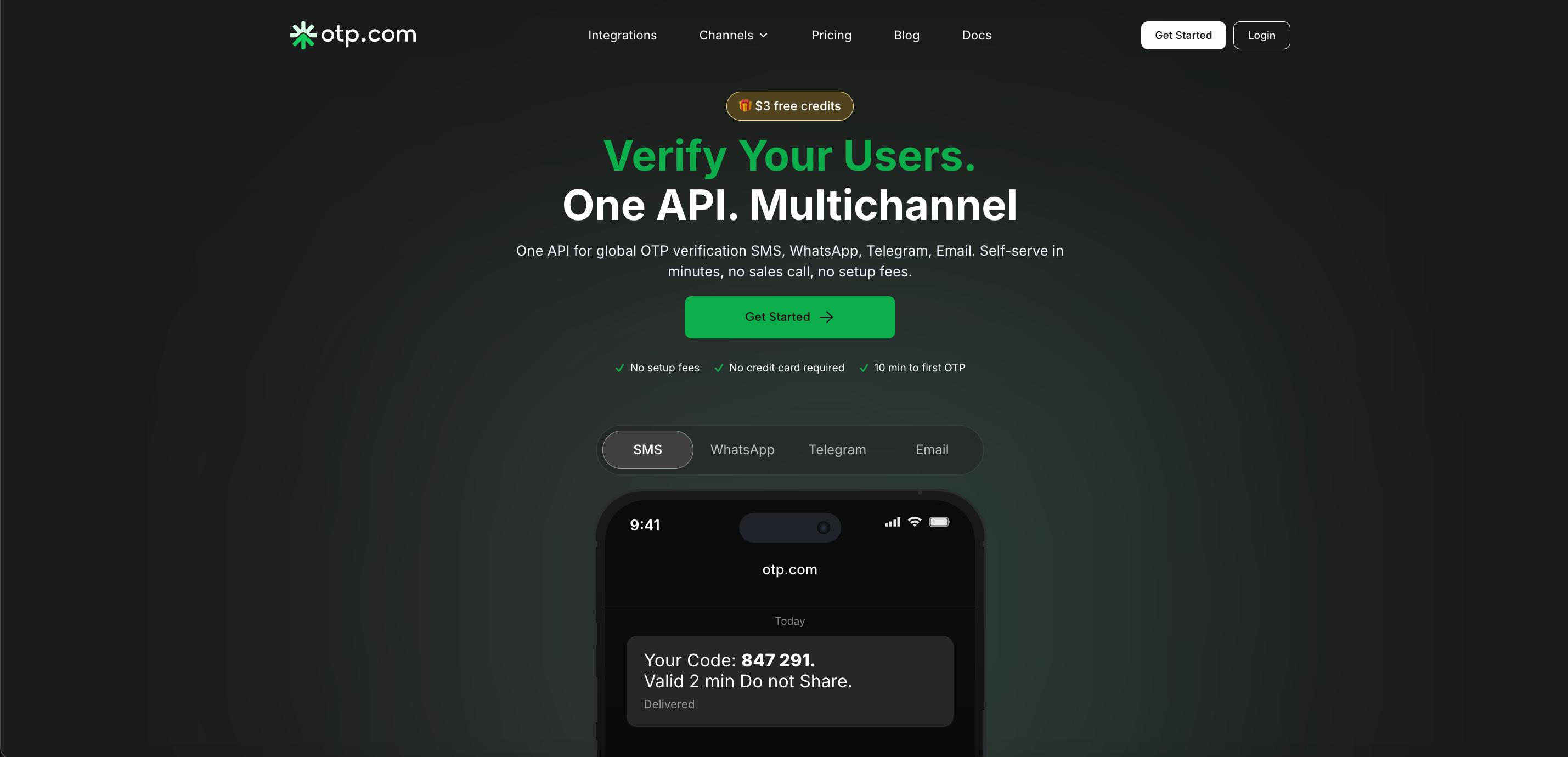
OTP.com Review: One API to Unify SMS, WhatsApp, Email, and Telegram OTP Delivery
In-depth review of OTP.com: a single API unifying SMS, WhatsApp, Email, and Telegram OTP channels to cut integration costs and boost delivery rates for developers.
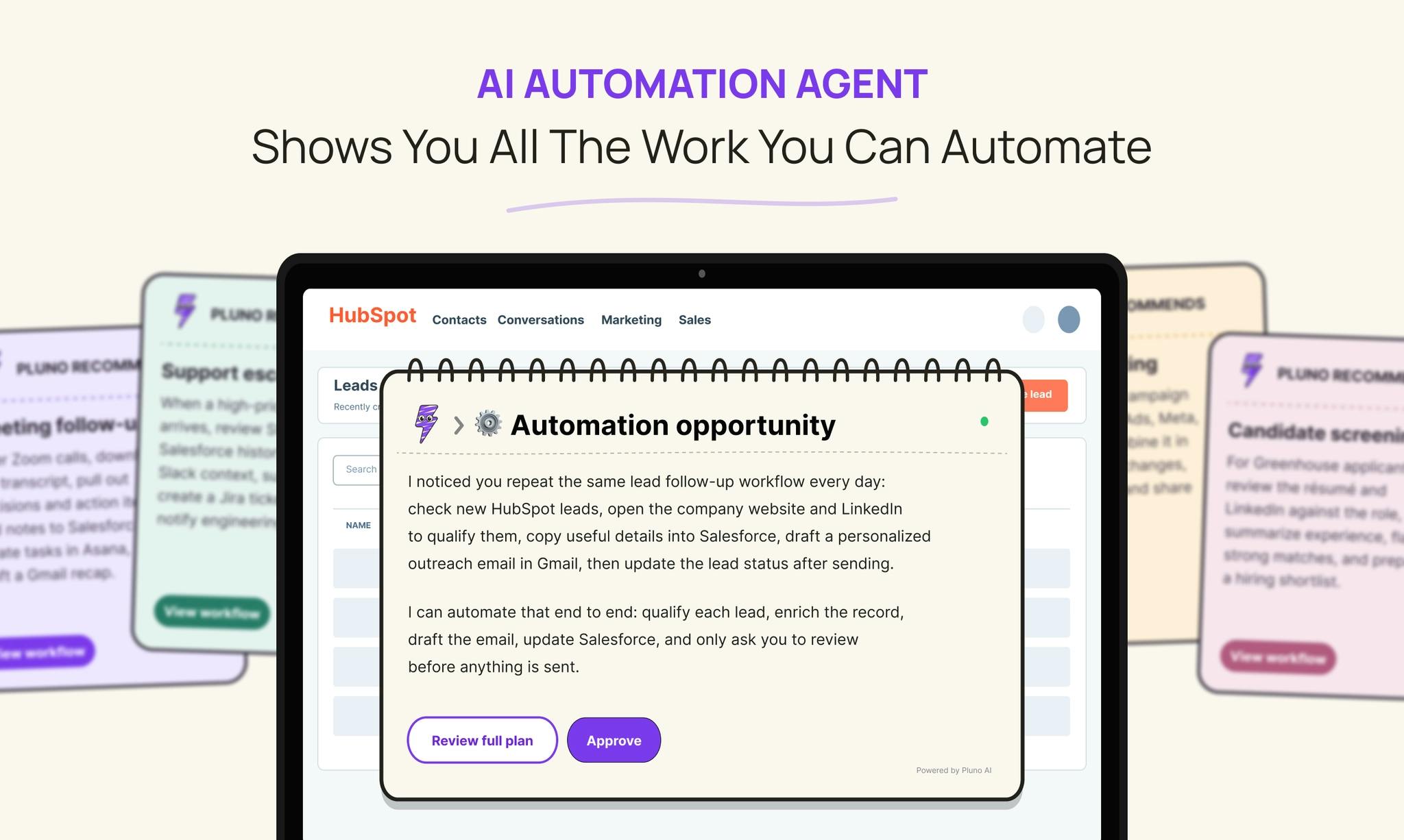
Pluno Review: An AI Chrome Extension That Proactively Discovers Automation Opportunities
Pluno is an AI Chrome extension that proactively discovers and executes automation tasks. No manual workflow setup needed — it observes user behavior, identifies repetitive tasks, and proposes automation solutions.