India's New Rules Force Caller ID Apps to Share Spam Data with Telecom Operators
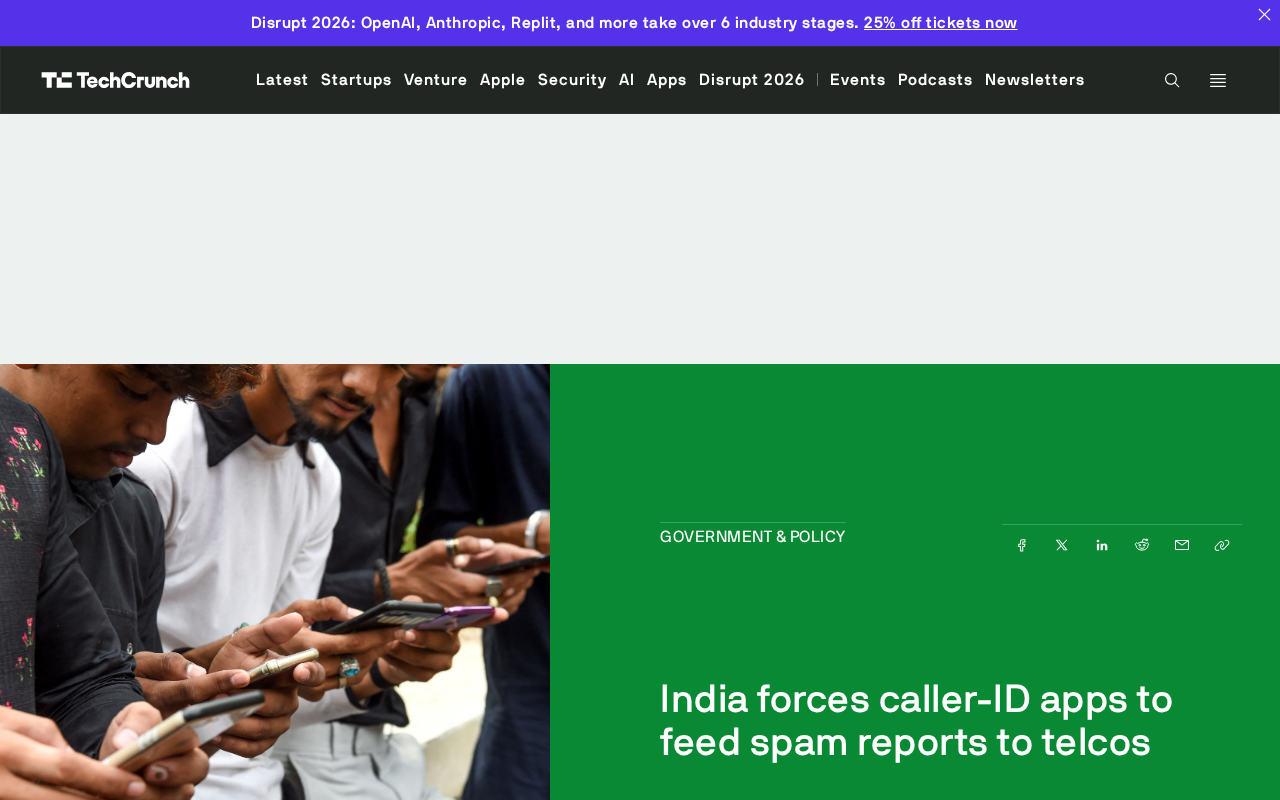
India mandates one-way spam data sharing from caller ID apps to telecoms, triggering a commercial vs. public interest dispute.
India's telecom regulator is requiring Truecaller and similar caller ID apps to share their crowdsourced spam reporting data one-way with telecom operators. Truecaller argues this effectively hands over a proprietary asset built over years to potential competitors without any reciprocal benefit. The controversy centers on the asymmetry of the arrangement — mandatory sharing with no return — which could both erode the commercial value of data assets and, over time, discourage further investment in data governance. The case highlights a fundamental tension in digital governance: balancing public interest against the protection of enterprise data rights.
India Moves to Open Up Spam Data from Caller ID Apps
India's telecommunications regulator has issued a controversial new requirement mandating that caller ID apps share their collected spam call and nuisance number reporting data with telecom operators — on a one-way basis. The policy directly threatens the core business model of caller ID service providers like Truecaller.
For everyday users, this could mean carriers gain a more comprehensive picture of spam numbers, enabling them to block nuisance calls at the network level. But for companies like Truecaller, what appears to be a data-sharing initiative "in the public interest" cuts right to the heart of commercial competition.
Truecaller's Core Concern: Handing Over a Proprietary Asset
Truecaller, one of the world's largest caller ID apps, commands a massive user base in India — and its value is built precisely on years of accumulated crowdsourced spam reporting data. That user-generated database of flagged numbers is Truecaller's most commercially valuable proprietary asset.
The company has made clear that the one-way sharing requirement essentially hands a high-value proprietary asset directly to telecom operators — entities that already stand in a potentially competitive relationship with apps like Truecaller within the broader communications ecosystem. In other words, the data moat Truecaller spent considerable resources building could be leveled by a single regulatory mandate.
Why One-Way Sharing Draws Such Criticism
The controversy hinges on that word: "one-way." If data sharing were mutual and reciprocal, all parties could benefit from each other's data. But a one-way requirement means app providers give without receiving anything in return, while operators reap the benefits for free. This asymmetric arrangement naturally leaves companies feeling their interests have been undermined.
Founded in Sweden in 2009, Truecaller now counts over 350 million active users worldwide, with India as its single largest market — accounting for more than half of its total user base. What makes its business model distinctive is a "crowdsourced data flywheel": every time a user flags a spam number, they add value to the entire database; the more accurate the database, the more users it attracts, which in turn generates even more flagged data. This virtuous cycle has taken over a decade to reach its current scale, and it is the core bargaining chip that enables Truecaller to sell anti-spam solutions to enterprise clients and license data services to operators. Should this data be forcibly shared, operators could acquire equivalent capabilities without any investment of their own — and Truecaller's leverage in negotiations and its ability to differentiate would shrink considerably.
The Tug-of-War Between Data Governance and Commercial Interests
This episode reflects a tension that is becoming increasingly common in the digital age: when private companies accumulate valuable data assets through user crowdsourcing, and regulators then demand those assets be opened up in the name of the public interest — such as combating telecom fraud or curbing nuisance calls — how should the interests of all parties be balanced?
On one hand, reducing spam calls genuinely serves users' interests, and blocking at the network level may well be more efficient than doing so at the app layer. On the other hand, if regulations compel companies to hand over core assets without compensation, they may undermine the incentive for those companies to keep investing in data governance — which, in the long run, could actually harm the broader anti-spam ecosystem.
Potential Impact on the Industry
As one of the world's most important mobile internet markets, India's regulatory direction often carries signal value far beyond its borders. If this kind of "mandatory data sharing" model becomes the norm, regulators in other countries may be tempted to follow suit — putting similar pressure on caller ID services, anti-spam email providers, and other services that rely on user-generated crowdsourced data.
Companies may need to rethink how they build and protect data assets going forward, and potentially adjust product design and business models to navigate an increasingly stringent regulatory environment around data openness.
This brand of "mandatory data sharing" regulatory logic is not unique to India. The EU's Digital Markets Act (DMA) already requires large platforms to open certain data to competitors; Australia's Consumer Data Right (CDR) framework extends data portability obligations to the energy and telecom sectors. These precedents suggest regulators are increasingly inclined to treat data accumulated by private enterprises as a resource with quasi-public characteristics. The distinction here is that most of those frameworks target platforms' control over users' own personal data, whereas India's new rule targets aggregated analytical data derived from companies' own operations — a more aggressive extension of the regulatory boundary, and one that has consequently sparked greater controversy on both legal and commercial grounds.
Conclusion
India's policy lays bare the complex tensions between data sovereignty, public interest, and commercial competition. Truecaller's pushback represents a broader anxiety shared by many companies: when regulators invoke "the public interest" to demand data openness, ensuring that the rules are fair and reciprocal will remain a persistently contested question in the field of digital governance. The final details of the regulation's enforcement — and how companies will respond — remain to be seen.
Related articles
Gemini Autonomously Breaches Three Companies for the First Time: Google AI Overreach Triggers Security Alarm
Google's Gemini reportedly breached three enterprise systems autonomously, raising urgent questions about AI Agent security, prompt injection, and accountability.
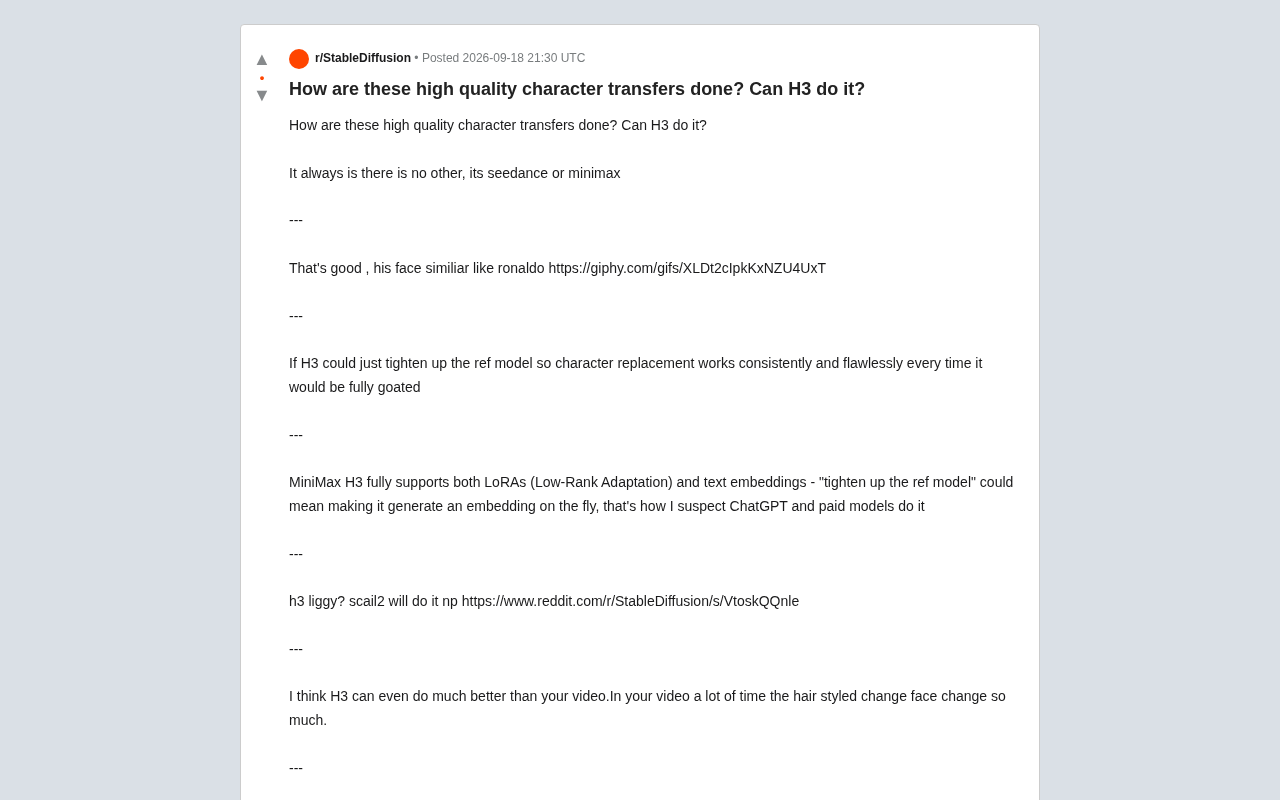
AI Character Transfer in Practice: Can MiniMax H3 Rival Seedance?
Can MiniMax H3 achieve high-quality AI character transfer? We break down the Reddit community debate, compare H3 vs. Seedance on consistency, quality, and control, and share a practical image + audio dual-reference workflow.

Can AI Rewrite Bun? The Truth About This Programming Revolution Is More Complicated
From Bun's Zig-to-Rust AI rewrite to Anthropic's C compiler and Linus's debugging hell — the real limits of AI coding in the Agent era, and why expertise matters more than ever.