Inside Muse Spark: The Long Game Built for a Personal AI Agent
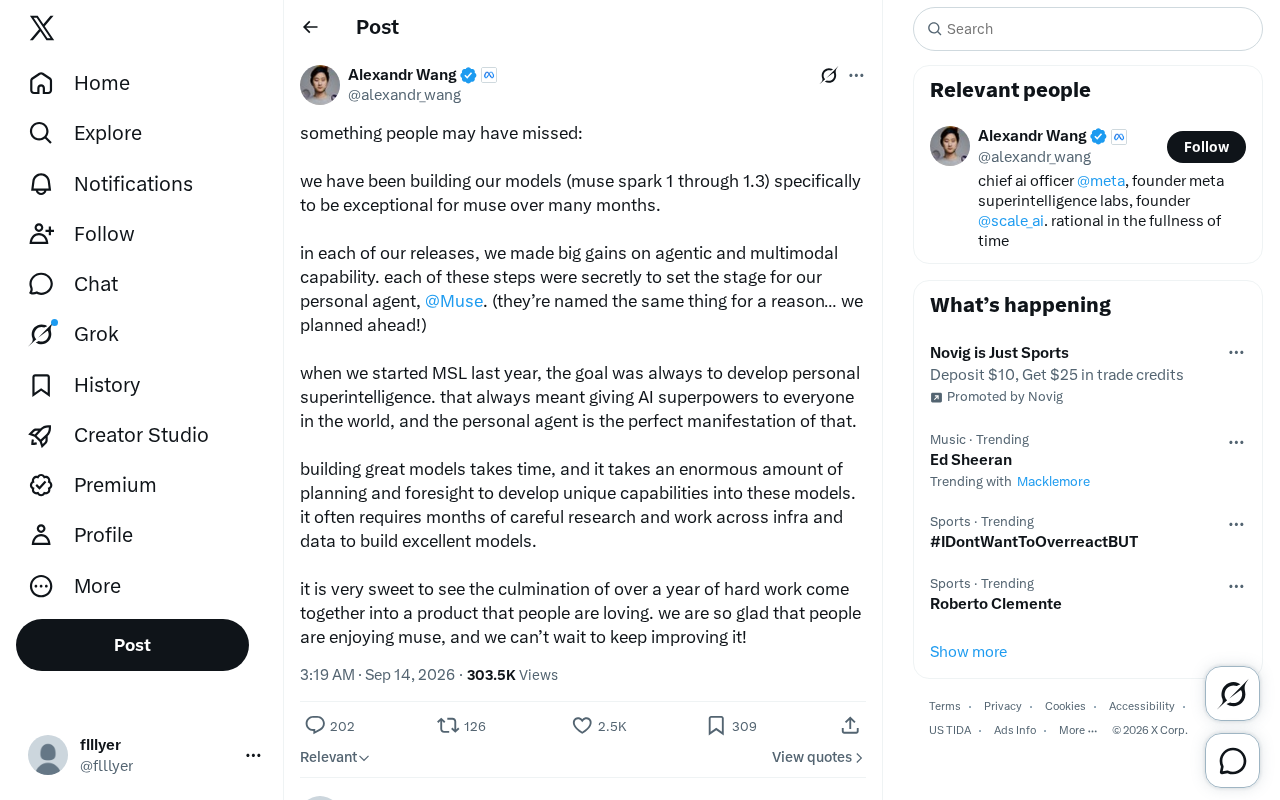
MSL's Muse Spark models were purpose-built for personal agent Muse from the very start — a long-game strategy finally paying off.
An MSL team member has revealed that the Muse Spark model series (versions 1.0–1.3) was never a byproduct of general R&D — it was purpose-built for the personal AI agent Muse from day one. Each iteration deliberately advanced agentic and multimodal capabilities, the two core technical requirements for a real personal agent. This tight model–product coupling reflects MSL's founding vision of giving everyone AI superpowers, translating "personal superintelligence" into a concrete product strategy. The team also acknowledged that building models with targeted capabilities requires months of careful research and coordinated infrastructure and data work — the kind of long-term, invisible investment that forms a true technical moat. Muse has received positive early market feedback, though independent evaluations are still needed.
A Foreshadowing Laid Over a Year Ago
A team member from MSL (Muse Superintelligence Lab) recently shared a detail on social media that's easy to overlook: their Muse Spark model series — versions 1.0 through 1.3 — was built specifically for the personal AI agent, Muse, from the very beginning.
This matters because it reveals a kind of long-horizon strategic thinking that's uncommon in AI product development. The fact that the model and the product share the same name is no coincidence. As the team put it, "They share the same name for a reason… we planned this from the start." In other words, every iteration of Muse Spark was laying the groundwork for the eventual personal agent product.
Every Iteration Pointed Toward the Same Goal
According to this team member, each release of Muse Spark made meaningful progress on two specific fronts: agentic capabilities and multimodal capabilities. What might look like independent technical milestones were, in fact, deliberate steps toward the debut of the personal agent, Muse.
This development path raises an interesting question: is improving model capabilities about winning a general-purpose arms race, or about serving a specific product vision? MSL clearly chose the latter. Rather than treating model performance as an isolated technical metric to chase, they systematically strengthened agentic and multimodal capabilities around one concrete use case — the personal agent.
This also explains why the model and product share a name. When technical development and product goals are tightly coupled, naming consistency becomes a reflection of strategic coherence.
"Personal Superintelligence" as a Product Statement
From its founding, MSL has defined its core mission as developing personal superintelligence — which the team describes as "giving everyone in the world AI superpowers."
Under that vision, the personal agent is seen as the ideal vehicle. Compared to the abstract notion of "superintelligence," an agent that genuinely accompanies and serves individual users is the most direct way to translate an ambitious goal into a concrete experience. Understanding this mapping from vision to product is key to making sense of Muse's positioning.
It's worth noting that this "AI superpowers for everyone" narrative stands in contrast to many of today's AI tools, which are targeted at enterprises or developers. MSL has placed a clear bet on the individual user, aiming to make superintelligence accessible rather than exclusive.
The Time and Planning Cost Behind Great Models
The team member also shared a candid observation about the nature of model development: "Building great models takes time, a lot of planning and foresight to develop unique capabilities into models. This often requires months of careful research, and coordinated work at the infrastructure and data level."
This touches on something the public often underestimates. Users typically see only the final release, not the months — sometimes over a year — of infrastructure work, data preparation, and research iteration that precede it. The real technical moat is hidden in exactly this kind of less-visible, long-term investment.
For those tracking AI products, this also offers a useful lens: a personal agent product that responds quickly and delivers distinctive capabilities almost always reflects an earlier, more systematic model roadmap — not a last-minute stack of bolted-on features.
From Technical Foundation to User Validation
The team's closing sentiment revealed satisfaction with how the market has responded: "It feels really wonderful to see over a year of hard work culminate in a product that people love."
While this carries an obvious marketing tone, it also reflects a genuine product development loop — long-term technical accumulation eventually converting into user recognition. For MSL, the positive reception Muse has received validates the direction they chose when they invested early in agentic and multimodal capabilities.
Of course, as a single internal source, these claims represent an official perspective. The actual model performance, user scale, and real-world experience still await more independent evaluation. But from a strategic narrative standpoint, the deep "model–product" coupling between Muse Spark and Muse offers a valuable case study for understanding how today's AI agent products are being built.
Related articles
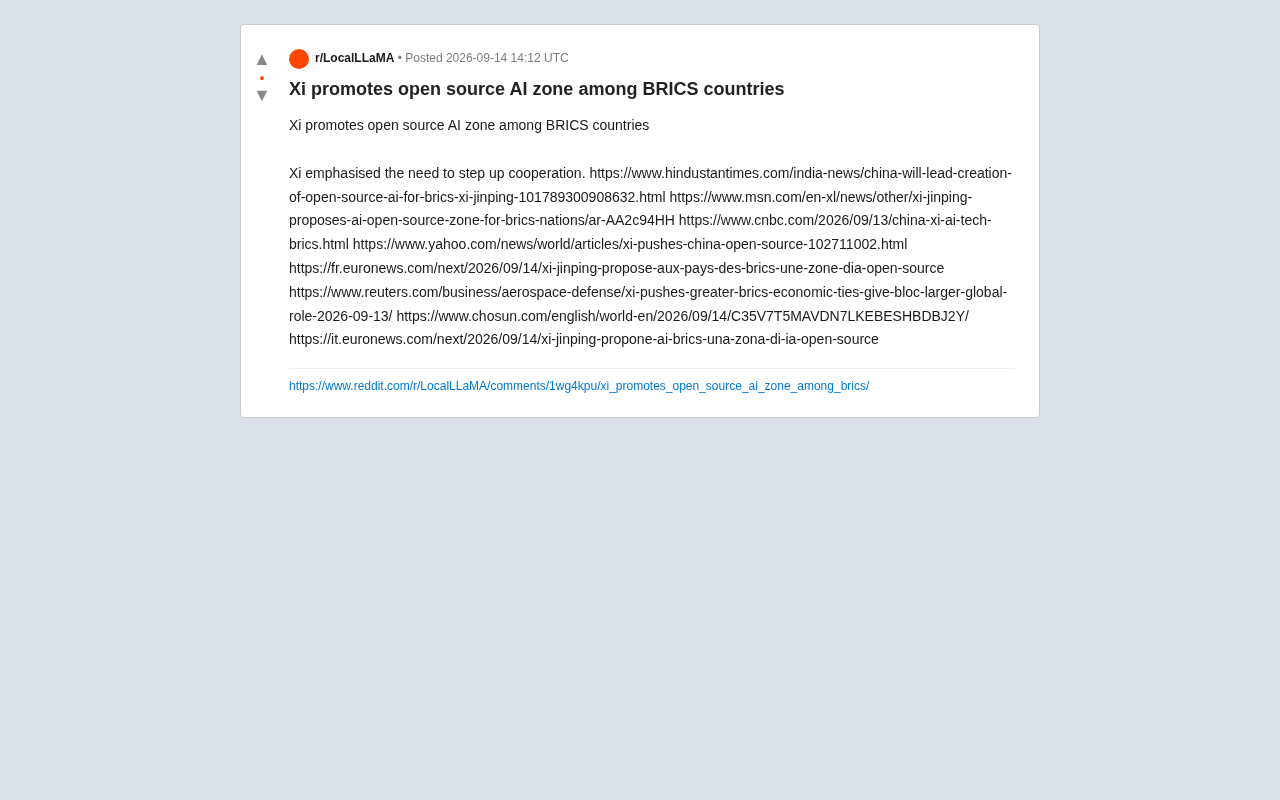
Xi Jinping Proposes Open Source AI Cooperation Zone Among BRICS Nations
Xi Jinping proposed an open source AI cooperation zone at the BRICS summit. Analyzing the strategic intent, open source rationale, and global AI governance implications.
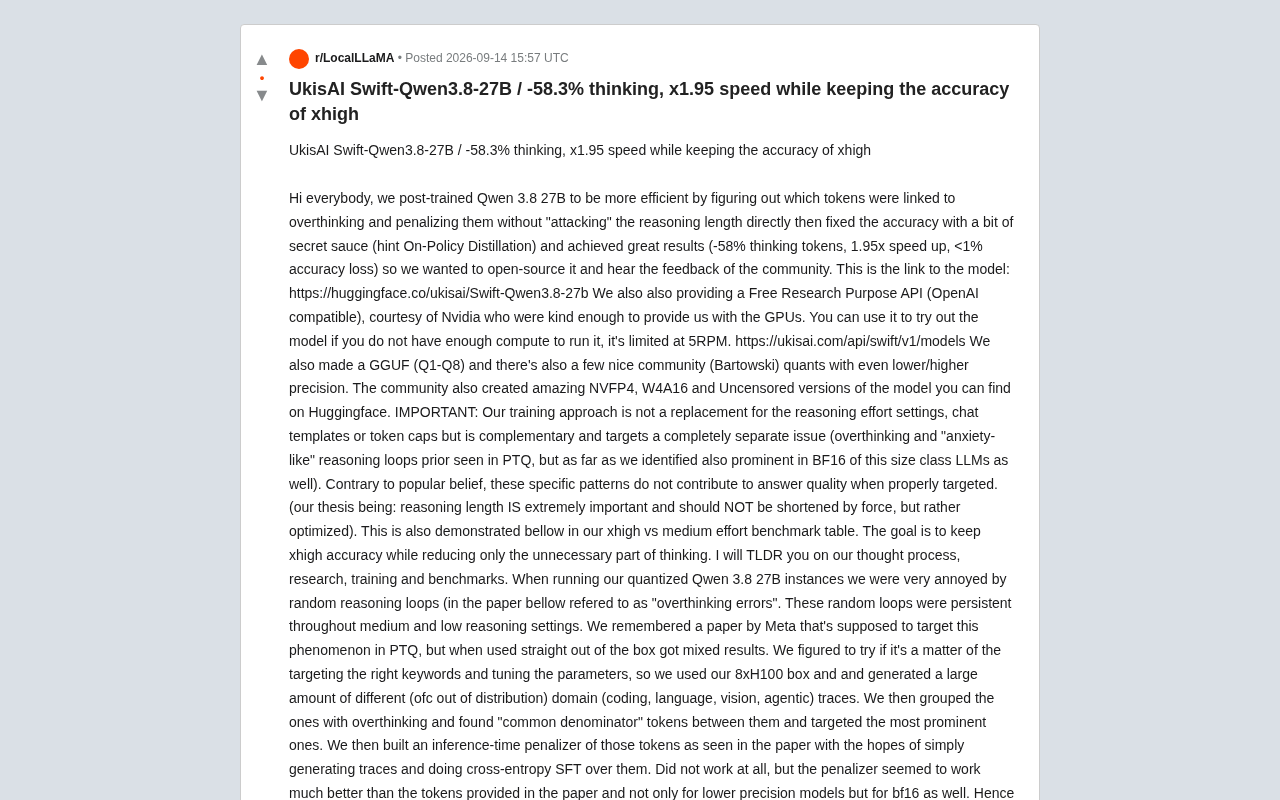
Swift-Qwen3.8-27B: 58% Fewer Thinking Tokens, Nearly 2x Faster Inference
UkisAI open-sources Swift-Qwen3.8-27B, cutting thinking tokens by 58% and boosting inference speed 1.95x via overthinking token penalties and on-policy distillation — with under 1% accuracy loss.
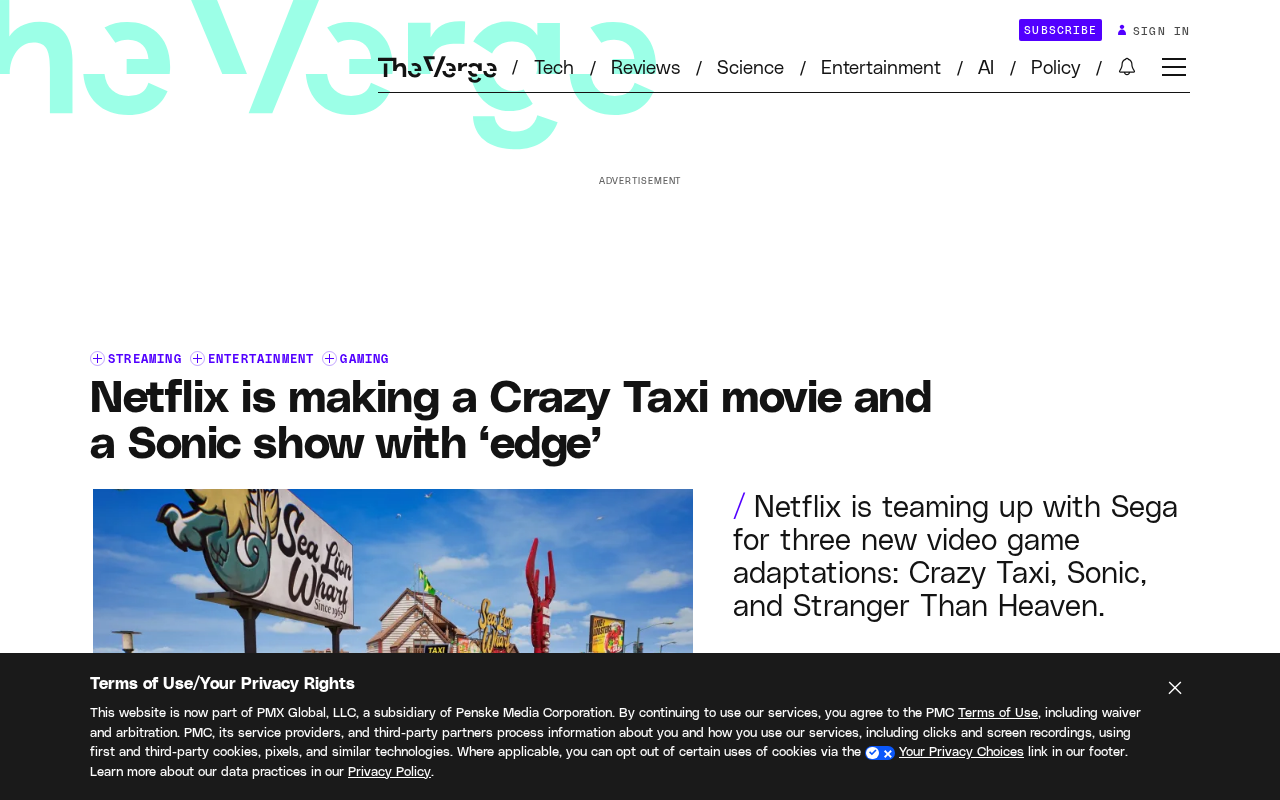
Netflix Partners with Sega: Crazy Taxi Movie and New Sonic Animated Series on the Way
Netflix announces three Sega game adaptations: a Crazy Taxi movie, a new Sonic animated series with edge, and a live-action film based on RGG Studio's Stranger Than Heaven.