Inside the H3 Podcast Shutdown: Ethan Klein's Comeback and the Team's Collapse

The H3 Podcast shutdown controversy reveals the fragile balance between personal brand and team operations.
The H3 Podcast has been thrown into turmoil after Hila Klein announced the shutdown, while Ethan Klein hinted at a possible comeback. Livestream exposés from former employees AB and Nick DeOrio further exposed internal team conflicts. Analysis points out that the podcast brand relies heavily on Ethan's personal charisma, and its commercial value will decline significantly without its core figure. The incident also highlights the mental health and family privacy pressures public figures face during personal crises, as well as the critical impact of crisis PR and employee statement management on the survival of content creators' IP. The podcast's fate remains unclear, but it has sounded an alarm for the industry.
The sudden shutdown of the H3 Podcast has sparked extensive discussion across YouTube and social media. Ethan Klein hinted at a comeback in a joking tone on Twitter, while livestream exposés from former employees AB and Nick DeOrio revealed tensions within the team. This controversy isn't just about the life or death of a podcast—it reflects the fragile balance content creators must strike between personal crises and team operations.
The Shutdown Announcement and Ethan's Comeback Hints
Hila Klein announced the end of new episode production through a statement, calling it a "difficult decision" and emphasizing the need to "focus on self-healing and mental health." Meanwhile, Ethan joked on Twitter about "mass-producing weapons," which was interpreted as a trial balloon for a comeback. According to clips from the YouTube channel H3 Podcast and Bilibili creators' retellings of related livestreams, Ethan may be secretly preparing a new podcast that could be "developed in less than two weeks."
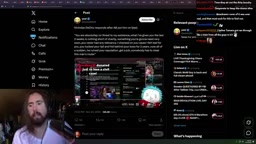
This contradictory information has left fans confused: is the podcast truly over, or will it return in another form? From Ethan's public statements, he clearly has no intention of abandoning content creation, while Hila's exit leaves the team's future full of uncertainty.
H3 Podcast was founded in 2017 by the married couple Ethan and Hila Klein. It initially began as spin-off content from the H3H3 Productions channel and later developed into a standalone comedy interview show known for Ethan's sharp commentary and controversial topics. The show has millions of subscribers on YouTube and operates a paid membership program (H3 Podcast memberships), which is one of its core revenue sources. Ethan and Hila first rose to fame with reaction videos and gradually transitioned into full-time podcast creators. The H3 brand's business structure is highly dependent on the two appearing on camera, with Hila also handling some behind-the-scenes operations and visual design, so her exit constitutes a structural blow to the show's continued operation.
Employee Livestream Exposés: Who Lit the Fuse?
During a livestream, AB revealed that he had heard "a certain specific person" was planning to release a video, suggesting this may have been the last straw for Hila. Nick DeOrio directly criticized Ethan for "self-destructing" while admitting that he himself was also using the controversy to gain traffic. These remarks triggered a chain reaction on social media—according to cross-verification from multiple YouTube reaction videos, employees generally believe that public discussion by insiders accelerated the podcast's demise.
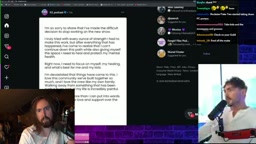
A former team member who wished to remain anonymous said during a livestream: "Everyone talks bad about each other—that's the reality." This internal division is seen by outsiders as one of the core reasons for the H3 team's collapse.
AB and Nick DeOrio are both former employees of H3 Podcast. AB previously held a role related to show production, while Nick DeOrio was involved in behind-the-scenes work. After leaving, the two discussed H3's internal affairs through their personal livestream platforms. Such "former employee exposés" are not uncommon in the content creator community, but they usually trigger a chain reaction in public opinion because they involve undisclosed team dynamics. The rumor mentioned in the livestream about "a certain specific person" releasing a video points to the possible existence of internal threats or retaliatory content, and this kind of uncertainty can heighten team members' anxiety and public speculation. Former employees' public statements often bypass formal PR channels and speak directly to the fan community, making the impact on brand reputation faster and harder to control.
The Business Reality: How Far Can H3 Go Without Ethan?
Analysts point out that the H3 Podcast's brand value is highly tied to Ethan's personal style. One YouTube commenter put it bluntly: "Nobody cares about anyone else on the H3 Podcast—Ethan is the only one who matters." This view is supported by the data: the H3 Podcast's membership revenue and advertising sponsorships mainly depend on Ethan's appeal, while the independent drawing power of members such as Hila and AB is limited.
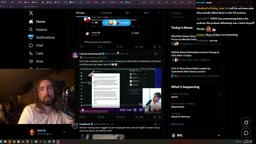
Even if the podcast returns in a new format, its commercial performance may decline significantly. Some commentators predict that a new show may attract attention in its first few episodes but will struggle to sustain long-term popularity. Ethan's personal comeback, by contrast, could attract considerable subscription revenue—estimates suggest he could earn tens of thousands of dollars per month in stable income, thanks to the loyalty of his core fan base.
The H3 Podcast's business model mainly relies on YouTube ad revenue sharing and YouTube Channel Memberships, which allow fans to pay monthly for exclusive content or badges. This model deeply ties revenue to the host's personal appeal—membership payment motivation usually comes from support for a specific host rather than the show brand itself. When the core host is absent, membership renewal rates often drop significantly. In addition, podcast advertising sponsorship contracts usually include host appearance clauses, as brands value the fit between Ethan's personal style and the audience rather than a generalized show name. Therefore, the strong binding of brand value to personal IP is both the reason for H3's success and the root of its vulnerability.
Mental Health and Family: The Overlooked Cost
Hila emphasized "protecting mental health" in her statement, and the livestream discussions frequently mentioned the couple's children. One viewer commented: "Divorce is hard enough—imagine the details of your parents' divorce being preserved on the internet forever." This concern is not unfounded—team members repeatedly brought up Ethan's private life during livestreams, even touching on sensitive topics such as "extramarital affairs," further intensifying public intrusion into the family.
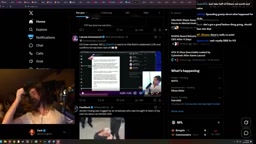
Psychologists (not directly involved in this incident) have noted in similar cases that public figures in crisis often face dual pressure: they must deal with personal emotions while also managing the expectations of their team and fans. Hila's choice to step away may be a rational response to this pressure.
The mental health challenges public figures face during personal crises are often referred to in communication studies as "parasocial pressure"—fans form one-sided emotional connections with hosts through long-term viewing, and when a crisis occurs, fans' expectations and scrutiny translate into additional psychological burden. For creators who use family life as content material, the boundary between the private and public spheres is inherently blurred, and once sensitive topics such as divorce or extramarital affairs enter livestream discussion, they cannot be taken back. The "self-healing and mental health" emphasized in Hila's statement reflects the burnout risk that content creators accumulate under constant exposure. This kind of burnout is especially prominent in the podcast industry because episodes are long and topics are intimate, and hosts often need to expose large amounts of personal life details to maintain listener engagement.
What's Next: Comeback, Split, or a Definitive End?
At present, the fate of the H3 Podcast remains unclear. Ethan's comeback signals stand in sharp contrast to Hila's exit statement, while employees' exposés make the possibility of team restructuring seem remote. One view holds that Ethan may return as an individual, but losing Hila's participation will change the show's tone; another view holds that this controversy has exhausted the team's trust, and a definitive end would be the more dignified choice.
Regardless of the outcome, this incident serves as a warning to content creators: balancing personal brand and team operations, timing in crisis PR, and managing employee statements are all key factors determining the life or death of an IP. For H3's fans, what they may care about more is: can that podcast that once brought joy come back in some form?
Related articles

Nightmare Mode: Engineering Practices for Simulating Disk Failures
Starting from the Hacker News Nightmare mode discussion, this article analyzes typical forms of simulated disk failures, fault injection implementation approaches, and how to integrate fault drills into the development process to improve distributed system fault tolerance.

Datasette-charts-pie Plugin Released: New Options for Pie and Sunburst Charts
Datasette-charts-pie 0.1a0 is released, adding pie, donut, sunburst, and rose charts to Datasette. The author dislikes pie charts but built the plugin to test the plugin architecture.

Diablo II: A Classic Retrospective That Changed Gaming History
From game history writing and tech community discussion, a retrospective on Diablo II's random drops, numerical systems, and multiplayer design—analyzing why this classic ARPG is still discussed by developers today.