iOS 27, iPadOS 27, and macOS 27: The Information Gap Behind a Discussion
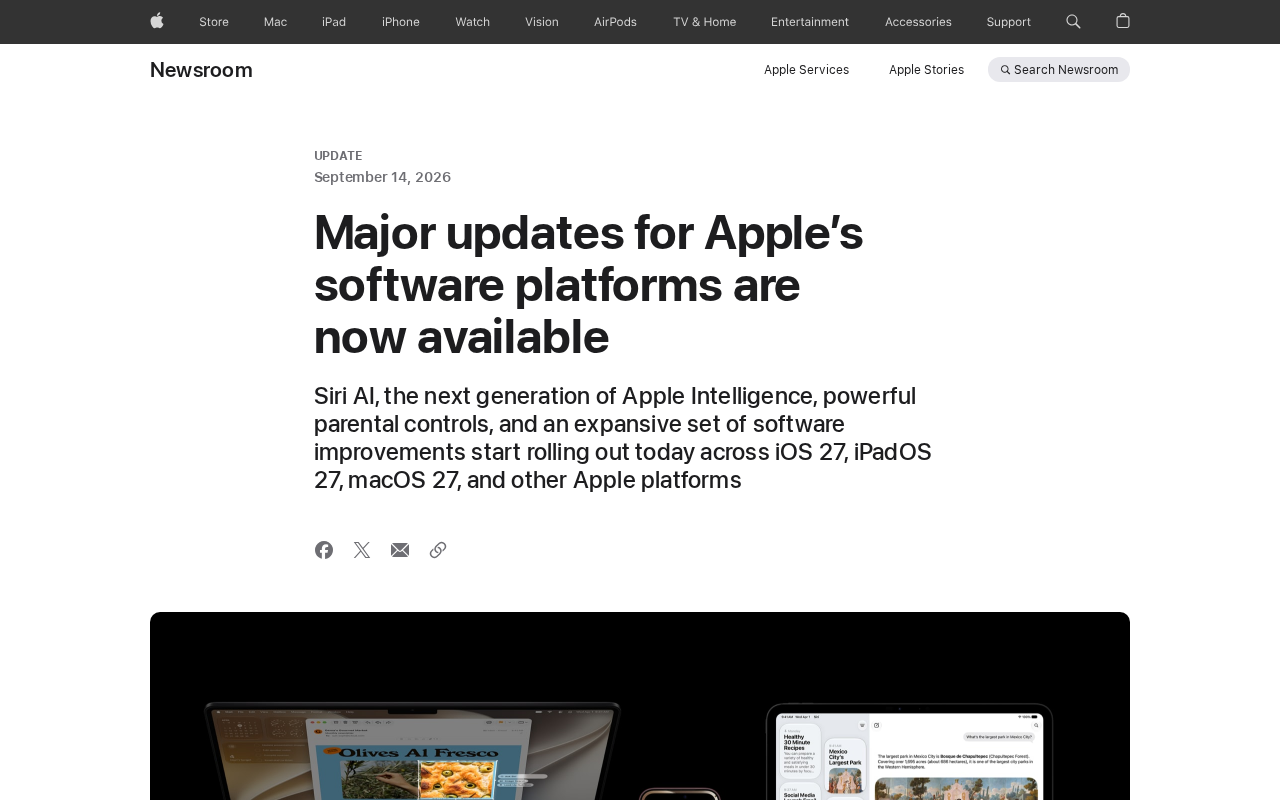
A Hacker News post on iOS/iPadOS/macOS 27 sparks speculation about Apple unifying its OS version numbering strategy.
A Hacker News post titled "iOS 27, iPadOS 27, and macOS 27" received 45 upvotes and 10 comments, prompting tech community speculation about whether Apple plans to unify its OS product lines under a single version number — resolving the current iOS/macOS numbering mismatch. Year-aligned versioning has precedent in Android and Ubuntu and would benefit cross-platform developers and MDM administrators. However, the source material contains only a title with no feature or release details, making all specific inferences speculative. Readers should rely on Apple's official channels — WWDC, developer documentation, and Beta releases — before drawing conclusions.
A Brief Discussion
Recently, a post titled "iOS 27, iPadOS 27, and macOS 27" appeared on Hacker News, garnering 45 upvotes and 10 comments. Based on the title alone, the discussion centers on the naming of Apple's three major operating systems — iOS 27, iPadOS 27, and macOS 27. However, the source material only provides the title and basic engagement metrics, with no functional details, release information, or technical analysis.
Short entries like this are not uncommon in the tech community. They often serve as entry points for version rumors, naming strategy shifts, or developer previews — but without body content, it's difficult to make a comprehensive judgment about their actual significance.
A Possible Shift in Naming Strategy
One noteworthy piece of context is that Apple has genuinely been the subject of industry discussion regarding potential changes to its version naming conventions. Traditionally, iOS version numbers increment year over year, but there has been ongoing speculation about whether Apple might shift to a year-based naming scheme to align iOS, iPadOS, macOS, watchOS, and other product lines under a unified version number.
If "27" represents some form of year-aligned naming logic, it would mark a significant simplification in Apple's ecosystem version management. This approach has precedent with other vendors — a unified version number reduces cognitive overhead for users and developers working across platforms.
That said, it must be emphasized: the above is purely speculative reasoning based on naming conventions. The source material itself provides no concrete information confirming this direction.
Year-based version naming is nothing new. Microsoft's jump from Windows 10 to Windows 11 sparked widespread discussion, while Ubuntu has long used a "year.month" format (e.g., 24.04) as its version identifier, and Android dropped its dessert codenames around 2019 in favor of numeric versions. Apple itself has a similar practice on macOS: macOS 15 (Sequoia) runs in parallel with iOS 18, yet the two product lines' numbers don't align. If Apple were to leap all major systems to "27" simultaneously, one plausible explanation is using 2027 or some internal milestone as a baseline — syncing iOS, iPadOS, macOS, watchOS, visionOS, and others under the same major version number, eliminating the confusion caused by mismatches like "iOS 18 versus macOS 15." This kind of alignment would be especially meaningful for enterprise mobile device management (MDM) practitioners and cross-platform development toolchain maintainers.
Why Topics Like This Generate Discussion
Every new version of Apple's operating systems moves a vast community of developers and users. The 45 upvotes and 10 comments suggest a moderate level of interest, though by Hacker News standards this is below average — indicating this is more likely an early-stage discussion or information share rather than a major controversy generating widespread debate.
The tech community's attention to system versions typically concentrates on a few key dimensions: new developer APIs, changes to privacy and security mechanisms, cross-device continuity features, and hardware support policies for older devices. A shift in any one of these dimensions can have cascading effects on app development and user experience.
Hacker News uses a time-decay scoring mechanism, so a post earning 45 upvotes and reaching the front page or "new" section typically means it received concentrated attention within the first few hours of posting. The platform's audience skews heavily toward software engineers, startup founders, and tech enthusiasts who are particularly attuned to Apple's developer ecosystem — discussion volume around new system versions tends to spike noticeably around WWDC (Apple's Worldwide Developers Conference, typically held in June) each year. Ten comments on Hacker News represents light engagement, usually corresponding to an early phase where the information itself is incomplete and the community hasn't yet formed a clear opinion — not necessarily a sign that the topic is unimportant.
Rational Judgment Under Limited Information
When facing entries with limited information like this, caution is warranted. Until Apple releases official information, any specific feature descriptions for iOS 27, iPadOS 27, and macOS 27 should be treated as rumor or speculation.
For developers, the genuinely valuable information typically comes from Apple's developer conferences, official documentation, and hands-on testing of Beta releases. For everyday users, waiting for official announcements and stable version rollouts remains the most reliable way to learn about new systems.
Conclusion
This Hacker News post reflects the tech community's sustained interest in Apple's platform evolution, but since the source material consists only of a title with no substantive content, it's not currently possible to conduct any in-depth analysis of the specific features of iOS 27, iPadOS 27, or macOS 27. Readers are advised to follow Apple's official channels for further updates in order to obtain accurate and complete version details.
Related articles
Claude vs. GPT Control a Robotic Arm to Paint: Which One Does It Better?
A developer tested Claude Fable 5.1 and GPT 6 Astra on the same SO-101 robotic arm for a single-color shape-filling painting task, comparing their embodied AI and motor control capabilities.
2D Gravity Sandbox Experiment: What Happens When You Throw Everything into a Black Hole?
Developer used AI assistant Opus 5 to revive a long-shelved 2D gravity sandbox, First Light. Built on three.js, it lets you draw rocks, gas, stars, and black holes and watch gravity unfold — even land on worlds you create.
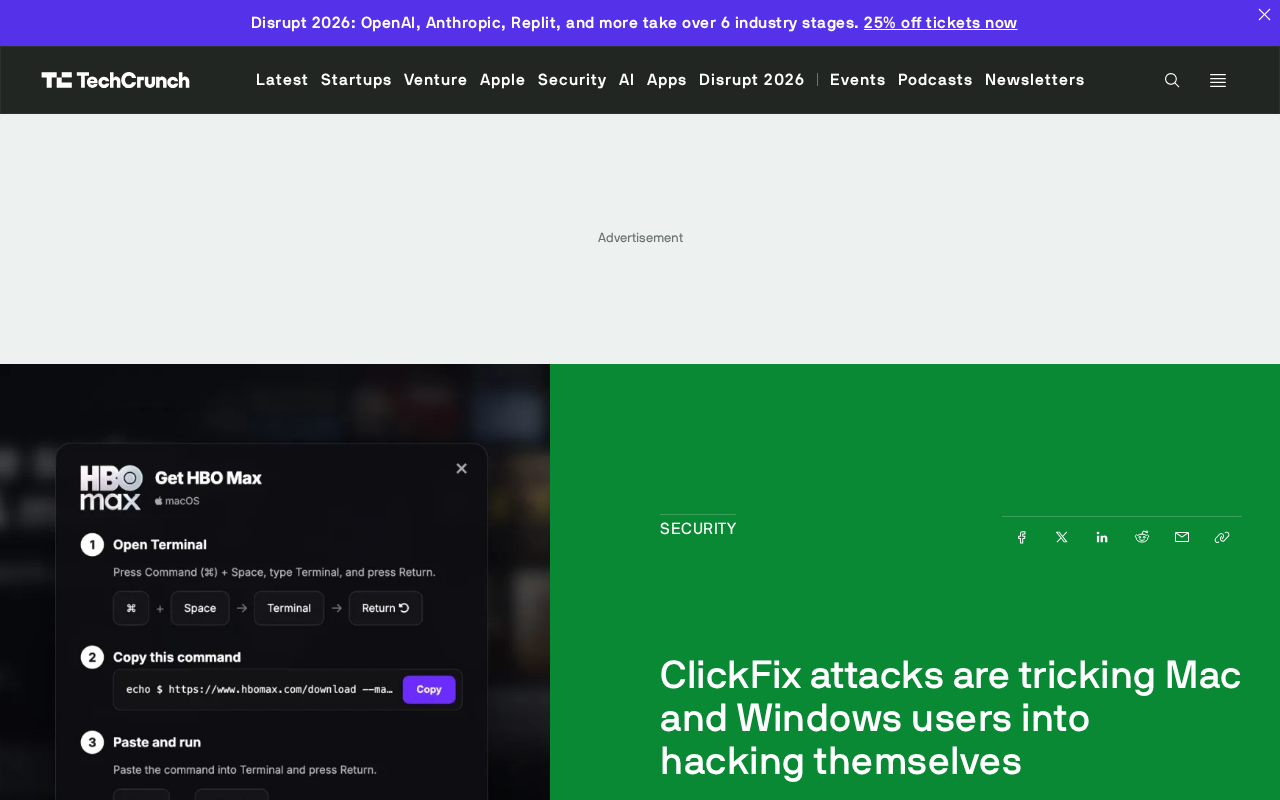
The Rise of ClickFix Attacks: How Mac and Windows Users Are Tricked Into Hacking Themselves
ClickFix is an emerging threat that tricks Mac and Windows users into running malicious commands by impersonating brands like HBO Max. Learn how it works and how to stay safe.