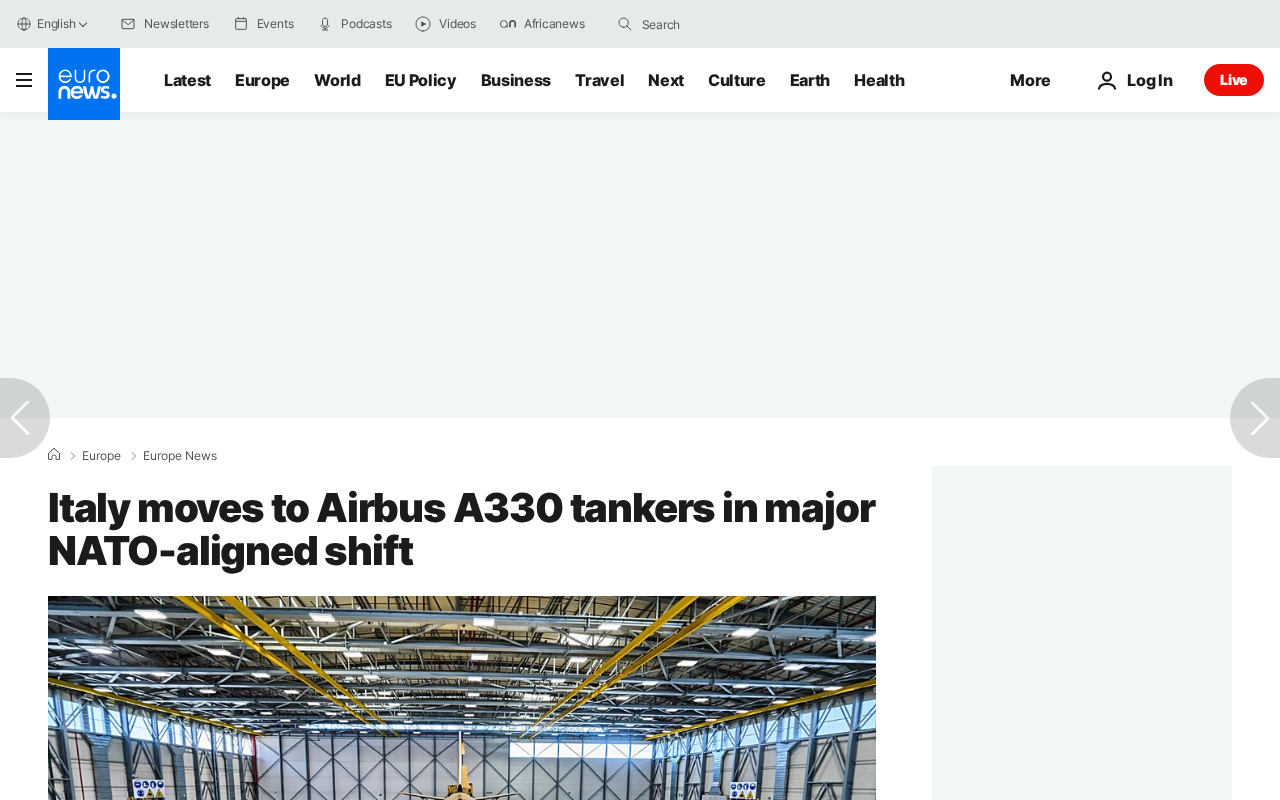
Italy Procures Airbus A330 Tankers: NATO Aerial Refueling Integration Accelerates

Italy announces Airbus A330 MRTT tanker procurement, advancing NATO defense standardization.
Italy's decision to procure the Airbus A330 Multi-Role Tanker Transport (MRTT) marks an important step toward NATO aerial refueling capability standardization. Built on a mature commercial platform, the A330 MRTT offers ultra-high fuel capacity, multi-mission capability, and compatibility with both probe-and-drogue and flying boom refueling systems. Already adopted by NATO members including the UK, France, and Germany, the type is jointly operated through NATO's Multinational MRTT Fleet program, enabling shared operations and capability pooling.
Overview
Italy recently announced its decision to procure the Airbus A330 Multi-Role Tanker Transport (MRTT), marking a significant step toward NATO standardization in aerial refueling capabilities. This major military procurement decision sparked extensive discussion on Hacker News, garnering 258 upvotes and 102 comments, reflecting strong international interest in the trend of European defense integration.
To understand the deeper significance of this decision, one must first appreciate the strategic value of aerial refueling technology itself. Since its development in the late stages of World War II, aerial refueling has become a core component of modern air force multiplication. The basic principle involves dedicated tanker aircraft transferring fuel to receiver aircraft during flight, thereby overcoming range limitations. There are currently two mainstream technical approaches: the Probe and Drogue system and the Flying Boom system. The former, developed by Britain, is used by most NATO European nations and naval aviation — it offers high flexibility but lower transfer rates. The latter, developed by Boeing in the United States, provides higher transfer efficiency and is primarily used for large USAF combat aircraft. The A330 MRTT supports both systems simultaneously, and this compatibility is one of the key reasons for its popularity within the NATO framework.
A330 MRTT Technical Advantages and NATO Standardization Status
Core Technical Parameters
The Airbus A330 MRTT is one of the world's most advanced multi-role tanker transport aircraft, developed on the mature A330 widebody airliner platform. The aircraft's development follows the Commercial Derivative Military Aircraft (CDMA) design philosophy — a concept originating in the late Cold War era, whose core logic leverages the reliability, supply chain maturity, and low maintenance costs of proven commercial aviation platforms to reduce the whole-life-cycle costs of military equipment. The A330 base platform has over 1,500 aircraft in civilian operation, accumulating tens of millions of flight hours of reliability data. The military variant primarily adds a ventral ARBS (Aerial Refueling Boom System), underwing refueling pods, military communications and electronic countermeasures systems, and reinforced cargo floor structures.
The aircraft possesses the following core capabilities:
- Ultra-high fuel capacity: Can carry over 100 tons of fuel, far exceeding traditional tankers like the KC-135
- Multi-mission capability: Simultaneously capable of aerial refueling, strategic transport, and medical evacuation functions
- Dual refueling systems: Equipped with underwing hose-and-drogue refueling pods and a ventral centerline refueling device (ARBS), compatible with both probe-and-drogue and flying boom standards
- Advanced avionics: Features a modern digital cockpit and automated aerial refueling management system
A Common Choice Among NATO Allies
The A330 MRTT has been adopted by multiple NATO member states, including the United Kingdom, France, Germany, the Netherlands, Norway, Belgium, and Luxembourg. NATO also jointly operates the type through its Multinational MRTT Fleet (MMF) program — one of the most innovative capability-sharing mechanisms in NATO history, initiated by the Netherlands and Luxembourg in 2016 and since expanded to Belgium, Germany, Norway, the Czech Republic, and other member states. The program's core is a "flight-hour sharing" model: participating nations contribute proportionally to purchase flight hours rather than entire aircraft, with fleet operations managed centrally by the NATO Support and Procurement Agency (NSPA). This model resembles a "timeshare" concept in aviation.
Related articles
Meta Muse Hits 900K Downloads in Six D…
Meta Muse Hits 900K Downloads in Six Days: The AI Agent Era Has Officially Arrived
Meta's AI agent Muse hit 902K downloads in 6 days, topping US App Store and Google Play charts above ChatGPT and Claude. A deep dive into Muse's capabilities and the AI Agent race.
 Industry Insights
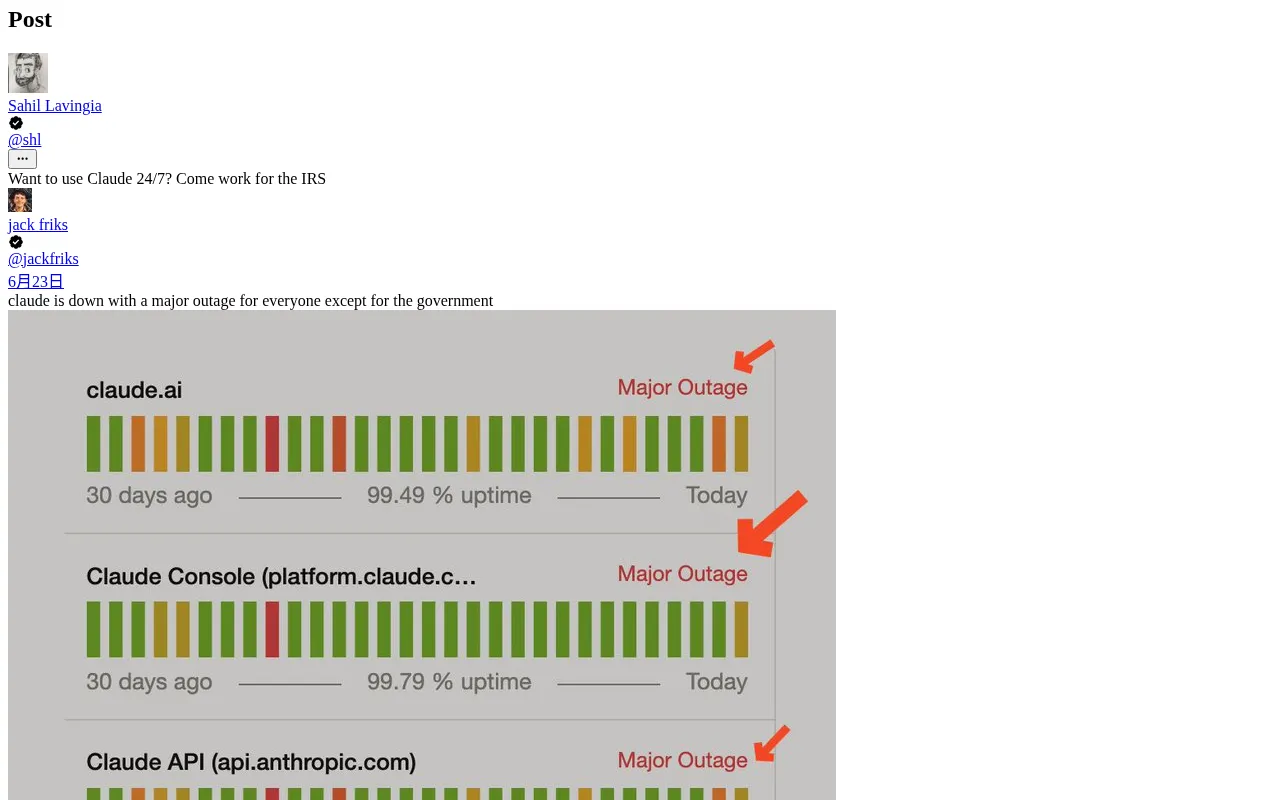
IRS Fully Embraces Claude AI, Accelerating Federal Government's AI Adoption
The IRS is recruiting staff with 24/7 Claude AI access, marking Anthropic's breakthrough into the federal government. Explore the strategic implications and tax use cases.
 Industry Insights
The IRS Mobile App Debate: A Trust Crisis in Government Digital Transformation
The IRS's proposed mobile app has sparked heated debate. This article analyzes the core arguments, exploring data security, privacy, and the trust crisis in government digital transformation.