Jensen Huang Takes Trump's Call in Public — But It's the Phone in His Hand That Steals the Show
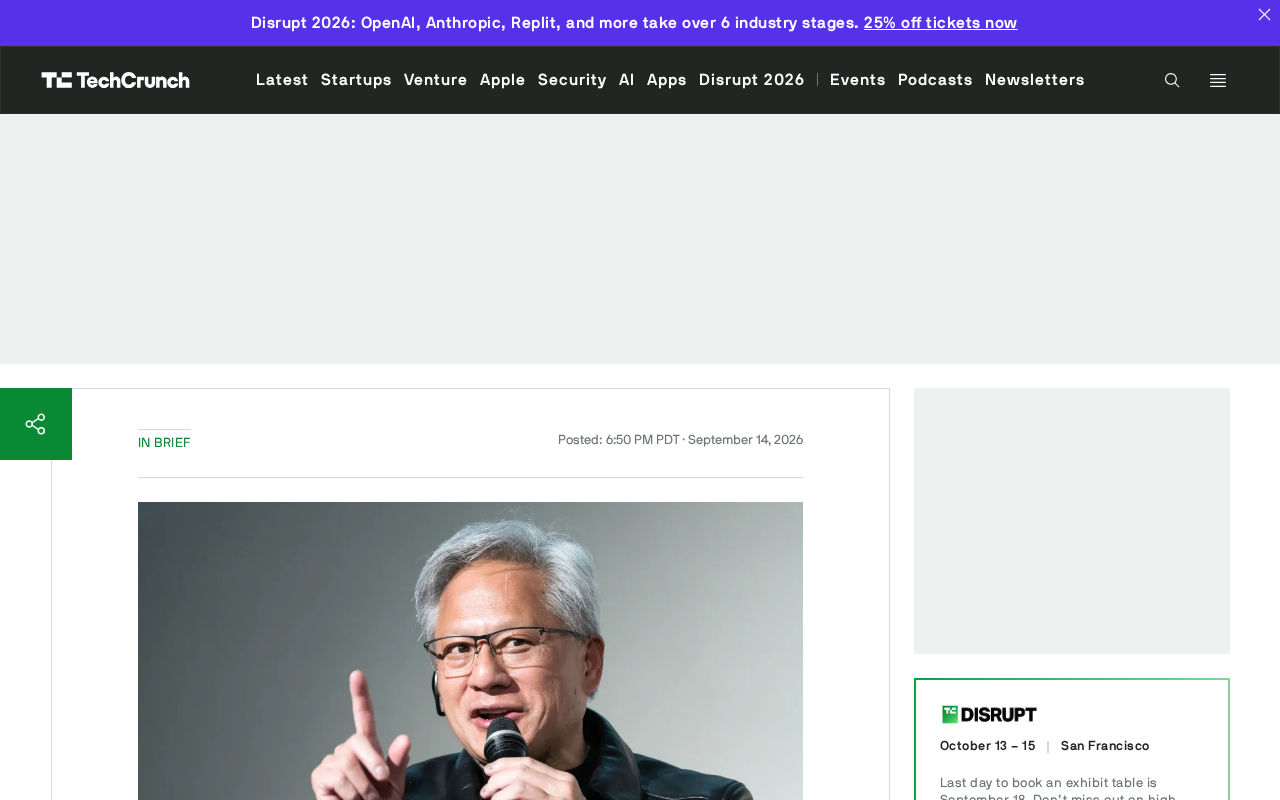
Jensen Huang answered Trump's call live — but the phone he was holding stole the spotlight.
NVIDIA CEO Jensen Huang took a live call from Trump during a public appearance — unsurprising given how deeply AI compute and national policy have become intertwined. Yet public attention landed unexpectedly on the phone device in Huang's hand, highlighting how intensely people scrutinize and interpret every detail around prominent tech leaders. With the original report offering little detail on call content or device specifics, over-interpretation should be avoided. The episode's real value lies in what it reveals: in the age of rapid AI growth, industry leaders live under a constant spotlight, and frequent interactions between tech giants and political figures have become the new normal.
Two Storylines Behind One Phone Call
NVIDIA CEO Jensen Huang took a live call from Trump during a public appearance — a moment that was always going to turn heads. As the central figure in the global AI chip wave, any interaction between Huang and senior U.S. political figures tends to be read as a signal of where the relationship between the tech industry and policy is heading.
Yet according to the original report, what actually distracted some observers wasn't the content of the call itself — it was the phone Huang was holding when he answered it. That detail unexpectedly became a focal point, reflecting just how closely the public scrutinizes this particular tech leader's every move.
Why a Phone Can Become a News Story
In the tech industry, the personal choices of top figures are routinely loaded with symbolic weight. Whether it's which brand of device someone uses or a product detail glimpsed during a public appearance, these things get decoded as statements of preference or allegiance. As the face of NVIDIA, every detail of Jensen Huang's public appearances is liable to be magnified.
When a CEO known for GPUs and AI infrastructure takes a high-profile political call and observers shift their attention from the conversation to the device in his hand, that says something in itself — about the diversity and nuance of what the public chooses to focus on.
Where Tech Leadership Meets Politics
The fact that Huang received a call from Trump isn't particularly surprising given the current macro environment. As AI compute power becomes an increasingly important component of national competitiveness, the ties between chip giants like NVIDIA and governments have grown significantly tighter. Issues like chip export policy, AI regulation, and industrial investment have made interactions between tech executives and political figures both more frequent and more consequential.
Public calls and meetings of this kind tend to serve a dual purpose: they're partly substantive, and partly a form of symbolic display. For outside observers, the signal they send may be more interesting to unpack than the actual content of the conversation.
Staying Grounded When Information Is Limited
It's worth noting that the original source material here is quite thin — it mentions that the call happened and that attention fell on the phone, but it doesn't reveal what was actually discussed, what model of phone Huang was using, or the full context of the event. Any deeper interpretation should therefore be treated with appropriate caution and not stretched too far.
For readers who follow the intersection of tech and policy, this story is perhaps best understood as a small observation window. It's a reminder that in an era of rapid AI industry growth, every move made by industry leaders is placed under a spotlight — and even the most incidental details can spark widespread discussion.
Related articles
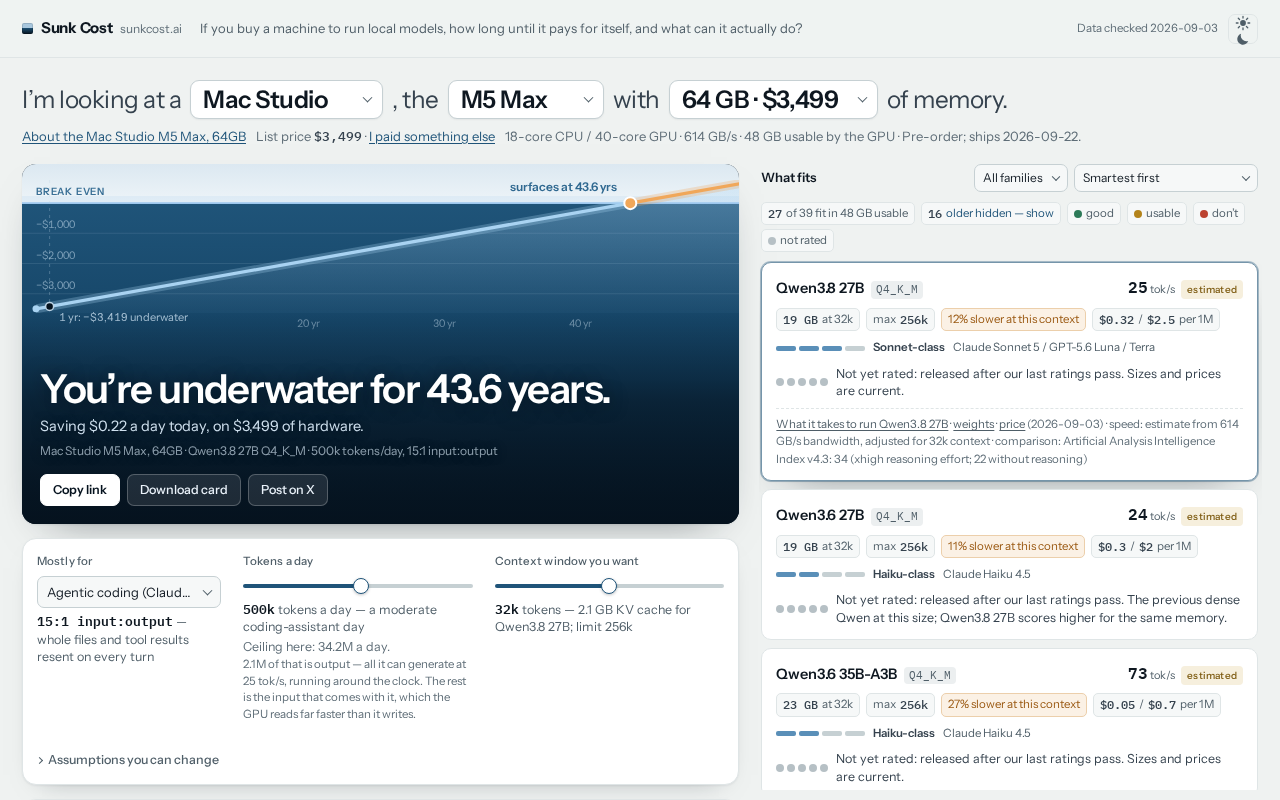
How Long Until Local LLM Hardware Pays for Itself? The Sunk Cost Tool Runs the Numbers
How long before local LLM hardware pays for itself? The Sunk Cost tool — popular on Hacker News — quantifies break-even timelines vs. cloud API costs and explains the key variables.
dayGLANCE v5.x Released: Deep Obsidian Integration and the New "Day Dial" Ambient Display
dayGLANCE v5.x brings full Obsidian two-way integration, GLANCEvault cloud sync, Day Dial ambient display, a new Month view, and MCP server support for AI task interaction.
Is Nextcloud Still the Go-To Google Drive Alternative? A Deep Dive into Self-Hosted Options
Thinking of replacing Google Drive with a self-hosted solution? We break down Nextcloud's strengths and limits, compare OnlyOffice and Collabora, and help you find the best self-hosted office setup.