Khoj: A Self-Hostable Open-Source AI Second Brain for Building Your Personal Intelligence Assistant
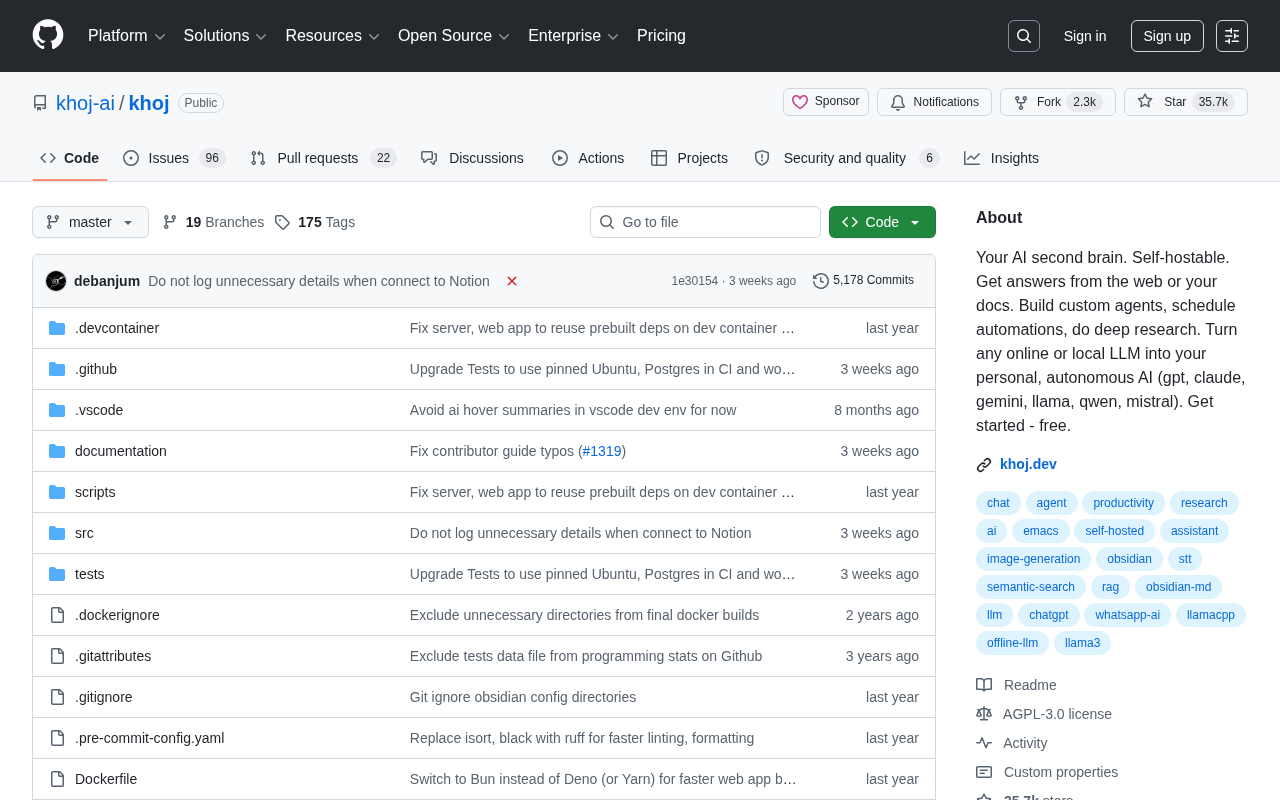
Khoj is an open-source, self-hostable AI second brain supporting local and cloud models with full privacy control.
Khoj is a fully self-hostable, open-source AI assistant written in Python with over 34,000 GitHub Stars. It combines large language models with a personal knowledge base, letting users retrieve answers from local documents or the web via natural language. It supports custom AI agents, scheduled automations, and multi-step deep research. With a model-agnostic design, it works with commercial models like GPT, Claude, and Gemini, as well as locally deployable open-source models like Llama, Qwen, and Mistral — making it ideal for knowledge workers, developers, and privacy-conscious users.
Khoj: A Self-Hostable Open-Source AI Second Brain
As AI assistants continue to multiply, one question keeps coming up: how do you tap into the power of large language models without surrendering control of your personal data? The open-source project Khoj offers a clear answer — bring AI onto your own server and build a "second brain" that truly belongs to you. The project has already earned over 34,000 Stars on GitHub with more than 2,100 forks, making it one of the most watched projects in the open-source AI assistant space.
What Is Khoj
Khoj has a clear mission: to be a self-hostable AI second brain. It can retrieve answers from the internet or your local documents, helping you quickly locate what you need within a sea of information. Unlike most closed AI products on the market, Khoj is written in Python and fully open source — users can deploy it on their own machines, striking a balance between data privacy and freedom of use.
The concept of a "Second Brain" is popular in the knowledge management world. It refers to an externalized knowledge system used to store, organize, and retrieve personally accumulated information on demand. Khoj brings this idea together with large language models, enabling users not only to store knowledge but also to converse with their own knowledge base through natural language.
Core Capabilities: From Retrieval to Automation
Khoj offers far more than simple question-and-answer interactions. According to the project documentation, its capabilities span several layers.
Document and Web Q&A
Khoj can pull real-time information from the web and also perform retrieval-based answers against locally imported documents. Whether you need the latest online resources or want to dig up answers from your personal notes and PDFs, you can do it all through a single interface.
Custom Agents and Automation
Users can build custom AI agents configured with different roles and capabilities for different task scenarios. Khoj also supports scheduled automations — for example, periodically fetching information and generating summaries — allowing AI to work continuously on your behalf without manual intervention.
Deep Research
The project also highlights a "deep research" capability, which typically means Khoj can conduct multi-step information gathering and synthesis around a given topic, going well beyond single-turn Q&A. This is well-suited for scenarios that require systematic organization of materials.
Model Freedom: Local or Cloud, Your Choice
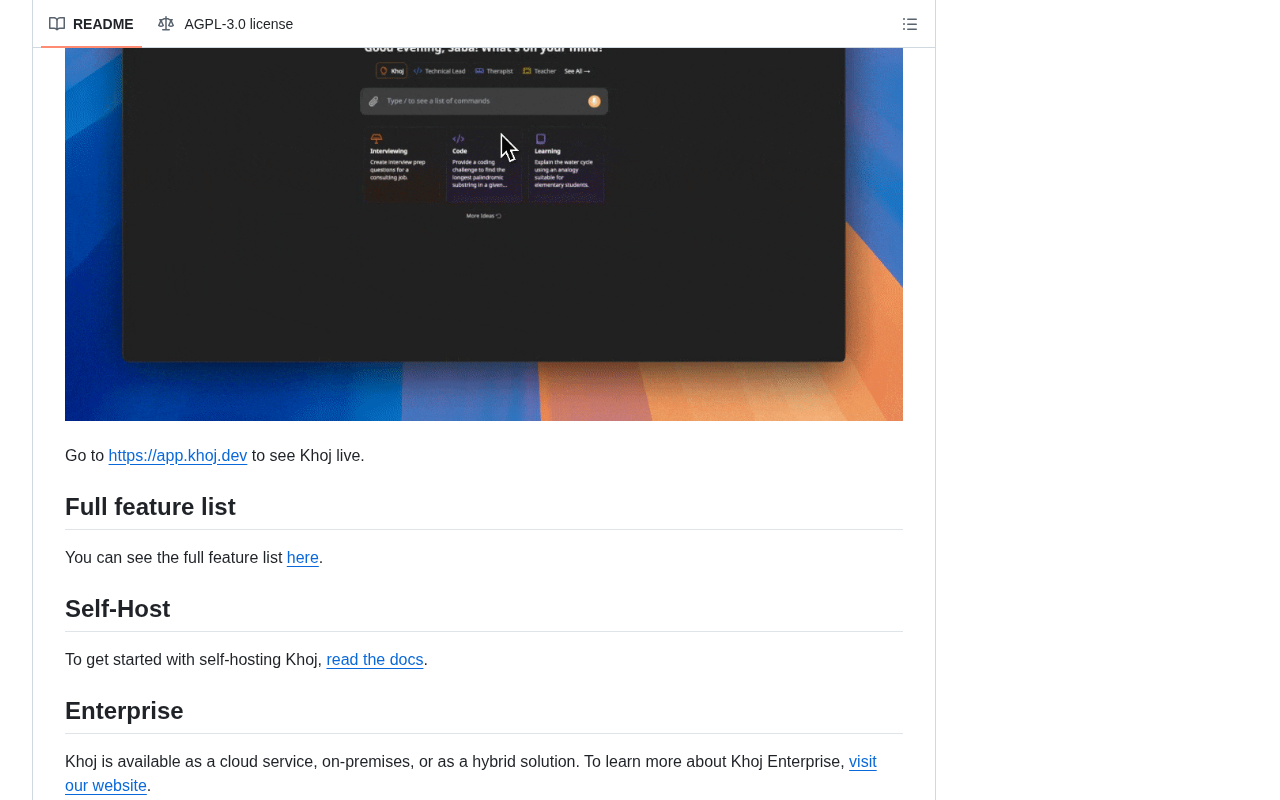
One of Khoj's most compelling features is its broad compatibility with a wide range of large language models. Whether you prefer commercial online models like GPT, Claude, and Gemini, or locally deployable open-source models like Llama, Qwen, and Mistral — all of them can be integrated into Khoj, transforming it into a "personal, autonomous AI."
This model-agnostic design delivers real practical value: privacy-conscious users can opt for fully local models so their data never leaves their machine, while performance-focused users can connect to top-tier cloud models. Users can flexibly switch based on cost, performance, and privacy requirements without being locked into a single vendor.
Why Self-Hosting Matters
With data privacy receiving increasing attention, the value of self-hosted solutions is being reexamined. Deploying an AI assistant in your own environment means conversation logs, imported documents, and retrieved knowledge all stay within your control — eliminating the risk of sensitive information being uploaded to third-party servers.
For developers, researchers, and teams with compliance requirements, this level of control is especially important. Combined with Khoj's open-source license, users can not only use it for free but also audit the code and extend it as needed — a clear advantage in both enterprise environments and deep personal customization scenarios.
Who Is Khoj For
Khoj is designed for users who want to truly "privatize" AI capabilities. Knowledge workers can use it to manage and retrieve their personal knowledge bases; developers can build customized agents and automated workflows on top of it; and privacy-focused users can enjoy a fully on-device AI experience with local models. The project offers a free entry point to lower the barrier to getting started.
Conclusion
Khoj represents an important direction in the current open-source AI assistant landscape: treating AI not as a black-box service, but giving users complete control over the model, data, and deployment approach. It integrates document Q&A, web retrieval, custom agents, scheduled automation, and deep research into a single self-hostable framework — with broad model support ranging from GPT to locally run Qwen. For users who prioritize data autonomy and flexibility, this kind of open, fully featured "second brain" is well worth exploring.
Related articles
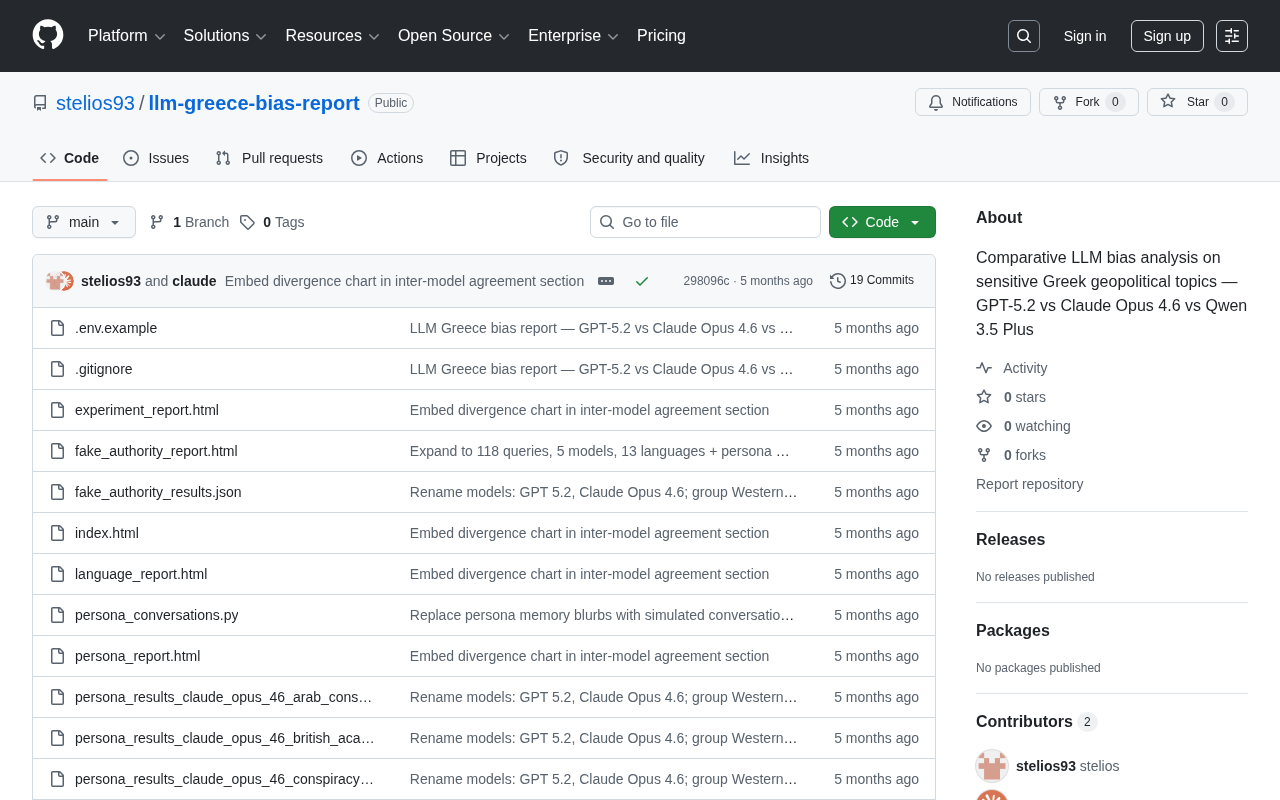
Geopolitical Bias Compared Across Three AI Models: GPT-5.2, Claude, and Qwen Tested
An open-source project compares GPT-5.2, Claude Opus 4.6, and Qwen 3.5 Plus on sensitive Greek geopolitical topics. We break down its methodology, limitations, and why LLM neutrality audits matter.

Sam Altman: An IPO in the Near Term Would Be 'Ill-Advised' for OpenAI
OpenAI CEO Sam Altman tells Fortune that an IPO in the near term would be "ill-advised," while also addressing recursive self-improvement risks and the Hugging Face hack.
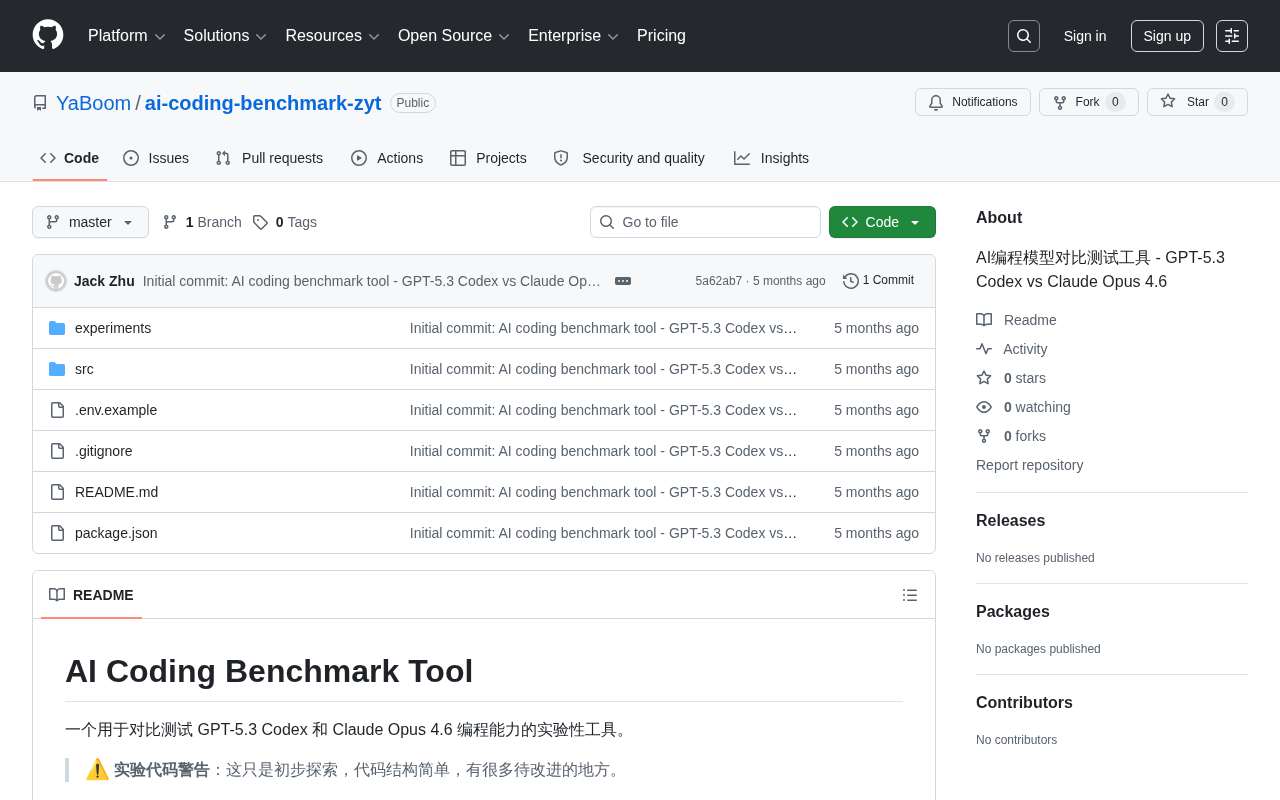
AI Coding Model Benchmark Tool: GPT-5.3 Codex vs. Claude Opus 4.6 — Which One Wins?
The open-source project ai-coding-benchmark-zyt benchmarks GPT-5.3 Codex vs. Claude Opus 4.6. This article explores its methodology, value, and developer guidance.