King Charles Privately Meets with AI Leaders, Revealing a Cautious Stance on Artificial Intelligence
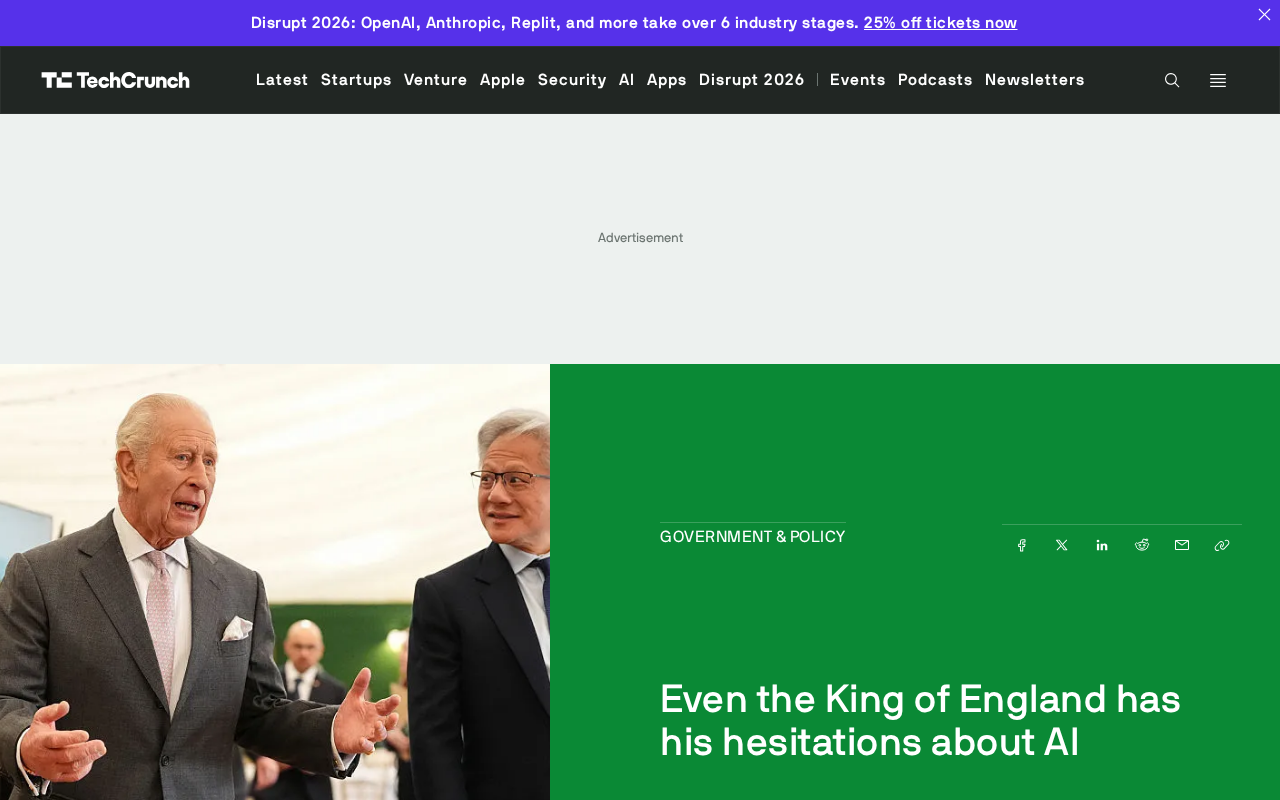
King Charles hosts a private AI summit, signaling cautious concern about the technology's rapid societal impact.
King Charles recently hosted a closed-door summit with top AI figures and UK government officials, with reports highlighting his notable hesitations about artificial intelligence. His caution likely stems from long-held concerns about labor market disruption, information integrity, and regulatory lag. The royal engagement carries symbolic weight beyond policy influence and aligns with the UK's broader strategy — exemplified by the 2023 AI Safety Summit at Bletchley Park — to play a leading role in global AI governance. The article concludes that the King's hesitation is not rejection, but a call to balance technological progress with genuine care for human well-being.
King Charles of the United Kingdom recently held a private summit with prominent figures from the AI industry and the British government. This low-key but significant gathering reflects the monarch's complex attitude toward one of the defining technologies of our era — marked by genuine interest alongside notable reservations and concerns.
A Private Summit Bringing Together Top Players
According to reports, King Charles hosted the closed-door summit on Thursday, bringing together some of the most influential figures in AI alongside relevant British government officials. The composition of the gathering itself sends a clear message: AI is no longer merely a topic confined to the tech world — it has ascended to the level of national governance and even royal attention.
Members of the royal family typically maintain caution and neutrality on public policy issues, and rarely take public stances on contentious technological matters. Charles's choice to convene this dialogue through a private summit signals both the weight he places on the subject and its inherent sensitivity — touching as it does on a range of still-unresolved social questions around employment, ethics, and safety.
What the King's "Hesitations" Actually Mean
At the heart of the reporting is the revelation that even the King of England harbors his own hesitations about AI. This attitude is far from isolated — it reflects a broader social unease about the rapid expansion of artificial intelligence.
Charles has long championed issues around the environment, sustainable development, and social welfare. Seen through that lens, his reservations about AI likely stem from concern over the technology's potential downsides: the disruption it poses to labor markets, its erosion of information integrity, and the nagging worry that the pace of technological development is outstripping the capacity of regulators to keep up.
When a head of state with powerful symbolic authority expresses hesitation about a technology, that in itself is a social signal worth heeding. It serves as a reminder to the public and to policymakers that embracing AI's efficiency and innovation must go hand in hand with honestly confronting the risks and uncertainties it brings.
The Symbolic Weight of Royal Engagement with Tech Issues
Statements from the British royal family often carry value that transcends their actual policy-making power. By hosting this AI summit, Charles has elevated the issue's public profile and may well provide a degree of political momentum for the UK government's approach to AI governance.
In recent years, the UK has sought to carve out a prominent role in the global AI governance landscape, having previously hosted high-profile events focused on AI safety. The King's direct participation in these conversations, sitting alongside government and industry representatives, can be read as yet another expression of Britain's continued push to balance AI development with meaningful oversight.
The most emblematic action the UK has taken in AI governance to date was the AI Safety Summit hosted by then-Prime Minister Sunak in November 2023, held at Bletchley Park — the historic site where Allied codebreakers worked during World War II. The summit brought together representatives from 28 countries, including the United States and China, as well as leading companies like OpenAI, DeepMind, and Meta, ultimately producing the Bletchley Declaration — an initial consensus on the potential risks posed by frontier AI systems. These efforts cemented the UK's role as a "convener" in global AI governance dialogue, lending greater coherence to subsequent royal-level engagement. This is no isolated event; it is part of a broader British strategy to build soft power in AI governance.
Conclusion: Caution Is Not the Same as Rejection
One point deserves clarification: "hesitation" is not the same as "opposition." Charles's cautious stance is more likely a call to action — a plea to stay clear-eyed in an era of AI's breakneck advance, and to ensure that the pursuit of technological dividends never loses sight of human welfare.
Given the limited information currently available to the public, the specific discussions and outcomes of this summit remain unclear. But the event itself already demonstrates something important: the influence of artificial intelligence is permeating every level of society, and even the royal family cannot remain on the sidelines. How to find the right balance between innovation and prudence will be a long-term challenge for society as a whole.
Additional Context
Charles's longstanding focus on environmental and sustainability issues intersects directly with AI's energy demands. Training and running large AI models requires enormous computing power, and the electricity consumption and carbon emissions of data centers have become issues the industry can no longer ignore — the International Energy Agency (IEA) has projected that global data center electricity use could double by 2026. At the same time, the threat that deepfake technology poses to information integrity, and the pressure that automation places on traditional jobs, are recurring concerns at the center of any serious conversation about AI risk. Understanding these specific issues helps clarify what exactly the kind of "cautious voice" that Charles represents is actually warning against.
Related articles
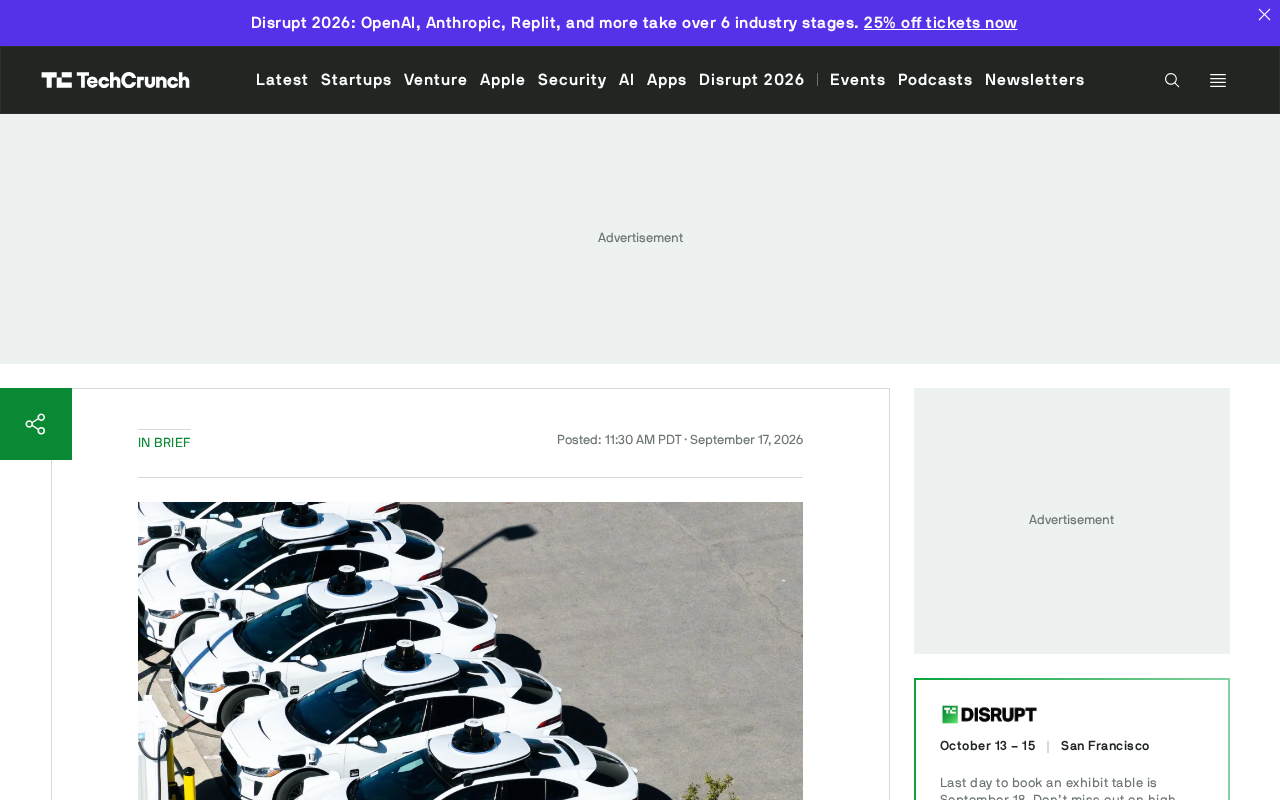
Waymo Restarts San Antonio Operations: Back on the Road Five Months After Flood Incident
Waymo resumes San Antonio Robotaxi service ~5 months after a vehicle was swept away in flooding. A look at what happened, why it took so long, and what it means for AV safety in extreme weather.
What Is AIOps? How AI Is Reshaping IT Operations
AIOps applies AI and machine learning to IT operations for anomaly detection, alert noise reduction, and root cause analysis — shifting teams from reactive to proactive.
CCC Sends Its Invitation: 40C3 Hacker Congress Themed "Model Citizens"
CCC announces its 40th Chaos Communication Congress (40C3) under the theme "Model Citizens," inviting hackers worldwide to examine surveillance and algorithmic governance.