Kit: An AI Coding Agent Runtime in a Single Binary
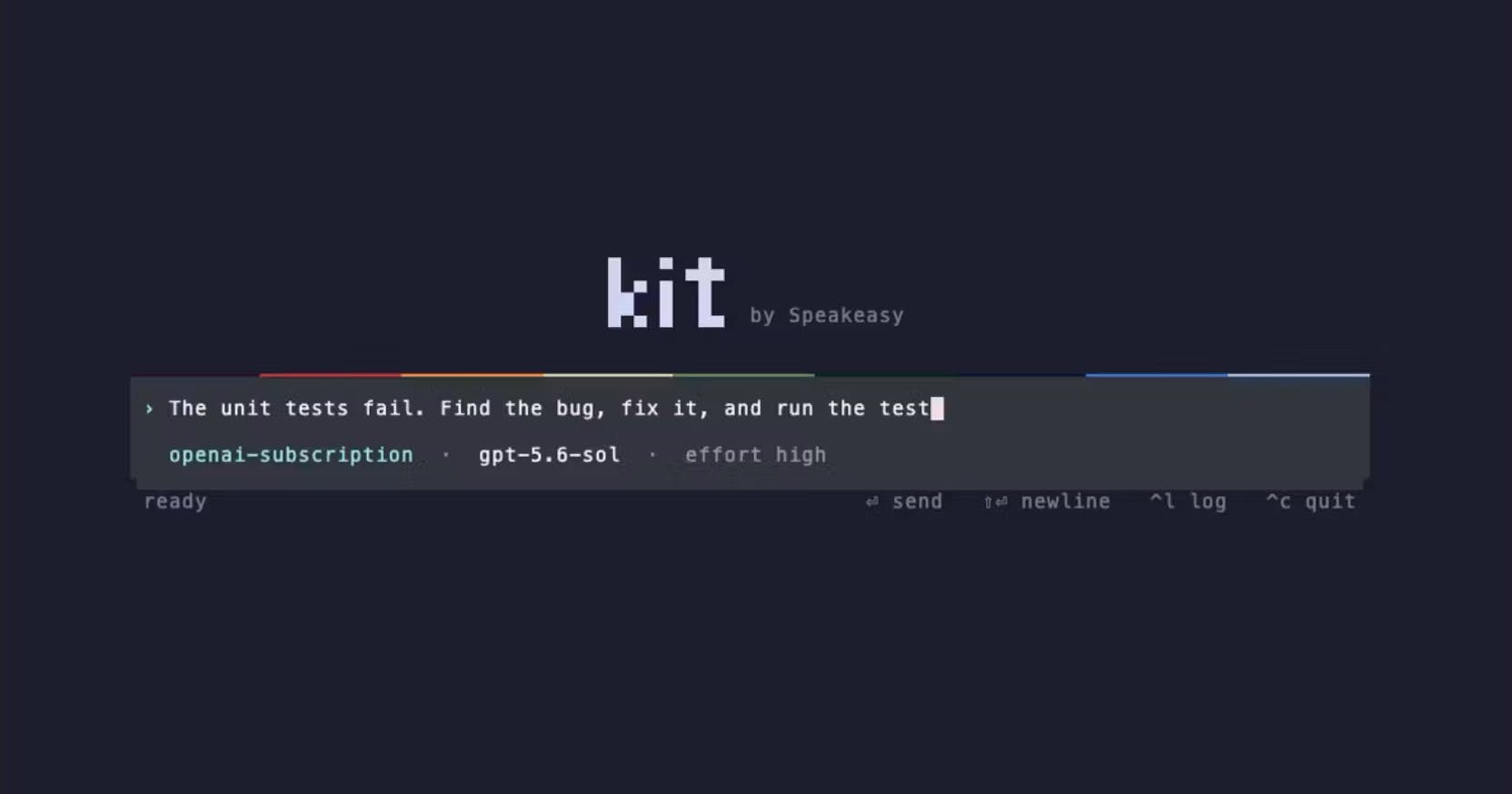
Kit: A single-binary AI coding agent runtime with minimalist design and protocol-first architecture
Kit by Speakeasy reimagines AI coding tools as a runtime abstraction layer. By packaging terminal client, ACP server, A2A endpoint, and orchestrator into one static binary, it decouples agent execution from specific editors and models. Its minimalist philosophy—giving models just one tool (write and run code)—aims for faster, cheaper operation than monolithic alternatives.
When Coding Agents Meet Runtime Abstraction
In today's landscape of proliferating AI coding tools, Kit by Speakeasy takes a different approach. Rather than being yet another AI code completion plugin, it positions itself as a coding agent runtime. In their own words, Kit aims to be "Claude but fast, cheap, concise."
A coding agent runtime is a relatively emerging concept—it refers to the underlying infrastructure that provides execution environments, resource management, and lifecycle control for AI coding agents. Traditional AI coding assistants (like GitHub Copilot and Cursor) typically tightly couple model inference, tool invocation, and execution environment into a monolithic product. The runtime abstraction approach, however, separates these layers: the model handles reasoning, the runtime handles execution, and the client handles interaction. This layered architecture is nothing new in software engineering—Java has the JVM, containers have containerd—but in the AI Agent space, this clear separation is only just beginning to emerge.
This slogan reveals a key insight: current mainstream AI coding assistants often deeply couple the "model" with the "runtime environment," leading to high tool-switching costs, complex integration, and uncontrollable expenses. Kit attempts to decouple this relationship, allowing developers to freely mix and match different editors and models.
Core Design: One Tool, One Binary
Minimalist Tool Philosophy
Kit's most striking design philosophy is: give the model just one tool—write and run programs.
This runs counter to many current agent frameworks. Many agent systems equip models with dozens of specialized tools (read files, search, call APIs, execute commands, etc.), attempting to enhance capabilities through tool diversity. Kit takes the opposite approach, believing that what models truly need is just one fundamental capability—"write code and execute it"—since most tasks can ultimately be reduced to writing and running programs.
Understanding this design choice requires knowing about two major schools of thought in current AI Agent framework tool design. One camp, represented by LangChain and AutoGPT, tends to equip agents with as many specialized tools as possible, with each tool corresponding to an atomic operation. Models select appropriate tools via function calling mechanisms. This approach is flexible but brings the "tool explosion" problem—when available tools exceed 20, model accuracy in tool selection drops significantly, while verbose tool descriptions consume substantial context window space. The other camp believes in the "code as universal tool" philosophy, holding that nearly all operations can be accomplished by writing and executing code—the strategy Kit adopts. OpenAI's Code Interpreter and Anthropic's Computer Use have to some extent validated this direction's viability.
This minimalism brings direct benefits: fewer tools mean shorter context, lower token consumption, and less model "choice paralysis." This aligns perfectly with its "fast, cheap, concise" positioning.
Single Static Binary Deployment
Kit packages four major capabilities into one static binary file:
- Terminal Client: Command-line interaction entry point
- Agent Client Protocol Server: Protocol-layer agent runtime
- A2A Endpoint: Inter-agent communication interface
- Subagent Orchestrator: Multi-agent collaboration scheduler
A static binary refers to compiling all program dependencies—including standard libraries, runtime, etc.—into a single executable file that requires no external dynamic link libraries at runtime. This deployment approach is especially common in the Go ecosystem (Docker and Kubernetes CLI tools are typical examples), with its core advantage being extreme portability and deployment simplicity. For developer tools, a single binary means installation with one command, with no need to manage Python virtual environments, Node.js versions, or system-level dependency conflicts. In CI/CD scenarios, this characteristic is even more valuable—every additional dependency in a pipeline means longer build times and more potential failure points.
The value of single-binary deployment shouldn't be underestimated in practical engineering—no complex dependency installation or environment configuration, ready to use out of the box, and easier to quickly integrate in CI/CD pipelines, containers, and other environments.
ACP Protocol: The Key to Agent Decoupling
What is Agent Client Protocol
Kit's most technically forward-looking aspect is its deep support for Agent Client Protocol (ACP). ACP's core idea is to completely separate the agent client from the agent runtime.
This design philosophy recalls the transformation LSP (Language Server Protocol) brought to the editor ecosystem. LSP is an open protocol Microsoft launched in 2016 that defines standard communication between code editors and language servers. Before LSP, with M editors and N programming languages, you theoretically needed M×N integration adapters; LSP reduced this complexity to M+N, with each editor implementing an LSP client once and each language implementing an LSP server once. This protocol completely reshaped the editor ecosystem—VS Code's ability to rapidly support virtually all programming languages owes much to LSP. ACP attempts to establish a similar standard in the AI Agent field: agent runtimes (like Kit) implement ACP servers, editors or IDEs implement ACP clients, and both communicate via standard protocol, enabling free mixing and matching.
ACP's Practical Value
Through the ACP protocol, Kit can achieve two key capabilities:
- Run in compatible editors—no need to develop separate plugins for each editor
- Orchestrate other agent frameworks (harnesses)—can coordinate different agent systems without custom integration
This means Kit isn't just an isolated tool, but aspires to be a "protocol node" in the agent ecosystem. It can serve both as a runtime called by editors and as an orchestrator directing other agents. This bidirectional flexibility is its core competitive advantage distinguishing it from closed AI coding tools.
Worth mentioning is Kit's simultaneous support for the A2A (Agent-to-Agent) protocol. A2A is an open standard Google proposed in early 2025, aiming to enable AI agents built by different vendors and frameworks to discover, communicate, and collaborate with each other. Previously, multi-agent systems could typically only achieve collaboration within the same framework (like multi-agent conversations in AutoGen or role orchestration in CrewAI)—cross-framework agent interoperability was virtually nonexistent. The A2A protocol defines core mechanisms like agent capability declaration (Agent Card), task delegation, and state synchronization, allowing a Kit agent to delegate subtasks to another agent built with a different framework without understanding the other's internal implementation.
Positioning Analysis: Who is Kit For
Judging from its 126 votes on Product Hunt and 7th place ranking that day, Kit has gained decent initial attention in the developer community. It's categorized under software engineering, developer tools, artificial intelligence, and GitHub, with a very clear target audience—professional developers pursuing efficiency and cost control.
Consider the phrasing "Claude but fast, cheap, concise." This isn't belittling Claude, but rather suggesting Kit might, on top of powerful models like Claude, reduce usage costs and improve response speed through runtime-level optimizations (fewer tools, shorter context, more precise orchestration). In other words, Kit isn't solving the problem of "models not being powerful enough," but rather "how to use existing models more economically and efficiently."
Observations and Reflections
Protocol standardization is an important emerging trend in the current AI Agent field. From Anthropic's MCP (Model Context Protocol) to ACP and A2A here, the industry is moving from "reinventing wheels" toward "protocol interoperability."
To understand the relationships between these protocols, here's a breakdown: MCP focuses on standardized connections between models and external data sources and tools, defining how to expose resources like file systems, databases, and APIs to AI models in a unified format; ACP addresses "how agent clients communicate with agent runtimes"; while A2A solves "how agents collaborate with each other." These three protocols cover three different interaction boundaries in AI agent systems, together forming an emerging protocol stack. Kit's simultaneous support for ACP and A2A, plus the ability to connect external tools via MCP, places it at the intersection of this emerging protocol ecosystem.
Kit's integration of these protocol capabilities into a lightweight binary represents a pragmatic engineering approach.
Of course, Kit is still in early stages, and actual performance advantages, cost control effectiveness, and ecosystem compatibility await validation in more real-world scenarios. Its "one tool to rule them all" minimalist philosophy is also controversial—whether the lack of specialized tools becomes a bottleneck in certain complex tasks remains to be observed.
Regardless, the direction Kit represents—runtime abstraction + protocol decoupling—is likely a necessary path for AI coding tools to mature. For developers following AI Agent architecture evolution, it's a project worth continuous tracking.
Related articles

Singdu: An Innovative App for Learning Languages Through Music
Singdu combines music with language learning, offering synchronized lyric translations, tap-to-lookup words, gamified motivation, and KTV big screen experience. Supporting 7 languages, it makes learning fun and effective.
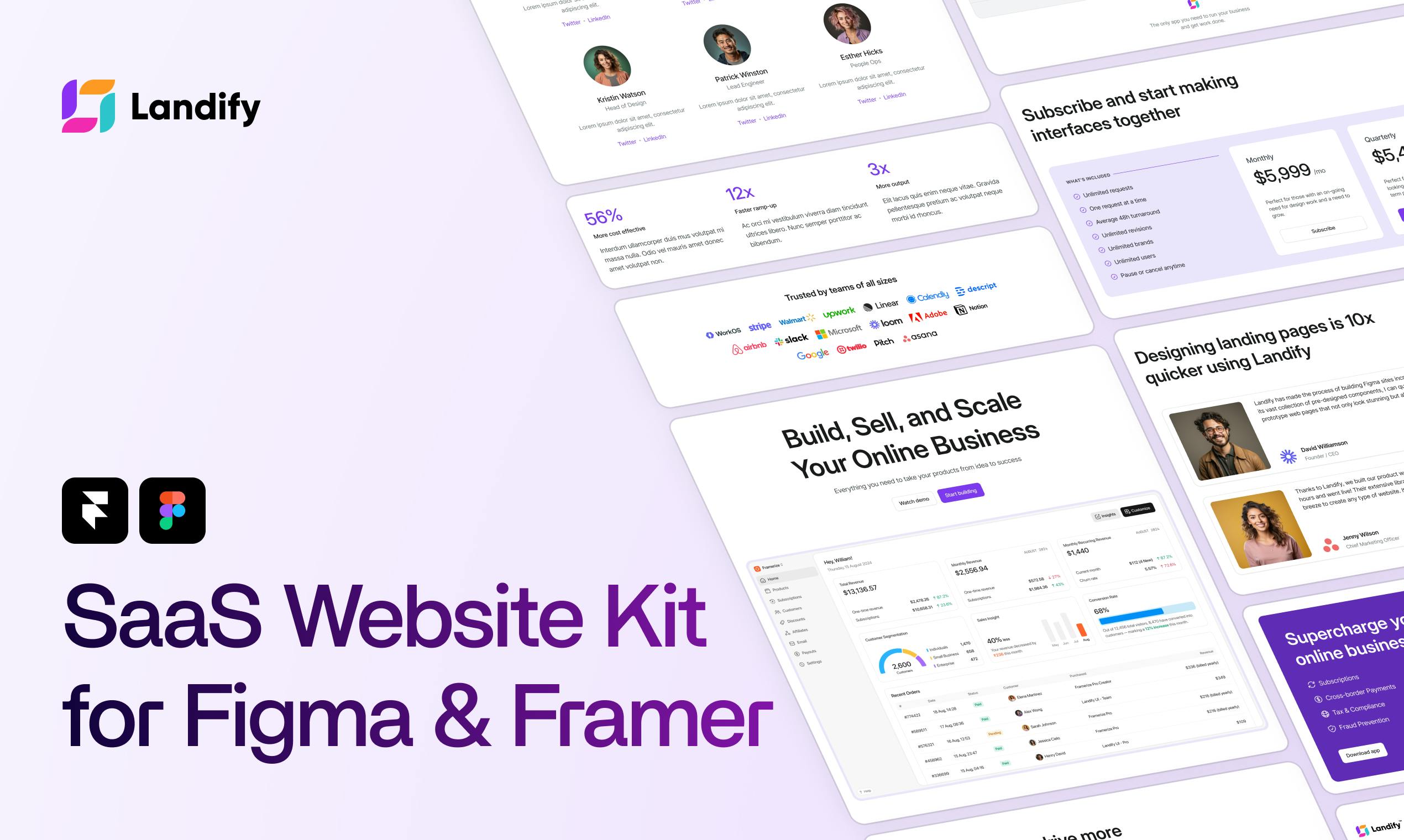
Landify V4 Review: AI & SaaS Website UI Kit with 350+ Components
Landify V4 is a website UI Kit spanning Figma and Framer, offering 350+ responsive sections and 20+ page templates designed specifically for AI and SaaS product websites. Detailed analysis of core features, dual-platform advantages, and use cases.
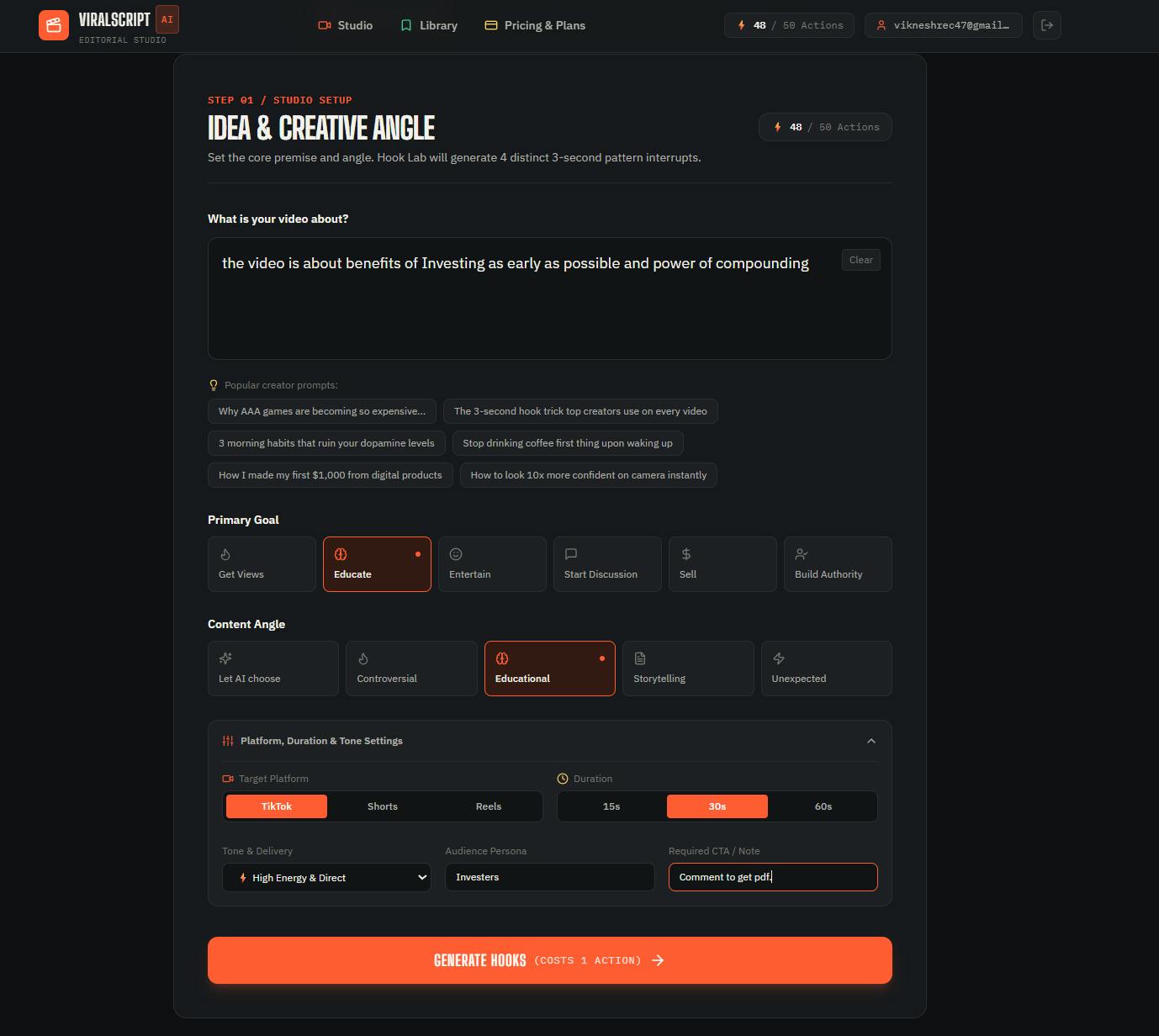
ViralScript AI Review: An In-Depth Look at This AI-Powered Short Video Script Generator
ViralScript AI is an AI script generator for TikTok, YouTube Shorts & Reels. This review covers its 3-second hook design, B-roll prompts, filming guidance & market positioning.