Laika's Stop-Motion Epic Wildwood: Where Handcraft Meets Cutting-Edge Technology
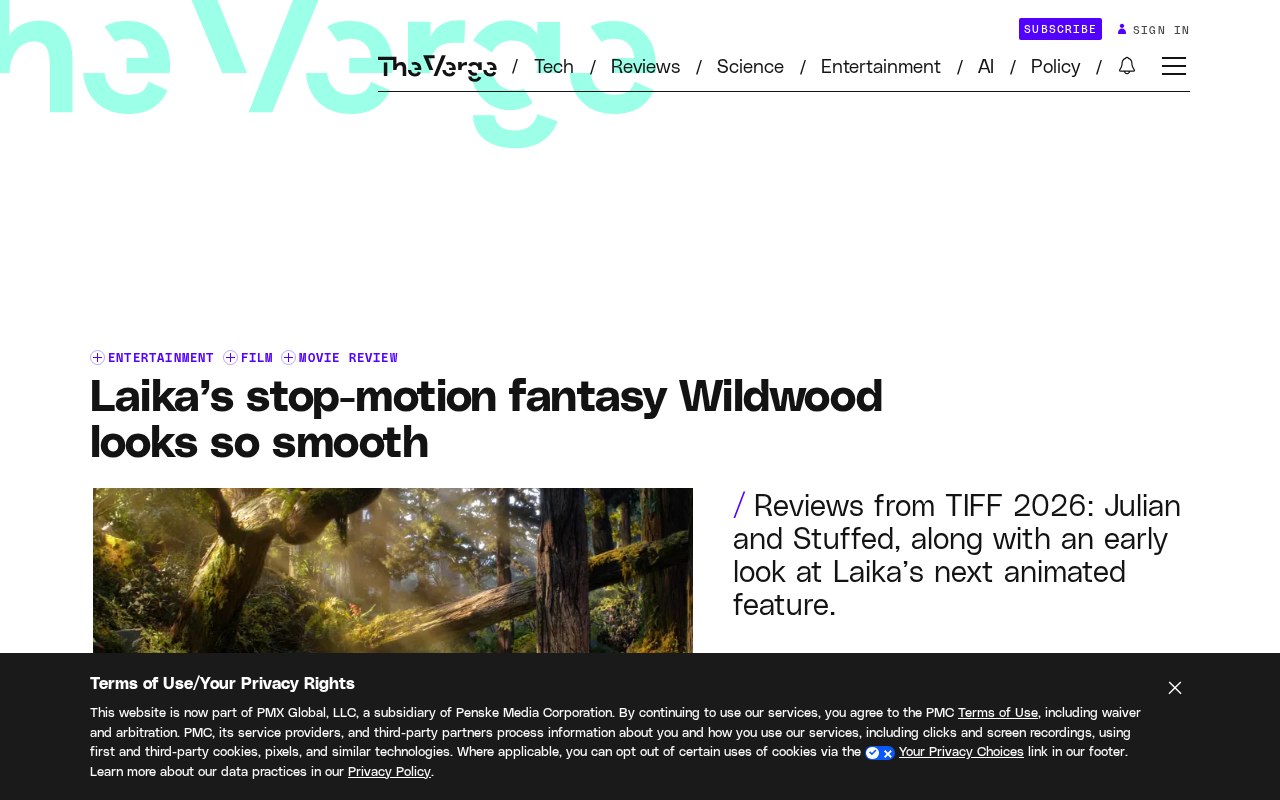
Laika's Wildwood showcases stop-motion animation's new frontier with surprisingly fluid visuals.
Laika's new feature Wildwood received an early screening at TIFF, drawing widespread attention for its remarkably fluid visuals — well beyond what stop-motion audiences typically expect. The format's frame-by-frame, hands-on production process makes smooth motion inherently difficult to achieve, but Laika has spent years bridging that gap through 3D-printed face replacement parts and digital compositing. Wildwood is seen as the concentrated payoff of that long investment, and the film may point toward a 'handcraft + technology' approach as the defining direction for premium stop-motion animation going forward.
A Film That Makes You Rethink Stop-Motion Animation
At the Toronto International Film Festival (TIFF), animation studio Laika debuted an early screening of its latest fantasy feature, Wildwood. Even audiences unfamiliar with the Laika name have almost certainly seen their work — Coraline, ParaNorman, and Kubo and the Two Strings are all products of this studio, which has earned a distinguished reputation for its singular approach to stop-motion animation.
What made Wildwood's debut so striking was the remarkable fluidity of its visuals. Stop-motion has long been constrained by the physical nature of frame-by-frame shooting, which tends to give the medium a slightly stiff, stuttering rhythm. Yet Wildwood achieves a level of movement continuity far beyond what audiences have come to expect — all while retaining the handmade warmth the format is known for.
Why "Smoothness" Is So Hard to Achieve in Stop-Motion
The Medium's Inherent Technical Ceiling
Stop-motion animation works by physically repositioning real, tangible puppets or models one tiny increment at a time, photographing each position as a single frame, and then stringing those frames together into the illusion of movement. A single second of finished footage typically requires 12 to 24 individual frames — meaning every second of screen time demands dozens of precise, manual adjustments to the model. Every expression, every wave of a hand, has to be physically posed and repositioned by an animator.
This process gives stop-motion its beloved handcrafted quality, but it also places a hard ceiling on how fluid the motion can feel. Unlike CG animation, where software can automatically interpolate smooth transitions between keyframes, every frame in stop-motion is a real, physical state of a real, physical object — making silk-smooth movement extremely difficult to achieve.
Laika's Years of Technical Investment
Laika has spent years pushing stop-motion into dialogue with modern technology. The studio has made enormous investments in 3D-printed facial replacement parts and digital compositing workflows. Kubo and the Two Strings, for example, relied on an enormous library of 3D-printed face components to achieve nuanced, expressive performances. The fluidity on display in Wildwood is likely the culmination of that long technical evolution.
What to Expect from Wildwood
As one of the most anticipated films of the year, Wildwood's early TIFF screening offered plenty of details worth noting. The film continues Laika's signature tradition of dark, intricate fantasy storytelling while taking a meaningful step forward in visual execution. For fans of the medium, it serves as both a tribute to traditional craft and an exploration of what that craft is still capable of.
From an industry perspective, Laika's ongoing commitment to stop-motion feature filmmaking — a form that is both niche and extraordinarily expensive — represents a genuine artistic conviction. In an era when CG animation has become deeply industrialized, that commitment feels increasingly rare and valuable.
Where Stop-Motion Goes From Here
The visual achievement of Wildwood may signal that stop-motion is entering a new phase — one where the core value of handmade texture is preserved, while digital tools are used to compensate for the physical medium's inherent limitations. This "handcraft + technology" fusion approach could well define the future of high-end stop-motion filmmaking.
For audiences, that means the prospect of more stop-motion films that feel both warm and fluid. For the broader animation industry, Laika's ongoing exploration offers a compelling model for how handcraft value can survive — and even thrive — in an age of industrial-scale production.
(Note: This article is based on information from the early TIFF screening. Additional details are subject to confirmation following the film's wide release.)
Related articles
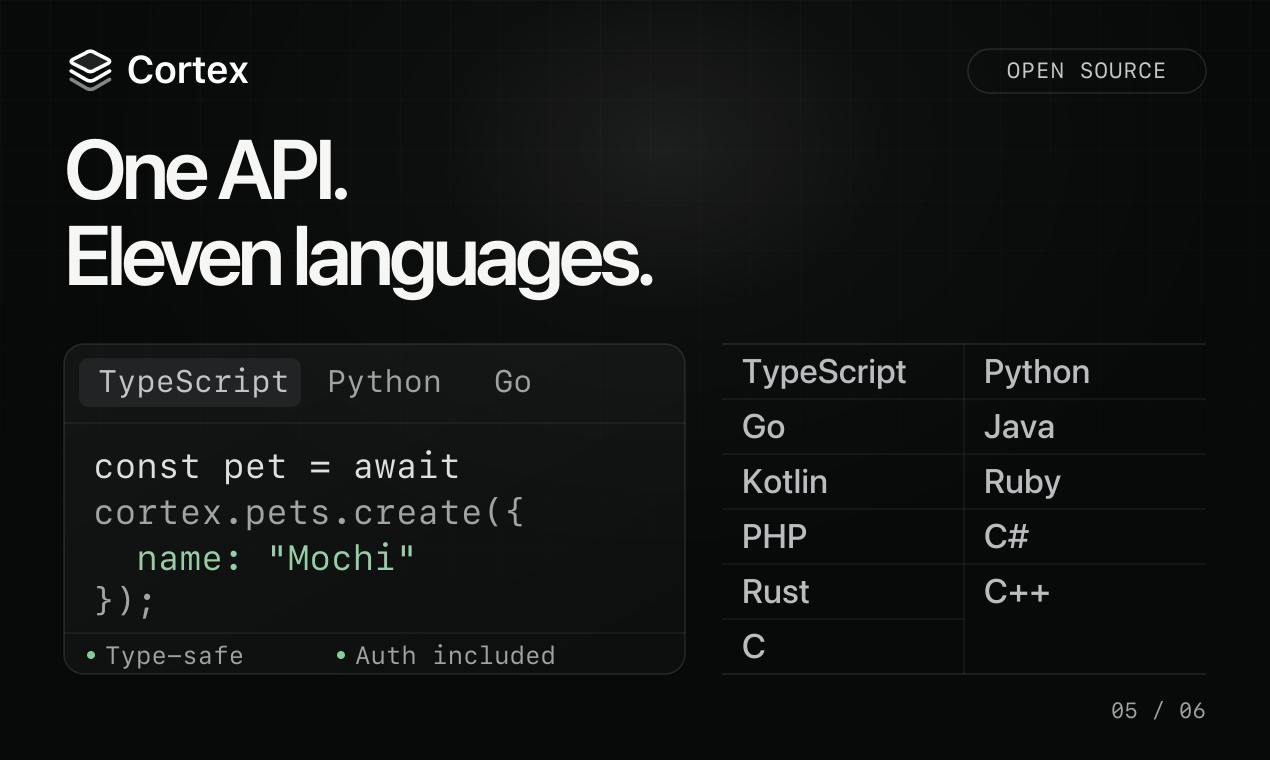
Cortex: Convert API Specs into Docs, SDKs, and MCP Servers in One Click
Cortex is an open-source tool that converts OpenAPI, GraphQL, gRPC and more into interactive docs, typed SDKs in 11 languages, and MCP servers for AI agents.
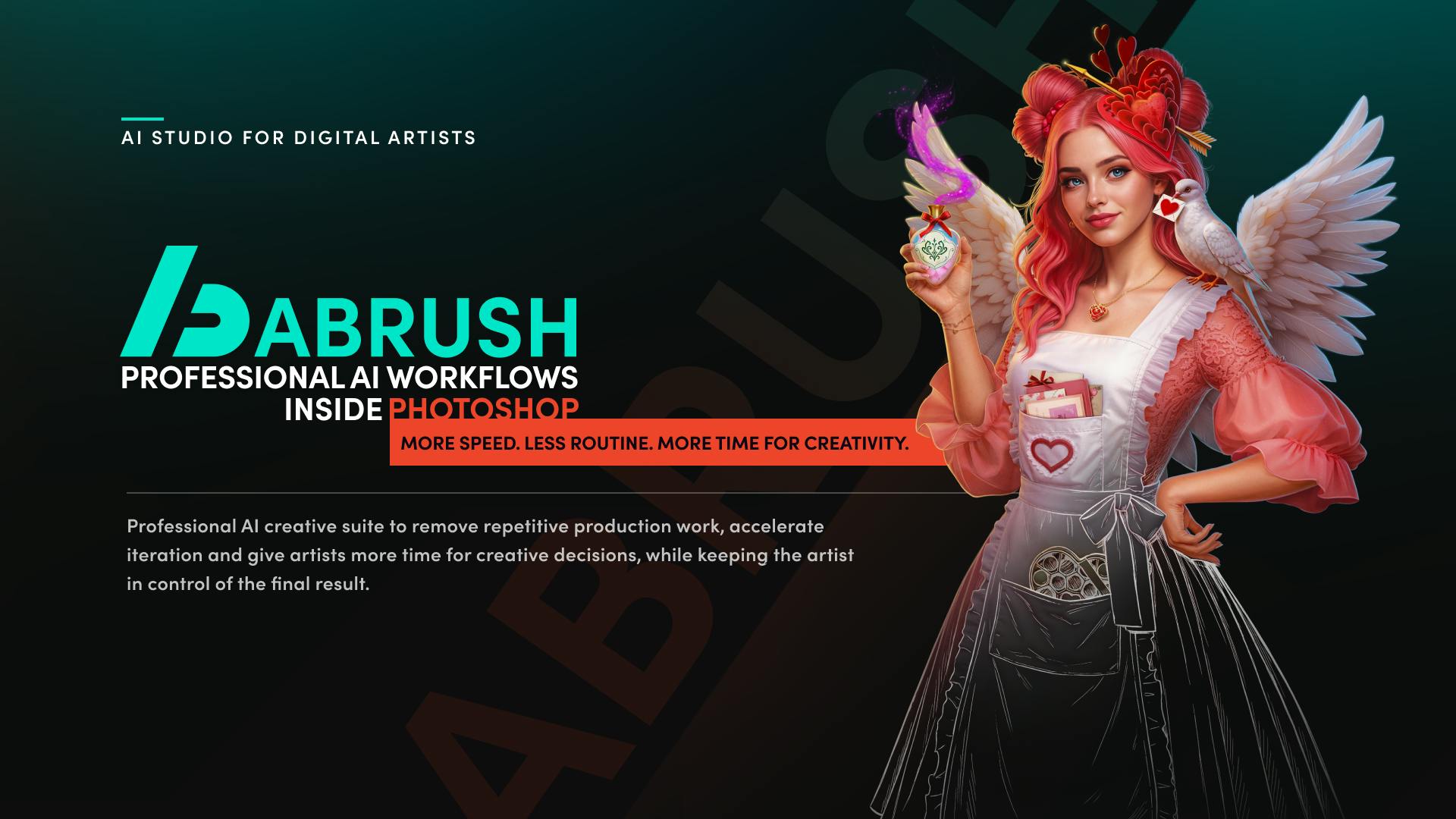
ABrush: An AI Studio Built for Digital Artists
ABrush is an AI studio for digital artists, ranked #4 on Product Hunt. It embeds leading AI models into existing workflows to remove repetitive tasks, speed up iteration, and keep artists in control.
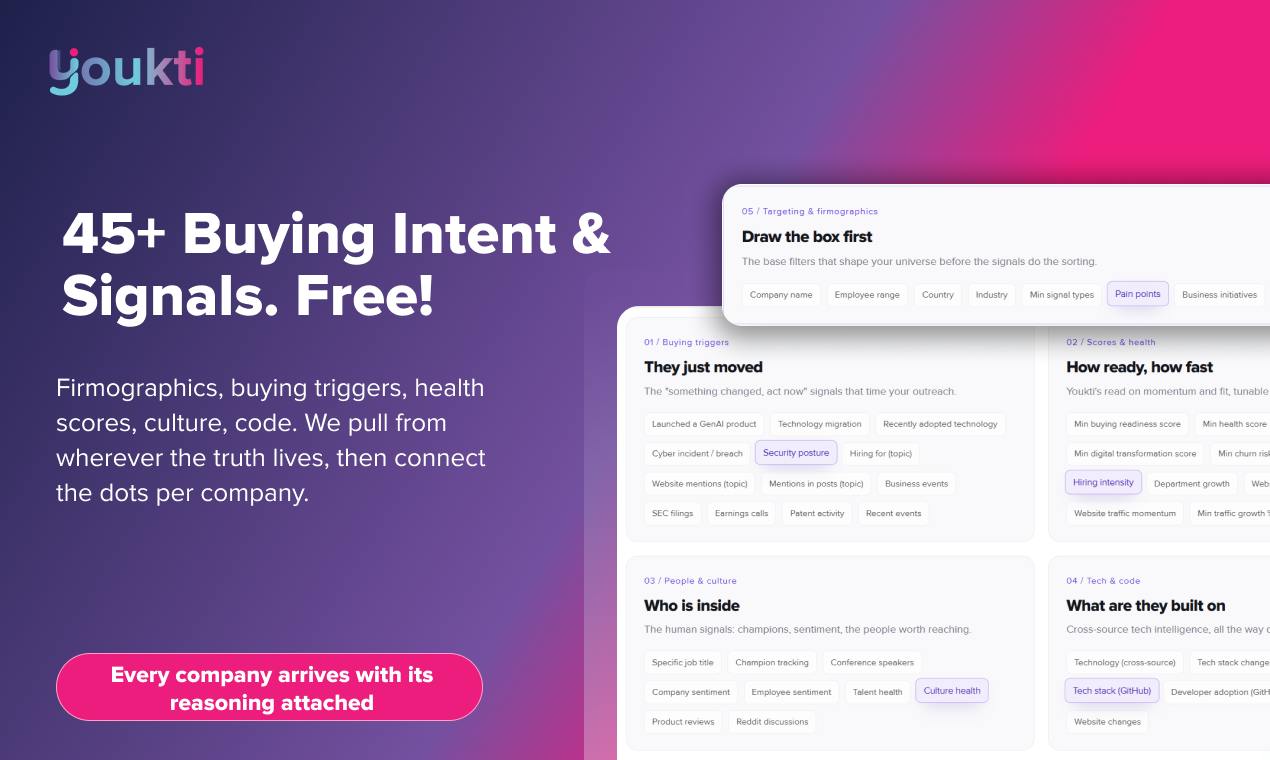
Youkti: An AI That Remembers Every Deal and Tells Your Sales Team What to Do Next
Youkti is an AI sales assistant that hit #2 on Product Hunt. It remembers every account, conversation, and deal — then tells your team exactly what to do next. Contact data, buying signals, and intent data are all free.