Lion King Growth Documentary: The Royal Journey of National Geographic's Lion Cub Keo

National Geographic follows lion cub Keo's real journey from helpless cub to lion king.
This National Geographic documentary chronicles the true story of Keo, a lion cub whose name means "Bloodline," as he faces the brutal trials of the African savanna on his path to becoming king. Through authentic wildlife footage and a classic hero's journey narrative, the film explores survival, combat, and leadership—revealing the universal truth that kingship is earned, never given.
The Eternal Question of Kingship
Stories about kings are as old as time itself. Throughout history, humanity has told legends of rulers rising to power, passing on their legacy, and meeting their downfall. Under the lens of National Geographic, this timeless theme takes on an entirely new dimension—not the court intrigues of human monarchs, but the real-life journey of a lion on the African savanna.
Tagged #NatGeoLion, this nature documentary trains its cameras on a young lion cub named Keo (meaning "Bloodline"), seeking to answer a deceptively simple yet profoundly meaningful question: What does it truly take to be king?
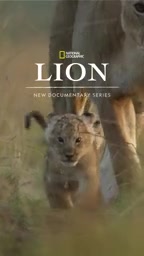
Enter the Protagonist: The Fateful Beginnings of Lion Cub Keo
The documentary's protagonist is a lion cub named Keo. His name alone carries narrative weight—"Bloodline." In the world of lion prides, bloodline signifies inheritance, status, and responsibility, laying the groundwork for a story steeped in destiny.
Anthropomorphizing animals and assigning them a "royal destiny" is a signature technique of top-tier nature documentaries like those from National Geographic. Rather than merely recording animal behavior, they craft carefully designed storylines that forge emotional connections with the audience. From the very beginning, Keo is positioned as a "future lion king"—a framing that fills viewers with anticipation and concern for his journey.
The Irreplaceable Power of Real Footage
Interestingly, the filmmakers emphasize that this is a "true story." Compared to fictional animations or feature films, real wildlife footage carries an unmatched visceral impact. Behind every shot lies hours of patient waiting and tracking by the production team. This "authenticity" is the very essence of what makes nature documentaries so deeply moving.
The Narrative Turning Point: A Critical Moment in a Young Lion's Life
"But his life is about to change."—This line of narration marks the pivotal turning point of the entire documentary.
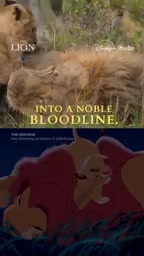
For a wild lion, growing up means leaving the safety of a mother's protection and facing the savanna's brutal challenges alone: hunger, competition, threats from other predators, and power shifts within the pride. This "turning point in life" is a rite of passage every wild animal must endure, and it forms the most gripping segment of the documentary.
Through suspenseful narration, the filmmakers successfully build tension, making viewers realize that what lies ahead for Keo is not merely physical growth, but a profound transformation of spirit and capability.
The Trials of a King: From Cub to True Lion King
The documentary's central theme is reiterated at its conclusion: Keo is "about to learn what it takes, a real king."
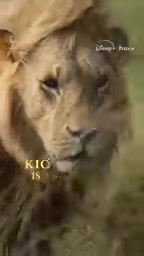
In the social structure of a lion pride, kingship is not a birthright—it must be earned through a series of trials. These include:
- Survival skills: Learning to hunt, enduring hunger, and withstanding harsh environments
- Combat prowess: Winning status through confrontations with rivals
- Leadership: Protecting the pride, defending territory, and ensuring the continuation of the bloodline
This coming-of-age narrative resonates across species because it reflects a universal truth: A king's throne is never given—it is won through hardship and trial.
The Art of Nature Documentary Storytelling: Why the Lion King's Story Moves Us So Deeply
From this preview content, we can glimpse the storytelling essence of modern nature documentaries: merging authentic wildlife footage with the classic "hero's journey" narrative framework, weaving together scientific observation and emotional storytelling.
Through the story of lion cub Keo, National Geographic shows us that real dramas of survival, legacy, and kingship unfold on the African savanna every single day. These stories need no fictional scripts, because nature itself is the greatest storyteller.
For viewers, following Keo's journey is not just a visual feast—it is a profound lesson in life, courage, and responsibility. And that is precisely what gives top-tier nature documentaries their enduring appeal.
Related articles

Understanding DeepSeek in 3 Minutes: The Rise from a Quant Hedge Fund to an Open-Source AI Leader
DeepSeek's history in 3 minutes: from High-Flyer Quant's compute build-up to V2's MLA inference cost cuts, V3's $5.576M training bill, R1's open-source global shock, and V4 with a $7B Series A.

Local Creative Writing Model Showdown: Fine-tuned Qwen3.8 27B Wins, DeepSeek v4.1 Underwhelms
Bilibili creator tests seven local creative writing models: Hemingway and HumanLike Chat based on Qwen3.8 27B perform best, DeepSeek v4.1 is plain, Dongfang Shuo ranks last with confused characters. Includes three test prompts, scores, and usage advice.

Liang Wenfeng's Three Big Bets: Why Did DeepSeek Open-Source Its 82% Gross Margin?
Why did DeepSeek open-source DeepInfer, its 82% gross margin inference framework, and then launch a hundred-billion funding round? An analysis of Liang Wenfeng's three big bets and the open-source strategy.