Looking Back at GPT-2: The AI Milestone Withheld Over Misuse Concerns
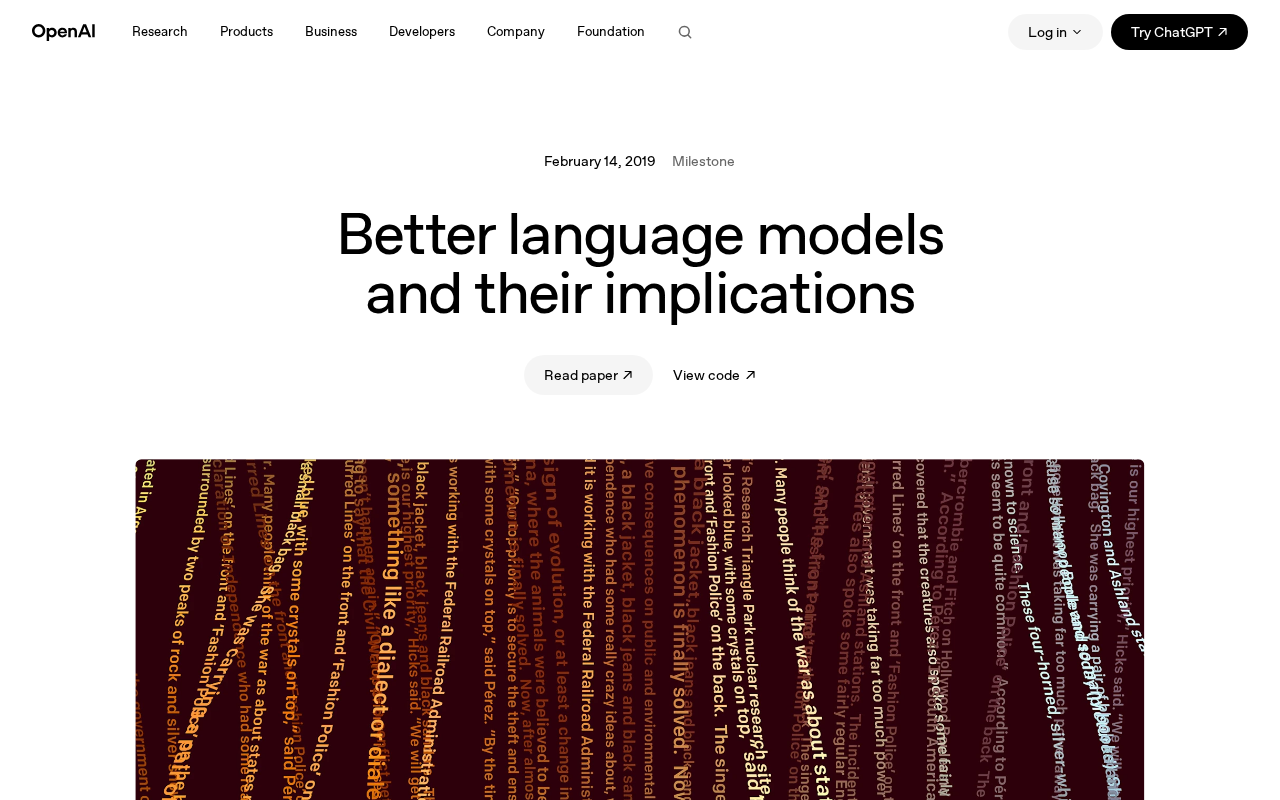
OpenAI's 2019 decision to withhold GPT-2 is being revisited, revealing how much the AI safety debate has evolved.
In 2019, OpenAI chose not to publicly release the full 1.5 billion parameter GPT-2 model, citing risks of disinformation and malicious misuse — opting instead for a staged disclosure strategy. The decision split the tech community: supporters saw it as responsible AI practice, while critics argued that withholding weights was both ineffective (given the public architecture) and a form of manufactured scarcity at odds with OpenAI's name. Now resurfaced on Hacker News, the episode serves as a reminder that the core tension of that era — balancing capability with risk, openness with control — remains at the heart of AI governance, even as the industry's focus has shifted from access restrictions to alignment research, auditing, and systemic consensus-building.
A Old Story Resurfaces
A 2019 post on Hacker News has recently sparked renewed discussion: OpenAI's announcement that it would not fully release the GPT-2 model, citing concerns about malicious use. The thread, which garnered just 43 upvotes and 18 comments at the time, is now being revisited — and it reflects just how dramatically the AI safety conversation has shifted over the past few years.
The decision was controversial in tech circles when it first happened. Some viewed it as a pioneering act of responsible AI development; others dismissed it as a marketing stunt or a betrayal of open-source principles. Regardless of where one stood, GPT-2's "staged release" became an inescapable reference point in any serious discussion of AI risk governance.
What OpenAI Was Worried About
GPT-2 was, at the time, a leading text generation model in terms of parameter scale — capable of producing coherent, natural long-form text. OpenAI initially chose not to release the full 1.5 billion parameter version, citing fears that the technology could be used to generate fake news at scale, spam, phishing content, and text impersonating real individuals.
Behind that stance lay a fundamental question: when a technology's generative capabilities are convincing enough to deceive, should its developers bear preventive responsibility for potential misuse? OpenAI opted for a staged release — publishing smaller model variants first, observing community reactions and real-world risks, then gradually opening up larger weights. This approach of "graduated disclosure" was relatively novel at the time.
Both Sides of the Debate
Supporters argued that caution was warranted in the face of generative AI that could be weaponized. Once text generation technology is exploited for information manipulation, the social costs are hard to quantify — setting a threshold in advance was, they argued, reasonable risk management.
The skeptics were equally vocal. Critics pointed out that the model architecture and training methodology were already public, meaning capable teams could reproduce the results regardless. Withholding the weights, they argued, wouldn't truly prevent misuse — it would only create information asymmetry. Some were more blunt: the move carried a "manufactured scarcity" flavor that sat uneasily with the "Open" in OpenAI's name. The Hacker News comment section largely played out along these two lines.
Looking Back at the Decision Today
Viewed from the present, the GPT-2 controversy feels both prescient and slightly naive. Prescient, because OpenAI did anticipate the risks of generative AI in the disinformation space — concerns that became very real issues once large language models went mainstream. Naive, because as model capabilities grew exponentially, the idea of controlling risk simply by "not releasing" quickly proved unsustainable.
Subsequent developments bore this out: far more powerful models were made available to the public through APIs, commercial products, and open-source releases. The industry's focus shifted from "whether to release" to "how to align, audit, and govern after release." In that sense, GPT-2's withheld launch was an early dress rehearsal for the AI safety debates that followed.
Why This Old Story Still Matters
The fact that this quiet old thread has resurfaced isn't mere nostalgia. It reminds us that the core of that original debate — balancing capability against risk, weighing openness against control — remains central to AI governance today.
Every leap in model capability reignites that debate. The GPT-2 case offers a historical reference point: anticipating technological risk matters, but truly effective governance ultimately depends on sustained alignment research, transparent evaluation mechanisms, and industry-wide consensus — not simply "locking things away." That may be the most valuable takeaway this low-key old post leaves for the field.
Related articles
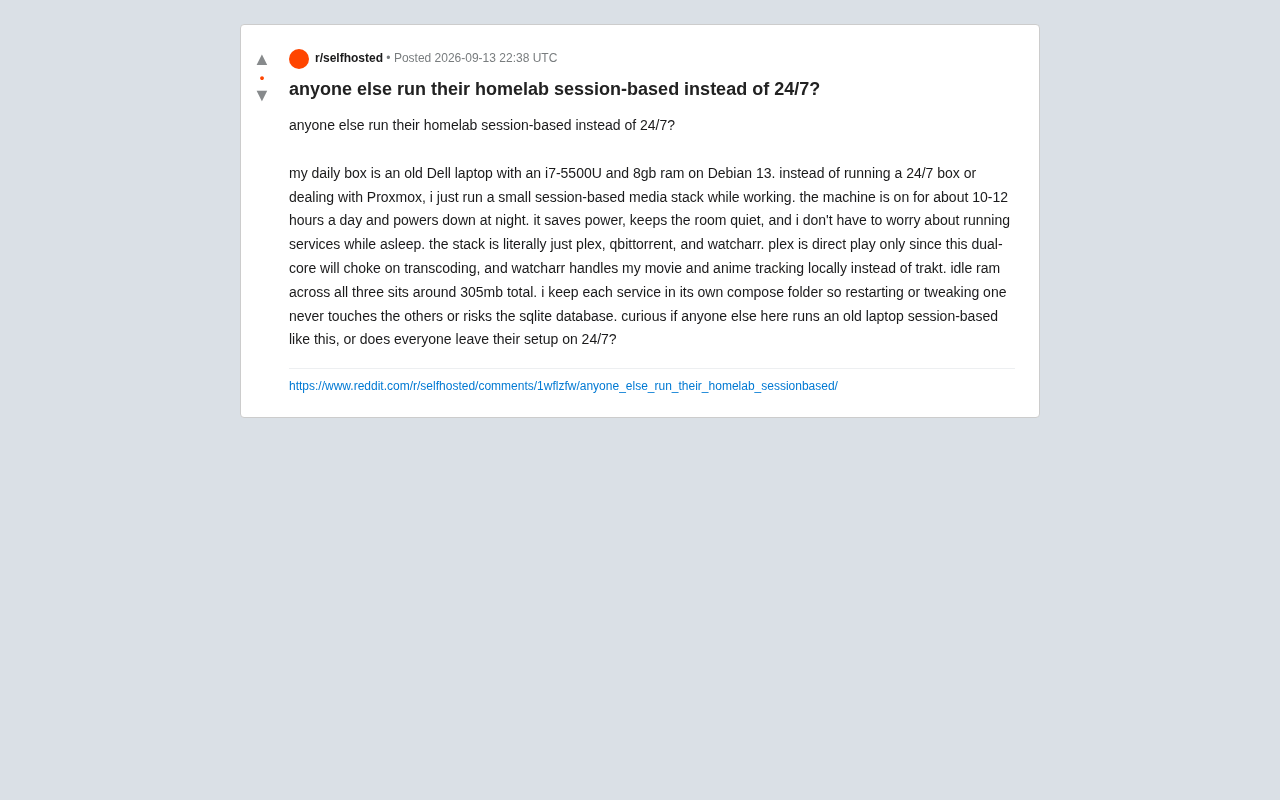
Session-Based Home Server: Running a Low-Power Homelab on an Old Laptop
A Reddit user runs Plex, qBittorrent, and Watcharr on a 10-year-old laptop for just 10–12 hrs/day, using only 305MB RAM idle. Exploring session-based vs. 24/7 Homelab trade-offs.

OpenAI Launches ChatGPT for Financial Services: Built-in Financial Data + GPT-6 Reasoning
OpenAI launches ChatGPT for Financial Services, combining built-in financial data with GPT-6 Astra reasoning to support research, financial modeling, and client materials for financial institutions.
When AI Controls Your Credit Card: The Hidden Risks of Autonomous Payments
When AI agents gain credit card access, hidden dangers emerge: vague authorization, prompt injection attacks, and unclear liability. Learn the real risks and how to stay protected.