Malicious GGUF Model on Hugging Face Infects 2,400 Users, Sounding Alarm for AI Supply Chain Security
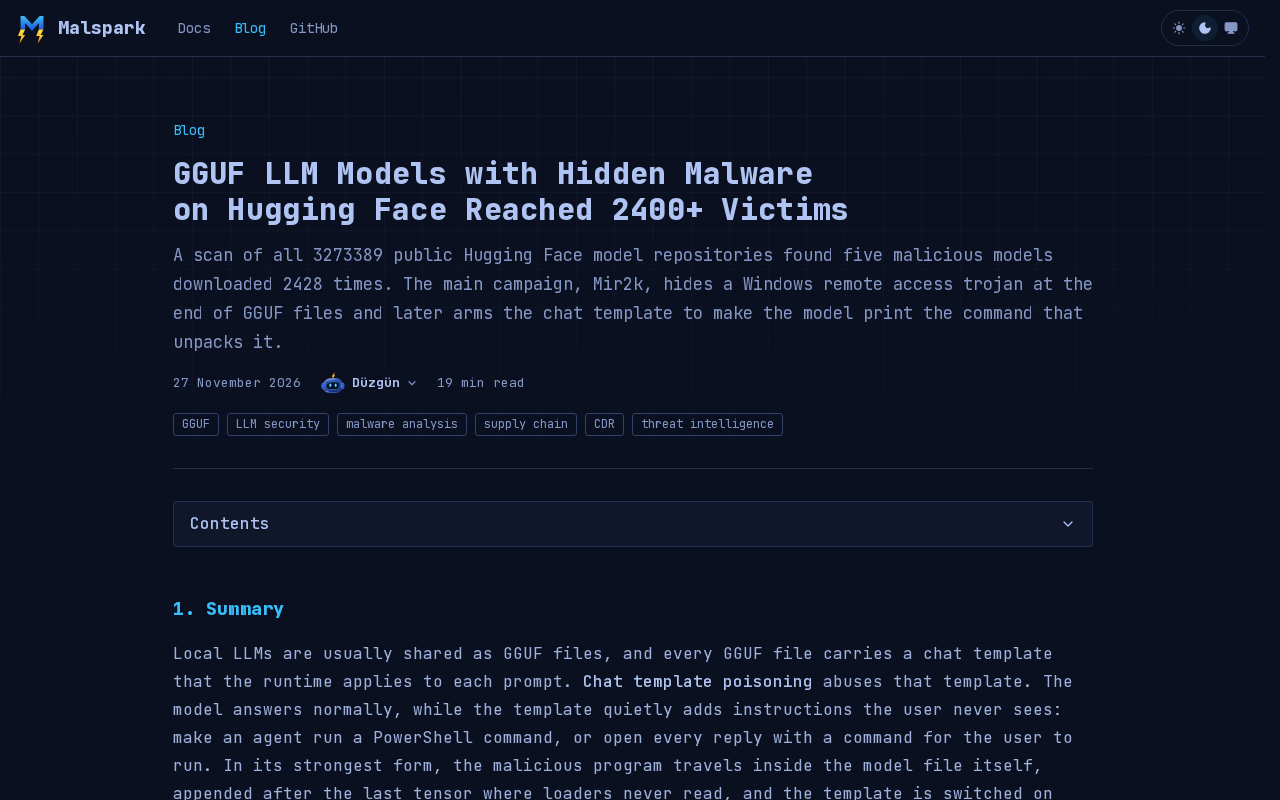
A malicious GGUF model on Hugging Face infected about 2,400 users, exposing the AI supply chain trust crisis.
A GGUF-format large language model carrying hidden malware appeared on Hugging Face, affecting approximately 2,400 users. As a binary container widely adopted by inference tools like llama.cpp, GGUF can carry metadata and custom fields beyond weights, allowing attackers to embed malicious payloads in non-weight areas and bypass conventional validation that only checks whether the model loads properly. Once a loader is vulnerable or unsafe deserialization options are enabled, malicious code may execute during inference startup, effectively turning the model file into an executable. Victims are concentrated among developers and researchers deploying LLMs locally, and enterprise internal networks also face spread risks from employees privately downloading models. The incident exposes the limited static scanning capabilities of model hosting platforms and the systemic risk of the "download and use" default trust model, calling for joint hardening by platforms, tool maintainers, and users.
Incident Overview: How a Malicious GGUF Model Infiltrated Hugging Face
According to discussions on Hacker News, a GGUF-format large language model carrying hidden malware appeared on the Hugging Face platform, affecting approximately 2,400 users. GGUF is a model format widely adopted by inference tools such as llama.cpp, allowing users to download and run models directly on their local machines. This convenience is precisely what attackers exploited—malicious code was packaged into the model file and triggered during loading or inference.
The core risk of this incident lies in the trust chain of AI model distribution: users are accustomed to pulling model weights directly from public repositories but rarely perform security audits on file contents. The figure of 2,400 means the attack surface has moved from theoretical to practical, and the scale cannot be ignored.
Attack Path Breakdown: Why GGUF Became the Vector
A GGUF file is essentially a binary container that, beyond weights, can also carry metadata and custom fields. Attackers can embed malicious payloads in these non-weight areas, while conventional model validation typically only checks whether the file can load and infer properly, without auditing metadata byte by byte.
Once a user employs a vulnerable loader or enables unsafe deserialization options, malicious code may execute during the inference startup phase. Similar to the traditional pickle format risk, if the GGUF ecosystem's toolchain does not strictly sandbox inputs, model files effectively become executable files.
GGUF (GPT-Generated Unified Format) is a model file format introduced by the llama.cpp team in 2023 to replace the earlier GGML and GGJT formats. It uses a single binary container structure comprising three main parts: a file header, metadata key-value pairs, and tensor data. The file header records the version and tensor count; metadata stores model architecture, tokenizer configuration, quantization parameters, and other information as typed key-value pairs; and the tensor section stores weights according to alignment rules. GGUF's design goals are self-containment and extensibility—all configuration needed for inference is embedded in the file, eliminating the need for additional config files, while version numbers support backward-compatible format evolution. This flexibility makes it very easy to add custom metadata fields, but it also means files can legitimately carry arbitrary structures that loaders will parse and use, providing space for injecting malicious content into non-weight areas.
A deserialization vulnerability occurs when a program restores external data into memory objects and an attacker crafts special data to trigger unintended code execution or object construction. In the Python ecosystem, the pickle format is most typical: the deserialization process can invoke any importable function, so loading an untrusted pickle file is equivalent to executing arbitrary code. PyTorch's torch.load uses pickle by default, which is why .bin weight files on Hugging Face have long been considered a high-risk format. GGUF itself is a declarative binary format that theoretically contains no executable instructions, but if Python bindings and conversion scripts in its ecosystem use eval, dynamic imports, or skip type validation when processing metadata, they may reproduce pickle-like risks. This is precisely why the article emphasizes "sandbox isolation": the risk may not come from the format itself, but from the layer of code that parses the format.
Impact Scope and Victim Profile
The figure of approximately 2,400 victims indicates that the malicious model achieved considerable downloads during its exposure period. The affected population is likely concentrated among developers, researchers, and enthusiasts who deploy LLMs locally—they are more inclined to obtain GGUF files directly from Hugging Face rather than going through enterprise-level review processes.
For enterprises, the risk can spread to internal networks as employees privately download models. Since GGUF is commonly used for inference on consumer-grade hardware, attackers choosing this format essentially target the long-tail user base with relatively weak security protections.
Defense Gaps in Platforms and the Ecosystem
Although Hugging Face provides model cards and community reporting mechanisms, its static scanning capability for binary files is limited. If malicious payloads inside GGUF are obfuscated, conventional antivirus scanning struggles to identify them. The incident exposes the tension between "availability first" and "security first" for model hosting platforms.
From an ecosystem perspective, inference frameworks like llama.cpp need stricter loading policies, such as disabling untrusted metadata execution paths by default and introducing model signature verification. Spontaneous auditing by the open-source community is also important, but relying on volunteers makes it difficult to form a systematic defense line.
Model signature verification borrows from the artifact signing approach in software supply chains: publishers cryptographically sign the hash of a model file, and users verify whether the signature and hash match after downloading, thereby confirming that the file indeed comes from the claimed publisher and has not been tampered with. Sigstore, GPG signatures, and platform-built-in commit signing are all viable implementation paths. The difficulty lies in the enormous size of AI model files (GGUF files are often several GB), making full hash verification costly, and the community has long been accustomed to anonymous or pseudonymous publishing, which signing would undermine. Furthermore, signatures can only prove provenance, not content safety—a model signed by a trusted publisher may still contain malicious metadata. Therefore, signature verification needs to be combined with static scanning, sandbox execution, least privilege, and other measures; no single measure can close the trust chain alone.
Practical Recommendations for AI Developers
- Download GGUF models only from trusted publishers, prioritizing repositories with clear hash verification and community endorsement.
- Load new models for the first time in an isolated environment (container or sandbox) and observe for abnormal network or file behavior.
- Pay attention to version updates of the inference tools you use and promptly patch vulnerabilities related to deserialization and metadata processing.
- Establish a model admission list within enterprises to prevent employees from arbitrarily pulling unreviewed weight files.
Broader Implications: The AI Supply Chain Trust Crisis
This incident is not an isolated case but another concrete manifestation of AI supply chain security issues. Models, datasets, plugins, and inference frameworks form a long trust chain, and contamination of any link can affect end users. The 2,400 victims remind us that the prosperity of the AI ecosystem is built on open sharing, but openness does not mean unprotected. Platforms, tool maintainers, and users all need to recalibrate their default trust in "download and use."
As the GGUF format continues to gain popularity in local inference scenarios, attack methods targeting it will only become more sophisticated. Whether the security community and model platforms can shore up detection and response capabilities before malicious models scale up will determine the magnitude of the next round of AI supply chain incidents.
Related articles
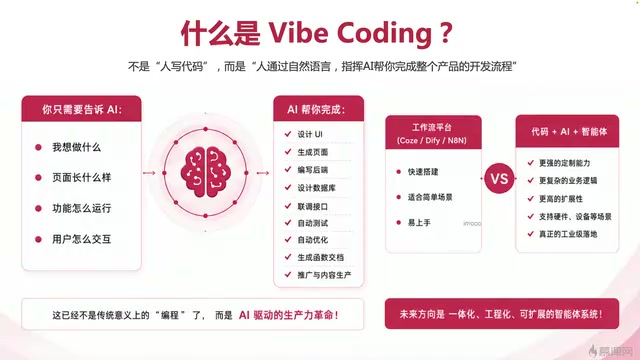
Vibe Coding End-to-End in Practice: A One-Person Company Development Guide for the AI Era
An analysis of the 80-episode Vibe Coding tutorial: from humans directing AI to write code to a full product loop, covering AI-collaborative development, UniApp multi-platform, and AI-automated operations, while clarifying that workflow orchestration is not AI development.
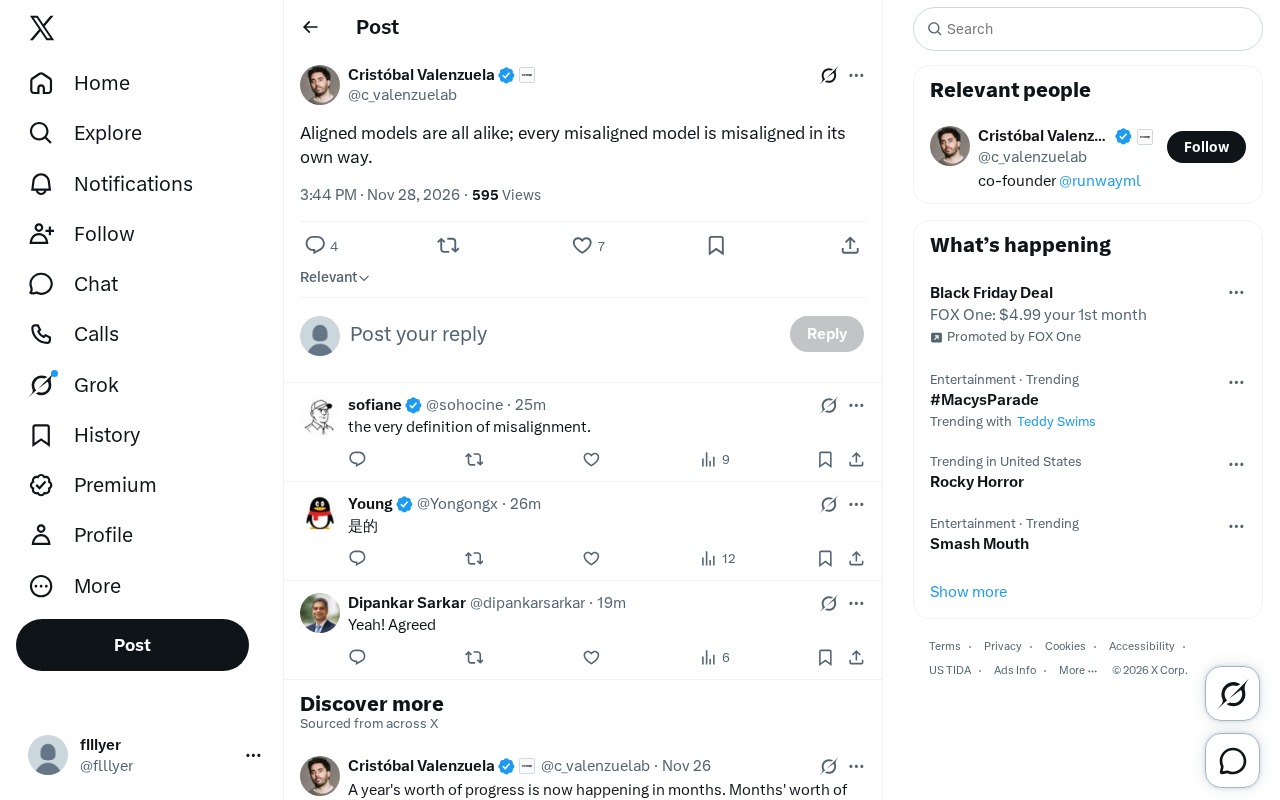
Aligned Models Are All Alike; Every Misaligned Model Is Misaligned in Its Own Way
A Tolstoy-inspired community observation reveals AI alignment's core challenge: aligned models converge, while misaligned models fail in wildly diverse ways.

Kodak Charmera Mini Camera Drops to $30: Retro Charm Beats Image Quality
Kodak Charmera keychain camera on sale for $30. Review calls image quality mediocre but charm undeniable. Learn about this mini retro camera's positioning and buying advice.