Massachusetts Clean Energy Rules for Data Centers: Regulatory Trends and Industry Impact

Massachusetts joins a growing wave of U.S. states mandating clean energy for data centers, reshaping tech industry strategy.
Massachusetts has become the third U.S. state in under three months to impose new restrictions on data center development, signaling that clean energy regulation is evolving from isolated local policy into a national trend. Explosive growth in AI workloads means a single large data center can draw hundreds of megawatts, straining local grids and carbon reduction goals. The new rules will force cloud providers and tech giants to rethink site selection and factor clean energy availability into core decisions, while accelerating PPA adoption, SMR deployment, and data center energy efficiency improvements.
U.S. Data Center Regulation Is Accelerating
Massachusetts has become the third U.S. state in less than three months to impose new restrictions on data center development. This regulatory momentum reflects growing concern among state governments over data center energy consumption. As demand for AI computing surges, the power requirements of data centers have become a significant challenge for local electrical grids.
Policy Background: Clean Energy Requirements for Data Centers
The new Massachusetts regulations primarily target clean energy use by data centers. While the full policy details have not yet been disclosed, the move fits into a clear regulatory pattern emerging alongside recent actions in other states. As major energy consumers, data centers can no longer avoid scrutiny over their carbon emissions and grid load.
With AI training and inference workloads growing rapidly, a single large data center can consume hundreds of megawatts of electricity — comparable to the energy needs of a small to mid-sized city. This poses a real challenge both to local grid stability and to renewable energy transition goals.
Impact on the Tech Industry
The new rules will directly affect how tech giants and cloud providers approach data center site selection. When choosing locations, companies must now factor clean energy availability and compliance costs into their decision-making frameworks — alongside land costs, network connectivity, and tax incentives.
This policy shift is likely to push data center operators to:
- Invest more heavily in on-site renewable energy infrastructure
- Procure additional clean energy through Power Purchase Agreements (PPAs)
- Improve data center energy efficiency to reduce power consumption per unit of compute
- Reassess expansion plans in states with stricter regulatory environments
Industry Response and Long-Term Trends
Over the long term, clean energy requirements may become the new normal for the data center industry. Leading tech companies are already taking proactive steps — Google, Microsoft, and Amazon have all committed to achieving carbon neutrality or carbon negativity in the future. Massachusetts' new rules effectively convert these voluntary pledges into mandatory obligations.
This regulatory trend also creates market incentives for clean energy technology innovation. Solutions such as small modular reactors (SMRs), energy storage systems, and high-efficiency cooling technologies may see expanded opportunities as a result. At the same time, data center operators will place greater emphasis on energy efficiency for AI workloads, driving advances in green computing at both the algorithm and hardware levels.
Related articles
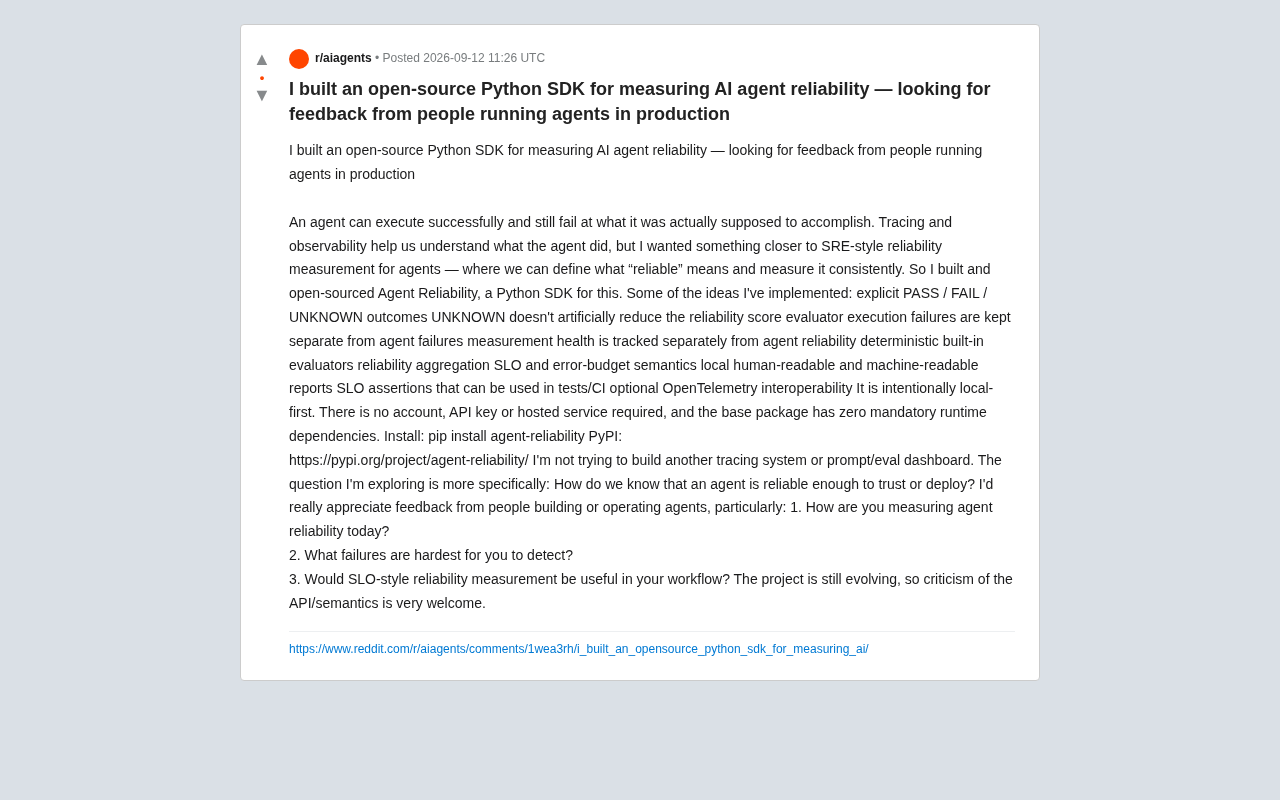
Open-Source Python SDK: Measuring AI Agent Reliability with SRE Principles
Agent Reliability is an open-source Python SDK that applies SRE's SLO and error budget concepts to AI Agent evaluation, with PASS/FAIL/UNKNOWN states, CI assertions, and zero forced dependencies.
MiniMax RefMod: A Complete Guide to Training-Free Reusable Identity Workflows
MiniMax RefMod offers training-free reusable identity workflows for image, video, and audio generation. Includes Runpod template and tutorial for quick setup.

Invalid Source Material Notice
The source material provided lacks substantive information and is unrelated to AI/tech topics, making it impossible to produce a complete professional article.