Microsoft Releases 37-Page 'Humanist AI Code of Conduct': People Matter More Than AI
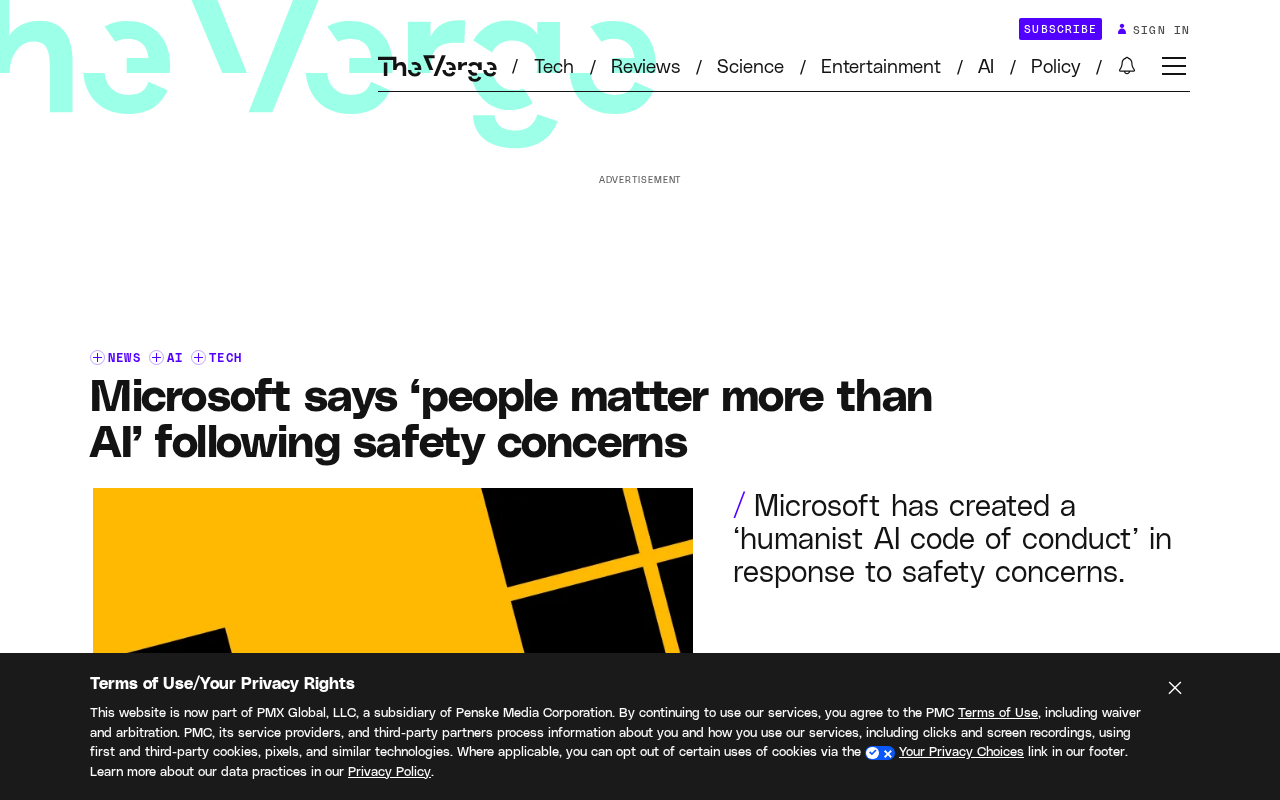
Microsoft's 37-page humanist AI code signals a new phase in AI governance as safety concerns intensify.
Microsoft has released a 37-page "humanist AI code of conduct" centered on the principle that "people matter more than AI." This came as Anthropic CEO Dario Amodei called for coordinated industry slowdowns in AI development, and researchers warned that model capabilities are advancing faster than our ability to safely deploy them. As a major OpenAI investor, Microsoft is using a humanist framework to balance commercial competition with public trust. Observers will be watching whether these principles translate into real product constraints and whether other companies follow suit.
Microsoft Stakes Out a 'Humanist AI' Position
As safety concerns mount over the breakneck pace of AI model development, Microsoft has chosen to make its position public. The company released a 37-page "humanist AI code of conduct," with a clear and direct core message: "people matter more than AI."
The timing of this document is telling. It arrives at a pivotal moment when the entire industry is beginning to re-examine the tension between the speed of AI advancement and our ability to deploy it safely. Through this, Microsoft aims to signal that as a heavyweight player in AI, it isn't solely focused on winning the technology race — it's also thinking about the fundamental principle that technology should serve people.
The Industry Safety Context
Microsoft's code of conduct isn't an isolated move — it's a response to the ongoing AI safety debate. Just this past weekend, Anthropic CEO Dario Amodei publicly called for coordinated industry-wide slowdowns in AI development. Coming from a leader at the forefront of frontier model development, that statement carries real weight.
Behind Amodei's appeal are recent warnings from researchers: the pace of AI model advancement may be outstripping our ability to safely deploy these increasingly complex systems, as well as our capacity to verify their behavioral reliability. In short, models are getting more powerful, but whether our understanding and control of them is keeping pace remains an open question.
The Race Between Capability and Safety
This concern that "capability is outrunning safety" sits at the heart of current AI governance discussions. As system complexity climbs rapidly, traditional methods of testing, verification, and oversight may struggle to keep up with emerging risks. Amodei's call for a "coordinated slowdown" is essentially a plea to buy safety research the time it needs to catch up.
Microsoft's Positioning and What It Signals
As a major investor in OpenAI and a driver of its own AI product lines, Microsoft's stance in this conversation carries significant weight. Choosing to frame things around "humanism" and laying out a code of conduct across 37 pages reflects how large tech companies are trying to strike a balance between fierce commercial competition and public trust.
The slogan-like phrase "people matter more than AI" points to a human-centered technological ethics position. It functions both as external public communication and as an internal value framework constraining product development and deployment practices. When peers are calling for slowdowns and researchers are sounding alarms, Microsoft responds with a systematic code of conduct — a gesture that demonstrates a commitment to governance.
What to Watch Next
The real value of codes of conduct like this ultimately depends on how thoroughly they're implemented. Whether a document translates into actual constraints in product design — and whether those constraints hold under commercial pressure — is the true test of its worth. Industry observers will be watching closely to see how Microsoft embeds these principles into concrete AI system development processes, and whether other companies follow with similar public commitments.
Summary
Microsoft's release of a "humanist AI code of conduct," alongside Anthropic's call to slow development and researchers' safety warnings, collectively mark an important inflection point in the AI industry: how to ensure safe deployment and prioritize human values while pushing the limits of capability is becoming an unavoidable issue for leading players. The debate over "moving fast versus moving responsibly" is only just beginning.
Related articles
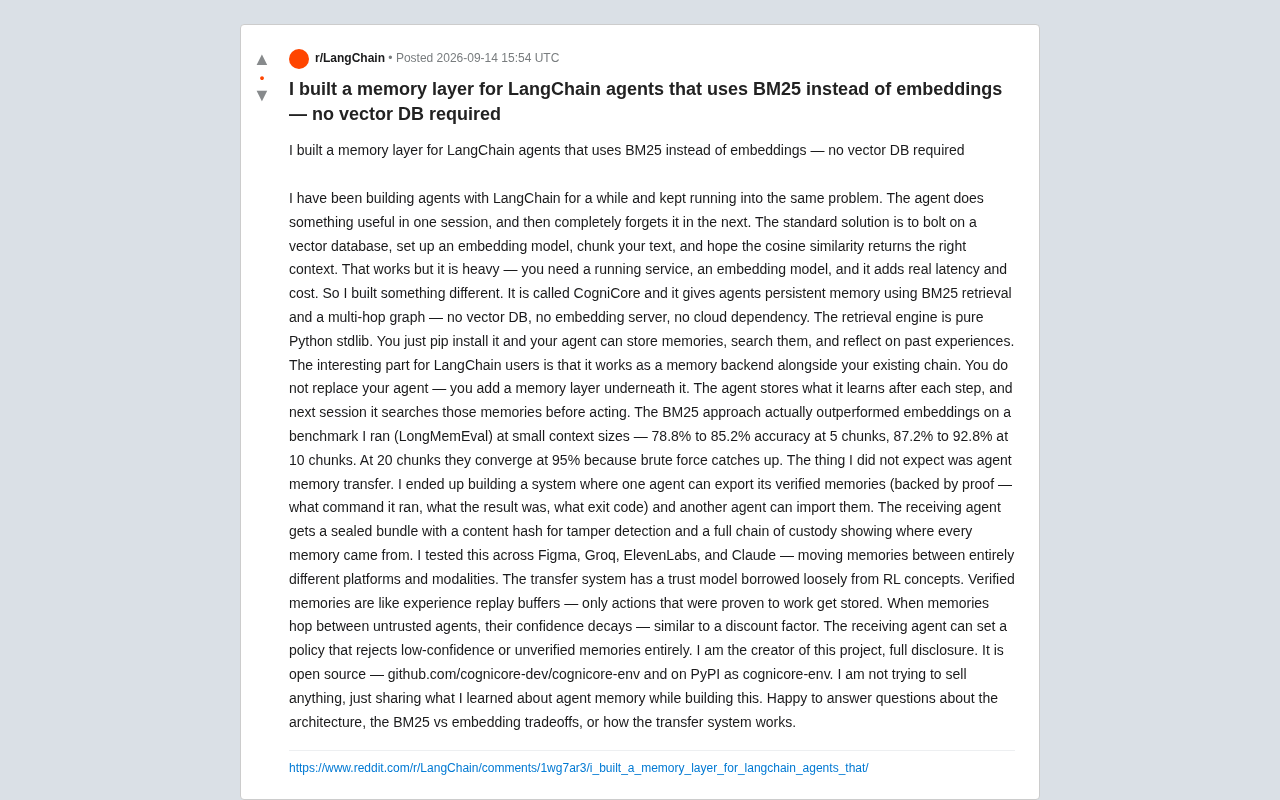
Ditch the Vector Database: Building a Memory Layer for LangChain Agents with BM25
CogniCore replaces vector databases with BM25 retrieval for LangChain agent memory, outperforming embeddings in small-context benchmarks with zero external dependencies.
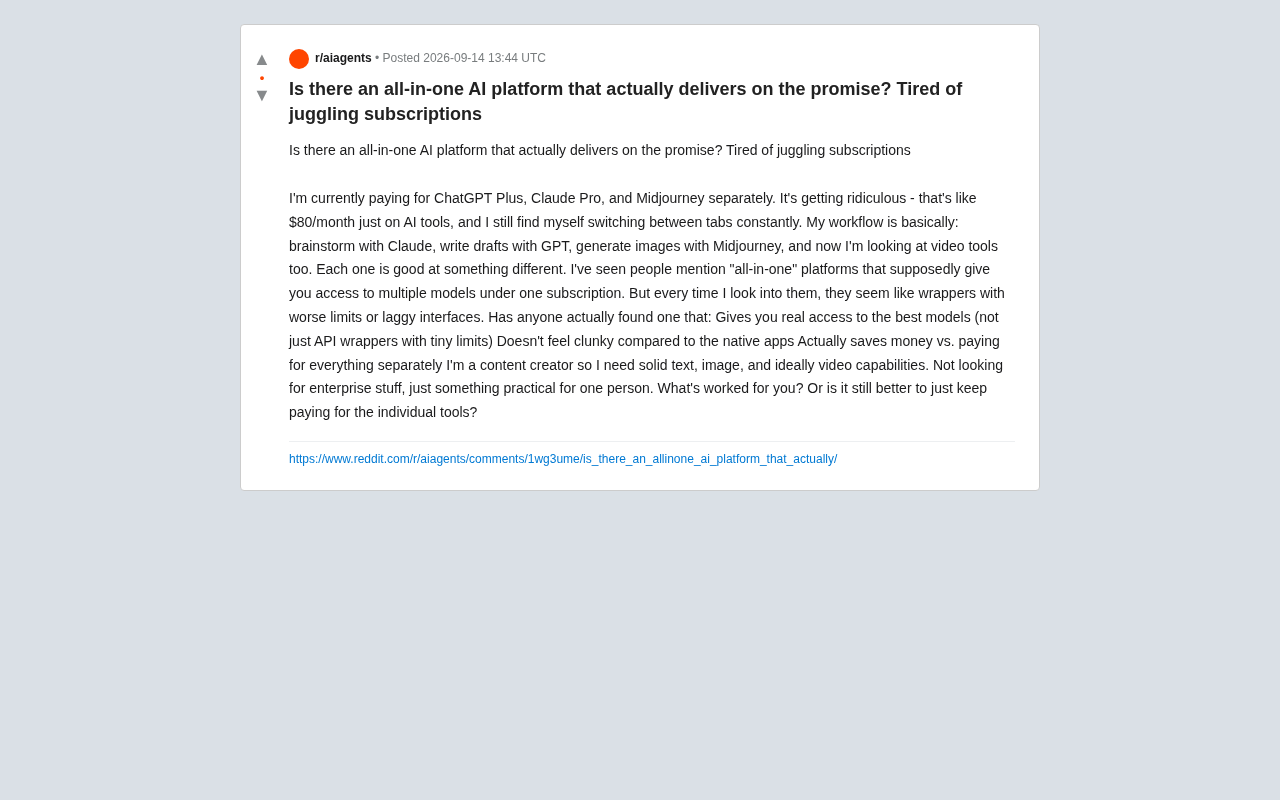
Are All-in-One AI Platforms Actually Worth It? A Practical Guide to Escaping Subscription Overload
Tired of paying for ChatGPT, Claude, and Midjourney separately? We break down whether all-in-one AI platforms are actually worth it — and what a smarter subscription stack looks like.
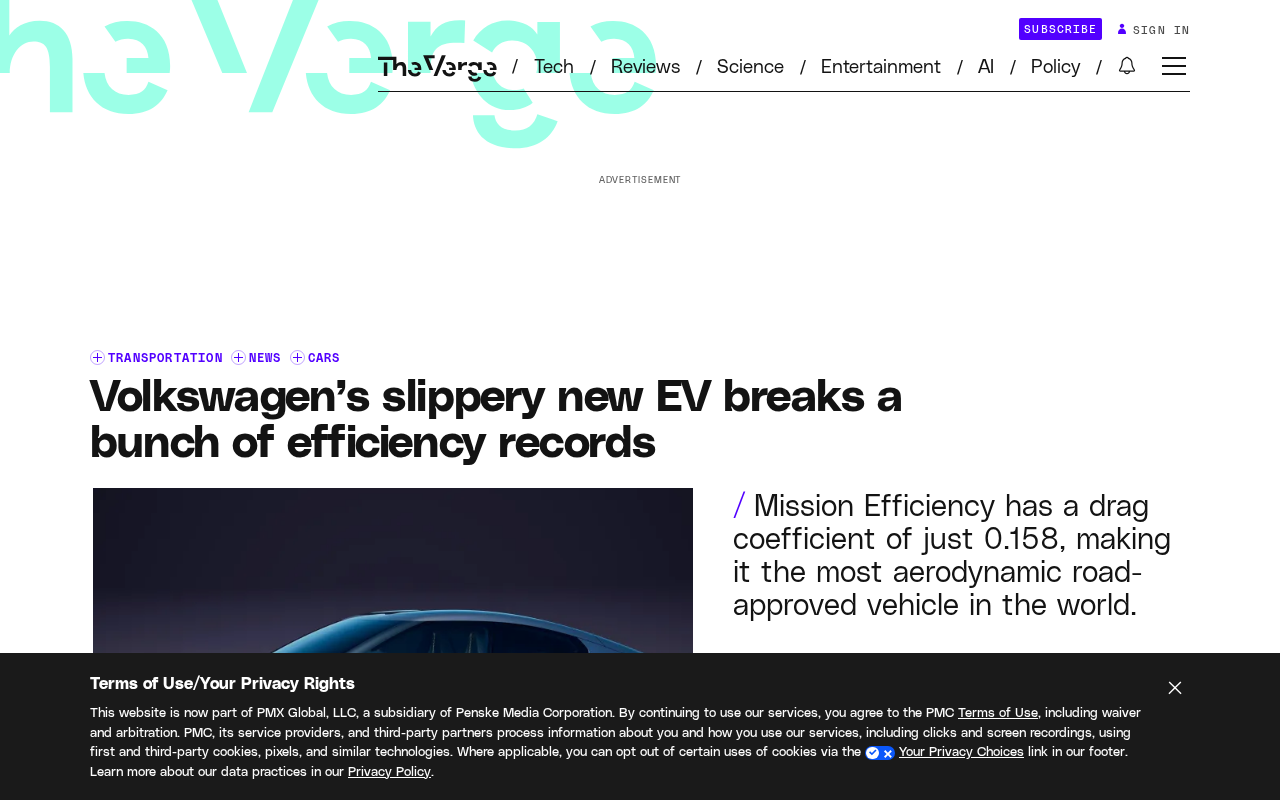
Volkswagen Mission Efficiency: The World's Lowest-Drag EV Breaks Multiple Efficiency Records
Volkswagen's Mission Efficiency prototype claims the world's lowest drag coefficient, built on MEB+ platform with ID. Polo and ID. Cross components. Here's what it means for EV efficiency.