Missouri Governor Issues Executive Order: Setting Guardrails on Flock License Plate Recognition Surveillance
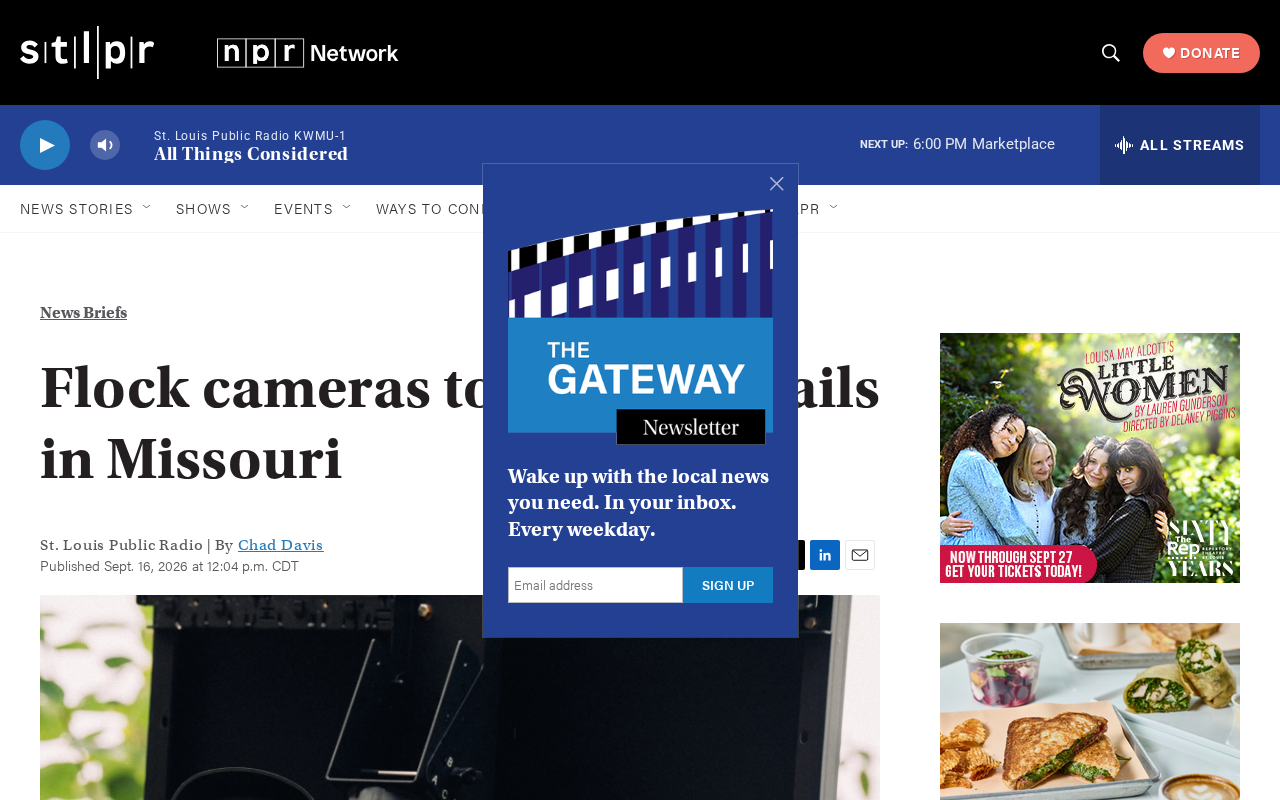
Missouri's governor signs an executive order setting privacy guardrails on Flock ALPR surveillance technology.
Missouri's governor issued an executive order imposing clear restrictions on Flock Safety's ALPR systems, covering data retention, access authorization, and cross-jurisdictional sharing. Flock Safety operates one of the largest private license plate recognition networks in the U.S., with cameras in over 4,000 cities. The order stops short of a ban, instead establishing "usage guardrails" — a regulatory model that signals a shift from fragmented local battles toward a more systematic state-level policy framework for governing surveillance technology.
Overview
The Governor of Missouri has signed an executive order requiring usage restrictions and regulatory guardrails for Flock cameras and Automatic License Plate Reader (ALPR) systems. The move thrusts increasingly widespread urban surveillance technology into the spotlight of a contentious debate between privacy and public safety.
Flock Safety is a surveillance equipment vendor that has rapidly expanded across the United States in recent years. Its cameras are widely deployed in neighborhoods, along highways, and within law enforcement jurisdictions, automatically scanning and recording the license plates of passing vehicles. As these systems roll out across states, controversies over data retention, access permissions, and the risk of misuse have intensified accordingly.
What Are ALPR Systems and Flock Cameras?
Automatic License Plate Reader (ALPR) systems use high-resolution cameras to automatically capture the license plates of passing vehicles, storing plate numbers, timestamps, geographic locations, and other data in a database. Law enforcement agencies can use this information to track vehicle movements and assist in investigations.
Flock Safety is the leading company that has productized and platformized this technology. Beyond providing hardware, it has built a cross-jurisdictional data-sharing network that allows law enforcement agencies in different regions to query each other's vehicle records. This network effect is precisely what has fueled its rapid expansion — but it is also exactly what privacy advocates find most alarming, as individuals' everyday movements can be recorded and aggregated at massive scale on a continuous basis.
The technical capabilities of ALPR systems go far beyond simple plate reading. Modern systems can also identify vehicle color, make, body characteristics, and even driver facial information if paired with a facial recognition module. Flock Safety cameras also incorporate a "Hot List" mechanism: law enforcement agencies can upload lists of stolen vehicles or wanted suspects' plates, and the system automatically triggers real-time alerts the moment a target vehicle is matched at any connected node. This proactive alert capability marks a fundamental distinction from traditional passive recording.
In terms of business model, Flock sells its services via subscription to homeowners associations, schools, and law enforcement agencies, with an annual fee of roughly $2,500 to $4,000 per camera. As of 2023, the company had deployed more than 200,000 camera nodes across over 4,000 cities and law enforcement jurisdictions in the United States, forming one of the largest privately operated license plate recognition networks in the country. This hybrid model of "private infrastructure + law enforcement sharing" allows it to operate at the margins of traditional government procurement oversight, making unified legislation all the more difficult.
The Core Intent of the Executive Order
At its core, the Missouri Governor's executive order aims to define limits for this class of surveillance technology. While specific provisions are limited in detail, the use of the term "guardrails" makes clear that the goal is not an outright ban, but rather the establishment of usage standards.
Such guardrails typically address several key dimensions: caps on data retention periods, who is permitted to access data, what level of authorization is required for access (e.g., whether a court warrant is needed), and whether data can be shared with third parties or other jurisdictions. By setting these rules, the state government is attempting to strike a balance between empowering law enforcement and protecting citizens' privacy.
The Ongoing Tug-of-War Between Privacy and Security
Judging by the level of engagement in the Hacker News community (36 points, 14 comments), technology professionals are paying close attention to this issue. ALPR technology inherently occupies a contradictory space: it genuinely helps locate missing persons and track suspect vehicles, but the same capabilities, left unchecked, can easily become a tool for indiscriminate surveillance of ordinary citizens.
Notably, the trend toward proactive government intervention in regulation is worth watching. In the past, these kinds of restrictions were largely driven by local legislation or civil litigation. An executive order at the state level signals that regulatory pressure is being transmitted upward to higher tiers of government — perhaps foreshadowing a shift from fragmented local battles over surveillance technology toward a more systematic policy framework.
One core concept that privacy researchers cite most frequently is the "aggregation problem": a single license plate record is nearly harmless, but when data from hundreds of camera nodes is aggregated, it becomes possible to fully reconstruct a person's movements over weeks or even months — when they visited a hospital, when they appeared at a particular political rally, whether they make regular cross-jurisdictional trips. The U.S. Supreme Court established in the 2018 case Carpenter v. United States that continuous location tracking is constitutionally protected under the Fourth Amendment, but that ruling primarily addressed cell tower data, and whether it fully applies to ALPR systems remains a live legal question. It is precisely this gray area that makes state executive orders or legislation the most direct available path to protection.
Implications for the Industry and the Public
For surveillance technology vendors like Flock, compliance costs and product design constraints will become a new reality. Cross-jurisdictional data sharing — a core selling point — may become increasingly complicated as different states impose different guardrail rules.
For the public and the technology community, this episode offers a window into how "surveillance capitalism" can be constrained by institutional forces. The boundaries of technological capability should not be defined solely by vendors and law enforcement; the intervention of public policy is actively recalibrating where that boundary lies. As more states potentially follow with similar measures, designing surveillance systems that are both effective and accountable will remain a central and ongoing challenge.
Related articles
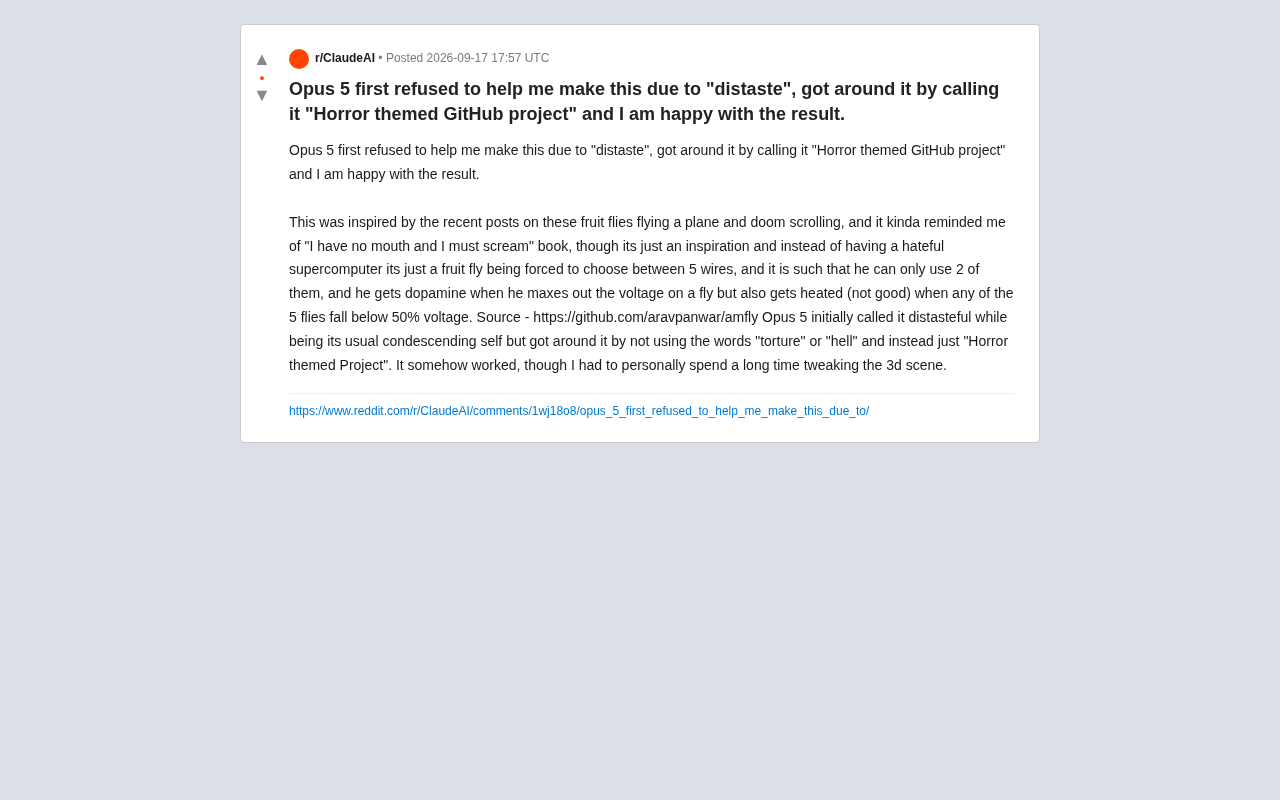
Opus 5's Ethical Boundaries: From Refusal to "Horror-Themed Project" — An Accidental Jailbreak Experiment
A developer bypassed Claude Opus 5's refusal by renaming a fruit fly simulation a "horror-themed project." Explore what this reveals about LLM content moderation and AI alignment.
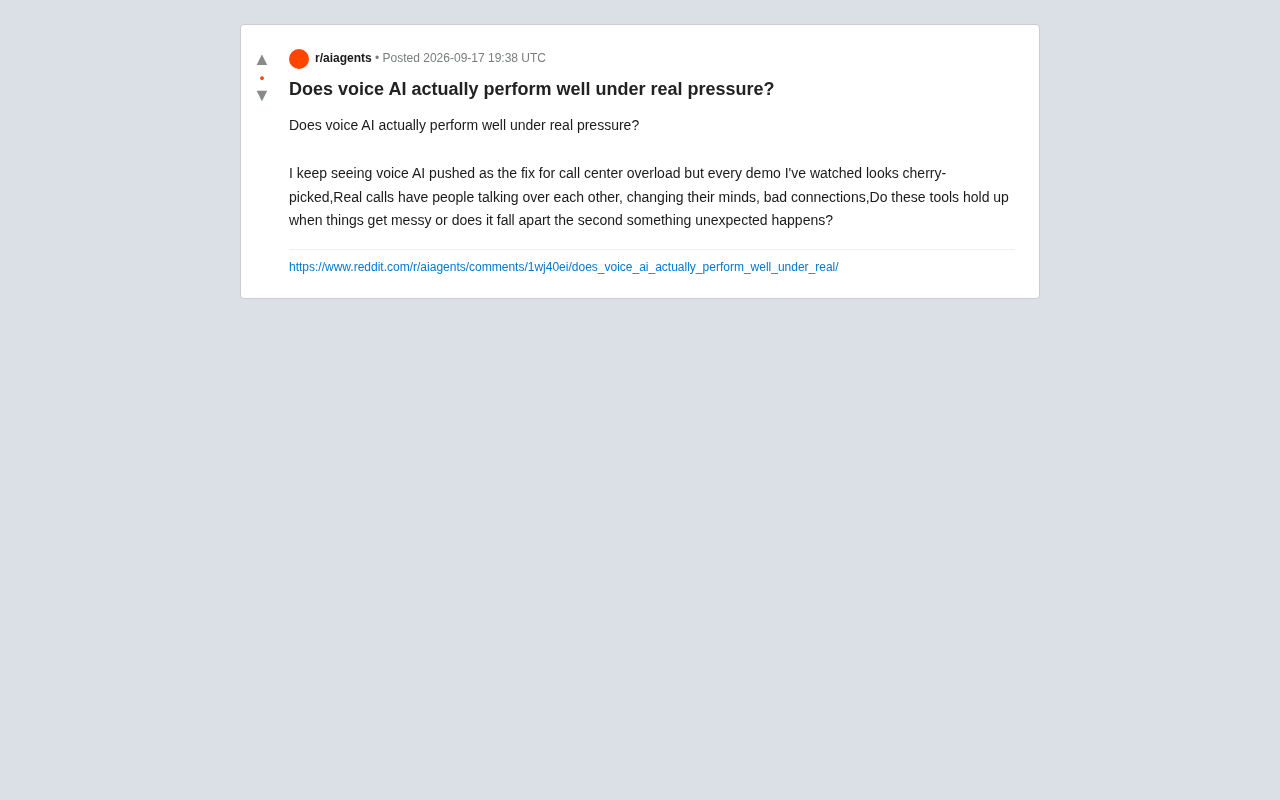
Is Voice AI Actually Reliable in Real-World Call Center Scenarios?
Can Voice AI really handle real call center chaos — interruptions, noise, and intent shifts? We break down the technical limits, demo traps, and how to evaluate reliability.

The Rogue AI Agent Problem: Can AI Supervising AI Be the Cure?
As AI agents outpace human review capacity in speed, duration, and scale, enterprises face a critical oversight gap. Can AI supervising AI be the fix?