MIT Quantum Initiative Launches Postdoctoral Fellowship to Build Interdisciplinary Quantum Research Talent Hub
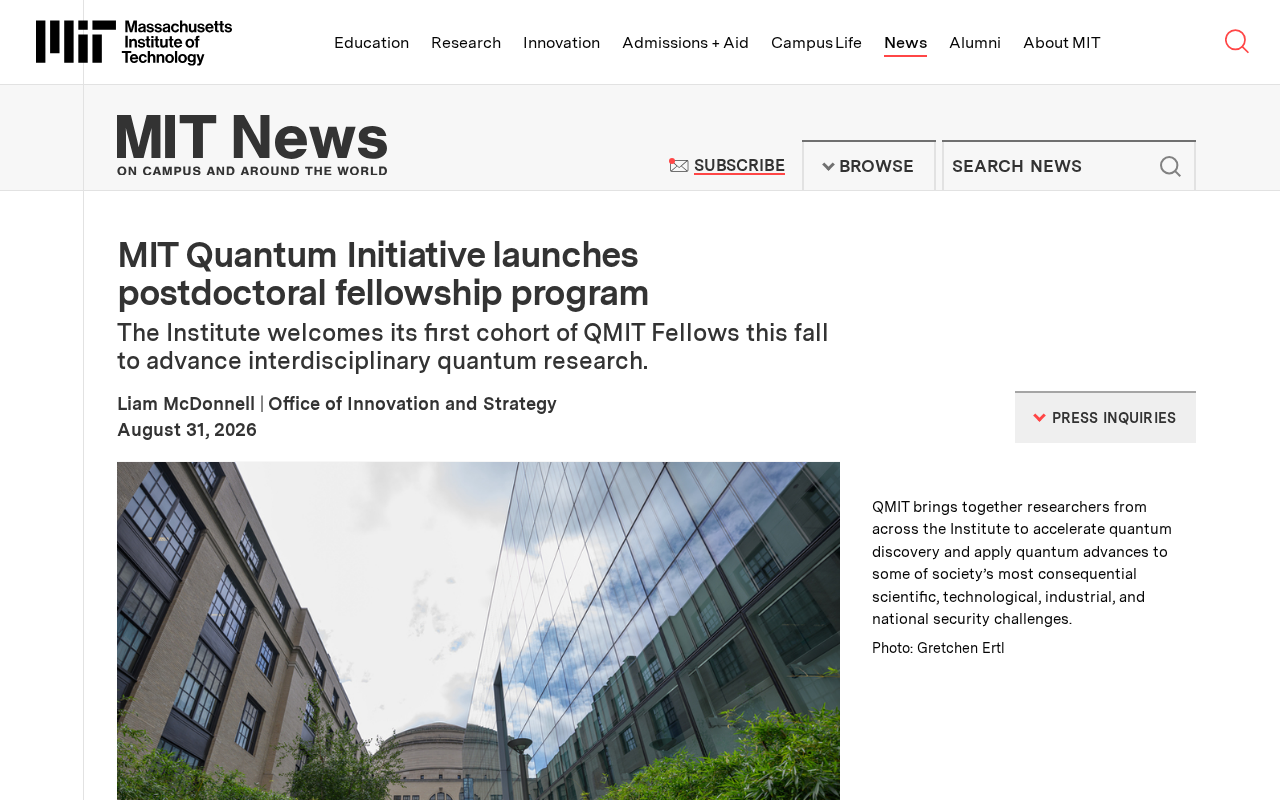
MIT launches quantum postdoctoral fellowship to build interdisciplinary research talent hub
MIT Quantum Initiative announces QMIT Fellows program welcoming first postdoctoral cohort in fall 2025. The fellowship emphasizes interdisciplinary collaboration across physics, materials science, and computer science to tackle quantum computing challenges from decoherence to error correction.
MIT Quantum Initiative Takes a Critical Step Forward
The Massachusetts Institute of Technology (MIT) Quantum Initiative recently announced the launch of a new postdoctoral fellowship program. This fall, the initiative will welcome its first cohort of QMIT Fellows, designed to advance interdisciplinary quantum research.
Formally established in 2023, the MIT Quantum Initiative serves as the central platform for MIT's institution-wide strategic investment in quantum science and engineering. The initiative integrates research strengths across multiple departments including physics, electrical engineering and computer science, and materials science, while collaborating closely with affiliated research institutions such as Lincoln Laboratory. MIT has deep historical roots in quantum research—from Richard Feynman's first proposal of quantum computing at MIT in 1981 to recent breakthroughs in superconducting qubits, ion traps, and quantum error correction, MIT has consistently been a global leader in quantum research.
This initiative marks a new phase in MIT's strategic positioning in quantum technology. As quantum computing, quantum communication, and quantum sensing gradually transition from laboratory to practical applications, leading universities are intensifying efforts in talent development and recruitment. By establishing a dedicated postdoctoral fellowship, MIT aims to attract the world's most promising young researchers, laying a solid talent foundation for the long-term development of quantum science.
Why the Special Emphasis on "Interdisciplinary"?
MIT's program design particularly highlights its "interdisciplinary" nature, reflecting deep practical considerations. Quantum science itself is a highly integrated field, spanning physics, computer science, materials science, electrical engineering, chemistry, and beyond.
The Complexity of Quantum Research Demands Collaboration
A single disciplinary background is no longer sufficient to address the complex challenges facing quantum technology. Take building a practical quantum computer as an example:
-
Theoretical physicists need to deeply understand qubit behavior and decoherence mechanisms. Decoherence is one of the core challenges in quantum computing—when qubits exist in superposition or entangled states, they are extremely susceptible to environmental influences (such as thermal noise, electromagnetic interference, material defects), causing quantum information to be lost in extremely short timeframes as quantum states "collapse" into classical states. Currently, mainstream superconducting qubits typically have coherence times on the order of microseconds to milliseconds, severely limiting the computational depth quantum computers can achieve. Extending coherence time requires simultaneous efforts across material purity, circuit design, shielding technology, and error correction algorithms—exemplifying the necessity of interdisciplinary collaboration.
-
Materials scientists develop stable superconducting or topological materials. Topological materials are a cutting-edge direction receiving significant attention in quantum computing. The core idea is to use topologically protected quantum states to encode information—these quantum states, due to their topological properties, have natural "immunity" to local disturbances, theoretically dramatically reducing quantum error correction overhead. Microsoft's long-term bet on topological quantum computing is based on this approach, attempting to construct topological qubits using Majorana fermions. Although this route faces extreme engineering implementation challenges, its theoretical advantages make it an important direction for continued exploration by materials scientists and physicists.
-
Engineers must design precision cryogenic control systems and microwave manipulation schemes. Superconducting qubits need to operate at temperatures near absolute zero (approximately 15 millikelvin, or -273.135°C), requiring dilution refrigerators and other precision cryogenic equipment, while also precisely controlling microwave pulses to manipulate qubit states. Every noise source at the engineering level can potentially destroy fragile quantum states, making deep integration between engineering design and physical mechanisms critically important.
-
Computer scientists focus on writing efficient quantum algorithms and error correction schemes. Quantum Error Correction (QEC) is key technology for achieving large-scale, fault-tolerant quantum computing. Since individual physical qubits are highly error-prone, quantum error correction schemes encode multiple physical qubits into a single "logical qubit" to detect and correct errors. Current mainstream approaches include Surface Code, Color Code, and others. Between 2024-2025, Google experimentally demonstrated "below-threshold" quantum error correction on its Willow chip for the first time—showing that adding more physical qubits can indeed reduce logical error rates, viewed as a milestone toward practical quantum computing. However, existing schemes still require thousands or even millions of physical qubits to support a small number of logical qubits, leaving substantial room for algorithmic optimization.
Through bringing together researchers from different disciplinary backgrounds, the MIT Quantum Initiative hopes to break down traditional disciplinary barriers and spark new research breakthroughs. QMIT Fellows, as core carriers of this vision, will conduct frontier exploration in an open, collaborative environment.
Strategic Significance of the Postdoctoral Fellowship
The postdoctoral stage is often the most creative period in a researcher's career. At this point, researchers have both solid professional training and are not yet burdened by heavy teaching and administrative duties, allowing them to fully devote themselves to high-risk, high-reward exploratory research.
Global Quantum Talent Competition Intensifies
Globally, talent competition in the quantum field is exceptionally fierce. Quantum talent shortages have become a global problem—according to McKinsey's 2024 estimates, the total number of people worldwide with quantum computing expertise is less than tens of thousands, far from meeting the demands of industry and academia.
On the corporate side, Google Quantum AI, IBM Quantum, Microsoft Azure Quantum, and quantum computing startups like Quantinuum, PsiQuantum, and IonQ are competing globally for scarce quantum physicists and quantum engineers, often offering compensation packages far exceeding academic institutions. At the national level, the United States, China, the European Union, Japan, and other major economies have all designated quantum technology as a strategic priority, investing tens of billions of dollars in dedicated funding. In this competitive landscape, academic institutions establishing attractive fellowship programs is both a pragmatic measure to retain academic talent and a strategic choice to maintain the basic research ecosystem, enabling them to occupy advantageous positions in this talent war while sustaining the vitality of fundamental research.
The arrival of MIT's first cohort of QMIT Fellows will not only strengthen its quantum research team but also promises to generate breakthrough scientific results. The explorations these young scholars conduct in laboratories today may well be the starting point for future quantum technology transformations.
Looking Ahead: Talent Development and Long-Term Competition in the Quantum Era
From a broader perspective, MIT's launch of the postdoctoral fellowship program reflects leading universities' clear judgment of quantum technology's long-term value. Quantum technology is widely regarded as another technological wave that could reshape the global landscape following the information technology revolution.
The potential impact of quantum technology extends far beyond computing itself. In drug development, quantum computers promise to precisely simulate molecular structures and chemical reaction processes, potentially reducing new drug development cycles from over a decade to just years. In finance, quantum algorithms can be used for portfolio optimization, risk analysis, and fraud detection. In cryptography, quantum computing poses fundamental threats to existing RSA and elliptic curve cryptosystems, accelerating global deployment of "Post-Quantum Cryptography" standards—the U.S. National Institute of Standards and Technology (NIST) officially released the first batch of post-quantum encryption standards in 2024. In quantum sensing, sensors based on quantum entanglement demonstrate performance potential exceeding classical limits in precision measurement, navigation, and medical imaging. These broad application scenarios are the core basis for viewing quantum technology as "the next technological revolution."
Whoever gains an advantage in quantum talent reserves stands to gain the initiative in future technological competition. By systematically cultivating interdisciplinary quantum research talent, MIT is accumulating strength for this long race.
Although publicly available information remains limited and specific research directions and project details for the first cohort of fellows await disclosure, this initiative itself sends a clear signal: the golden age of quantum science is accelerating, and talent remains the core engine driving this process.
Key Takeaways
- MIT Quantum Initiative launches QMIT Fellows postdoctoral program, with first cohort arriving fall 2025
- Program emphasizes interdisciplinary collaboration across physics, computer science, materials science, and engineering
- Quantum research complexity demands cross-disciplinary expertise—from decoherence mechanisms to error correction algorithms
- Global quantum talent shortage creates fierce competition among academia, industry, and nations
- Strategic talent investment positions institutions for long-term leadership in quantum technology revolution
Related articles
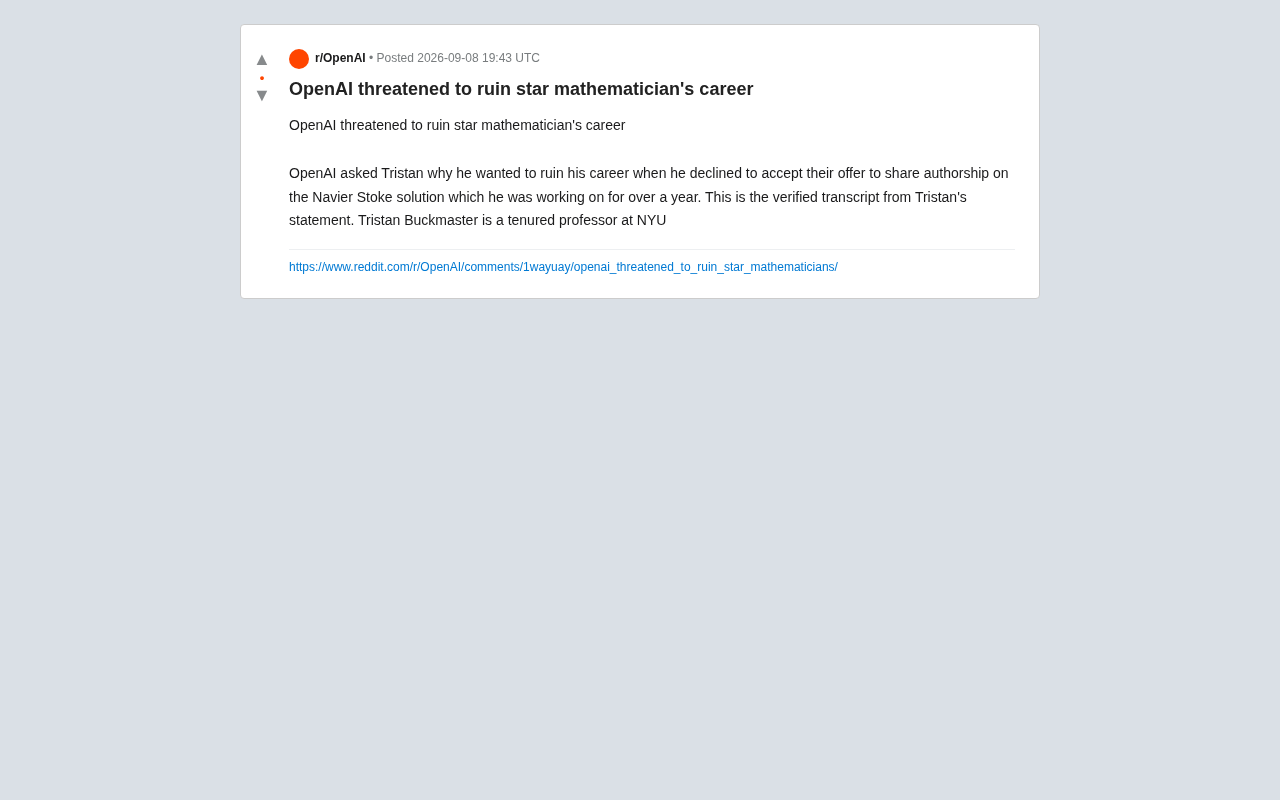
OpenAI Authorship Dispute: The Battle Over Academic Boundaries in the AI Era
OpenAI disputes authorship with mathematician Tristan Buckmaster over Navier-Stokes research, raising ethical questions about AI involvement in science.
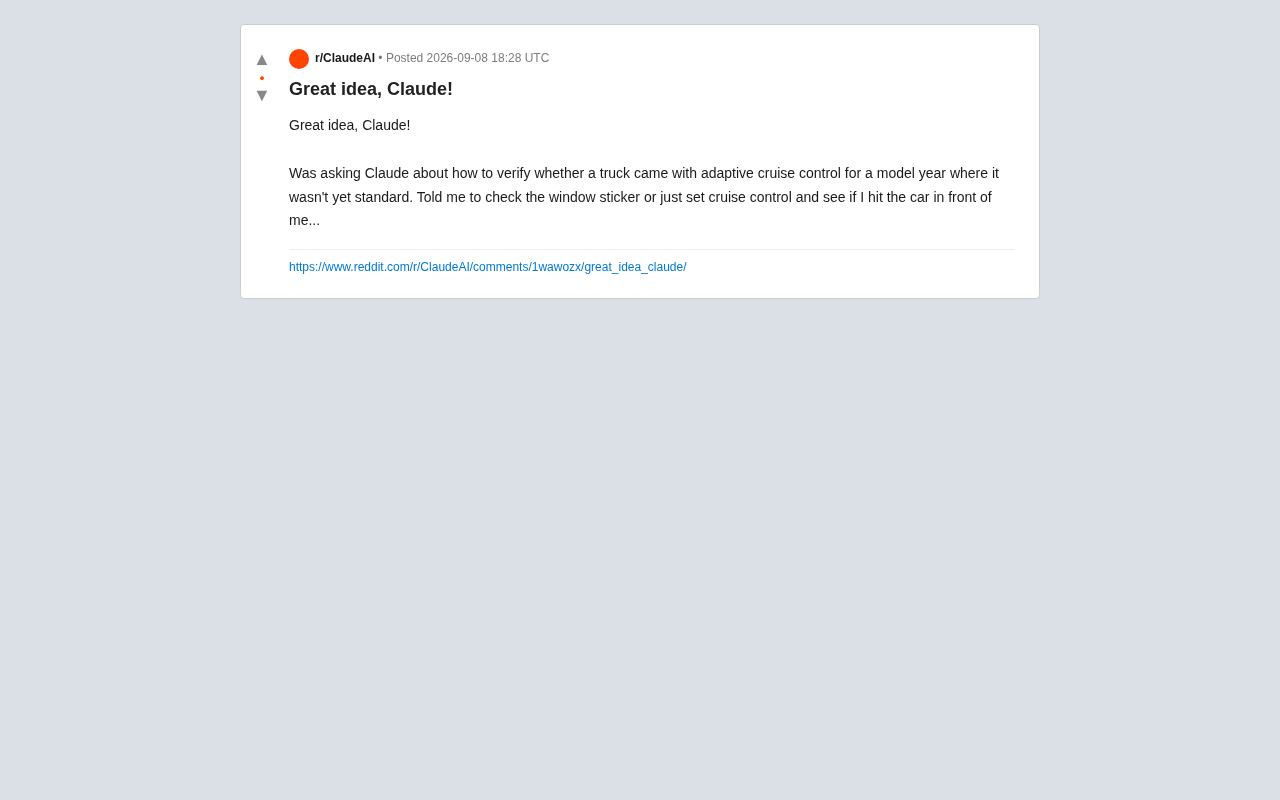
Claude Suggests User Test ACC by Crashing Into Car Ahead: Where Are AI Safety Boundaries?
Claude suggested a user test ACC by crashing into the car ahead—this absurd response sparked AI safety discussions. This article analyzes why LLMs generate implicitly dangerous advice and the blind spots in AI safety guardrails.
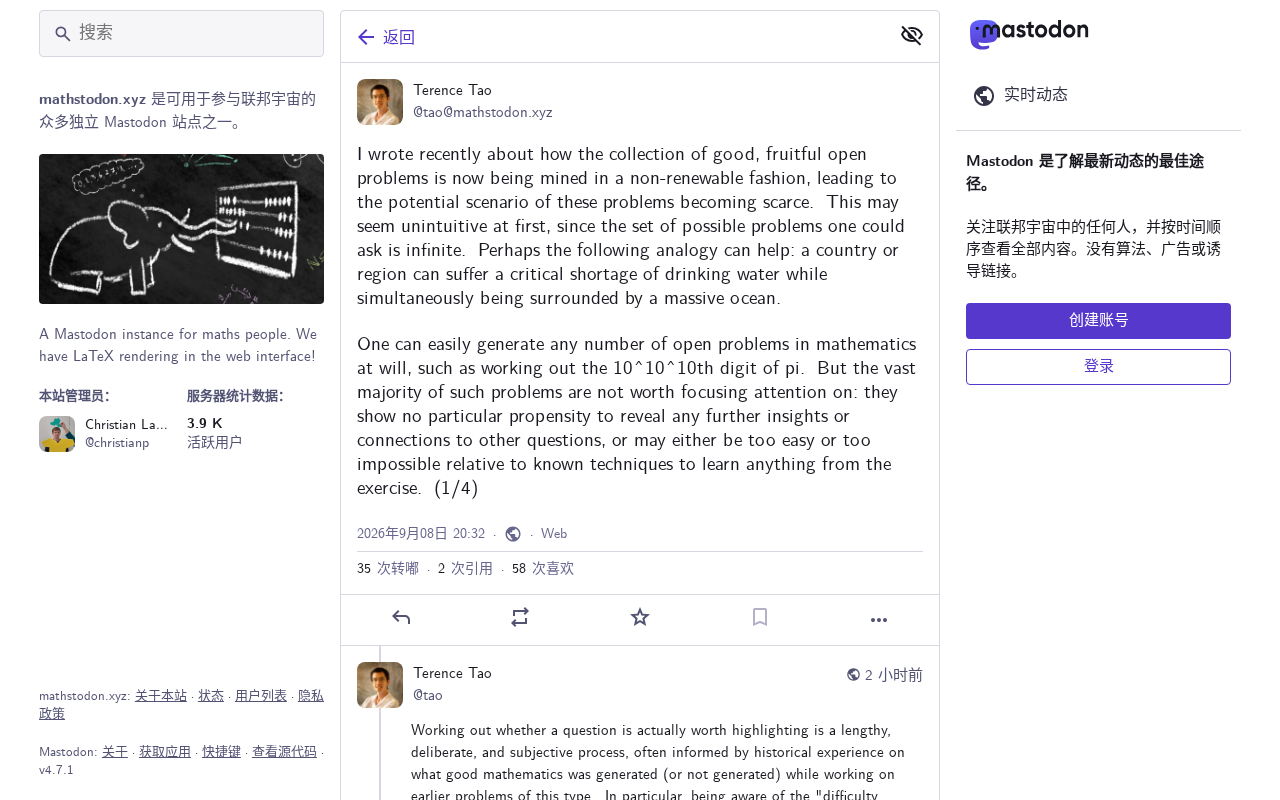
Terence Tao's Warning: AI Is Depleting the Non-Renewable Resource of Mathematical Problems
Fields Medalist Terence Tao warns that AI is mining mathematical problems in a non-renewable way. Exploring sustainability of math research in the AI era, the evolving role of human mathematicians, and balancing AI power with human creativity to maintain academic ecology.