MonoDuty: An All-in-One On-Call Alerting Tool Built for Small Teams
MonoDuty is a lightweight incident response platform for small teams, combining alerting, scheduling, uptime monitoring, and heartbeat detection.
MonoDuty is an all-in-one incident response tool for small engineering teams that consolidates incident alerting, on-call scheduling, uptime monitoring, and cron job heartbeat detection into a single platform. It supports multi-channel notifications via email, SMS, and phone, with automatic escalation policies for unacknowledged alerts, and syncs incident activity to Slack, Discord, and Teams. It offers a free tier, with SMS, voice calls, and escalation policies available on paid plans. Its core opportunity lies in serving teams priced out of enterprise tools like PagerDuty, though its integration ecosystem and reliability remain to be proven in real-world scenarios.
Small engineering teams often find themselves in an awkward spot: they need professional incident response capabilities, but can't justify the complexity and cost of enterprise tools like PagerDuty. MonoDuty, which recently launched on Product Hunt, aims to fill that gap with a lightweight, integrated solution.
What Problem Does MonoDuty Solve?
MonoDuty's positioning is straightforward — it consolidates four core capabilities into a single platform: incident alerting, on-call scheduling, uptime monitoring, and cron job heartbeat monitoring. For small teams, this means no more stitching together multiple standalone tools or paying for an enterprise system that far exceeds their actual needs.
Its core value proposition is spelled out in the tagline: reaching on-call engineers via email, SMS, and phone calls. When something breaks in production, the last thing you want is for alerts to disappear into the void. MonoDuty provides multi-channel notifications and supports automatic escalation when incidents go unacknowledged, ensuring critical issues never slip through the cracks.
Functional Integration Is Its Main Differentiator
Based on the official description, MonoDuty's product philosophy is "consolidation" rather than "best-in-class point solutions." It bundles the following capabilities together:
Incident Alerting and Routing
Teams can connect existing monitoring tools to MonoDuty via Webhooks, and the system routes alerts to the appropriate responders based on configured rules. This Webhook-based integration approach has a low barrier to entry and is compatible with virtually any monitoring source capable of sending HTTP requests.
On-Call Scheduling and Escalation Policies
Beyond simple alert dispatching, MonoDuty supports configuring on-call schedules and escalation policies. When an alert goes unacknowledged within a specified timeframe, the system automatically escalates — notifying someone else, or even placing a phone call. This is arguably the most critical step in incident response workflows, and the one most often overlooked by small teams.
Escalation policies are the backbone of modern incident response systems. At their core, they define "when the current tier of responders fails to act, who gets notified next, and how." A typical escalation chain might look like this: notify the primary on-call engineer via push notification; if no response within 5 minutes, send an SMS to the backup engineer; if still no response after another 10 minutes, call the team lead. This mechanism originates from the ITIL (IT Infrastructure Library) incident management framework and was popularized by enterprise tools like PagerDuty. For small teams, this capability is especially critical — fewer people means a higher risk of single points of failure. If an on-call engineer's phone is on silent or they lose connectivity, a system without escalation policies will let alerts vanish into a black hole entirely.
Uptime Monitoring and Heartbeat Detection
Built-in uptime monitoring and cron heartbeat detection mean teams don't need to deploy separate monitoring services. If a scheduled job fails to "check in" on time, MonoDuty will proactively fire an alert — a particularly useful feature for teams that rely on background batch processing.
Cron Heartbeat monitoring works on a "push" rather than "pull" model: after each successful execution, the scheduled job sends an HTTP request to a dedicated MonoDuty URL as a "heartbeat" signal. If MonoDuty doesn't receive that signal within a predefined time window, it flags the job as failed and triggers an alert. This is the inverse of uptime monitoring — uptime monitoring has the platform actively ping a target service, while heartbeat monitoring has the job itself "reporting in." This design is especially well-suited for background batch processes like database backups, billing reconciliation, and email delivery queues that expose no external HTTP endpoints — traditional port or URL probing is completely ineffective for these tasks.
Team Collaboration Notifications
Beyond reaching individual on-call responders, MonoDuty can sync incident activity to Slack, Discord, and Microsoft Teams, keeping the entire team in the loop.
Pricing: Free to Start, Paid Plans Unlock Critical Features
MonoDuty offers a free tier, which is appealing for budget-conscious early-stage teams. Basic features are available for free, while SMS, voice calls, and escalation policies — the capabilities that truly matter when things go wrong — are locked behind paid plans.
This pricing logic is worth thinking about: the multi-channel notifications and automatic escalation that actually prevent alerts from being missed are precisely what you pay for. Small teams need to weigh when, at their scale, it becomes worth paying for the ability to get a phone call when everything's on fire.
Promising, But Still Worth Watching
MonoDuty is built by independent developer BURAK YILMAZ. At the time of writing, it ranked 17th on Product Hunt with 11 upvotes and 2 comments — moderate at best. Competition in the integrated monitoring and on-call space is fierce, with established players like PagerDuty, Opsgenie, and Better Stack already in the market.
MonoDuty's opportunity lies in being "small but complete" — focusing on teams that have been priced out or overwhelmed by the complexity of larger platforms. Whether it can carve out a sustainable niche depends on how rich its integration ecosystem becomes, whether its alerting reliability holds up under real-world incidents, and whether the free tier can convert enough trial users into paying customers.
For small engineering teams looking for a lightweight on-call alerting solution, MonoDuty is worth adding to the shortlist.
Related articles
The Hidden Risks of Culvert Failure: An Overlooked Infrastructure Hazard
Culverts are hidden drainage structures buried beneath roads. Their failure can silently hollow out road beds, cause localized flooding, and trigger deadly collapses — yet they remain chronically overlooked.
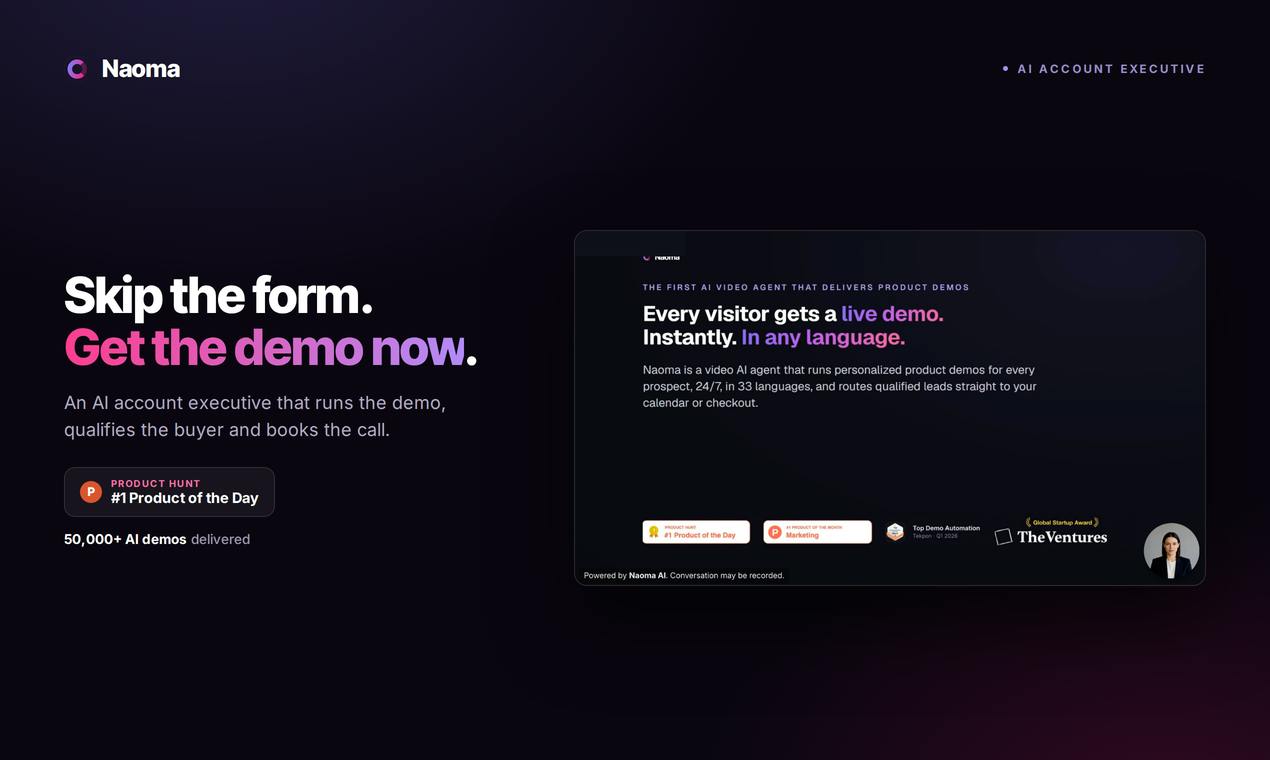
Naoma AI Demo Agent V2: Turning Website Traffic into Booked Meetings with AI Sales
Naoma AI Demo Agent V2 replaces demo request forms with an AI sales rep that demos products, qualifies leads, and books meetings in real time. 50K+ demos run.
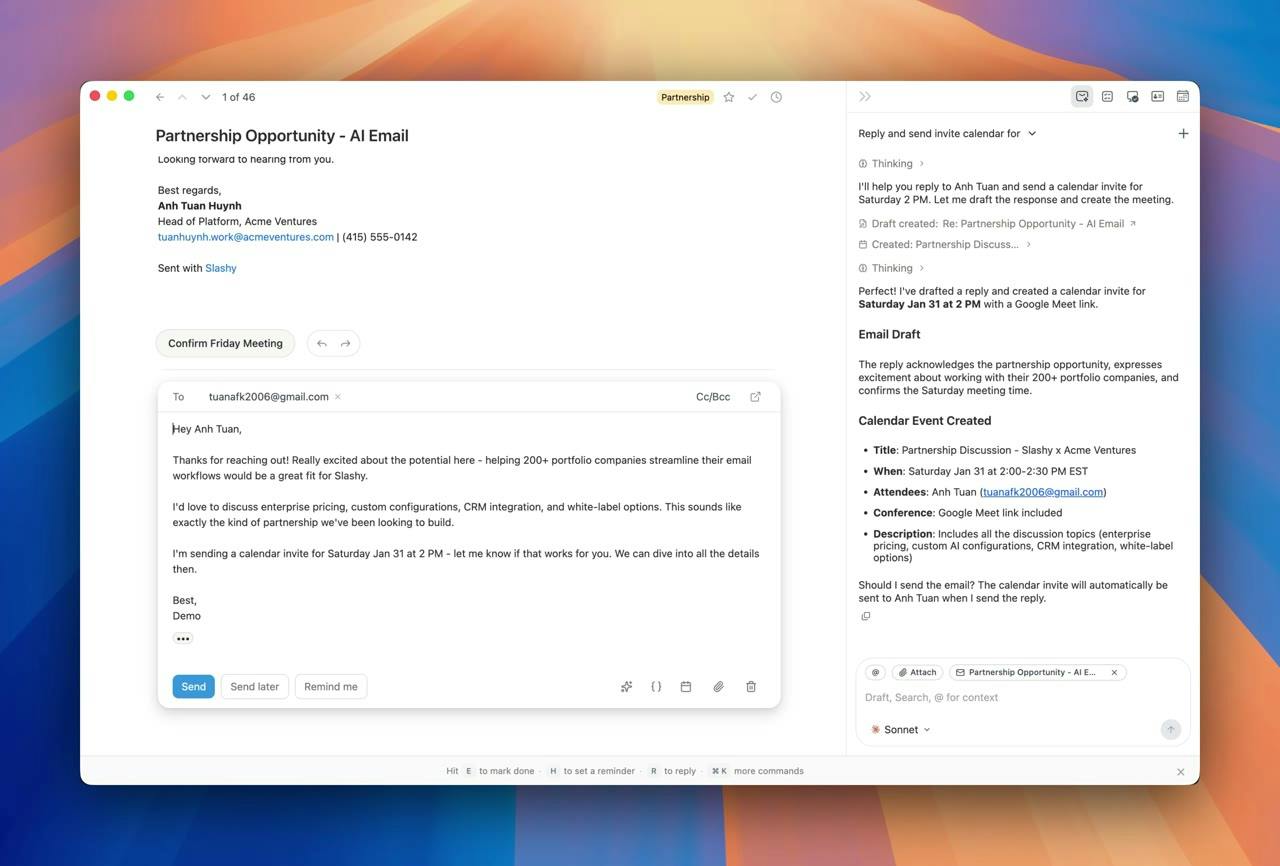
Slashy Assistant: The AI Email Assistant That Handles Your Inbox for You
Slashy Assistant is an AI-native email client with a built-in smart assistant that drafts replies in your voice, organizes email, schedules meetings, and tracks follow-ups. Accessible via iMessage, Slack, and phone — set up in five minutes.