MosMos: An AI Voice Writing Tool Built for the Entire Meeting Lifecycle

MosMos turns spoken words into polished drafts and structured meeting notes across the full meeting lifecycle.
MosMos earned #2 in Product Hunt's OpenAI Day category by positioning itself as a "voice writing" tool rather than a dictation app — transforming spoken input into ready-to-use drafts with selectable styles. It tackles professional terminology via a personal glossary, and in meeting contexts delivers speaker diarization, timestamp tracking, and structured output including summaries, decisions, and action items. Competing against Otter, Fireflies, and native dictation tools, MosMos bets that a unified workflow beats juggling multiple specialized tools. Recognition quality, style control, and diarization accuracy will be the deciding factors.
In Product Hunt's OpenAI Day category, an AI voice writing tool called MosMos climbed to #2 with 229 upvotes and 49 comments. Its positioning is clear: more than just voice dictation — it transforms both personal stream-of-consciousness thoughts and multi-person meeting conversations into immediately usable written content.
From Dictation to Writing: What Sets MosMos Apart
The logic behind traditional voice input tools is simple: "you say it, it types it" — essentially a faster keyboard replacement. MosMos aims to go a step further. It emphasizes "voice writing" rather than "voice dictation," with the goal of producing ready-to-use drafts rather than raw transcripts.
According to the official description, users can speak naturally in any application, and MosMos will quickly and accurately generate text — organized according to a style of your choosing. This means the same spoken input can be shaped into an email tone, a notes format, or other forms. For people who think out loud but struggle to organize their thoughts into polished writing on the fly, this "spoken word to finished text" transformation addresses a genuine pain point.
MosMos also has built-in web search — you can ask it to retrieve the latest information online and incorporate real-time data directly into your writing. This distinguishes it from purely local dictation tools and positions it closer to a voice-driven writing assistant.
Personal Glossary: Solving the Age-Old Problem of Technical Terminology
Voice recognition has become quite mature in general contexts, but it tends to stumble on technical jargon, product names, proper nouns, and industry-specific terms. MosMos addresses this with a personal glossary: add a specific term once, and the system remembers it, automatically handling it correctly in future transcriptions.
This feature may sound simple, but it directly addresses a core frustration for professional users. For developers, healthcare workers, legal professionals, finance specialists, and others in terminology-heavy fields, a voice tool that can "learn" your vocabulary delivers a meaningful boost in recognition accuracy and significantly reduces the time spent on manual corrections afterward.
Meeting Mode: Multi-Speaker Identification and Structured Notes
The phrase "before, during, and after meetings" in MosMos's name signals its other primary use case. In multi-person meetings, it offers several key capabilities:
- Precise timestamp tracking: Records the exact time of each spoken segment
- Speaker diarization: Distinguishes between different speakers rather than merging everything into undifferentiated text
- Structured output: Automatically generates structured notes, summaries, decision logs, and action items
The real value of this feature set lies in post-meeting follow-through. The true pain point of meetings is rarely the act of recording itself — it's that scattered information is hard to convert into actionable next steps. By directly outputting decisions and to-dos, MosMos automates what would otherwise be a tedious post-meeting cleanup process. From a product standpoint, it aims to cover the full arc: capturing ideas before a meeting, live transcription during, and organized follow-up afterward — one continuous voice-driven workflow.
A note on Speaker Diarization: Speaker diarization is a distinct technical discipline in speech processing, centered on answering the question: "who said what, and when?" It uses acoustic features — pitch, speech rate, formants, and other parameters — to segment continuous audio by speaker, then aligns those segments with the transcript. This is significantly harder than single-speaker dictation: overlapping speech, background noise, and similar-sounding voices all degrade accuracy substantially. Current approaches include unsupervised clustering methods (transcribe first, then classify) and end-to-end neural network methods (transcription and attribution done simultaneously). Tools like Otter and Fireflies have made diarization a standard feature, but misattribution errors remain common in meetings with three or more speakers. Since MosMos highlights this capability, its real-world diarization accuracy is arguably the most critical factor to test when comparing it against competitors.
Market Positioning and Competitive Considerations
The voice AI space MosMos is entering is far from empty. Native system keyboards handle basic dictation. Otter and Fireflies are established players in meeting transcription. And a crowded field of AI writing assistants already exists. MosMos's strategy is to bundle all three into a single continuous workflow, rather than forcing users to switch between multiple tools.
Its Product Hunt results — 229 votes and a #2 ranking — suggest it's resonating with a real segment of users. Being placed in the OpenAI Day category also implies its underlying capabilities likely rely on OpenAI-related models. That said, the "do everything" positioning is both a selling point and a risk. Every niche it targets already has dedicated specialists. MosMos needs to prove that "one well-integrated experience" can outperform "multiple best-in-class point solutions."
For knowledge workers who regularly deal with high volumes of voice information before and after meetings — and who are tired of manual organization — MosMos's end-to-end approach is worth trying. Its actual recognition quality, the controllability of its style transformations, and the accuracy of its speaker diarization will ultimately determine whether it retains users.
Competitive context — Otter.ai and Fireflies.ai: These two are the most representative mature products in the meeting transcription space. Otter, founded in 2016, focuses on real-time transcription and team collaboration, with direct integrations into Zoom, Teams, and other major platforms; its monthly active users number in the millions. Fireflies leans more toward post-meeting search and CRM integration, enabling semantic search across historical recordings. Both have built stable enterprise customer bases and deep workflow ecosystems. MosMos differentiates itself by merging "personal voice writing" with "meeting capture" into a single product rather than targeting team collaboration. This reduces its dependence on meeting platform integrations and makes it better suited to individual knowledge workers — but it also means MosMos lacks the network effects that Otter and Fireflies enjoy in enterprise deployment and multi-user collaboration. Its growth path will depend primarily on word-of-mouth among individual users.
Related articles
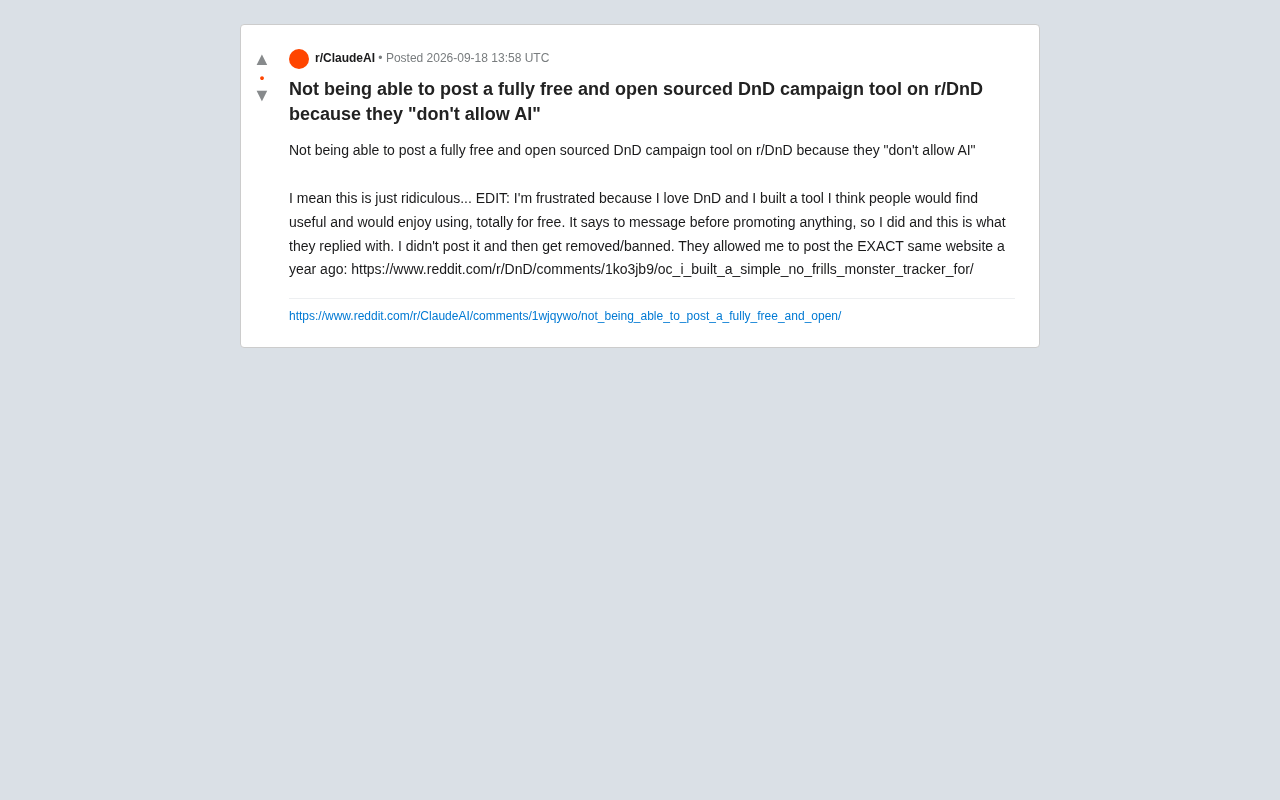
Free Open-Source Tool Rejected: The Community Controversy Sparked by r/DnD's AI Ban
A free open-source DnD campaign tool was rejected by r/DnD's AI ban — yet the same tool was approved a year ago. The case highlights the blurry line between AI tools and AI-generated content.
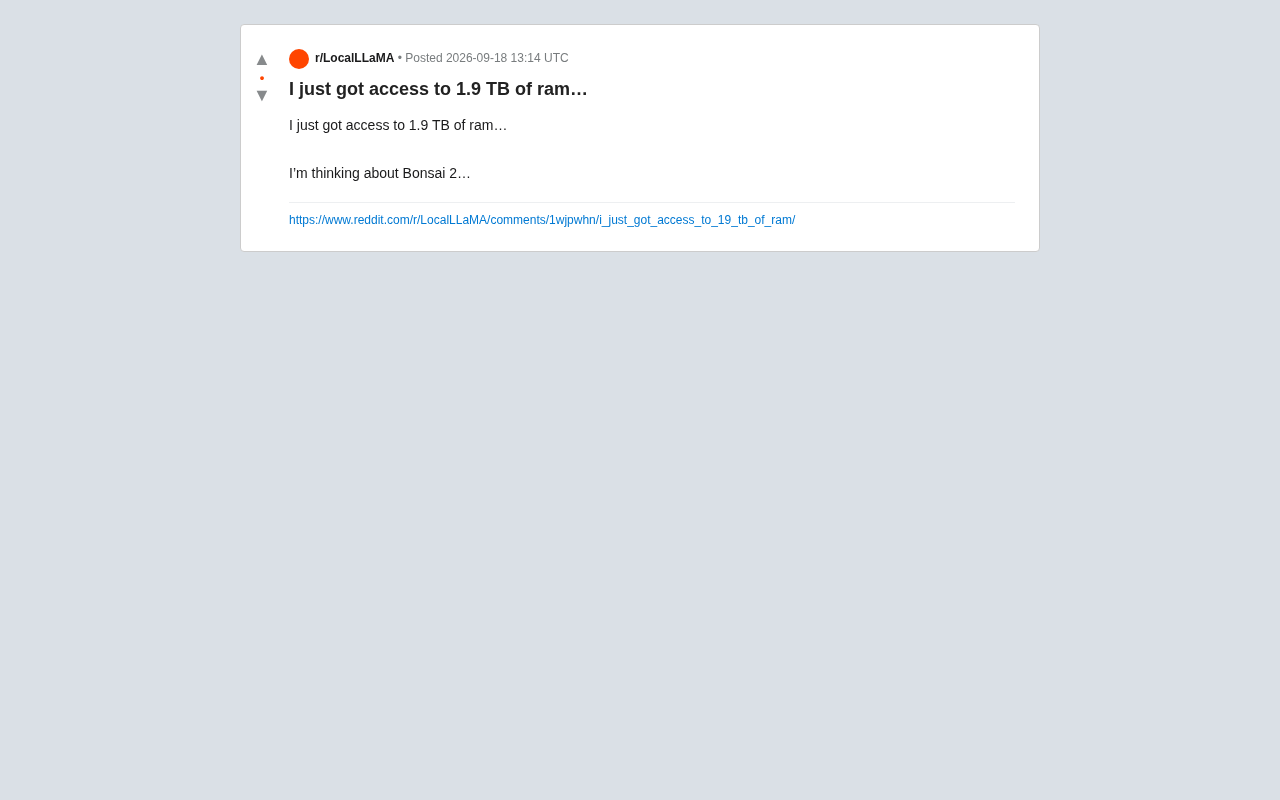
What LLMs Can You Run with 1.9TB of RAM? Exploring the Ceiling of Local AI Deployment
A Reddit user with 1.9TB of RAM sparked debate about local LLM deployment. We break down what massive RAM enables, where CPU inference falls short, and the real bottlenecks.
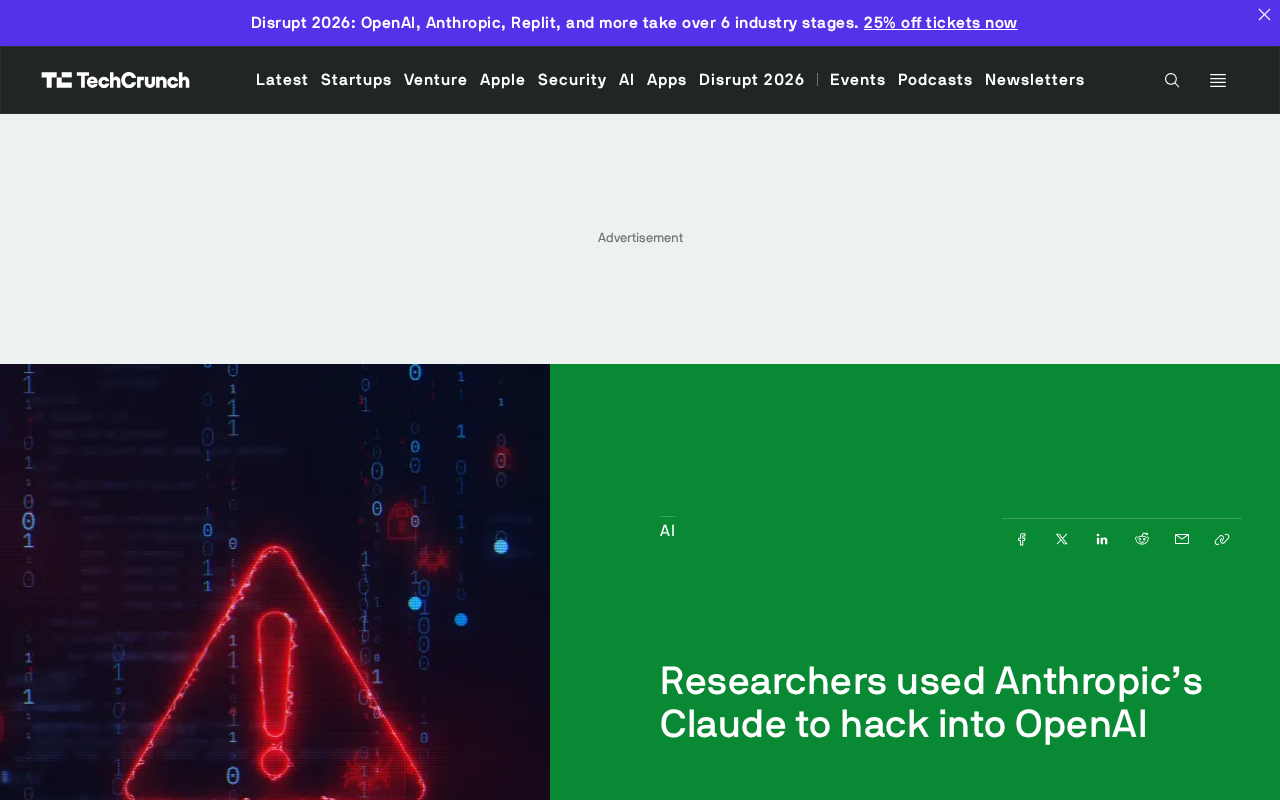
Researchers Use Claude to Hack OpenAI Systems: A New Wake-Up Call for AI Security
Security researchers used Anthropic's Claude to breach OpenAI systems, taking over employee accounts and accessing internal repos. What this means for AI security.